
Colorado, often hailed as the “Centennial State,” is synonymous with its majestic Rocky Mountains and the promise of abundant snowfall. For travelers planning a visit, especially those eager to experience the state’s world-class winter sports or simply revel in a picturesque snowy landscape, understanding Colorado’s’s diverse snowfall patterns is paramount. The timing and intensity of snow here are highly variable, influenced by a complex interplay of elevation, topography, and powerful weather systems. Unlike many other regions, snow in Colorado isn’t just a winter phenomenon; it can grace the high country well into spring and even make an early appearance in the autumn. This guide delves into the nuances of when and where snow falls across the state, offering insights crucial for planning the perfect winter getaway or scenic autumn adventure. From the first dusting on towering peaks to the heavy blankets transforming ski resorts into powdery paradises, we’ll explore the seasonal calendar of Colorado’s snow, ensuring you can tailor your travel plans to match your desired snowy experience. Whether you’re chasing fresh powder, seeking a cozy fireside retreat, or simply wondering when to pack your boots, this comprehensive overview will illuminate the magic of Colorado’s snow seasons.
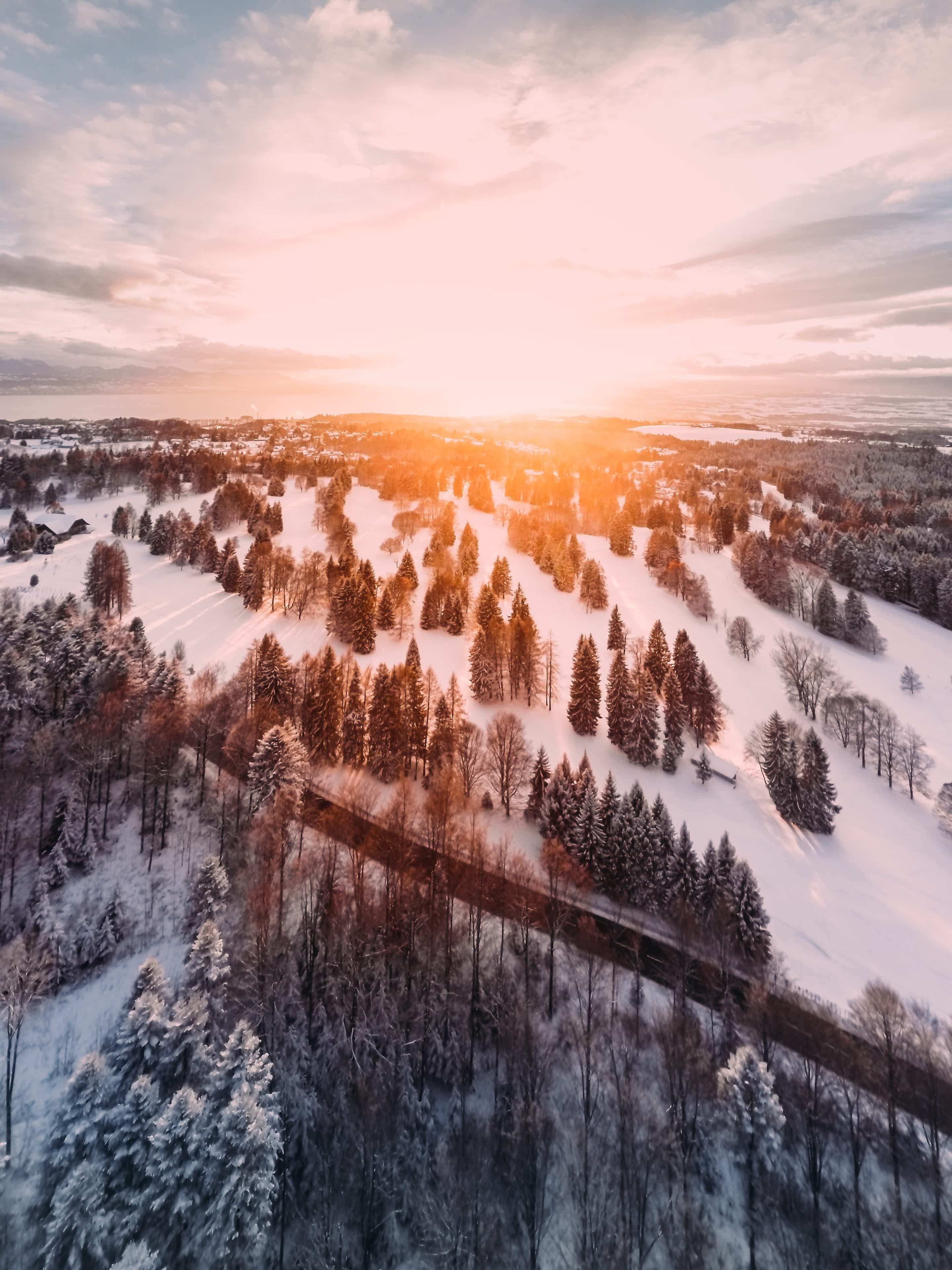
Understanding Colorado’s Diverse Snowfall Patterns
Colorado’s geographic diversity creates distinct microclimates, leading to vastly different snowfall experiences depending on your location. From the towering peaks of the Rocky Mountains to the sprawling urban centers along the Front Range, the timing, duration, and accumulation of snow can vary dramatically. This section breaks down these patterns, helping you anticipate when and where you’re most likely to encounter snow.
The Mountain vs. Front Range Divide
The most significant factor influencing snow distribution in Colorado is the dramatic elevation change between the high-altitude mountains and the lower-lying plains. The mountains, especially those west of the Continental Divide, are typically the first to receive snow and often accumulate significantly more throughout the season. These higher elevations intercept moisture-laden storms more effectively, leading to frequent and heavy snowfall. Conversely, cities like Denver and Colorado Springs on the Front Range receive less consistent snowfall. While they do get their share of winter storms, the snow often melts faster due to warmer temperatures and more direct sunlight. It’s not uncommon for a ski resort to report feet of fresh powder while the metropolitan area sees only a few inches or even just rain.
Early Season: Anticipating the First Flurries (October-November)
The first signs of winter in Colorado usually appear in the high country. By late September, a dusting of snow on the highest peaks is a common sight, signaling the impending change of seasons. However, widespread accumulating snow typically begins in October. Mountain towns and ski resorts like Breckenridge, Vail, and Steamboat Springs often see their first significant snowfalls in October, allowing some resorts to begin opening for the ski season by early to mid-November. For the Front Range cities, the first snowflakes are usually a November affair, though they are often light and quickly melt. This early season can be unpredictable, with mild sunny days interspersed with sudden winter storms, making it a transitional but often beautiful time to visit the mountains.
Peak Winter: The Heart of Snow Season (December-March)
December through March represents the quintessential snow season in Colorado. This is when snow is most consistent and abundant across the mountain regions. Ski resorts are in full swing, boasting deep powder bases and regular fresh snow. January and February are often the coldest months, and historically, they deliver the deepest snowpacks, creating ideal conditions for skiing, snowboarding, and other winter sports. The Front Range also experiences its heaviest snowfalls during these months, though the accumulation and persistence can still vary widely compared to the mountains. Even so, cities like Denver can transform into winter wonderlands after a good storm, with snow-dusted parks and bustling winter activities. Travelers seeking guaranteed snow for their activities should target these months.
Late Season & Spring Snows (April-May)
Just when you think winter is winding down, Colorado often surprises with significant late-season snows in April and even May. While temperatures begin to climb on the Front Range, leading to rapid snowmelt and the emergence of spring flowers, the high mountains can still receive massive snowfalls. Many ski resorts remain open through April, sometimes even into May or early June (like Arapahoe Basin), benefiting from these “spring powder” days. These late-season storms can be incredibly powerful, sometimes dropping feet of snow in a single event. For backcountry skiers and those who love spring skiing in sunshine and softer snow, April and May can be fantastic. Even as late as June, hikers ascending Pikes Peak or other fourteeners might encounter significant snowfields.
Key Factors Influencing Snowfall in Colorado
Understanding the “when” of snow in Colorado is inextricably linked to the “why.” Several geographic and meteorological factors conspire to create the state’s renowned snow-rich environment. Recognizing these influences helps travelers better predict and appreciate the state’s dynamic weather patterns.
Elevation and Topography
Elevation is perhaps the most dominant factor in Colorado’s snowfall. As air rises, it cools, and cooler air holds less moisture, leading to condensation and precipitation. This is why higher elevations consistently receive more snow. The Rocky Mountains act as a massive barrier, forcing moist air upwards. Within the mountains, specific topographical features, such as north-facing slopes and deep valleys, can accumulate and retain snow longer due to less direct sunlight and wind protection. Ski resorts located at higher base elevations, such as Breckenridge and Winter Park, often boast longer seasons and deeper snowpacks than those at comparatively lower altitudes, even if just by a few hundred feet.
Geographic Location: West vs. East Slopes
The Continental Divide slices through Colorado, creating distinct weather patterns on its western and eastern slopes. Storms originating from the Pacific Ocean often first encounter the western slopes of the Rocky Mountains. This “orographic lift” effect means that as these moist air masses are pushed up and over the mountains, they dump significant snow on the western side. Resorts like Steamboat Springs and Telluride, situated on the western side of the Divide, are renowned for their abundant, light, and dry “champagne powder.” By the time these storms cross the Divide and descend onto the eastern slopes or the Front Range, much of their moisture has been wrung out. While the eastern slopes still receive snow, particularly from upslope storms that draw moisture from the Great Plains, the western mountains generally see higher accumulations from Pacific-driven systems.
Weather Systems: Pacific Moisture and Arctic Blasts
Colorado’s snowfall is largely dictated by two primary types of weather systems. The most consistent snow producers are Pacific moisture storms. These systems originate over the Pacific Ocean, gather moisture, and then track eastward across the western United States. Upon hitting the Rocky Mountains, they release their moisture as snow. The intensity and trajectory of these storms vary, influencing which parts of Colorado receive the most snow.
The second major influence comes from Arctic blasts and “upslope” storms. While less frequent, these can bring significant snowfall, especially to the Front Range and eastern slopes. An upslope storm occurs when cold air from the Arctic or Great Plains pushes westward and then upward against the eastern face of the Rocky Mountains. This upward movement forces the air to cool, condense, and produce snow. Such storms can blanket Denver, Boulder, and Fort Collins with heavy, wet snow, sometimes causing significant travel disruptions. The interaction of these powerful weather systems, combined with local topography, creates the varied and often spectacular snow events that define a Colorado winter.
Top Colorado Destinations and Their Snow Calendars
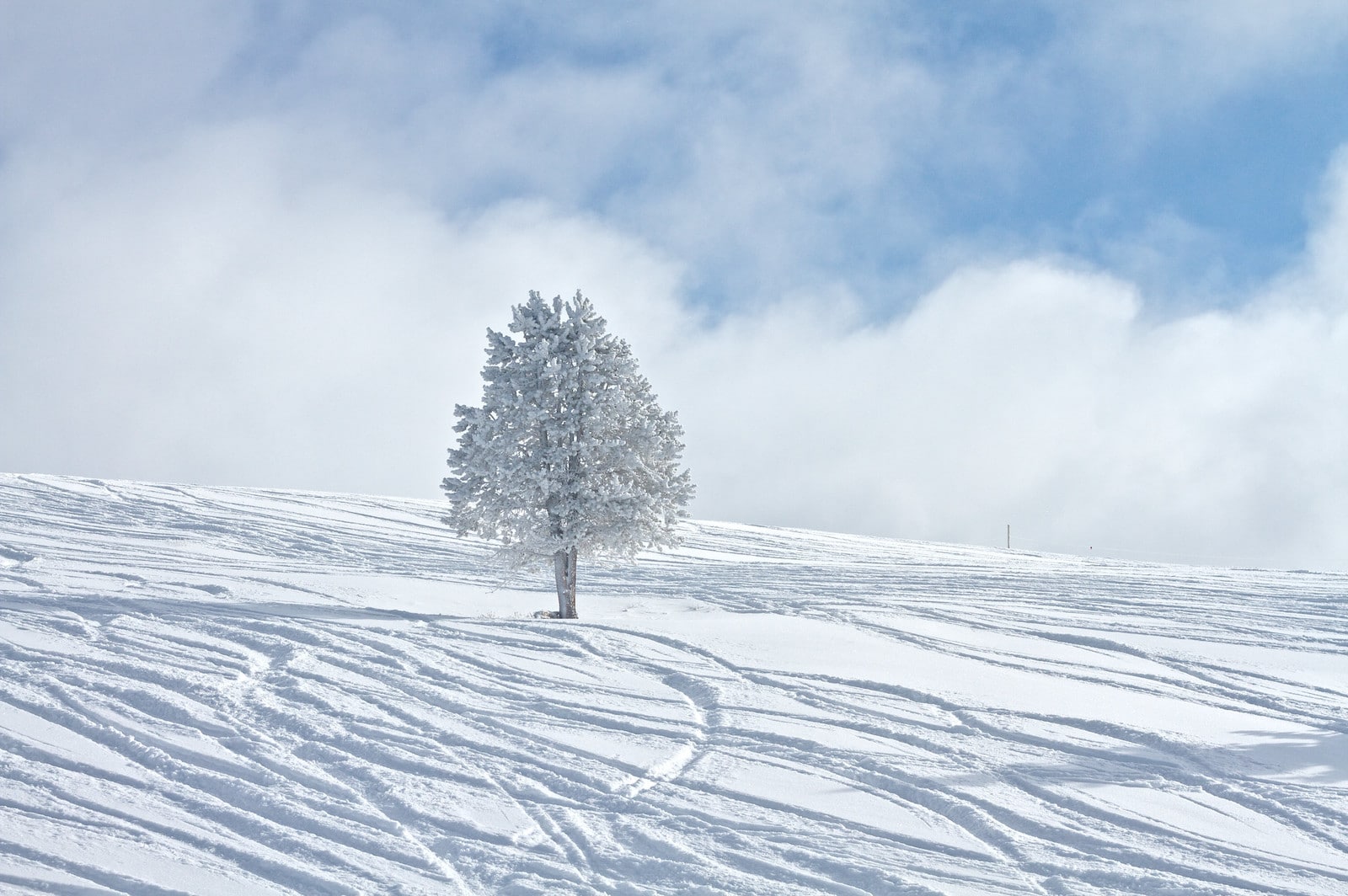
When planning a snowy escape to Colorado, knowing which destinations offer the best chances for snow, and when, is key to an unforgettable experience. The state’s vast landscape means snow conditions can vary wildly, even between neighboring regions.
Iconic Ski Resorts: A Winter Wonderland
Colorado’s world-renowned ski resorts are undeniably the best places to experience consistent and abundant snow. Resorts such as Vail, Aspen, Breckenridge, Winter Park, and Steamboat Springs typically open in mid-November and maintain excellent snow conditions through March, often extending into April or even May. January and February are generally considered the prime months for deep powder, with reliable cold temperatures and frequent snowstorms. High-altitude resorts like Arapahoe Basin and Loveland Ski Area boast some of the longest seasons in North America, with operations stretching into June. For guaranteed snow and prime skiing conditions, targeting these mountain havens during peak winter is your best bet. Even resorts like Telluride and Crested Butte, while not as high in elevation as some others, benefit from significant snowfall due to their geographic location within the San Juan Mountains.
Denver and the Front Range: Urban Snow Experiences
Cities along the Front Range, including Denver, Boulder, and Fort Collins, experience a different snow calendar. While they receive snow, it’s often less frequent and accumulates less than in the mountains. The first significant snow typically arrives in November, with the heaviest snowfalls occurring between December and March. However, due to its sunnier disposition and warmer temperatures, Denver’s snow often melts quickly, sometimes within a day or two, especially in the spring. If you’re visiting the Front Range specifically for snow-covered urban landscapes or gentle snow activities like sledding in a city park, plan your trip between mid-December and late February. Be prepared for variability, as some winters bring sparse snow to the urban corridor, while others can see multiple significant storms.
Southern Colorado: Unique Snowfall Characteristics
Southern Colorado, particularly the regions encompassing the San Juan Mountains around Durango and Telluride, also offers fantastic snow opportunities, often with unique characteristics. This area is home to Wolf Creek Ski Area, renowned for receiving the most natural snowfall in Colorado. Snow here can start as early as October and persist well into April, with immense accumulations throughout the winter. The December to March window is prime for deep powder and robust snowpacks. Even the lower-lying areas around Durango receive reliable snowfall, creating a picturesque winter ambiance. Resorts like Purgatory Resort offer excellent conditions for skiers and snowboarders, benefiting from both Pacific storms and unique localized weather patterns that often favor this southern mountain range.
Planning Your Colorado Winter Getaway
Successfully planning a trip to Colorado with snow in mind requires more than just knowing when it falls; it involves strategic timing, understanding diverse activity options, and preparing for the unique challenges of winter travel in the mountains.
Best Time for Skiing and Snowboarding
For avid skiers and snowboarders, the optimal window for a Colorado trip is typically mid-December through March.
- Early Season (Mid-November – Mid-December): Offers smaller crowds and potentially lower prices. Snow bases are building, but conditions can be variable, sometimes relying heavily on man-made snow.
- Peak Season (Late December – February): This is when snow depths are at their maximum, and fresh powder days are most common. Expect consistent cold temperatures and ideal conditions across most resorts like Vail and Keystone. However, this period also sees the largest crowds and highest prices, especially around holidays.
- Spring Skiing (March – April/May): A favorite for many, spring skiing brings warmer temperatures, sunshine, and softer “corn” snow. Many resorts, including Aspen and Breckenridge, have lively spring events. High-altitude areas like Arapahoe Basin and Eldora Mountain Resort can remain open much longer, offering excellent late-season turns, sometimes even with fresh powder.
Experiencing Colorado’s Winter Beauty Beyond the Slopes
Colorado offers a wealth of snow-related activities beyond downhill skiing.
- Snowshoeing & Cross-Country Skiing: Ideal from December through March, these activities allow you to explore pristine winter landscapes in national forests and state parks. Many ski resorts also offer dedicated Nordic centers.
- Snowmobiling: Available from December to April in designated areas, providing an exhilarating way to cover vast snowy expanses.
- Ice Skating: Rinks in mountain towns like Breckenridge and Telluride, and even in Denver, operate from late November through March.
- Hot Springs: Experiencing Colorado’s natural hot springs amidst a snowy backdrop is magical and can be enjoyed all winter long.
- Scenic Drives: Many mountain passes close in winter, but others, like parts of I-70 or the drive to Grand County (home to Winter Park), offer stunning snowy vistas, particularly in January and February.
Essential Tips for Snowy Travel in Colorado
- Vehicle Preparation: If driving in winter, a four-wheel-drive or all-wheel-drive vehicle is highly recommended. Always carry tire chains, a shovel, blankets, and an emergency kit. Colorado’s chain laws on I-70 are strictly enforced during winter storms.
- Road Conditions: Check current road conditions frequently via Cotrip.org before and during your travel. Mountain passes can close without warning due to heavy snow or avalanches.
- Layered Clothing: Dress in layers, including waterproof outer shells, even if you don’t plan to ski. Temperatures can fluctuate dramatically.
- Hydration & Sun Protection: High altitude and dry air can lead to dehydration. Drink plenty of water. The sun’s reflection off the snow can cause severe sunburn, so use sunscreen and wear sunglasses.
- Altitude Sickness: Be aware of the symptoms of altitude sickness, especially if arriving from sea level. Take it easy the first day, avoid alcohol, and hydrate. Many mountain towns are at 8,000 feet or higher.
- Book in Advance: Winter is peak tourist season in mountain towns. Book accommodations, rental cars, and lift tickets well in advance, especially for holiday periods.
Beyond the Flakes: The Impact of Snow on Colorado Travel
Snow in Colorado is more than just a weather event; it’s a fundamental aspect of the state’s identity, economy, and ecology. Its presence dictates everything from major tourism trends to the very health of its natural landscapes, making it a critical consideration for any traveler.
Seasonal Activities and Events
The timing of snow directly influences Colorado’s vibrant calendar of winter activities and events. From late November through April, ski resorts host a plethora of festivals, competitions, and concerts, all centered around the snowy environment. Torchlight parades, winter carnivals in towns like Steamboat Springs, and Ullr Fest in Breckenridge draw thousands of visitors, celebrating the season’s bounty. Beyond the resorts, snow-dependent activities like dog sledding, ice climbing, and fat biking flourish, creating unique ways for travelers to engage with the snowy landscape. Even for non-skiers, the promise of a snow-covered village, with cozy fireside dining and holiday lights, is a significant draw during the peak winter months.
Road Conditions and Travel Preparedness
The presence of snow, especially heavy snowfall, significantly impacts travel logistics across Colorado. Mountain passes, such as those that cross the Continental Divide, are frequently closed due to snow or avalanche danger, sometimes for extended periods. Major highways, notably I-70 through the mountains, can experience severe congestion and closures during and after snowstorms, particularly on weekends. For travelers, this necessitates vigilant monitoring of road conditions (e.g., via Cotrip.org), flexible itineraries, and ensuring vehicles are properly equipped with four-wheel drive or snow tires. Unexpected delays are common, and being stranded is a real possibility without adequate preparation, including carrying emergency supplies. This aspect of snowy travel underscores the importance of thorough planning and adaptability for anyone venturing into Colorado’s winter landscape.

The Economic and Ecological Significance of Snow
Beyond tourism, snow is the lifeblood of Colorado’s economy and ecology. The state’s massive winter sports industry, centered around its numerous ski resorts like Vail and Aspen, generates billions of dollars annually and supports countless jobs. Hotels, restaurants, rental shops, and transportation services all thrive on the influx of winter visitors drawn by the promise of powder. Ecologically, the annual snowpack serves as Colorado’s most crucial natural reservoir. As it melts in the spring and summer, it feeds rivers and streams, supplying water for agriculture, municipalities (including Denver and Colorado Springs), and supporting ecosystems across the state and beyond. A robust snow season not only guarantees excellent skiing but also ensures a healthy water supply for the drier months, highlighting the profound and far-reaching impact of “when it snows in Colorado” on both human endeavors and the natural world.
LifeOutOfTheBox is a participant in the Amazon Services LLC Associates Program, an affiliate advertising program designed to provide a means for sites to earn advertising fees by advertising and linking to Amazon.com. Amazon, the Amazon logo, AmazonSupply, and the AmazonSupply logo are trademarks of Amazon.com, Inc. or its affiliates. As an Amazon Associate we earn affiliate commissions from qualifying purchases.