
For anyone considering a move to a new state, planning for retirement, or evaluating job opportunities, understanding the local tax landscape is a paramount concern. It’s a fundamental aspect of Lifestyle planning, directly influencing one’s financial well-being, disposable income, and overall cost of living. When the gaze turns to the northeastern United States, a common question arises about the state of Connecticut: does it levy a state income tax? The straightforward answer is yes, Connecticut does indeed have a state income tax, and its structure, alongside other state and local taxes, plays a significant role in shaping the financial Lifestyle of its residents.
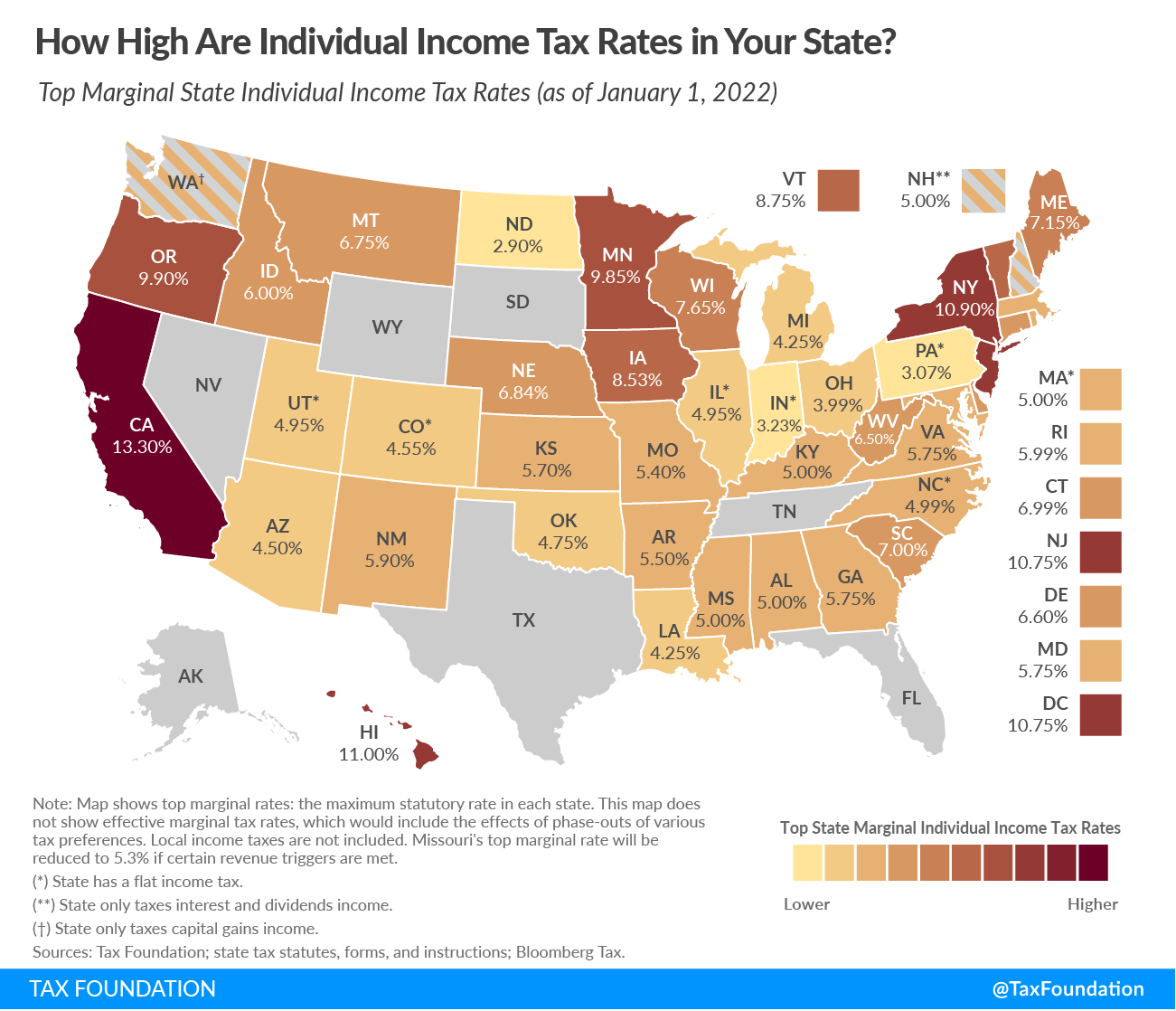
Connecticut operates on a progressive income tax system, meaning that higher earners pay a larger percentage of their income in taxes. This approach aims to distribute the tax burden more equitably across different income brackets. For individuals and families contemplating residency or business ventures in the state, delving into the specifics of this system is crucial for informed decision-making and robust financial planning. Beyond just income tax, a holistic view of Connecticut’s fiscal environment—including property taxes, sales taxes, and various credits and deductions—is essential for truly understanding the economic fabric that underpins life in the state.
Understanding Connecticut’s Income Tax Landscape
Connecticut’s journey to implementing a state income tax is relatively recent compared to many other states, having been introduced in 1991. Before that, the state relied heavily on sales and property taxes. The transition was a significant policy shift, aiming to stabilize state revenues and address budgetary challenges. Today, the income tax is a cornerstone of Connecticut’s fiscal policy, directly impacting the Lifestyle choices and financial capacity of its diverse population, from young professionals in Stamford to retirees enjoying the tranquility of the Connecticut shoreline.
A Progressive Tax System
Connecticut’s income tax system is progressive, featuring multiple tax brackets with varying rates. This means that as an individual’s taxable income increases, a larger portion of that income is taxed at a higher rate. This structure is designed to be more equitable, with those who earn more contributing a higher percentage of their income to state coffers. Understanding these brackets is vital for anyone planning their finances or considering a move to a Connecticut city like Hartford or New Haven.
Currently, the tax rates range from a low of 2% to a top rate of 6.99%. The specific income thresholds for each bracket are subject to change by legislative action and are adjusted for filing status (single, married filing jointly, head of household). For instance, a portion of income for a single filer might be taxed at 3%, while income exceeding a certain threshold moves into a 5% bracket, and so on, up to the highest rate. This multi-tiered system requires careful consideration, especially for high-income earners or those with complex financial portfolios, as it directly influences their take-home pay and overall financial Lifestyle. Taxable income in Connecticut generally includes wages, salaries, dividends, interest, and capital gains, with certain adjustments and deductions available.
Who is Subject to Connecticut Income Tax?
Determining who is subject to Connecticut’s income tax isn’t always straightforward and depends primarily on residency status and the source of income. This distinction is critical for residents, non-residents, and those who split their time between Connecticut and another state. The rules are designed to ensure fairness while capturing tax revenue from economic activity within the state’s borders.
-
Residents: Generally, if you are domiciled in Connecticut (meaning it’s your permanent home) or if you spend more than 183 days in the state during a tax year and maintain a permanent place of abode, you are considered a resident. Connecticut residents are taxed on all of their income, regardless of where it was earned. This comprehensive taxation means that income from a job in New York City or investments anywhere in the world would be subject to Connecticut state income tax for a Connecticut resident. However, Connecticut offers a credit for income taxes paid to other states, preventing double taxation—a crucial consideration for those with interstate employment.
-
Non-Residents: Non-residents are individuals who do not meet the residency criteria but earn income from Connecticut sources. This typically includes wages earned for work performed in Connecticut, income from a business or profession carried on in the state, or gains from the sale of Connecticut real property. For example, an individual living in Massachusetts but commuting to Hartford for work would be subject to Connecticut income tax on the income earned from their Connecticut employment. They would only be taxed on their Connecticut-sourced income, not their entire global income.
-
Part-Year Residents: This category applies to individuals who either move into or out of Connecticut during the tax year. Their tax liability is prorated based on the portion of the year they were considered a Connecticut resident and any Connecticut-sourced income earned during their non-resident period. Navigating part-year residency rules can be complex, often requiring meticulous record-keeping and a clear understanding of the move-in/move-out dates and intentions. This nuance highlights the importance of professional advice for those undergoing significant Lifestyle changes like relocation.
Beyond Income Tax: A Broader Look at Connecticut’s Tax Environment
While the state income tax is a major component, it’s just one piece of the larger tax puzzle in Connecticut. A truly comprehensive understanding of the state’s financial environment—essential for any Lifestyle assessment—requires examining other significant taxes, particularly property taxes and sales taxes, which can collectively represent a substantial portion of an individual’s annual expenses.
Property Taxes: A Significant Factor
Connecticut is well-known for having some of the highest property taxes in the United States. This is a critical factor for anyone considering homeownership in the state, as property taxes can significantly impact the overall cost of living and housing affordability. Unlike many states where property taxes are assessed at the county level, in Connecticut, they are primarily levied by local municipalities, such as towns and cities like New Haven or Greenwich.
The amount of property tax paid depends on two main factors: the assessed value of the property and the “mill rate” set by the local municipality. The assessed value is typically 70% of the property’s appraised market value. A “mill rate” is the tax per $1,000 of assessed value. For example, a mill rate of 30 means a tax of $30 for every $1,000 of assessed value. These rates can vary dramatically from one town to another, reflecting local spending on schools, infrastructure, and public services. Consequently, choosing where to live within Connecticut can have a profound impact on one’s monthly budget and overall financial Lifestyle. High property taxes often mean excellent local services and schools, but they also demand a significant financial commitment from homeowners.
Sales Tax and Other Consumption Taxes
Connecticut also imposes a state sales tax on the sale of most goods and certain services. The standard sales tax rate is 6.35%. This tax applies to a wide array of purchases, from everyday groceries (with some exemptions for staple foods) to clothing, electronics, and restaurant meals. For consumers, understanding the sales tax is crucial for budgeting and managing daily expenses, as it adds a percentage to nearly every transaction.
Beyond the standard sales tax, Connecticut levies specific taxes on certain goods and services. For instance, there’s a higher sales tax rate on certain luxury items, specific rates for motor vehicles, and excise taxes on products like gasoline, tobacco, and alcoholic beverages. There are also local taxes that might apply to hotel stays or other specific services in certain municipalities. These consumption taxes, while often less noticeable than income or property taxes in isolation, collectively contribute to the overall tax burden and should be factored into a comprehensive financial Lifestyle assessment.
Estate and Gift Taxes

For those with significant assets and long-term financial planning goals, Connecticut’s estate and gift taxes are important considerations. Connecticut is one of the few states that imposes both a state estate tax and a state gift tax. The estate tax applies to the value of a deceased person’s estate exceeding a certain exemption amount, which is periodically adjusted. The gift tax applies to gifts made during a person’s lifetime that exceed a specific annual exemption amount.
These taxes are particularly relevant for high-net-worth individuals and families engaged in wealth transfer planning. Understanding these provisions is vital for creating effective wills, trusts, and other estate planning instruments to minimize tax liabilities and ensure assets are distributed according to one’s wishes. For those planning their legacy or managing substantial family wealth, these taxes play a critical role in shaping their long-term financial Lifestyle and intergenerational wealth transfer strategies.
Impact on Lifestyle and Financial Planning in Connecticut
The cumulative effect of Connecticut’s income tax, high property taxes, and sales tax has a profound impact on the cost of living and financial planning for individuals and families. This complex tax environment influences decisions ranging from where to live, where to work, and how to save for retirement.
Cost of Living and Budgeting Considerations
When evaluating the cost of living in Connecticut, it’s essential to look beyond housing prices and consider the total tax burden. The combination of a progressive state income tax and among the highest property taxes in the nation means that a significant portion of an individual’s income and wealth goes towards taxes. This often translates to a higher overall cost of living compared to states with lower tax burdens or no income tax.
For example, a family considering moving to Fairfield County might find excellent schools and vibrant communities, but they must also factor in potentially high property tax bills alongside their state income tax obligations. Budgeting in Connecticut therefore requires a keen awareness of these recurring costs. It impacts disposable income, the ability to save, and discretionary spending—all key elements of one’s desired Lifestyle. Financial planning in Connecticut must realistically account for these tax liabilities to avoid unexpected strains on a household budget.
Retirement and Investment Implications
For retirees or those planning for retirement, Connecticut’s tax policies present both challenges and opportunities. On one hand, the state provides certain exemptions for retirement income. For instance, Social Security benefits are fully exempt from state income tax for most taxpayers, depending on their adjusted gross income. A portion of pension and annuity income may also be exempt for qualifying individuals. These exemptions can provide some relief for seniors on fixed incomes, making Connecticut a potentially viable option for retirement, especially in towns like Madison or Westport known for their amenities and community spirit.
On the other hand, for those with substantial investment portfolios, investment income (like dividends and capital gains) is generally subject to the state’s progressive income tax rates, similar to other forms of income. This can impact the after-tax returns on investments and requires careful tax-efficient investment planning. The presence of state estate and gift taxes also means that wealth transfer strategies are crucial for retirees looking to leave a legacy. Financial advisors often specialize in helping retirees navigate Connecticut’s specific tax rules to optimize their Lifestyle and preserve their assets.
Business and Economic Climate
Connecticut’s tax structure also influences its business and economic climate. For entrepreneurs, small businesses, and corporations considering relocation, the state’s tax environment is a critical factor. While the state offers a highly educated workforce, strategic location between Boston and New York City, and a strong quality of life, the tax rates on personal income can affect employee recruitment and retention, especially for high earners.
Corporate income tax rates, property taxes on commercial real estate, and various business-specific taxes contribute to the overall cost of doing business in Connecticut. The state often offers tax incentives and credits for businesses that create jobs or invest in specific industries or distressed areas to offset some of these costs and encourage economic development. However, for many businesses, the total tax burden is a significant line item, impacting profitability and growth potential. Understanding these dynamics is essential for business owners and executives to make informed strategic decisions that support their company’s financial health and contribute to the broader economic Lifestyle of the state.
Navigating Connecticut’s Tax Code: Tips for Residents and Newcomers
Successfully navigating Connecticut’s tax code requires diligence, attention to detail, and often, professional assistance. Whether you are a long-time resident or contemplating a move to a new community like Greenwich or Mystic, understanding how to optimize your tax situation can significantly enhance your financial Lifestyle.
Utilizing Deductions and Credits
Connecticut’s tax code, while complex, does offer various deductions and credits that can reduce an individual’s taxable income or direct tax liability. Being aware of and effectively utilizing these provisions is key to minimizing your tax burden.
One notable credit is the Connecticut Property Tax Credit, which allows eligible taxpayers to claim a credit against their state income tax for a portion of the property taxes they paid on their primary residence or motor vehicle. Eligibility and the maximum credit amount are often tied to income levels and filing status. Other deductions may include contributions to Connecticut’s higher education trust (CHET) or certain medical expenses. For those with dependent children, there may be specific child tax credits or other family-related tax benefits. Staying informed about these deductions and credits, which can change annually with legislative updates, is crucial for effective tax planning and maintaining a healthy financial Lifestyle.

Professional Guidance and Resources
Given the intricacies of Connecticut’s tax laws, especially concerning residency, part-year residency, and various exemptions, seeking professional guidance is highly recommended. A qualified tax advisor or certified public accountant (CPA) who specializes in Connecticut tax law can provide personalized advice tailored to your specific financial situation. They can help you understand your obligations, identify all eligible deductions and credits, and ensure compliance with state regulations. This is particularly valuable for those with complex income sources, multiple residences, or significant assets.
Additionally, the Connecticut Department of Revenue Services (DRS) website is an invaluable resource. It offers official forms, publications, FAQs, and detailed guidance on all state taxes, including income, property, and sales taxes. Utilizing these official resources can help residents stay informed about current tax rates, filing requirements, and any legislative changes that might impact their tax obligations. Proactive engagement with these resources and professional advice can empower individuals to manage their financial Lifestyle in Connecticut effectively and confidently.
In conclusion, Connecticut does indeed have a state income tax, characterized by a progressive rate structure. However, understanding the financial Lifestyle implications in Connecticut goes far beyond just income tax. The state’s notoriously high property taxes, alongside sales and other consumption taxes, create a comprehensive tax environment that demands careful consideration. While the tax burden can be substantial, Connecticut offers a high quality of life, robust public services, and specific exemptions that can benefit certain groups, such as retirees. For anyone making Lifestyle decisions related to living, working, or investing in Connecticut, a thorough understanding of its entire tax landscape, often aided by professional tax advice, is indispensable for sound financial planning and peace of mind.
LifeOutOfTheBox is a participant in the Amazon Services LLC Associates Program, an affiliate advertising program designed to provide a means for sites to earn advertising fees by advertising and linking to Amazon.com. Amazon, the Amazon logo, AmazonSupply, and the AmazonSupply logo are trademarks of Amazon.com, Inc. or its affiliates. As an Amazon Associate we earn affiliate commissions from qualifying purchases.