
Connecticut, a state renowned for its charming New England towns, picturesque coastline, and vibrant cultural scene, offers a rich experience for both residents and visitors. From exploring historic landmarks to indulging in local culinary delights, the state prides itself on quality and authenticity. However, like any popular destination, Connecticut is not immune to the challenges posed by counterfeit products, including fake tobacco. While perhaps not immediately associated with tourism, the integrity of consumer goods contributes significantly to the overall perception of safety, trustworthiness, and quality that visitors and locals expect. Encountering fake products, particularly those with health implications, can detract from an otherwise positive experience. This guide provides comprehensive information on how to identify and report fake tobacco products in Connecticut, ensuring consumer protection and upholding the state’s commitment to safety and quality.
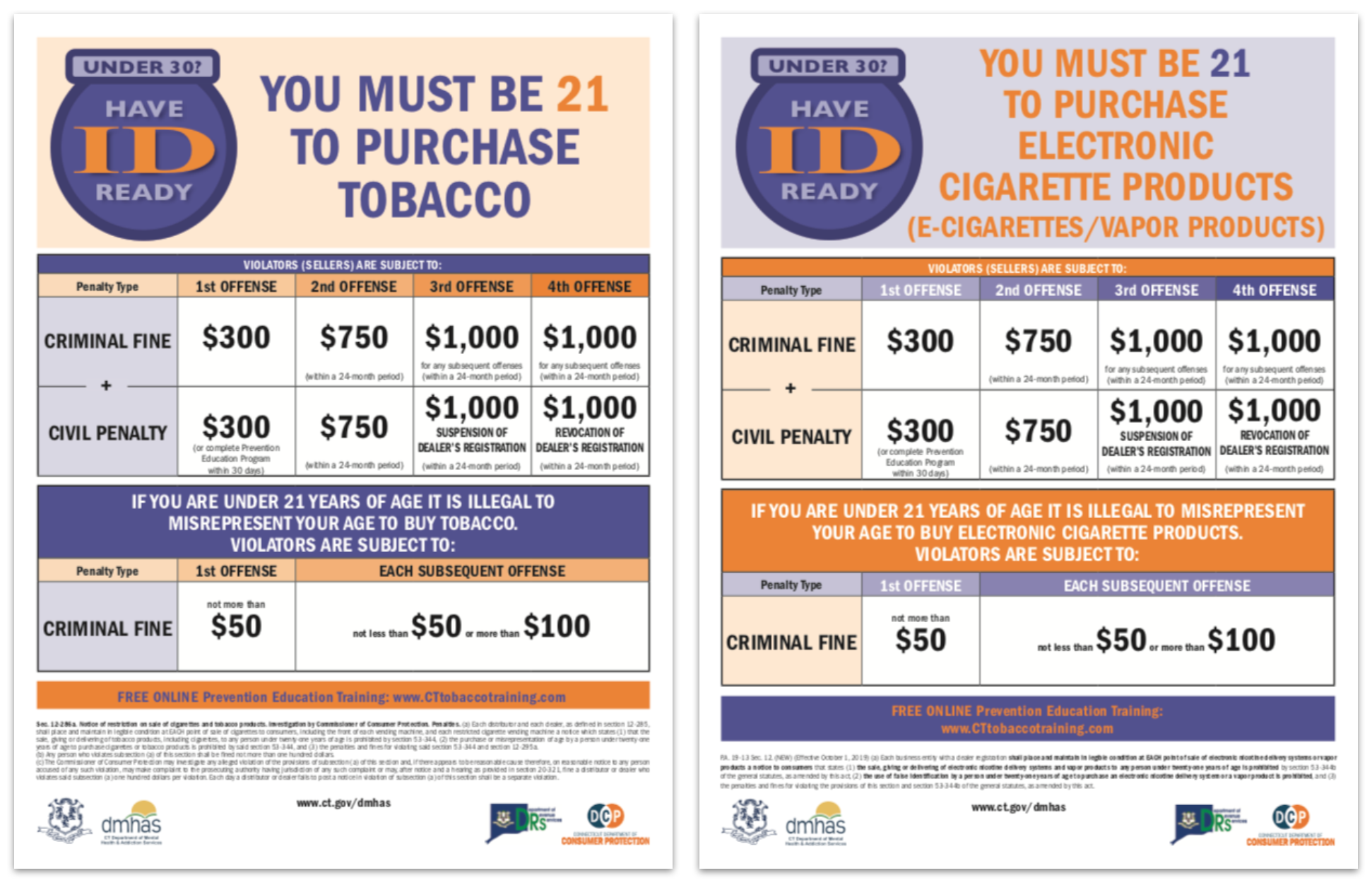
Understanding the Threat of Counterfeit Tobacco
Counterfeit tobacco products are a serious global issue, and their presence in local markets, including Connecticut, poses significant risks. These fake products are not merely unauthorized copies; they often contain unknown and harmful ingredients, bypassing strict regulatory oversight and impacting public health and safety.
Why Fake Products Are a Concern
The primary concern with fake tobacco products stems from their unregulated nature. Legitimate tobacco products are subject to rigorous testing, manufacturing standards, and labeling requirements enforced by federal and state agencies. Counterfeit versions, however, are produced without any such oversight. This means their contents can be highly variable and dangerous. They might contain excessive levels of nicotine, tar, or heavy metals, and sometimes even non-tobacco materials like sawdust, plastic, or contaminants such as mold or insect fragments. For individuals unknowingly consuming these products, the health risks are considerably amplified compared to legitimate, regulated tobacco.
Beyond the immediate health hazards, counterfeit tobacco products also contribute to organized crime, undermine legitimate businesses, and deprive state and federal governments of crucial tax revenue. For tourists, an encounter with such illicit goods can quickly sour their perception of a destination, impacting its reputation for safety and consumer protection. For residents, it’s an ongoing threat to public health and economic stability.
Spotting the Signs of Counterfeit Tobacco
Identifying fake tobacco products can be challenging, as counterfeiters often strive to replicate genuine branding as closely as possible. However, several tell-tale signs can help consumers distinguish between authentic and fraudulent items:
- Unusually Low Price: If a deal seems too good to be true, it often is. Counterfeit products are typically sold at significantly lower prices than genuine items because they bypass taxes and use cheap materials.
- Poor Packaging Quality: Look for inconsistencies in packaging. This could include blurred printing, misspellings, incorrect logos, flimsy packaging materials, or seals that appear tampered with or poorly applied.
- Inconsistent Branding: Slight variations in color, font, or placement of brand elements can indicate a fake. Authentic products maintain strict brand consistency.
- Lack of Official Markings: Genuine tobacco products carry specific tax stamps, health warnings, and manufacturer information required by law. Counterfeits may lack these, or display poorly replicated versions.
- Unusual Taste or Smell: If the product tastes or smells different from what you expect from a familiar brand, it’s a red flag. This often points to inferior ingredients or different chemical compositions.
- Absence of Required Information: Check for manufacturing dates, batch numbers, and health warnings. Counterfeit products may omit this vital information or provide incomplete details.
- Suspicious Point of Sale: While fake products can unfortunately appear anywhere, be particularly wary of purchases made from unlicensed vendors, temporary stalls, or online sources with questionable reputations.
Vigilance is key. By paying attention to these details, consumers can better protect themselves and contribute to the effort to curb the spread of counterfeit goods.
The Impact on Connecticut’s Economy and Tourism
The proliferation of fake tobacco products has ripple effects that extend far beyond individual health concerns, significantly impacting Connecticut’s economic stability and its appeal as a tourist destination.
Financial Losses and Public Health Risks
Economically, counterfeit tobacco represents a substantial loss of revenue for Connecticut. Sales of legitimate tobacco products are subject to state and federal excise taxes, which fund critical public services. When consumers purchase fake products, these taxes are bypassed, leading to reduced funding for infrastructure, education, and healthcare programs within the state. Legitimate businesses also suffer, facing unfair competition from illicit traders who operate without the overhead of taxes and regulatory compliance. This can lead to job losses, reduced investment, and a general erosion of the legal market.
From a public health standpoint, the risks are compounded. The lack of quality control in counterfeit products not only exposes users to unknown hazardous substances but also complicates public health monitoring and intervention efforts. If fake products lead to increased health issues, this places additional strain on the state’s healthcare system, ultimately costing taxpayers more.
Maintaining Consumer Trust for Visitors
For a state like [Connecticut](https://lifeoutofthebox.com/connecticut], which relies significantly on its tourism sector, maintaining consumer trust is paramount. Tourists visit Connecticut expecting a certain standard of quality, safety, and authenticity. An encounter with counterfeit goods can severely damage this expectation. If visitors feel that the market is unsafe or unregulated, it can deter future visits and negatively impact word-of-mouth recommendations, which are crucial for the tourism industry.
Ensuring that legitimate products are readily available and that channels for reporting illicit goods are clear and effective reinforces the state’s commitment to consumer protection. This commitment helps build a reputation as a safe and reliable destination, fostering repeat tourism and supporting the local businesses that cater to visitors. By actively addressing the issue of fake tobacco, Connecticut demonstrates its dedication to upholding high standards for everyone within its borders.
Official Channels for Reporting in Connecticut
When you encounter a suspicious tobacco product, knowing the correct reporting channels is crucial for ensuring that appropriate action is taken. In Connecticut, a combination of state and federal agencies are involved in combating counterfeit tobacco.
Connecticut Department of Consumer Protection (DCP)
The primary state agency for consumer complaints in Connecticut is the Connecticut Department of Consumer Protection (DCP). The DCP is responsible for ensuring the health and safety of consumers by regulating various trades, businesses, and products sold within the state. This includes tobacco products.
If you suspect you have purchased or encountered fake tobacco products, you should contact the Connecticut Department of Consumer Protection. They have a dedicated complaint center designed to receive and investigate consumer complaints. When filing a complaint, it’s important to provide as much detail as possible, including:
- The name and address of the retailer where the product was purchased.
- The brand and type of tobacco product.
- Specific reasons for suspicion (e.g., unusual packaging, taste, price).
- Any receipts or packaging as evidence.
- Your contact information for follow-up.

The DCP will review your complaint and, if warranted, initiate an investigation, which may include inspecting the retailer and testing the suspicious products.
Engaging with Federal Agencies: FDA and TTB
In addition to state agencies, several federal bodies also play a critical role in regulating tobacco products and combating counterfeiting. These agencies work in cooperation with state authorities and can be invaluable resources.
The Food and Drug Administration (FDA) has broad authority over tobacco products, including their manufacturing, marketing, and distribution. The Food and Drug Administration operates a reporting portal for tobacco product violations. If you believe a tobacco product is counterfeit or otherwise violates federal regulations, you can submit a report directly to the Food and Drug Administration. They are particularly interested in products that pose health risks or are marketed deceptively.
The Alcohol and Tobacco Tax and Trade Bureau (TTB) is another crucial federal agency. The Alcohol and Tobacco Tax and Trade Bureau is responsible for enforcing laws related to alcohol, tobacco, firearms, and ammunition, particularly concerning taxation and trade practices. Counterfeit tobacco products often bypass federal excise taxes, making them a direct concern for the Alcohol and Tobacco Tax and Trade Bureau. You can report suspicious activity related to illegal tobacco trade or untaxed products directly to the Alcohol and Tobacco Tax and Trade Bureau, which helps them investigate illicit manufacturing and distribution networks.
By utilizing both state and federal channels, consumers can maximize the impact of their reports and contribute to a more robust enforcement effort against counterfeit tobacco.
The Reporting Process: What to Expect
Once you’ve decided to report a fake tobacco product, understanding the steps involved and what happens afterward can help you navigate the process effectively.
Gathering Essential Information
Before contacting any agency, take a moment to collect all relevant details. The more information you can provide, the more efficient and effective the investigation can be. Key pieces of information include:
- Product Details: Brand name, type of tobacco product (e.g., cigarettes, cigars, chewing tobacco), any batch numbers, manufacturing codes, or unique identifiers on the packaging.
- Purchase Information: Exact date, time, and location of purchase (store name and address). If you have a receipt, keep it safe.
- Reasons for Suspicion: Clearly articulate why you believe the product is fake. Reference specific signs like poor packaging, unusual taste, or incorrect markings.
- Evidence: Take clear photographs of the product, its packaging, and any suspicious elements. If possible, safely store the actual product and packaging as agencies may request them for testing. Do not use the product once you suspect it is fake.
- Your Contact Information: Provide your name, phone number, and email address so investigators can reach you for further details or updates.
When contacting the Connecticut Department of Consumer Protection, the Food and Drug Administration, or the Alcohol and Tobacco Tax and Trade Bureau, be prepared to calmly and clearly relay this information.
After You Report: Investigation and Action
After you submit your report, it will be reviewed by the relevant agency. The timeline for an investigation can vary significantly depending on the complexity of the case and the volume of complaints. Here’s what you can generally expect:
- Initial Assessment: The agency will first assess the information you provided to determine its credibility and whether it falls within their jurisdiction.
- Investigation: If the complaint warrants it, an investigation will be launched. This might involve agency inspectors visiting the retailer, purchasing samples of the suspected products for laboratory testing, and reviewing the retailer’s licensing and purchasing records.
- Enforcement Actions: If the investigation confirms that counterfeit products are being sold, the agency can take various enforcement actions. These may include issuing warnings, fines, seizure of illicit products, suspension or revocation of business licenses, and even criminal prosecution in severe cases, particularly if organized crime is involved.
- Confidentiality: Most agencies handle consumer complaints with a degree of confidentiality. While your identity might be kept private during the initial stages, be aware that if the case proceeds to legal action, your testimony might eventually be required.
- No Direct Updates (Often): Due to the sensitive nature of investigations, you may not receive continuous updates on the progress of your specific report. However, your contribution is vital, even if you don’t see immediate public action.
Reporting fake tobacco products is a public service that helps protect other consumers and ensures the integrity of the market in Connecticut.
Preventing Future Encounters and Promoting Awareness
Beyond reporting, proactive steps can be taken by both consumers and businesses to reduce the prevalence of fake tobacco products and safeguard the consumer environment in Connecticut.
Tips for Consumers and Retailers
For Consumers:
- Buy from Reputable Sources: Always purchase tobacco products from established, licensed retailers who have a reputation for selling genuine goods. Avoid street vendors, flea markets, or unverified online sellers.
- Be Skeptical of Bargains: If a price seems unusually low, question its authenticity. Genuine products have a certain market value, influenced by manufacturing costs and taxes.
- Inspect Before Buying: Briefly check the packaging for any of the signs of counterfeiting mentioned earlier (e.g., poor print quality, misspellings).
- Educate Yourself: Stay informed about common counterfeit brands or trends that may emerge in the market.
For Retailers:
- Source from Authorized Distributors: Only purchase tobacco products from authorized and reputable wholesalers and distributors. Maintaining a clear supply chain helps ensure authenticity.
- Verify Documentation: Request and verify certificates of authenticity or origin for tobacco products, especially when dealing with new suppliers.
- Train Staff: Educate employees on how to identify counterfeit products and the importance of reporting suspicious goods.
- Maintain Records: Keep thorough records of purchases and sales to demonstrate compliance and assist in investigations if issues arise.
- Report Suspicious Suppliers: If a supplier offers unusually low prices or products with questionable origins, report them to the Connecticut Department of Consumer Protection or other relevant authorities.
Supporting Authentic Businesses in Connecticut
By choosing to purchase from legitimate, licensed businesses, consumers directly support the local economy, fair trade practices, and the state’s tax base. This not only discourages the illicit trade of fake products but also fosters a transparent and trustworthy retail environment. For tourists, this means a more reliable and enjoyable shopping experience, free from the worries of unsafe or fraudulent purchases.
Connecticut strives to provide a safe and authentic experience for everyone, whether they are visiting for a weekend getaway or calling it home. The collective effort of vigilant consumers and responsible retailers, supported by diligent regulatory agencies, is essential in combating counterfeit tobacco products. By understanding how to identify and report fake goods, individuals contribute significantly to maintaining the high standards of safety, quality, and integrity that define the state.
LifeOutOfTheBox is a participant in the Amazon Services LLC Associates Program, an affiliate advertising program designed to provide a means for sites to earn advertising fees by advertising and linking to Amazon.com. Amazon, the Amazon logo, AmazonSupply, and the AmazonSupply logo are trademarks of Amazon.com, Inc. or its affiliates. As an Amazon Associate we earn affiliate commissions from qualifying purchases.