
Embarking on a journey to a new destination always involves a myriad of preparations, from mapping out must-see attractions to reserving the perfect accommodation. Yet, amidst the excitement of planning, one crucial detail often overlooked until the last minute is understanding the local time zone. For travelers eyeing the picturesque landscapes, historic towns, and vibrant cities of Connecticut, knowing its temporal coordinates is more than just a trivial fact; it’s a fundamental aspect of ensuring a seamless and stress-free travel experience. From coordinating flight arrivals to scheduling museum visits and connecting with loved ones back home, the clock dictates much of our daily rhythm. This comprehensive guide delves into Connecticut’s time zone, unraveling its intricacies and offering practical advice to help you synchronize with the pulse of the Nutmeg State as part of your broader travel itinerary.

Unveiling Connecticut’s Temporal Coordinates
Connecticut, a charming state nestled in the heart of New England, operates within a time zone common to a significant portion of the Eastern United States. Understanding this standard and how it adapts throughout the year is the first step toward a well-planned visit.
Eastern Time Zone (ET): The Standard
At its core, Connecticut observes the Eastern Time Zone (ET). This is the standard time during the colder months, specifically from early November to mid-March. The Eastern Time Zone is officially designated as UTC-5, meaning it is five hours behind Coordinated Universal Time (UTC). UTC is the primary time standard by which the world regulates clocks and time. Think of it as the world’s time anchor, and Connecticut’s standard time is five hours earlier than that anchor.
This time zone is shared by a broad swath of states along the Atlantic coast and inland, including major hubs like New York City, Boston, Washington D.C., and Miami. For travelers coming from states within the Eastern Time Zone, this means no time adjustment is necessary, simplifying travel logistics considerably. However, for those arriving from the Central, Mountain, or Pacific Time Zones, or indeed from international destinations, a significant time shift will be encountered.
Navigating Daylight Saving Time in Connecticut
Adding a layer of complexity to the standard time is the observance of Daylight Saving Time (DST). Like most of the United States, Connecticut participates in DST, which typically begins on the second Sunday in March and concludes on the first Sunday in November. During this period, clocks are advanced by one hour, effectively moving the state from Eastern Standard Time (EST) to Eastern Daylight Time (EDT).
When Daylight Saving Time is in effect, Connecticut’s time zone becomes UTC-4. This “spring forward” adjustment means the state enjoys an hour more of daylight in the evenings, a welcome change for many residents and tourists looking to extend their outdoor activities. Conversely, when DST ends in the fall, clocks “fall back” by one hour, returning to Eastern Standard Time (UTC-5), restoring earlier sunrises. For travelers, being aware of these transitions is paramount, especially if your travel dates coincide with the start or end of Daylight Saving Time, as it can affect flight times, appointment schedules, and even how you perceive local operating hours.
Why Time Zones Matter for Your Connecticut Adventure
Understanding Connecticut’s time zone is not merely academic; it has tangible implications for virtually every aspect of your travel experience. From the moment you begin planning to the final leg of your journey, time synchronization plays a critical role.
Seamless Travel Planning and Logistics
The most immediate impact of time zones is on transportation and accommodation. Incorrectly calculating the time can lead to missed flights, train departures, or crucial appointments.
- Flights and Ground Transport: Whether you’re flying into Bradley International Airport or taking an Amtrak train, all schedules will be listed in local Connecticut time. If you’re traveling from a different time zone, failing to adjust your internal clock or device can result in arriving too late for your departure or missing a connection. For example, a flight departing at 9 AM local time in Los Angeles will translate to a 12 PM departure in Connecticut, but its arrival might be at 8 PM Connecticut time due to the time difference and flight duration.
- Hotel Check-in/Check-out: Hotels typically have strict check-in and check-out times. Arriving too early or too late without prior arrangement can impact your stay, potentially incurring extra fees or causing delays. Knowing the local time helps you plan your arrival at the hotel perfectly.
- Booking Tours and Attractions: Many popular Connecticut attractions, such as the Mystic Seaport Museum, Gillette Castle State Park, or Yale University tours, operate on timed entry or specific schedules. When booking online, the times displayed will be in Connecticut local time. Ensuring you convert correctly for your home time zone prevents confusion and ensures you don’t miss out on planned activities.
Communication Across Distances
In today’s interconnected world, staying in touch with family, friends, or colleagues is often a priority, even when traveling. Time zones significantly influence this.
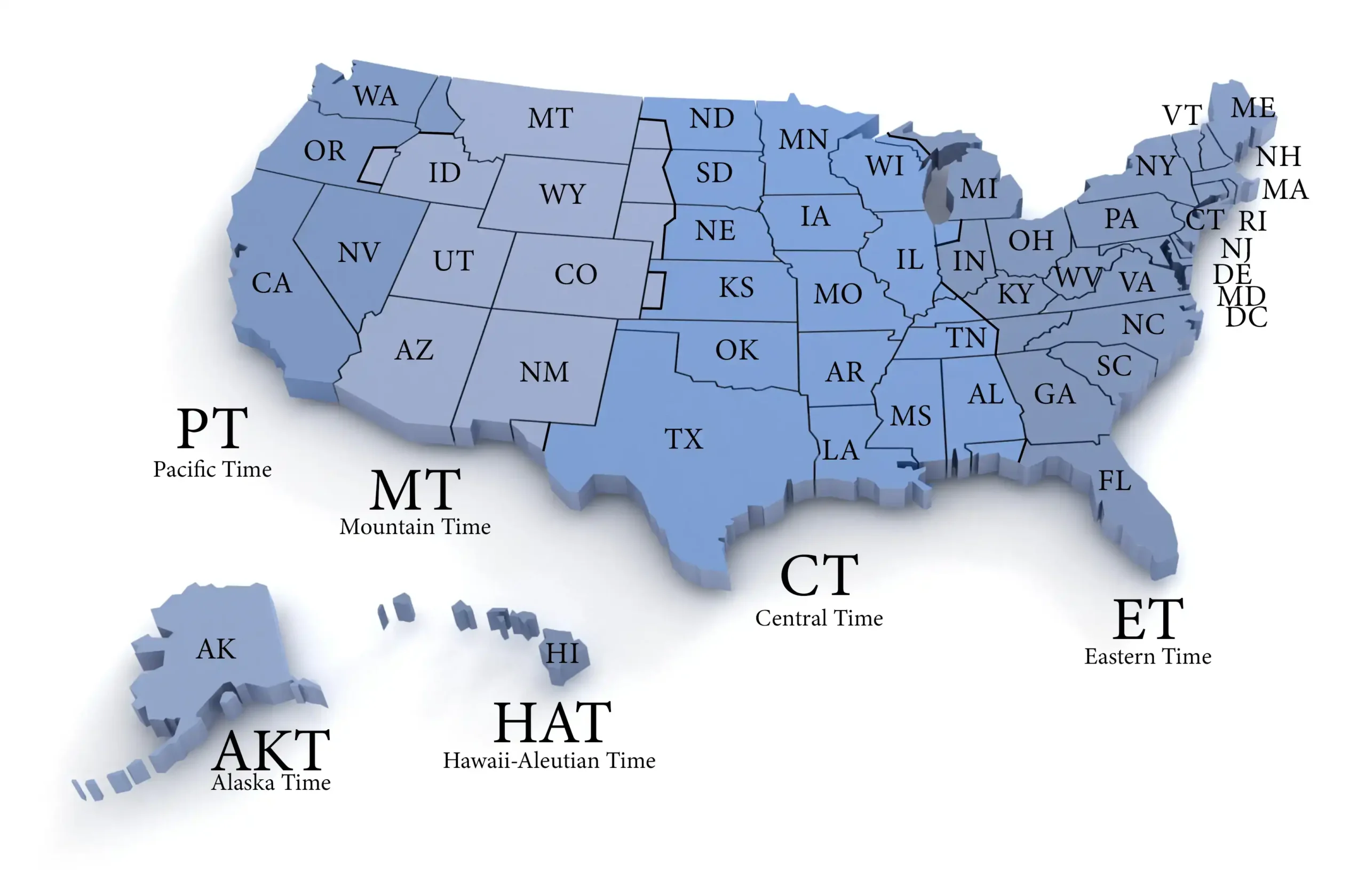
- Coordinating with Loved Ones: If your family or friends are in a different time zone, understanding the difference is crucial for scheduling calls or video chats. A mid-afternoon call for you in Connecticut might be late evening or even the middle of the night for someone on the West Coast or overseas, leading to inconvenience or missed connections.
- Business Travelers: For those on a business trip to Connecticut, time zone awareness is paramount. Scheduling virtual meetings with colleagues in other parts of the world requires meticulous planning to avoid conflicts. Missing an important conference call due to a time zone miscalculation can have significant professional repercussions.
Embracing Local Rhythms
To truly immerse yourself in the local culture and experience Connecticut authentically, aligning with its temporal rhythm is key.
- Understanding Opening Hours: Restaurants, shops, museums, and other establishments publish their operating hours in local time. Knowing the time zone ensures you arrive during business hours, avoiding disappointment. Imagine planning to visit a charming antique shop in Kent or enjoy a lobster roll by the coast in Mystic only to find it closed because your internal clock was an hour off.
- Attending Events and Performances: Connecticut boasts a vibrant arts and culture scene, with theaters, concert halls, and community events year-round. Ticketed events will always adhere to the local time, and showing up at the wrong hour means missing the show or a significant portion of it.
Practical Tips for Time Zone Acclimation
Adjusting to a new time zone, especially when crossing multiple zones, can be challenging. However, with a few strategic preparations and mindful practices, you can minimize the effects of jet lag and maximize your enjoyment of Connecticut.
Before You Go: Preparation is Key
A little foresight can go a long way in making your transition smoother.
- Gradual Sleep Schedule Adjustment: If you’re traveling eastward, try to shift your sleep schedule earlier by an hour or so each night for a few days leading up to your trip. Conversely, if traveling westward (less common for Connecticut visitors from within the United States), shift it later.
- Update Devices: Before you even leave home, ensure your smartphone, smartwatch, and other electronic devices are set to automatically update their time zone. This simple step eliminates a common source of confusion upon arrival. Manual watches should be adjusted immediately upon landing.
- Use World Clock Apps: Install a reliable world clock app on your phone. This allows you to easily compare Connecticut time with your home time zone at a glance, aiding in scheduling calls or understanding arrival times.
During Your Stay: Maximizing Your Experience
Once you’ve arrived, focus on adopting local habits to quickly synchronize with Connecticut’s rhythm.
- Hydration and Light Exposure: Stay well-hydrated throughout your journey and upon arrival. Exposure to natural light during Connecticut’s daytime hours helps reset your circadian rhythm. Try to get outside in the morning sunlight as soon as possible.
- Prioritize Early Activities: On your first day or two, plan activities that are flexible and not too demanding. Gradually ease into your itinerary. If you arrive early in the day, try to stay awake until the local bedtime. If you arrive later, try to get some sleep, even if it’s not a full night.
- Flexibility and Patience: Despite your best efforts, jet lag can sometimes be unavoidable. Be patient with yourself. Don’t overschedule your first few days, allowing room for rest and spontaneous adjustments. Embrace the local pace, even if it feels a little off at first. Many travelers find a brief nap can work wonders, but try to limit it to 20-30 minutes to avoid deeper sleep cycles that can worsen jet lag.
Connecticut: Beyond the Clock
While time zones form the invisible framework for your travels, Connecticut itself offers a rich tapestry of experiences that extend far beyond mere temporal considerations. From its historic landmarks to its vibrant culinary scene, the state invites exploration and discovery.

A Glimpse into Connecticut’s Allure
Connecticut’s appeal lies in its diverse offerings, making it a captivating destination for various types of travelers. Its convenient location, nestled between New York and Boston, and bordering Rhode Island and Massachusetts, makes it an accessible and rewarding part of any New England itinerary.
Explore the maritime heritage in charming coastal towns like Mystic, home to the Mystic Seaport Museum and Mystic Aquarium. Delve into academic excellence and architectural marvels at Yale University in New Haven, or step back in time with a visit to Mark Twain House & Museum in Hartford. The rolling hills of the Litchfield Hills offer stunning fall foliage and quaint villages, while the vibrant casinos in Southeastern Connecticut provide world-class entertainment. Whether you’re seeking cultural enrichment, outdoor adventure, or simply a relaxing getaway, Connecticut has something to offer.
Ultimately, understanding that Connecticut operates on the Eastern Time Zone (or Eastern Daylight Time during DST) is a foundational piece of knowledge that underpins a successful and enjoyable trip. By integrating this awareness into your travel planning and daily activities, you ensure that your adventure in the Nutmeg State unfolds smoothly, allowing you to fully appreciate its unique charm without missing a beat. So set your watches, synchronize your plans, and prepare to discover the timeless beauty and vibrant energy of Connecticut.
LifeOutOfTheBox is a participant in the Amazon Services LLC Associates Program, an affiliate advertising program designed to provide a means for sites to earn advertising fees by advertising and linking to Amazon.com. Amazon, the Amazon logo, AmazonSupply, and the AmazonSupply logo are trademarks of Amazon.com, Inc. or its affiliates. As an Amazon Associate we earn affiliate commissions from qualifying purchases.