
Planning a trip to Connecticut, one of New England’s most charming states, involves more than just picking a destination; it requires understanding its dynamic climate. Known for its distinct four seasons, Connecticut offers a unique set of experiences throughout the year, each heavily influenced by its weather patterns. From the sun-drenched beaches along the Long Island Sound to the snow-covered peaks of its western hills, the state’s weather dictates the rhythm of travel and dictates what kind of adventures await. This comprehensive guide will delve into Connecticut’s climate, breaking down each season’s characteristics, typical activities, and essential packing tips, ensuring your visit is perfectly tailored to the forecast.

Connecticut’s Dynamic Climate: An Overview for Travelers
Connecticut falls within a humid continental climate zone, characterized by warm, often humid summers and cold, snowy winters. Its geographical position, nestled between the Atlantic Ocean and the mountainous regions to the north, contributes to significant variability, sometimes even within a single day. Travelers considering a visit should be aware that forecasts, while generally reliable, can change rapidly, making layers and adaptability key to a comfortable trip.
Geographical Influences on Weather Patterns
The state’s diverse geography plays a crucial role in its microclimates. Coastal areas, particularly around New Haven and Fairfield County, tend to experience milder winters and cooler summers due to the moderating effects of the Long Island Sound. Inland regions, including cities like Hartford and the northern parts of the state, often see more extreme temperatures – hotter in summer and colder in winter, with heavier snowfall. Elevation in Western Connecticut can also lead to cooler temperatures and increased precipitation. Understanding these regional differences is vital when planning activities, whether you’re aiming for a beach day or a hike in the hills. The presence of major river valleys, such as the Connecticut River and the Thames River, can also influence localized weather patterns, particularly regarding fog and temperature inversions.
General Climate Characteristics and Seasonal Shifts
Connecticut’s year is neatly divided into four vibrant seasons, each offering distinct charms and challenges. Spring (March-May) is a period of transition, marked by warming temperatures and increasing rainfall as the landscape awakens. Summer (June-August) brings warmth, humidity, and abundant sunshine, ideal for water activities and outdoor festivals. Autumn (September-November) is perhaps the state’s most celebrated season, famous for its brilliant fall foliage, crisp air, and moderate temperatures. Winter (December-February) transforms Connecticut into a snowy wonderland, with cold temperatures and regular snowfall, perfect for winter sports or cozy indoor escapes. Each shift brings with it a unique set of weather conditions that directly impact the traveler’s experience, from the type of clothing required to the accessibility of certain attractions. Preparing for these shifts by checking reliable weather forecasts close to your travel dates is always advisable to make the most of your Connecticut adventure.
Spring in Connecticut: Rebirth and Mild Discoveries (March – May)
Spring in Connecticut is a season of awakening, as the cold grip of winter begins to loosen and the natural world bursts back to life. For travelers, this period offers a refreshing escape, characterized by progressively warmer temperatures, blooming landscapes, and a vibrant sense of renewal. However, it’s also a time of significant weather variability, where sunny, mild days can quickly give way to cool, rainy spells.
Mild Temperatures and Awakening Nature
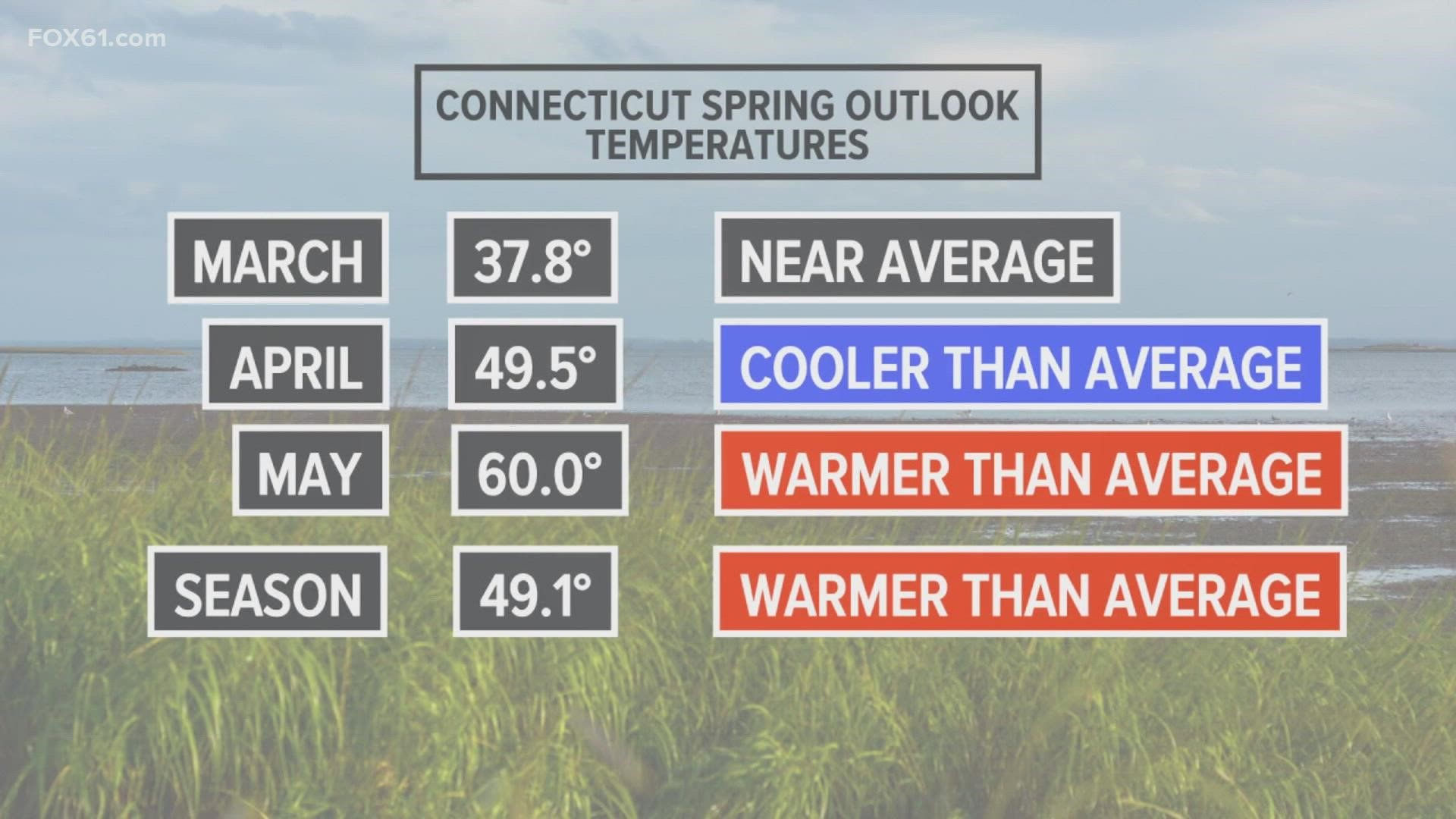
From March through May, temperatures steadily climb. Early spring can still feel quite chilly, with daytime averages in the 40s°F (4-9°C), often accompanied by lingering frosts, especially in inland areas. By late April and May, however, averages typically reach the 50s and 60s°F (10-20°C), making outdoor exploration much more comfortable. Rainfall is common throughout spring, crucial for nurturing the state’s verdant landscapes. Occasional late-season snow flurries are not unheard of in March, particularly in higher elevations or during an unseasonably cold snap, serving as a reminder of winter’s recent departure. The landscape transforms from stark branches to a palette of soft greens, dotted with the delicate blossoms of dogwood, cherry, and magnolia trees. Wildlife becomes more active, and migratory birds return, adding a lively soundtrack to the warming air. The air itself takes on a fresh, earthy scent, signaling the transition.
Activities and Attractions Amidst Spring Blooms
Spring is an excellent time for travelers who appreciate nature’s delicate beauty and a quieter pace before the summer crowds arrive. Hiking trails across the state, from the coastal paths to the trails winding through Eastern Connecticut’s forests, become accessible and beautiful, though some may still be muddy from winter thaws and spring rains. Botanical gardens and arboretums, like those in New Haven, showcase spectacular displays of spring flowers. Early festivals and events begin to emerge, celebrating everything from maple sugaring in March to various local craft fairs and food festivals later in the season. Visiting historic towns like Mystic or exploring the vibrant arts scene in Hartford can be particularly pleasant, with fewer tourists and comfortable strolling temperatures. It’s also a perfect time for birdwatching, as numerous species return or pass through the state.
Packing Essentials for Variable Spring Weather
Given spring’s unpredictable nature, layering is paramount for a comfortable trip to Connecticut during this season. Travelers should pack a mix of clothing, including long-sleeved shirts, sweaters, and light jackets. A waterproof or water-resistant outer layer is highly recommended to protect against sudden rain showers. Comfortable, waterproof walking shoes or boots are essential, especially if planning to explore trails or outdoor attractions, where muddy conditions might be encountered. An umbrella is also a wise addition. While temperatures might feel warm during the day, evenings can still be cool, so a hat and light gloves might be appreciated, particularly in early spring or in northern regions. Sunglasses are also important, as sunny days can be quite bright.
Embracing Summer’s Warmth and Sunshine (June – August)
Summer in Connecticut is synonymous with warmth, abundant sunshine, and a lively atmosphere, making it a prime time for outdoor adventures and coastal escapes. From June through August, the state basks in its most inviting weather, drawing visitors to its beaches, lakes, and myriad festivals. However, this season also brings humidity and the occasional dramatic thunderstorm, which travelers should be prepared for.
Hot and Humid Days Perfect for Outdoor Living
Connecticut summers are characterized by average daily temperatures ranging from the high 70s to mid-80s°F (24-30°C), though heatwaves pushing into the 90s°F (32°C+) are not uncommon. Humidity levels can be quite high, particularly in July and August, making the air feel thicker and warmer. While mornings and evenings often offer pleasant relief, midday sun can be intense. Thunderstorms are a regular feature of summer afternoons and evenings, often providing a dramatic light show and a temporary cool-down. These storms can bring heavy rain, strong winds, and occasional lightning, so it’s always wise to keep an eye on weather alerts, especially if engaging in outdoor activities. Despite this, the long daylight hours and overall warmth create an ideal environment for enjoying all that Connecticut has to offer.

Coastal Escapes and Vibrant Outdoor Adventures
With its extensive coastline along the Long Island Sound, Connecticut truly shines in the summer. Beaches like those at Hammonasset Beach State Park become popular destinations for swimming, sunbathing, and picnicking. Water sports, including kayaking, paddleboarding, and sailing, are abundant on both the Sound and the state’s numerous lakes and rivers. Charming coastal towns like Mystic invite exploration with their maritime history and fresh seafood. Attractions like the Mystic Seaport Museum and the Essex Steam Train offer delightful experiences under the summer sun. Inland, state parks and forests provide excellent opportunities for hiking, mountain biking, and camping. Summer is also peak festival season, with a packed calendar of outdoor concerts, food festivals, agricultural fairs, and art shows happening across the state, offering a taste of local culture and community spirit.
Essential Summer Gear for Comfort and Safety
Packing for a Connecticut summer trip means prioritizing light, breathable clothing to combat the heat and humidity. Cotton, linen, and moisture-wicking fabrics are ideal. Swimsuits are a must for anyone planning to hit the beach or take a dip. Sun protection is critical: wide-brimmed hats, sunglasses, and high-SPF sunscreen should be daily essentials. Staying hydrated is also very important, so carrying a reusable water bottle is recommended. Due to the prevalence of mosquitoes and other insects, especially in wooded areas and near water bodies during dawn and dusk, insect repellent is a highly advisable item. While sandals and open-toed shoes are great for casual wear, comfortable walking shoes are still needed for exploring towns or trails. A light jacket or cardigan might be useful for cooler evenings, especially near the coast, or for air-conditioned indoor venues.
The Splendor of Autumn Foliage (September – November)
Autumn in Connecticut is arguably its most famous and visually stunning season, drawing visitors from far and wide to witness the breathtaking transformation of its landscapes. From early September through late November, the state becomes a canvas of fiery reds, brilliant oranges, and golden yellows, set against a backdrop of crisp air and often clear, sunny skies. The weather during this period is typically ideal for outdoor exploration, making it a prime time for scenic drives and harvest festivals.
Crisp Air and Vibrant Colors Across the Landscape
As September arrives, the intense heat of summer begins to dissipate, giving way to cooler, drier air. Daytime temperatures typically range from the 60s to low 70s°F (15-23°C) in early fall, gradually dropping to the 40s and 50s°F (4-15°C) by November. Nights become distinctly cooler, bringing a refreshing crispness that invigorates the senses. The key to Connecticut’s spectacular foliage is the combination of warm, sunny days and cool, clear nights, which triggers the leaves to change color. Peak foliage generally occurs from mid-October in the northern and western parts of the state, slowly progressing southward and eastward into early November. Rainfall tends to be moderate, with occasional Indian Summer days where temperatures briefly soar before returning to autumnal norms. The air is often clean and fresh, perfect for long walks and enjoying the natural perfume of fallen leaves.
Scenic Drives and Charming Harvest Festivals
Autumn is tailor-made for travelers seeking picturesque drives and charming local experiences. Exploring the rolling hills of the Litchfield Hills region or the scenic byways of Eastern Connecticut offers unparalleled views of the vibrant foliage. Many state parks and forests, such as those surrounding Gillette Castle State Park, provide excellent hiking opportunities amidst the colorful canopy. This season is also a celebration of harvest, with countless apple orchards, pumpkin patches, and vineyards opening their doors for picking and tasting. Local farms host corn mazes, hayrides, and fall festivals, offering family-friendly fun and a taste of rural Connecticut life. Historic towns like Kent or Farmington are particularly charming with their antique shops and quaint architecture bathed in autumn hues. For those interested in cultural pursuits, many museums and galleries also offer special exhibitions.
Wardrobe for Fall Exploration and Comfort
Given the range of temperatures from early to late autumn, layering remains essential for travelers. Begin with comfortable long-sleeved shirts, adding sweaters, fleece jackets, or light down vests as the weather cools. A medium-weight, waterproof or water-resistant jacket is crucial for protection against potential rain and cooler temperatures, especially in the evenings. Comfortable, sturdy walking shoes or hiking boots are indispensable, particularly if you plan on exploring trails or visiting farms, where uneven or muddy terrain might be encountered. A warm hat and gloves might become necessary by late October or November, especially in the northern regions. Don’t forget a camera – the photographic opportunities are endless, and sunglasses are still useful for bright, clear days. The goal is to be adaptable, ready for anything from a sunny, mild afternoon to a brisk, cloudy evening.
Winter’s Charm and Snowy Serenity (December – February)
Winter in Connecticut transforms the landscape into a serene, often snow-covered wonderland, offering a different kind of charm for travelers. From December through February, the state embraces cold temperatures and significant snowfall, creating opportunities for winter sports and cozy indoor retreats. For those who appreciate crisp air, snowy vistas, and the quiet beauty of a dormant season, Connecticut in winter can be a truly magical experience.
Cold Temperatures and the Promise of Snowfall
Connecticut winters are cold, with average daytime temperatures typically hovering between the 20s and 30s°F (-6 to 4°C). Nights often dip into the teens or single digits. While extreme cold snaps are possible, temperatures rarely stay below freezing for extended periods. Snowfall is a regular occurrence, with the entire state usually experiencing several significant snowfalls throughout the season. Inland and northern regions, particularly in Western Connecticut, tend to receive heavier accumulations than coastal areas, which can sometimes see more mixed precipitation like sleet or freezing rain. Blizzards are possible, though not frequent, and can temporarily impact travel, so keeping an eye on winter storm warnings is crucial. Despite the cold, many winter days are crisp and sunny, providing beautiful conditions for enjoying the snowy scenery. Ice can be a concern on roads and walkways, especially after precipitation.
Winter Sports and Inviting Indoor Comforts
For active travelers, winter offers a host of exhilarating activities. Skiing and snowboarding are popular at resorts like Mohawk Mountain and Powder Ridge Mountain Park & Resort. Cross-country skiing and snowshoeing trails are abundant in state parks and forests once sufficient snow has fallen. Ice skating rinks, both indoor and outdoor, pop up in various towns and cities. Beyond sports, winter is also an ideal time to explore Connecticut’s rich cultural scene. Museums and galleries, such as the renowned Wadsworth Atheneum Museum of Art in Hartford or the vibrant art institutions in New Haven, offer warm, engaging diversions. Charming towns like Greenwich or Westport twinkle with holiday lights in December, and their boutiques and cozy cafes provide perfect retreats. Many historic inns and bed & breakfasts offer fireplace-warmed rooms and comforting amenities, ideal for a romantic or relaxing getaway.
Staying Warm and Safe with Appropriate Attire
Proper attire is absolutely essential for enjoying Connecticut in winter. Layering is, once again, the golden rule. Start with thermal base layers, add insulating middle layers like fleece or wool sweaters, and top it off with a heavy, waterproof and windproof winter coat. Waterproof pants, especially for those participating in snow activities, are also highly recommended. Essential accessories include a warm hat that covers the ears, insulated gloves or mittens, and a scarf. Waterproof, insulated boots with good traction are critical for navigating snowy or icy conditions, keeping feet warm and dry while preventing slips. Sunglasses are also important on bright, snowy days to protect against glare. For those driving, winter tires or chains may be necessary during heavy snow, and always ensure your vehicle is prepared for cold weather. By dressing appropriately and staying informed about weather conditions, travelers can fully embrace the serene beauty and unique experiences of a Connecticut winter.
LifeOutOfTheBox is a participant in the Amazon Services LLC Associates Program, an affiliate advertising program designed to provide a means for sites to earn advertising fees by advertising and linking to Amazon.com. Amazon, the Amazon logo, AmazonSupply, and the AmazonSupply logo are trademarks of Amazon.com, Inc. or its affiliates. As an Amazon Associate we earn affiliate commissions from qualifying purchases.