
The founding of the Connecticut Colony in the early 17th century represents a pivotal chapter in the colonial history of North America. More than just a simple expansion of English settlement, its establishment was driven by a complex interplay of religious dissent, the pursuit of political autonomy, and the promise of economic prosperity. Understanding the genesis of Connecticut is to grasp a foundational story of American identity, marked by groundbreaking strides in self-governance and an enduring spirit of independence. This colony, eventually becoming a state, was not merely a geographical entity but a landmark in democratic thought and a testament to the aspirations of its pioneering settlers.

The Quest for Religious and Political Autonomy
At the heart of the Connecticut Colony’s formation was a deep-seated desire among its founders to escape the perceived rigidities and limitations of the Massachusetts Bay Colony. While Massachusetts itself was founded on principles of religious freedom for Puritans, its leaders soon established a system that many felt was becoming increasingly intolerant and exclusive.
Dissent from Massachusetts Bay
By the mid-1630s, a significant faction within the Massachusetts Bay Colony grew restless. These individuals, mostly Puritans themselves, felt that the colony’s government, dominated by a select group of clergy and magistrates, was too centralized and autocratic. They yearned for a society where church membership was not a prerequisite for political participation and where power was more broadly distributed among the freemen. This wasn’t merely a theological disagreement but a profound debate about the very nature of civil society and individual rights within a religious community. The strict enforcement of religious conformity and the limited franchise in Massachusetts spurred many to seek new horizons where their ideals of governance could be more fully realized.
The Role of Thomas Hooker
Among the most influential figures advocating for this migration was Reverend Thomas Hooker. A prominent Puritan minister, Hooker arrived in Massachusetts in 1633 and soon became a leading voice for greater democratic principles. He believed passionately that “the foundation of authority is laid in the free consent of the people,” a revolutionary idea for his time. Unlike many of his contemporaries who saw government as divinely ordained and top-down, Hooker championed the concept of popular sovereignty. In 1636, he led a congregation of about 100 followers, including many prominent families from Newtown (now Cambridge), on an arduous overland journey through the wilderness to the fertile Connecticut River Valley. Their trek marked not just a physical migration but a philosophical departure, laying the groundwork for a new political experiment. Hooker’s sermons and writings profoundly influenced the drafting of the Fundamental Orders of Connecticut, often considered the first written constitution in North America.
Economic Opportunities and Fertile Lands
While religious and political motivations were paramount, the promise of economic prosperity and access to abundant natural resources also played a significant role in drawing settlers to the Connecticut River Valley. The existing settlements in Massachusetts were experiencing a population boom, leading to land scarcity and increased competition for resources.
The Allure of the Connecticut River Valley
The Connecticut River Valley presented an irresistible opportunity for expansion. Reports from explorers and fur traders painted a vivid picture of rich, arable land, far more fertile than the rocky soil common in many parts of Massachusetts. This fertile soil was ideal for agriculture, promising abundant harvests and a more secure food supply for growing families. Furthermore, the river itself offered a vital artery for transportation and trade, connecting inland settlements to the coast and opening up possibilities for commerce. The desire for broader tracts of land, not just for farming but for future generations, was a powerful pull for many struggling to make a living in the more densely populated areas of Massachusetts Bay.
Fur Trade and Agriculture
The economic backbone of the early Connecticut Colony rested primarily on two pillars: agriculture and the fur trade. The rich soil of the Connecticut River Valley allowed colonists to cultivate various crops, including corn, wheat, and tobacco, which could be used for subsistence or exported. This agricultural surplus was crucial for the colony’s self-sufficiency and growth.
Simultaneously, the region was strategically located for engagement in the lucrative fur trade with Native American tribes, particularly the Pequot and Mohegan. Settlements like Windsor and Wethersfield became early hubs for this trade, with European goods exchanged for beaver pelts and other furs. This economic activity provided a crucial source of income and stimulated the colony’s early development, albeit leading to increased tensions with indigenous populations. The combination of agricultural potential and trade opportunities made Connecticut an attractive destination for those seeking economic advancement and a fresh start.
Foundations of Self-Governance: The Fundamental Orders
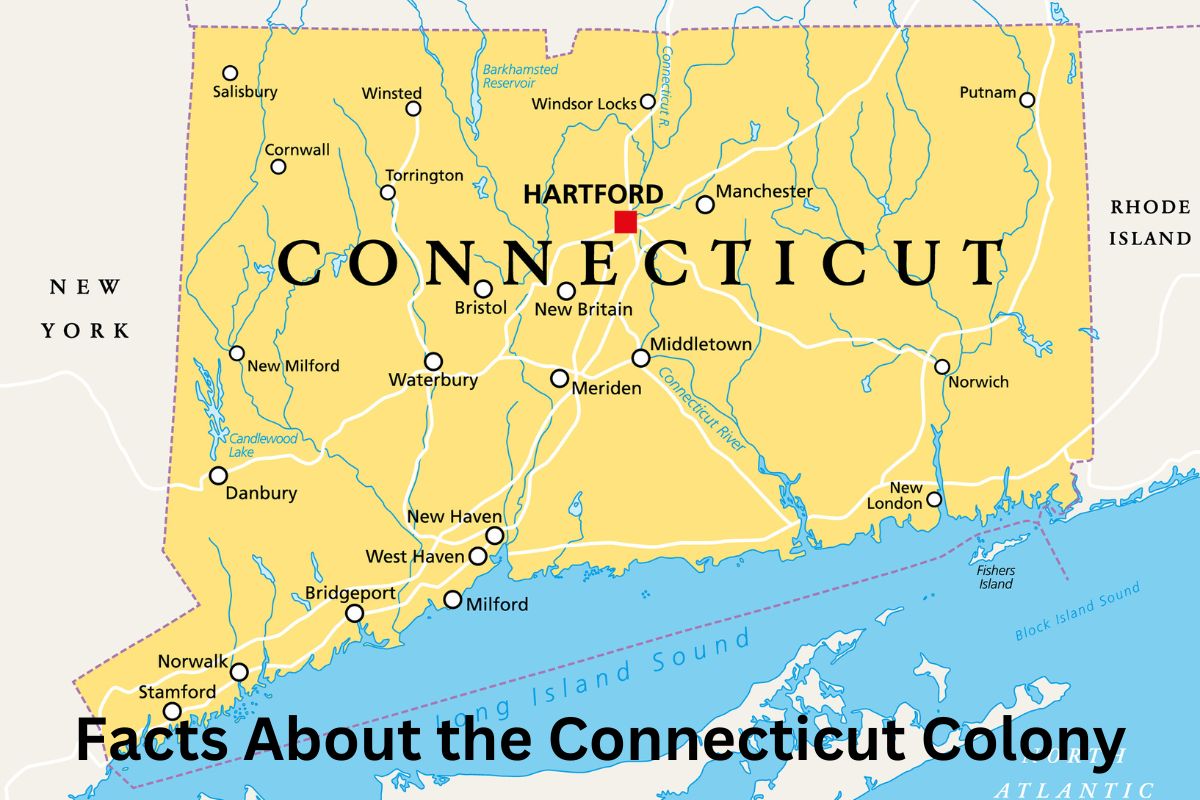
Perhaps the most enduring legacy of the Connecticut Colony’s establishment lies in its pioneering efforts in self-governance. The journey from Massachusetts was not just about finding new land but about creating a new political order.
A Landmark in Democratic Thought
The seminal document that codified this vision was the Fundamental Orders of Connecticut, adopted in 1639 by the towns of Hartford, Windsor, and Wethersfield. This document is often hailed as the first written constitution in the Western world to define and limit the powers of government and is frequently cited as a precursor to the United States Constitution. Unlike royal charters granted by a monarch, the Fundamental Orders were an agreement among the people themselves, establishing a framework for their own governance. They created a representative government with a governor, magistrates, and deputies elected by the freemen (landowning male citizens), demonstrating an unprecedented commitment to popular sovereignty and civic participation.
Limits on Gubernatorial Power
A particularly innovative aspect of the Fundamental Orders was its explicit limitation on the power of the governor. The document stipulated that the governor could not serve consecutive terms, a measure designed to prevent the concentration of power in a single individual and to ensure rotation in office. This was a radical departure from the hierarchical and often autocratic forms of governance prevalent in Europe and even in other American colonies. By embedding such checks and balances into their foundational document, the early settlers of Connecticut laid down principles of accountable governance that would resonate through American history, serving as a landmark in the evolution of democratic institutions.
Early Conflicts and Consolidations
The establishment of the Connecticut Colony was not without its challenges, particularly concerning relations with indigenous populations and the consolidation of various English settlements in the region.
The Pequot War
The growing presence of English settlers in the Connecticut River Valley inevitably led to friction with the native inhabitants, primarily the powerful Pequot tribe. Tensions escalated over land, resources, and trade routes, culminating in the brutal Pequot War of 1637. The conflict involved the Connecticut settlers, allied with the Mohegan and Narragansett tribes, against the Pequot. The war, marked by the infamous Mystic Massacre, resulted in the near annihilation of the Pequot people and fundamentally reshaped the power dynamics in New England. While a tragic chapter, the war effectively secured English dominance in the region and paved the way for further colonial expansion, deeply impacting the historical trajectory of the new colony.
Merging with the New Haven Colony
Another significant development in Connecticut’s early history was the eventual consolidation with the New Haven Colony. New Haven, founded in 1638 by more religiously conservative Puritans who sought an even stricter theocracy than Massachusetts, initially operated as a separate entity. It developed its own distinct legal and governmental structures, heavily influenced by biblical law. However, its lack of a royal charter made it vulnerable. After much political maneuvering and pressure from England, particularly following the Restoration of the monarchy, Connecticut received a royal charter in 1662 that encompassed the territory of New Haven. By 1665, the New Haven Colony reluctantly agreed to merge with Connecticut, significantly expanding its geographical footprint and population, and solidifying its position as a major colonial power in New England.
Legacy and Enduring Significance
The motivations and challenges that led to the establishment of the Connecticut Colony have left an indelible mark on American history, influencing subsequent political developments and shaping the nation’s identity.
A Blueprint for American Democracy
The principles enshrined in the Fundamental Orders of Connecticut—popular sovereignty, representative government, and limited executive power—served as a crucial blueprint for later democratic movements. These foundational ideas deeply influenced the framers of the United States Constitution and continue to resonate in discussions about governance and individual rights. The early Connecticut settlers demonstrated that a government “of the people, by the people, for the people” was not just an abstract ideal but a practical possibility, making the colony a landmark in the evolution of democratic governance. The very act of a people covenanting to create their own civil society set a powerful precedent.

Historic Sites and Their Stories
Today, the historical sites throughout Connecticut serve as tangible reminders of this rich founding history. In Hartford, the site where Reverend Thomas Hooker preached, now home to the Ancient Burying Ground, invites reflection on the origins of American democracy. The Museum of Connecticut History houses original documents and artifacts from this era, preserving the stories of the early colonists. The state’s many colonial-era homes, town greens, and historical markers in towns like Windsor, Wethersfield, and New Haven offer windows into the lives and struggles of these pioneers. These landmarks, whether physical structures or preserved documents, stand as testaments to the complex motivations—religious freedom, political autonomy, economic opportunity—that fueled the establishment of the Connecticut Colony, cementing its place as a critical foundation stone in the American narrative.
LifeOutOfTheBox is a participant in the Amazon Services LLC Associates Program, an affiliate advertising program designed to provide a means for sites to earn advertising fees by advertising and linking to Amazon.com. Amazon, the Amazon logo, AmazonSupply, and the AmazonSupply logo are trademarks of Amazon.com, Inc. or its affiliates. As an Amazon Associate we earn affiliate commissions from qualifying purchases.