
For many prospective travelers, understanding the local climate and potential natural phenomena is an essential part of planning a trip. When considering a visit to the vast and beautiful plains of North Dakota, a common question often arises: Does North Dakota get tornadoes? The straightforward answer is yes, it does. As a state situated within the northern reaches of what is famously known as Tornado Alley, North Dakota, like many of its Midwestern neighbors, experiences its share of severe weather, including tornadoes. However, understanding the specifics of this risk – its frequency, intensity, and geographical patterns – is crucial for any traveler looking to explore the Peace Garden State safely and with confidence. This guide aims to provide insightful information for those planning their adventure, ensuring that awareness, not apprehension, guides their journey.
Understanding Tornado Activity in North Dakota
To put the risk into perspective for travelers, it’s important to delve into the meteorological factors that contribute to tornado formation in North Dakota, as well as the typical patterns of these events. The state’s unique geographical position makes it susceptible to the atmospheric conditions necessary for severe storms.
The Geography of Tornado Alley’s Northern Reach
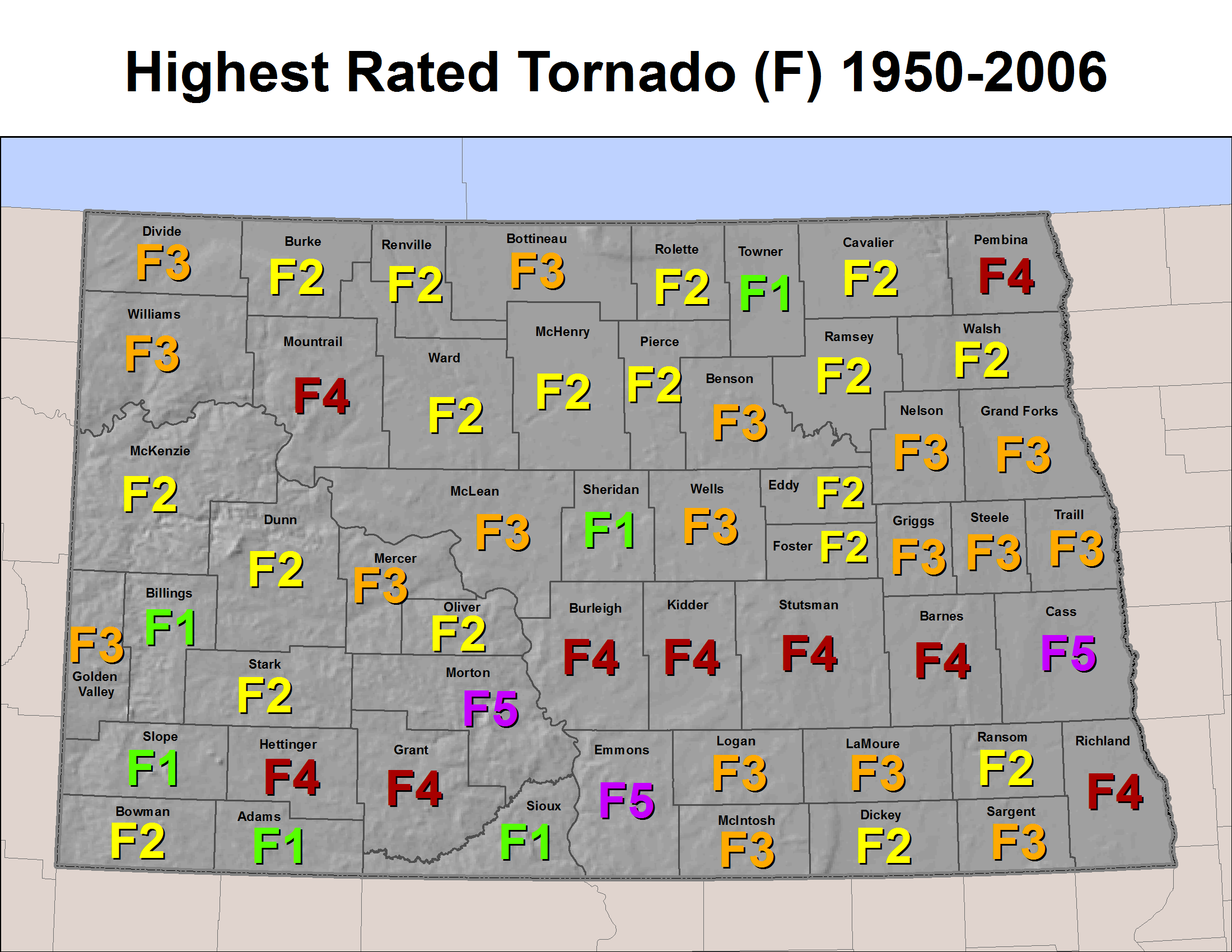
North Dakota’s location is key to its tornado activity. It sits at the northern edge of the broad region in the central United States known for a high frequency of tornadoes. This area, Tornado Alley, is where warm, moist air from the Gulf of Mexico clashes with cool, dry air from the Rocky Mountains and cold, dry air from Canada. The resulting atmospheric instability creates the perfect breeding ground for supercell thunderstorms, which can produce tornadoes. The flat topography of the plains also allows these weather systems to develop and move with fewer obstructions, contributing to their potential severity. Travelers should recognize that while tornadoes are possible across the state, the eastern and central parts, being more open and less forested than the western Badlands, are often considered more prone to significant tornado events. Major cities such as Fargo, Grand Forks, and Bismarck are all within areas that have experienced tornado activity.
Frequency and Intensity
Statistically, North Dakota experiences an average of around 30 to 35 tornadoes per year. This number places it among the states with moderate tornado activity, though certainly less than the more notorious southern states in Tornado Alley like Oklahoma or Kansas. Most of these tornadoes are relatively weak, registering as EF0 or EF1 on the Enhanced Fujita (EF) Scale, which measures tornado intensity based on damage. However, stronger, more destructive tornadoes (EF2 and above) are not unheard of, and isolated instances of very powerful tornadoes (EF4 or EF5) have occurred historically, though they are exceptionally rare. For travelers, this means that while the possibility exists, the likelihood of encountering a major tornado is statistically quite low on any given day. The focus for a tourist should therefore be on awareness and preparedness, rather than exaggerated fear. Understanding that many tornadoes are small and short-lived in rural areas can help provide perspective, though all warnings should be taken seriously.
Peak Tornado Season
The tornado season in North Dakota typically runs from late spring through early summer, with the highest frequency occurring in June and July. This period coincides with some of the most popular travel times for visiting the state, as the weather is generally warmer and conducive to outdoor activities. Travelers planning trips during these months, particularly for experiences in Theodore Roosevelt National Park or along the Maah Daah Hey Trail, should be especially vigilant about checking weather forecasts. The evenings are often when conditions become most ripe for severe weather, though tornadoes can occur at any time of day. Visiting in the late summer or early fall can sometimes mitigate the risk, as the severe weather season begins to wane, and the state offers stunning autumnal landscapes.
Travel Safety: Preparing for Severe Weather
For the informed traveler, preparation is paramount. While the chances of encountering a tornado during your trip to North Dakota are slim, knowing how to react if severe weather strikes can make all the difference.
Monitoring Weather Alerts
Modern technology makes it easier than ever to stay informed about developing weather conditions. Before and during your trip, make it a habit to check weather forecasts daily, especially if you’re traveling during peak tornado season. Utilize reliable sources such as the National Weather Service (NWS) website or app, local news channels, and reputable weather apps on your smartphone. Many apps can send push notifications for severe weather warnings based on your current location. Consider purchasing a NOAA Weather Radio for enhanced safety, especially if you plan to spend time in remote areas or accommodations without reliable internet or television access. Understanding the difference between a “tornado watch” (conditions are favorable for tornadoes to develop) and a “tornado warning” (a tornado has been sighted or indicated by radar) is critical for appropriate response.
During Your Stay: Essential Safety Tips
If a tornado warning is issued for your location while traveling in North Dakota, immediate action is required.
- In a Hotel or Motel: Go to the lowest floor and seek shelter in an interior room or hallway away from windows. If available, a designated storm shelter or basement is the safest option. Avoid rooms on the top floor.
- In an RV or Vehicle: Do not stay in an RV or vehicle during a tornado warning. These offer virtually no protection. Seek sturdy shelter in a building, preferably one with a basement. If no substantial shelter is available, lie down in a ditch or other low-lying area and cover your head, away from any cars or trees that could be thrown.
- In a Cabin or Rental Home: Head to the basement or an interior room on the lowest floor, such as a bathroom or closet. Stay away from windows and doors.
- In Rural or Remote Areas: If you are caught outdoors with no immediate access to substantial shelter, lie flat in a ditch or other depression in the ground, covering your head with your arms. Be aware of flying debris. Never seek shelter under an overpass, as this can create a wind tunnel effect and is extremely dangerous.
Road Trip Precautions
North Dakota is a popular destination for scenic road trips. If you’re driving and severe weather approaches, pull over to a safe location and monitor weather updates. If a tornado warning is issued and you are in your car, do not try to outrun a tornado in a city. Get out of your vehicle and seek a sturdy shelter. If no shelter is nearby, find a ditch or culvert, lie down, and cover your head. Avoid parking under overpasses, as they offer no protection and can be dangerous. Keep your fuel tank at least half full, and have a basic emergency kit in your vehicle, including water, non-perishable snacks, a first-aid kit, and a flashlight.
Beyond the Storm: Enjoying North Dakota Safely
While the potential for tornadoes is a factor to consider, it should not overshadow the myriad of enjoyable experiences North Dakota has to offer. With prudent planning, your trip can be both safe and unforgettable.
Best Times to Visit for Milder Weather
For those particularly concerned about severe weather, planning your trip outside of the June-July peak tornado season can offer peace of mind. Late August, September, and early October typically present milder, more stable weather patterns, with crisp air and stunning fall foliage, especially in areas like Sheyenne River Valley National Scenic Byway. Spring, particularly May, can also be beautiful with burgeoning greenery, but the beginning of the severe weather season means vigilance is still advised. Winter brings its own set of challenges, primarily related to extreme cold and heavy snowfall, which means outdoor activities are more limited, but the risk of tornadoes is virtually non-existent.
Experiencing North Dakota’s Natural Beauty
Despite the occasional severe weather, North Dakota’s vast landscapes and rich cultural heritage are major draws for travelers. The badlands of Theodore Roosevelt National Park offer breathtaking vistas and abundant wildlife viewing opportunities. The Maah Daah Hey Trail provides world-class hiking and mountain biking. Historic sites, vibrant cities like Fargo and Bismarck, and numerous state parks offer diverse experiences. It’s important to remember that tornadoes are localized phenomena, often affecting small areas for short periods. The vast majority of the state remains unaffected on any given day, allowing travelers to fully immerse themselves in its unique charm.
Local Resources and Preparedness
North Dakota communities are well-versed in severe weather preparedness. Local emergency services, county sheriffs, and the National Weather Service offices in Bismarck, Grand Forks, and Minot regularly monitor conditions and disseminate critical information. Many public buildings, particularly in towns and cities, may have designated storm shelters, and locals are generally knowledgeable about safety procedures. Don’t hesitate to ask hotel staff, campground hosts, or residents about local severe weather plans if you have concerns. Their familiarity can be a valuable resource for visitors.
Debunking Myths and Maintaining Perspective
It’s natural for the word “tornado” to evoke a sense of fear, but it’s essential for travelers to approach the topic with a balanced perspective, separating fact from fiction.
Tornadoes Aren’t Everywhere, All the Time
One of the biggest misconceptions about states in Tornado Alley is that tornadoes are a constant, widespread threat. This is far from the truth. Tornadoes are highly localized events, often affecting areas just a few hundred yards wide. Even during a “tornado outbreak,” where multiple tornadoes occur, they typically track along specific paths, leaving large swaths of land untouched. For a traveler exploring a specific region of North Dakota, the statistical probability of being in the exact location of a tornado at the exact moment it touches down is extremely low. Understanding this helps mitigate undue anxiety.
Preparedness, Not Panic
The goal of being aware of tornado activity in North Dakota is to foster preparedness, not panic. Just as travelers prepare for potential flight delays, lost luggage, or minor illnesses, preparing for the rare chance of severe weather is simply another aspect of responsible travel planning. By having a plan, knowing where to get information, and understanding basic safety protocols, you empower yourself to react calmly and effectively if a warning is issued. This proactive approach ensures that your focus remains on enjoying your travel experiences rather than being consumed by unfounded fears.
In conclusion, North Dakota does indeed experience tornadoes, primarily during the late spring and early summer months. However, the risk to travelers is manageable with proper awareness and preparation. By staying informed about weather forecasts, knowing basic safety procedures, and choosing the right time for your visit, you can confidently explore the captivating landscapes, rich history, and vibrant communities of this often-underestimated state. The beauty and unique experiences of North Dakota await, and with a little planning, you can ensure your journey is both safe and immensely rewarding.
LifeOutOfTheBox is a participant in the Amazon Services LLC Associates Program, an affiliate advertising program designed to provide a means for sites to earn advertising fees by advertising and linking to Amazon.com. Amazon, the Amazon logo, AmazonSupply, and the AmazonSupply logo are trademarks of Amazon.com, Inc. or its affiliates. As an Amazon Associate we earn affiliate commissions from qualifying purchases.