
The question “How far is South Dakota?” goes beyond a simple measurement of miles; it delves into the journey, the time commitment, and the incredible experiences awaiting travelers in this gem of the Midwest. South Dakota is a state renowned for its iconic landmarks, breathtaking natural beauty, and rich historical tapestry, drawing millions of visitors annually. For many, embarking on a trip to South Dakota represents a quintessential American road trip, an opportunity to witness monumental achievements and vast, unspoiled landscapes. Understanding the “how far” involves not just geographic distance but also the practicalities of travel, the available modes of transport, and what truly makes the expedition worthwhile. This article will guide you through pinpointing South Dakota on the map, calculating your journey from various points, and exploring the compelling attractions that solidify its status as a must-visit destination.
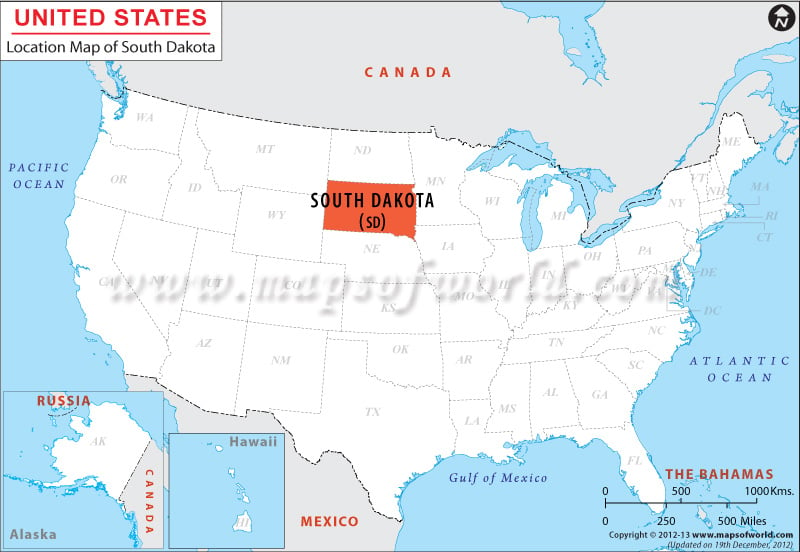
Pinpointing South Dakota on the Map
Before charting your course, it’s essential to understand South Dakota’s precise location and the distinct regions that comprise its diverse landscape. Its central position in the United States often means it’s an accessible destination for many, yet it still feels wonderfully remote in its more untamed corners.
Geographic Location and Borders
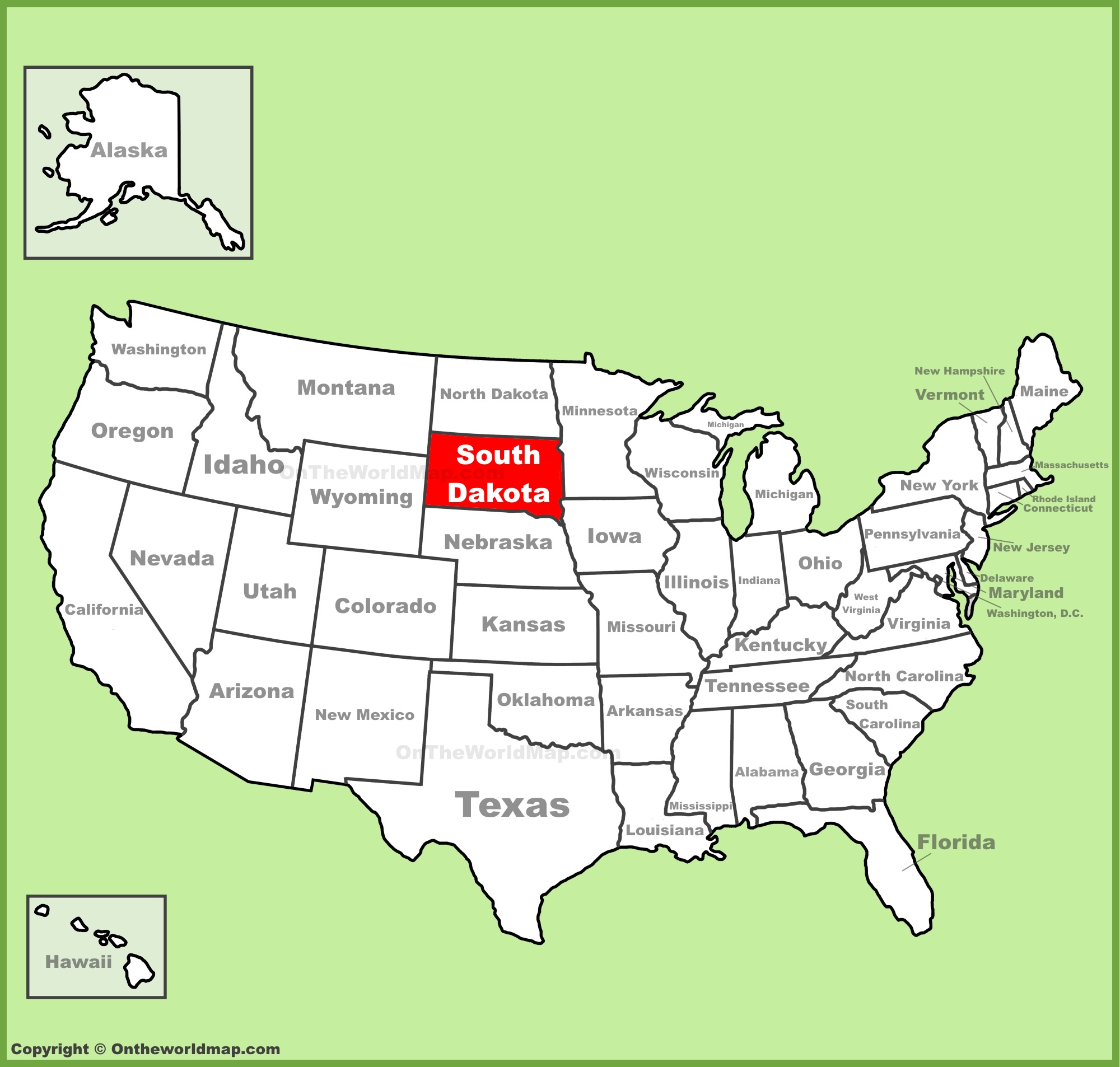
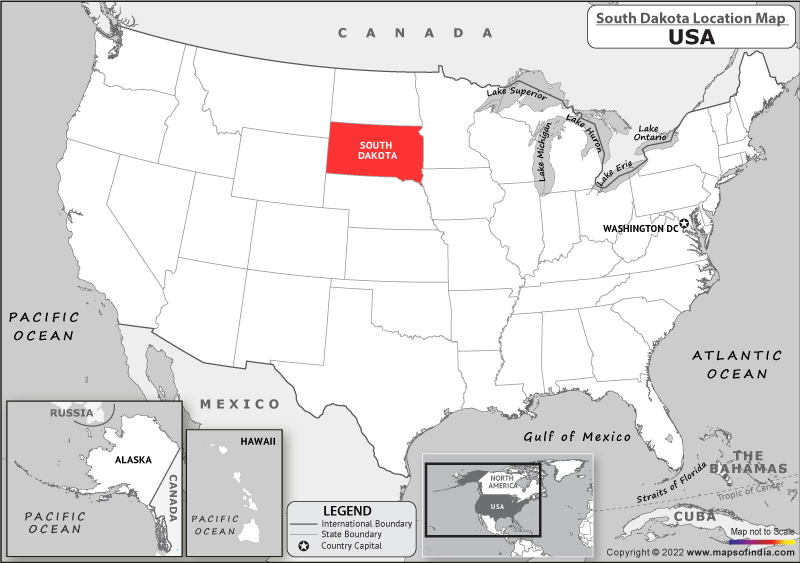
South Dakota occupies a significant portion of the Northern Great Plains, nestled squarely in the north-central United States. Its landlocked position means visitors typically arrive by road or air. The state shares its northern border with North Dakota, to the east lie Minnesota and Iowa, to the south is Nebraska, and its western neighbors are Wyoming and Montana. This strategic location places it within a day’s drive for a substantial portion of the American population, particularly those residing in the central and northern states. The state itself spans approximately 77,116 square miles, making it the 17th largest state by area. This considerable size means that even once within its borders, travelers will find themselves covering significant distances to explore its various regions.
Key Cities and Regions
South Dakota is broadly characterized by two distinct geographical regions: the rolling plains of the east and the rugged, mountainous terrain of the west, primarily dominated by the Black Hills. The state’s largest city, Sioux Falls, is situated in the southeastern corner, serving as a major economic and cultural hub with a vibrant downtown and accessible airport. On the western side, Rapid City acts as the gateway to the Black Hills and many of the state’s most famous national parks and monuments. Other notable areas include the vast Badlands National Park to the east of Rapid City, the historic mining town of Deadwood in the northern Black Hills, and the agricultural heartland stretching across the central and eastern plains. Understanding these regional distinctions is crucial for planning an efficient and fulfilling itinerary, as travel times between them can be substantial.
Calculating Your Journey: Distance and Travel Time
Determining “how far” involves not just raw mileage but also the practical considerations of how you’ll travel and how long it will take. South Dakota’s central location makes it surprisingly accessible from many parts of the United States by various modes of transport.
Driving Distances from Major Hubs
For many, a road trip is the quintessential way to experience South Dakota’s vast landscapes. Driving offers the flexibility to explore at your own pace and discover hidden gems along the way. Here are some estimated driving distances and times to Sioux Falls (eastern gateway) and Rapid City (western gateway) from major U.S. cities, assuming good road conditions and minimal stops:
- From Minneapolis, Minnesota: Approximately 240 miles (3.5-4 hours) to Sioux Falls; 520 miles (8-9 hours) to Rapid City.
- From Omaha, Nebraska: Approximately 180 miles (3 hours) to Sioux Falls; 400 miles (6-7 hours) to Rapid City.
- From Chicago, Illinois: Approximately 500 miles (8-9 hours) to Sioux Falls; 780 miles (12-13 hours) to Rapid City.
- From Denver, Colorado: Approximately 340 miles (5-6 hours) to Rapid City; 620 miles (9-10 hours) to Sioux Falls.
- From Kansas City, Missouri: Approximately 330 miles (5-6 hours) to Sioux Falls; 600 miles (9-10 hours) to Rapid City.
- From New York City, New York: A significant journey, roughly 1,400 miles (22-24 hours driving time) to Sioux Falls, often requiring an overnight stop.
- From Los Angeles, California: Even further, around 1,300 miles (20-22 hours driving time) to Rapid City, also necessitating an overnight stop.
These figures illustrate that while South Dakota is a viable driving destination for many, particularly from the central United States, those coming from the coasts should factor in multiple days of travel or consider flying.
Flying to South Dakota
For travelers from further afield or those with limited time, flying is often the most practical option. South Dakota is served by two primary commercial airports:
- Sioux Falls Regional Airport (FSD): Located in the state’s largest city, FSD offers direct flights to major hubs like Denver, Chicago, Minneapolis, and Dallas, with connections to destinations nationwide. Travel time from major U.S. cities typically ranges from 2-5 hours, excluding layovers.
- Rapid City Regional Airport (RAP): The gateway to the Black Hills and western South Dakota, RAP also provides direct services to hubs such as Denver, Chicago, Dallas/Fort Worth, and Salt Lake City. Flight times are comparable to FSD, often making it the preferred entry point for those focused on the national parks and monuments.
Upon arrival, renting a car is highly recommended, if not essential, to fully explore the state’s attractions, as public transportation options are limited outside of city centers.
Other Modes of Transport
While less common for long-distance travel to South Dakota, other transportation methods exist. Bus services, such as Greyhound, connect Sioux Falls and Rapid City to various points across the United States. However, these journeys can be very long and involve multiple transfers. Train travel is not a primary option for passenger service into South Dakota, with Amtrak routes generally bypassing the state directly. For those considering a multi-modal journey, flying into one of the state’s airports and then renting a car offers the best balance of speed and flexibility.
What Makes the Journey Worthwhile? South Dakota’s Allure
The perceived “distance” to South Dakota quickly fades when one considers the unparalleled experiences and iconic sights that await. From colossal carvings to dramatic badlands, the state offers a rich tapestry of attractions that cater to every type of traveler.
Iconic Landmarks and Natural Wonders
South Dakota is home to some of the most recognizable landmarks in the United States.
- Mount Rushmore National Memorial: This monumental sculpture of four U.S. presidents carved into the granite of the Black Hills is an absolute must-see, representing a powerful symbol of American history and ingenuity.
- Crazy Horse Memorial: Another colossal mountain carving project, this ongoing endeavor honors the Oglala Lakota warrior, promising to be the world’s largest mountain carving once complete.
- Badlands National Park: A surreal landscape of sharply eroded buttes, pinnacles, and spires, the Badlands offer stunning vistas, fossil beds, and unique hiking opportunities. Its striking beauty is particularly captivating at sunrise or sunset.
- Custer State Park: Encompassing nearly 71,000 acres in the Black Hills, this park is famous for its abundant wildlife, including a herd of 1,300 wild bison, pronghorn, deer, and burros. Scenic drives like the Needles Highway and Wildlife Loop Road offer unforgettable experiences.
- Wind Cave National Park and Jewel Cave National Monument: These two national parks showcase incredible underground cave systems, featuring rare boxwork formations and intricate calcite crystals, providing a fascinating counterpoint to the surface attractions.
Cultural Experiences and History
Beyond its natural beauty, South Dakota is steeped in rich history and vibrant culture. The state has a strong connection to Native American heritage, particularly the Lakota Sioux, whose traditions and history are preserved and celebrated at various cultural centers and memorials. The frontier spirit of the Old West is palpable in towns like Deadwood, a National Historic Landmark renowned for its gold rush past, legendary figures like Wild Bill Hickok and Calamity Jane, and its ongoing Wild West atmosphere with historic casinos and saloons. Pioneer history is also evident, with numerous museums and sites detailing the lives of homesteaders and early settlers.
Outdoor Adventures
For outdoor enthusiasts, South Dakota is a playground. The Black Hills offer endless opportunities for hiking, rock climbing, mountain biking, and fishing in pristine streams. Custer State Park is a prime spot for wildlife viewing and scenic drives. Kayaking and paddleboarding are popular on the state’s many lakes and rivers. In winter, the Black Hills transform into a destination for skiing, snowboarding, and snowmobiling. The vast plains also offer hunting and birdwatching opportunities, rounding out a diverse array of outdoor activities throughout the year.
Planning Your Trip: Beyond Just Distance
Once you’ve decided that the journey to South Dakota is worth the distance, thoughtful planning ensures a smooth and memorable experience.
Best Time to Visit
The ideal time to visit South Dakota largely depends on your interests.
- Summer (June-August): This is peak tourist season, offering warm weather perfect for exploring national parks, outdoor activities, and attending events like the Sturgis Motorcycle Rally. Be prepared for crowds and higher accommodation prices.
- Spring (April-May) and Fall (September-October): These shoulder seasons provide pleasant temperatures, fewer crowds, and often better deals on lodging. Fall brings spectacular foliage to the Black Hills, while spring offers blooming wildflowers and active wildlife.
- Winter (November-March): While cold and snowy, winter offers opportunities for snow sports in the Black Hills and a tranquil, almost spiritual experience in the quieter national parks. Some roads and attractions may close due to weather.
Essential Travel Tips
- Accommodation: Book well in advance, especially during summer and around major events. Options range from rustic cabins in Custer State Park to modern hotels in Sioux Falls and Rapid City.
- Transportation: A rental car is almost indispensable for exploring South Dakota’s many attractions, which are often spread out. Ensure your vehicle is suitable for diverse terrain, especially if venturing onto gravel roads.
- Packing: Layered clothing is advisable, as temperatures can fluctuate, even within a single day. Don’t forget comfortable walking shoes, sun protection, and rain gear. For summer visits, insect repellent is a good idea.
- Flexibility: While planning is key, allow for some spontaneity. The beauty of South Dakota often lies in unexpected discoveries along its scenic byways.
In conclusion, “how far is South Dakota?” is a question best answered by considering the entire travel experience. Whether you embark on a multi-day road trip from a distant coast or fly in for a shorter visit, the journey to South Dakota is an integral part of an adventure that promises iconic landmarks, breathtaking natural beauty, and a deep dive into American history and culture. Its central location and robust travel infrastructure make it a surprisingly accessible destination, proving that the distance is merely a prelude to an unforgettable experience.
LifeOutOfTheBox is a participant in the Amazon Services LLC Associates Program, an affiliate advertising program designed to provide a means for sites to earn advertising fees by advertising and linking to Amazon.com. Amazon, the Amazon logo, AmazonSupply, and the AmazonSupply logo are trademarks of Amazon.com, Inc. or its affiliates. As an Amazon Associate we earn affiliate commissions from qualifying purchases.