
When planning a trip to a new destination, immersing oneself in the local culture, understanding its unique ecosystem, and appreciating its natural beauty are paramount to a rich travel experience. For those venturing into the vast, beautiful landscapes of the Flickertail State, knowing its official symbols offers a delightful insight into the heart and spirit of North Dakota. The state bird of North Dakota is the Western Meadowlark (Sturnella neglecta), a vibrant and melodious avian inhabitant that perfectly embodies the state’s open prairies and resilient spirit. Its distinctive song and striking appearance are a staple of the North Dakota landscape, offering tourists and nature enthusiasts alike a charming connection to the region’s natural heritage. Understanding the significance of the Western Meadowlark not only enriches your visit but also opens doors to unique birdwatching opportunities and a deeper appreciation for the state’s conservation efforts.
The Melodious Emblem: Understanding the Western Meadowlark
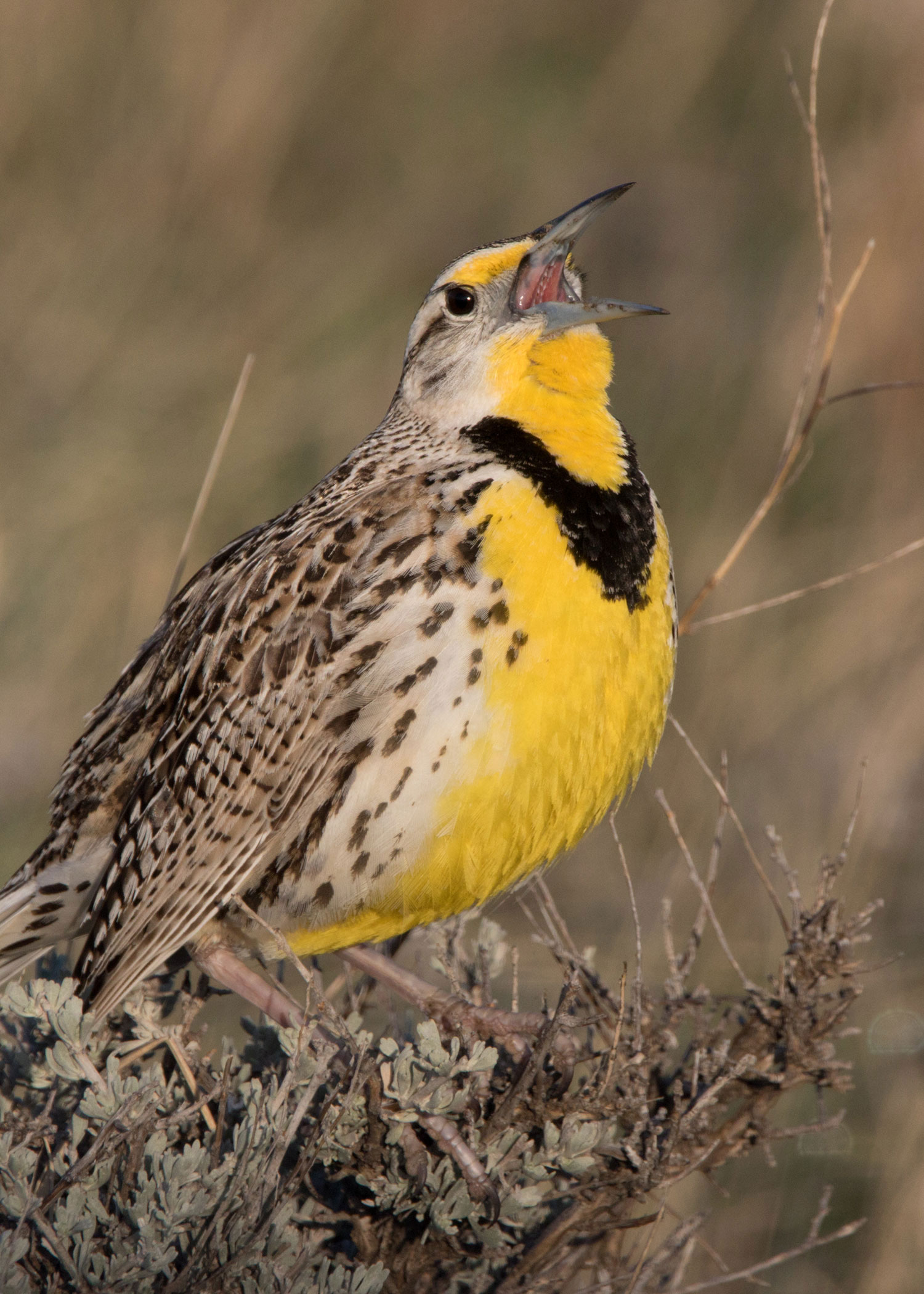
The Western Meadowlark was officially designated as North Dakota’s state bird in 1947, a choice that resonated deeply with the state’s identity and its strong ties to the agricultural plains. This bird is not exclusive to North Dakota, serving as the state bird for several other western states, a testament to its widespread presence across the American prairies. Its designation in North Dakota was a popular decision, championed by school children and conservationists who recognized its iconic status within the state’s natural environment.
Distinctive Characteristics and Enchanting Song
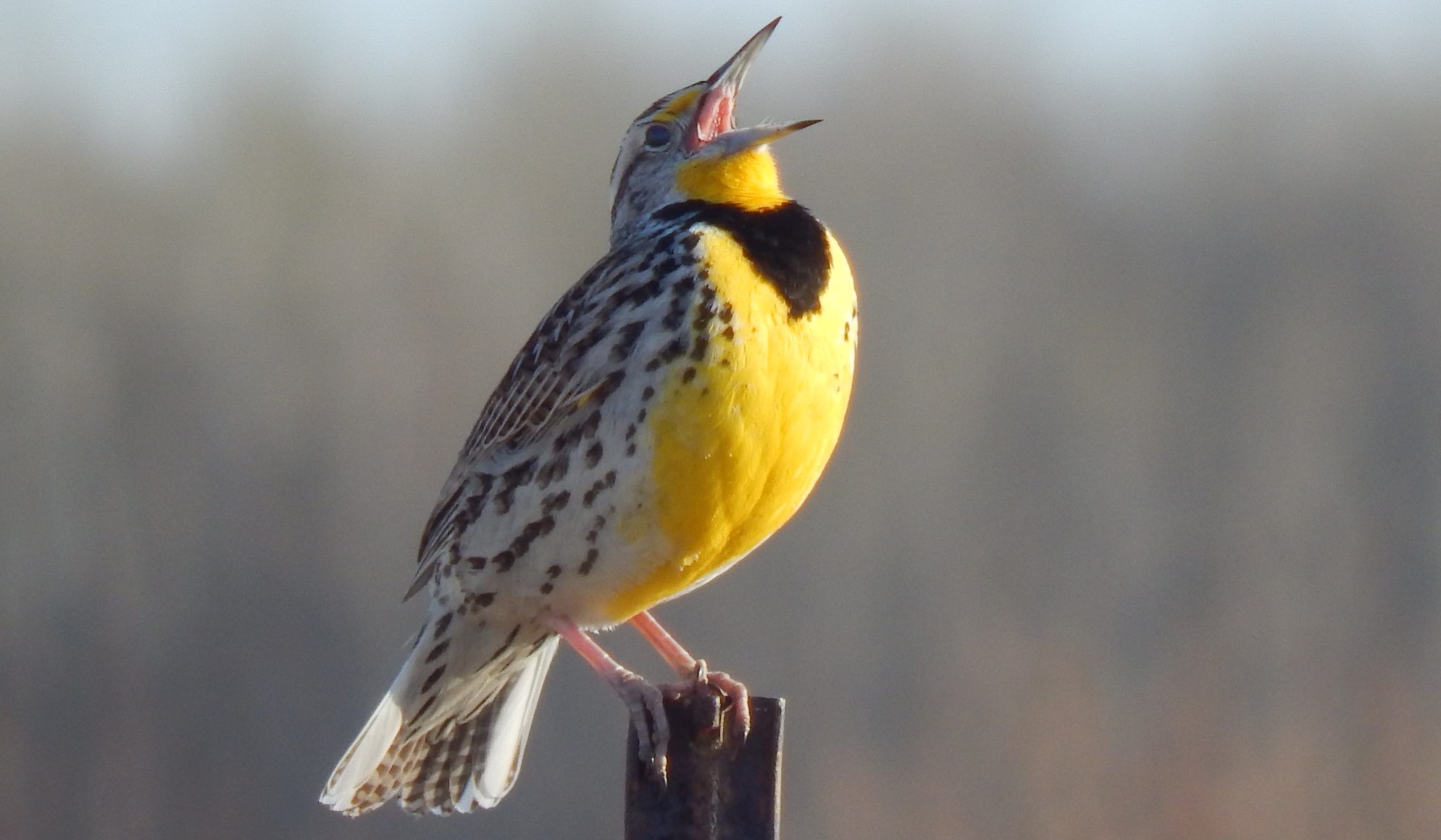
The Western Meadowlark is easily identifiable by its striking appearance and unmistakable song. Adults typically measure about 8.5 to 10 inches (21 to 26 cm) in length, with a wingspan of 16 inches (41 cm). Their plumage features a mottled brown back with black streaks, contrasting sharply with a bright yellow breast adorned with a prominent black V-shaped band. This vivid yellow and black pattern makes them stand out against the muted greens and browns of the prairie grasses. They also possess a long, pointed bill and short tails.
However, it is the Western Meadowlark’s song that truly captivates and defines its presence. Its clear, flute-like whistle is one of the most cherished sounds of the North American grasslands. Often described as a series of gurgling notes followed by a descending, somewhat mournful whistle, its melody is complex and varies slightly from bird to bird, creating a unique auditory landscape. Early morning and late afternoon are the best times to hear these enchanting calls, as the birds perch atop fence posts, utility wires, or prominent shrubs to serenade their territory. For tourists seeking an authentic auditory experience of North Dakota’s natural soundscape, listening for the Western Meadowlark’s song is an absolute must.
Historical and Cultural Significance in North Dakota
The choice of the Western Meadowlark as North Dakota’s state bird was not merely an aesthetic one; it was deeply rooted in the state’s agricultural heritage and the bird’s symbolic representation of freedom and the pioneering spirit. Meadowlarks are ground-nesting birds, often found in hayfields and grasslands, areas vital to North Dakota’s economy and way of life. They are insectivorous, helping control pest populations in agricultural fields, thus playing an ecological role beneficial to farmers. Their prevalence and beneficial nature made them a natural and beloved symbol for the people of North Dakota, representing the harmony between human endeavor and the natural world. This historical connection offers tourists a deeper context for understanding the cultural values embedded in the state’s symbols.
Encountering the Western Meadowlark: Prime Birdwatching Spots
For nature enthusiasts and birdwatchers, North Dakota presents an incredible opportunity to observe the Western Meadowlark in its natural habitat. The state’s vast prairies, grasslands, and conservation areas are ideal locations for spotting these charismatic birds, along with a myriad of other avian species. Integrating birdwatching into your itinerary can transform a simple road trip into an engaging exploration of North Dakota’s biodiversity.
Key Habitats and Protected Areas
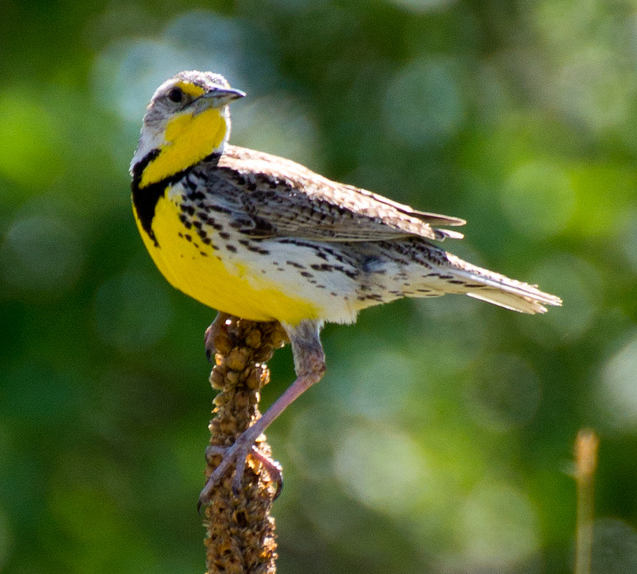
The Western Meadowlark thrives in open country, particularly grasslands, prairies, and agricultural fields. These habitats are abundant across North Dakota, making sightings relatively common for attentive observers. Some of the best places to specifically look for them include:
- Theodore Roosevelt National Park: Located in western North Dakota, this stunning park, divided into the South Unit near Medora and the North Unit, offers expansive badlands and prairie landscapes. The grasslands within the park are prime meadowlark territory, and their songs often accompany bison and wild horses. The scenic drives and hiking trails provide ample opportunities for observation.
- Audubon National Wildlife Refuge: Situated near Coleharbor, this refuge is a haven for migratory birds and local wildlife. Its diverse habitats, including grasslands and wetlands around Lake Audubon, are perfect for spotting meadowlarks and many other species.
- Des Lacs National Wildlife Refuge: Stretching through a narrow valley in northwestern North Dakota, this refuge offers beautiful views and excellent birdwatching, especially along the Des Lacs River. The surrounding uplands are ideal for meadowlarks.
- Upper Souris National Wildlife Refuge: Another fantastic spot in the northern part of the state, this refuge features grasslands, wetlands, and woodlands, providing a rich habitat for a variety of birds, including the Western Meadowlark.
Tips for Successful Birdwatching
To enhance your chances of seeing and hearing the Western Meadowlark, consider these tips:
- Timing: Early morning and late afternoon are the most active times for meadowlarks.
- Location: Focus on open grasslands, prairies, and the edges of agricultural fields. Look for them perched on fence posts, telephone wires, or tall stalks of vegetation.
- Sound: Learn to recognize their distinctive, flute-like song. Often, you’ll hear them before you see them.
- Equipment: Bring binoculars for better viewing and a field guide to help identify other species you might encounter.
- Patience: Birdwatching often requires patience. Find a comfortable spot, be still, and let nature come to you.
- Respect Wildlife: Maintain a respectful distance and avoid disturbing the birds or their habitat.
The Western Meadowlark and North Dakota Tourism
The presence of the Western Meadowlark and North Dakota’s commitment to preserving its natural habitats significantly contribute to the state’s tourism appeal, especially for those interested in ecotourism and wildlife observation. The state’s efforts to maintain its prairies and wetlands ensure that these iconic birds, along with many other species, continue to thrive, offering unique experiences for visitors.
Ecotourism and Conservation Efforts
North Dakota is a prime destination for ecotourism, with its national parks, wildlife refuges, and state parks providing critical habitats for numerous species. The conservation of the Western Meadowlark and its habitat is intrinsically linked to broader efforts to protect the prairie ecosystem, which supports diverse flora and fauna. Organizations like the North Dakota Game and Fish Department, along with various national and local groups, work tirelessly to manage these lands, ensuring their health and biodiversity. Tourists visiting these areas directly support these conservation efforts through park fees and patronage of local businesses that benefit from ecotourism. Engaging with these initiatives can provide a rewarding and educational dimension to any trip.
Beyond the Meadowlark: Exploring North Dakota’s Avian Diversity
While the Western Meadowlark is a highlight, North Dakota is a birder’s paradise, boasting over 350 recorded species. Its location within the Central Flyway makes it a crucial stop for migratory birds, especially during spring and fall migrations. Wetlands, such as those found around Lake Sakakawea and along the Missouri River system, attract immense numbers of waterfowl, including ducks, geese, and swans. Shorebirds, raptors like bald eagles and hawks, and a variety of songbirds can also be observed. This rich avian diversity means that a birdwatching trip to North Dakota promises a multifaceted experience, extending well beyond just finding the state bird.
Consider exploring scenic byways like the Dakota Grassland Loop Scenic Byway or visiting cultural sites such as the Knife River Indian Villages National Historic Site, where the sounds of the meadowlark might provide a natural soundtrack to your historical exploration. Whether you’re a seasoned birder or simply a curious traveler, the opportunity to connect with North Dakota’s natural world through its avian inhabitants offers a truly engaging and memorable aspect of tourism in this unique state.
In conclusion, the Western Meadowlark is more than just North Dakota’s state bird; it is a living symbol of its sprawling prairies, rich natural heritage, and enduring spirit. For anyone planning to visit North Dakota, taking the time to appreciate this remarkable bird – by seeking out its vibrant colors and listening for its iconic song – adds an authentic and deeply rewarding layer to the travel experience, connecting you directly to the heart of the Flickertail State’s local culture and breathtaking environment.
LifeOutOfTheBox is a participant in the Amazon Services LLC Associates Program, an affiliate advertising program designed to provide a means for sites to earn advertising fees by advertising and linking to Amazon.com. Amazon, the Amazon logo, AmazonSupply, and the AmazonSupply logo are trademarks of Amazon.com, Inc. or its affiliates. As an Amazon Associate we earn affiliate commissions from qualifying purchases.