
For travelers seeking an authentic immersion into the heartland of the United States, understanding the unique cultural and natural symbols of a destination is paramount. South Dakota, a state renowned for its expansive prairies, iconic monuments, and rich wildlife, holds a particularly interesting choice for its official state bird. Far from a mere formality, this avian emblem is deeply woven into the fabric of the state’s identity, influencing its economy, outdoor activities, and local traditions. The state bird of South Dakota is the Ring-necked Pheasant (Phasianus colchicus), a bird that has become synonymous with the state’s natural beauty and a powerful driver of its tourism industry.
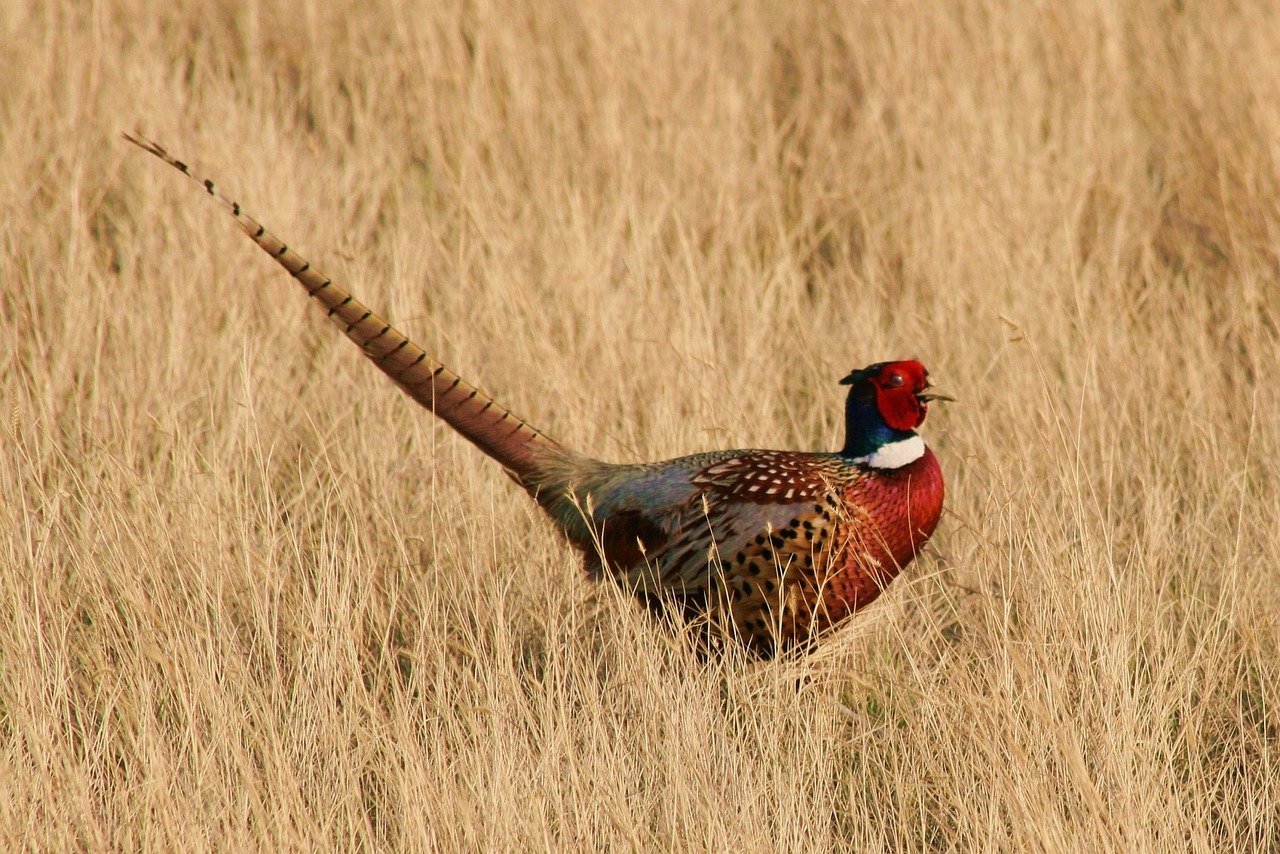
The Ring-necked Pheasant: A Symbol of the Prairie
The decision to designate the Ring-necked Pheasant as the official state bird in 1943 was no arbitrary choice. It reflected the bird’s profound impact on the state’s ecology, economy, and the daily lives of its residents. For tourists, recognizing this connection provides a deeper appreciation for the landscapes they traverse and the local culture they encounter.
Introduction to the Ring-necked Pheasant
The Ring-necked Pheasant is an undeniable spectacle, particularly the male, or rooster, with its iridescent plumage, long tail feathers, and distinctive white neck ring. Originally native to Asia, these hardy birds were introduced to North America in the late 19th century and found an ideal habitat in the fertile farmlands and grasslands of the Great Plains. Their vibrant appearance and distinctive cackle make them easily recognizable, even to novice birdwatchers. They prefer agricultural fields, dense grasses, and areas with ample cover, which South Dakota offers in abundance, especially east of the Missouri River.
Why the Ring-necked Pheasant was Chosen
The selection of the Ring-necked Pheasant was rooted in its sheer prevalence and its burgeoning economic importance at the time. Unlike many state birds that are native species, the pheasant thrived in South Dakota to such an extent that it became an ecological success story. Its adaptability to the agricultural landscape meant that its population boomed, creating unparalleled hunting opportunities. This led to a significant influx of hunters from across the nation, generating substantial revenue and fostering a unique hunting culture that became integral to the state’s identity. The bird wasn’t just admired for its beauty; it was celebrated for its contribution to the state’s prosperity and outdoor heritage.
Its Place in South Dakota’s Ecosystem
While an introduced species, the Ring-necked Pheasant has carved out a significant niche within South Dakota’s ecosystem. It thrives in mosaic landscapes, utilizing crop fields for food, dense cover for nesting and protection, and wetlands for water sources. Its presence has also influenced conservation efforts, particularly those aimed at preserving grassland habitats which benefit not only pheasants but also numerous native species. Understanding this ecological integration helps tourists appreciate the intricate balance of the state’s natural environment and the ongoing efforts to maintain healthy ecosystems.
Tourism Centered Around the Ring-necked Pheasant
For many visitors, the mention of the Ring-necked Pheasant immediately conjures images of the state’s vibrant hunting season. This is no coincidence; pheasant hunting is not just an activity in South Dakota—it is a cultural phenomenon and a multi-million-dollar industry that shapes much of the state’s tourism landscape.
Pheasant Hunting: A Cornerstone of South Dakota Tourism
South Dakota proudly holds the title of the “Pheasant Capital of the World,” attracting tens of thousands of hunters annually. The pheasant hunting season, typically running from October through January, transforms quiet towns into bustling hubs. Hunters travel from all corners of the globe, eager to experience the thrill of flushing these robust birds from dense cover. Local outfitters, lodges, and guide services cater specifically to this clientele, offering everything from all-inclusive hunting packages to dog kenneling and bird cleaning services. For tourists interested in outdoor sports, this provides an unparalleled opportunity to engage with a deeply ingrained local tradition.
Economic Impact of Hunting Tourism
The economic ripple effect of pheasant hunting tourism is substantial. It supports countless small businesses across rural South Dakota, from gas stations and restaurants to hotels and specialty stores. The state estimates that pheasant hunting injects hundreds of millions of dollars into its economy each year. This revenue helps fund local services, create jobs, and sustain communities that might otherwise struggle. For visitors, contributing to this economy means directly supporting the livelihoods of South Dakota residents and experiencing the authentic hospitality that defines rural America.
Ethical Hunting Practices and Conservation
Crucially, South Dakota’s pheasant hunting industry is built upon a strong foundation of conservation and ethical practices. The state’s Game, Fish and Parks department diligently manages pheasant populations through habitat improvement programs, setting bag limits, and regulating hunting seasons to ensure sustainability. Many landowners actively participate in conservation initiatives, creating optimal habitats on their properties. Tourists interested in hunting are encouraged to engage with reputable outfitters who adhere to these guidelines, ensuring a responsible and ethical experience. This commitment to conservation ensures that the Ring-necked Pheasant will remain a cherished resource for generations to come.
Experiencing South Dakota’s Natural Beauty Beyond the Hunt
While hunting is a major draw, the Ring-necked Pheasant and its prairie habitat offer numerous opportunities for tourists to engage with South Dakota’s natural environment in non-hunting capacities. Birdwatching, photography, and general wildlife observation provide equally rewarding experiences.
Birdwatching and Wildlife Photography Opportunities

For avian enthusiasts and photographers, the vibrant plumage of the Ring-necked Pheasant makes it a prime subject. Beyond pheasants, South Dakota’s diverse habitats support a rich array of bird species, from raptors soaring over the Black Hills to waterfowl congregating in the state’s numerous wetlands. Areas like the Missouri River corridor, state parks such as Custer State Park, and lesser-known wildlife management areas offer excellent vantage points. Resources from organizations like the Audubon Society or local birding groups can provide invaluable tips on prime viewing locations and seasonal migrations.
Exploring Pheasant Habitats: Prairies and Wetlands
Understanding where pheasants thrive enhances the appreciation of South Dakota’s distinct landscapes. The state’s vast prairies, often interspersed with agricultural fields, provide essential cover and food sources. Wetlands, crucial for various bird species, also serve as vital watering holes and escape cover for pheasants. Tourists can explore these habitats through designated scenic drives, hiking trails, or by visiting state recreation areas. Experiencing the sheer expanse of the Great Plains and observing its wildlife in their natural settings offers a tranquil yet profound connection to the land.
Family-Friendly Nature Activities
South Dakota’s natural environment provides a fantastic playground for families. Beyond specific pheasant-focused activities, many state parks and national wildlife refuges offer educational programs, junior ranger activities, and interpretive trails that teach visitors about local flora and fauna. Children can learn about the pheasant’s life cycle, its role in the ecosystem, and the importance of conservation. Pairing a visit to Mount Rushmore or Badlands National Park with a quiet afternoon exploring a local nature preserve can offer a well-rounded and enriching family vacation.
Local Culture and the Ring-necked Pheasant
The Ring-necked Pheasant’s influence extends beyond economic impact, permeating the local culture of South Dakota in tangible ways. From cuisine to community events, the bird is a source of pride and a recurring motif.
Pheasant in Local Cuisine and Festivals
It’s no surprise that the Ring-necked Pheasant often features prominently in local culinary traditions, especially during hunting season. Many restaurants in towns like Pierre and other rural communities offer seasonal pheasant dishes, showcasing its lean, flavorful meat in stews, roasts, or gourmet preparations. Beyond dining, various communities host “Pheasant Fest” or “Pheasant Opener” celebrations, marking the start of the hunting season with parades, cook-offs, and community gatherings. These events provide tourists with an authentic taste of local life and an opportunity to mingle with residents.
Educational Initiatives and Visitor Centers
To educate both residents and visitors about the state’s most famous bird, numerous educational initiatives and visitor centers focus on the Ring-necked Pheasant. These facilities often feature exhibits detailing the bird’s introduction to South Dakota, its biology, habitat requirements, and the history of pheasant hunting. They serve as excellent starting points for tourists looking to deepen their understanding of this important cultural and natural resource. Engaging with these resources offers insights into the conservation efforts that ensure the pheasant’s continued prosperity.
The Ring-necked Pheasant as a Cultural Icon
Ultimately, the Ring-necked Pheasant has transcended its role as a game bird to become a genuine cultural icon for South Dakota. It symbolizes the state’s agricultural heritage, its rugged outdoor spirit, and its commitment to conservation. Images of the pheasant adorn local businesses, souvenirs, and promotional materials, proudly proclaiming the state’s unique connection to this magnificent bird. For tourists, encountering these symbols adds another layer of appreciation for the distinct identity of South Dakota.
Planning Your South Dakota Pheasant Experience
Whether you’re a seasoned hunter, a passionate birdwatcher, or simply a curious traveler, a trip to South Dakota offers myriad ways to connect with its state bird. Careful planning will ensure a fulfilling and memorable experience.
Best Times to Visit for Hunting or Birdwatching
For hunting, the pheasant season typically opens in mid-October and runs through January. Prime hunting conditions often occur after the first snowfalls, which help concentrate the birds. For birdwatching, while pheasants can be seen year-round, late spring and early summer offer opportunities to observe nesting behaviors and chicks, while late fall provides excellent chances to see roosters in their full breeding plumage. Off-season visits also allow for exploring the habitats without the high volume of hunting traffic.
Essential Gear and Guides
If planning a hunting trip, appropriate hunting attire, safety gear, and a licensed hunting dog are often essential. Many outfitters provide guided experiences, which are highly recommended for first-timers, as they offer local expertise, access to private lands, and often include lodging and meals. For birdwatchers and photographers, binoculars, telephoto lenses, field guides specific to the Great Plains, and quiet, earth-toned clothing are advisable. Regardless of your activity, always check the state’s Game, Fish and Parks regulations for necessary licenses, permits, and season dates.

Respecting the Environment and Local Communities
When engaging with South Dakota’s natural and cultural heritage, respectful behavior is paramount. Always obtain proper permissions before entering private land, practice Leave No Trace principles in natural areas, and be mindful of local customs and quiet enjoyment, especially in rural communities. Supporting local businesses, engaging with residents, and demonstrating an appreciation for the state’s unique offerings will enrich your experience and foster a positive interaction with the people and places that make South Dakota truly special.
In conclusion, the Ring-necked Pheasant is much more than just the state bird of South Dakota. It is a vibrant thread woven through the state’s identity, influencing its economy, shaping its landscapes, and defining a significant part of its tourism appeal. For any traveler seeking to delve deeper into the spirit of the Great Plains, understanding and experiencing the world of the pheasant offers a profound and unforgettable journey into the heart of South Dakota.
LifeOutOfTheBox is a participant in the Amazon Services LLC Associates Program, an affiliate advertising program designed to provide a means for sites to earn advertising fees by advertising and linking to Amazon.com. Amazon, the Amazon logo, AmazonSupply, and the AmazonSupply logo are trademarks of Amazon.com, Inc. or its affiliates. As an Amazon Associate we earn affiliate commissions from qualifying purchases.