
Embarking on a journey to the heartland of America, particularly to a state as geographically diverse and surprisingly expansive as North Dakota, requires more than just mapping out attractions and booking accommodations. Savvy travelers understand that time, or more precisely, time zones, can play a pivotal role in the seamless execution of their itinerary. While many states neatly fall into a single time zone, North Dakota presents a unique dual-time zone scenario that, if overlooked, can lead to confusion, missed appointments, or even a scramble to catch a flight. For those planning an adventure through its rolling prairies, vibrant cities, and majestic badlands, understanding the current time in North Dakota is not just a matter of curiosity; it’s a fundamental aspect of travel planning. This guide delves into the intricacies of North Dakota’s time zones, offering insights and practical advice to ensure your visit is perfectly timed.
Understanding North Dakota’s Unique Time Zones
At first glance, the question “What is the time now in North Dakota?” seems straightforward. However, the answer is nuanced, as the state straddles two distinct time zones. This geographical quirk is a defining feature of travel within the region, demanding attention from anyone crossing its borders or navigating its internal landscape.
Central vs. Mountain Time: A State Divided
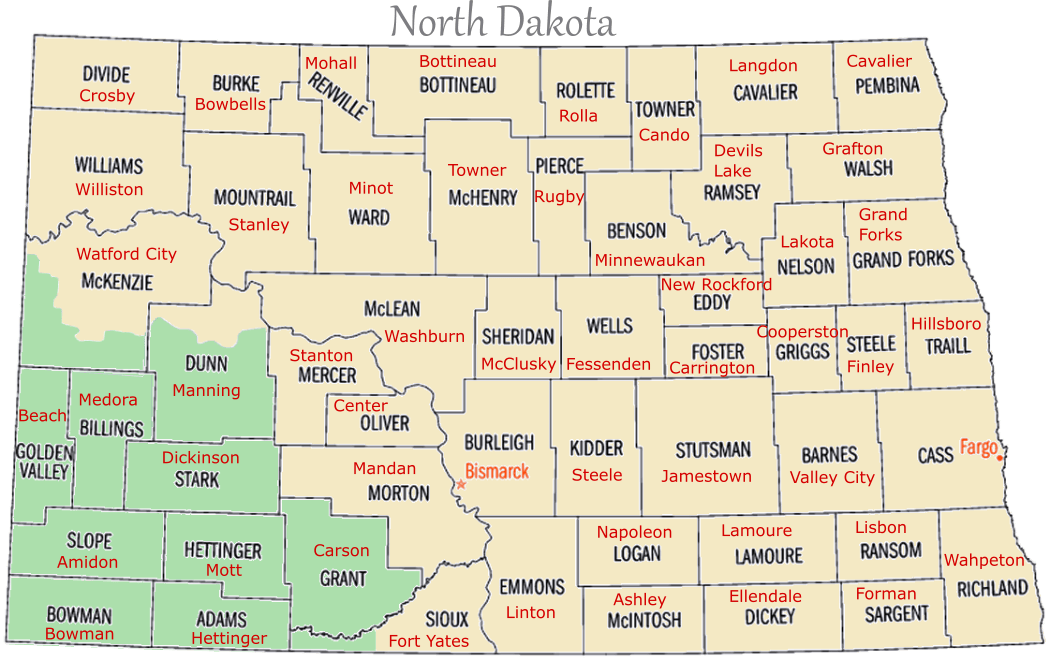
The vast majority of North Dakota, encompassing its populous eastern and central regions, operates on Central Time (CT). This includes major cities like Fargo, Grand Forks, and the state capital, Bismarck. However, the southwestern corner of the state observes Mountain Time (MT). This smaller, but significant, portion includes communities such as Dickinson and the popular tourist destination of Medora, home to the magnificent Theodore Roosevelt National Park. The time difference between these two zones is one hour, with Mountain Time being an hour behind Central Time. This means that when it’s 3:00 PM in Fargo, it’s 2:00 PM in Dickinson. Recognizing this boundary is the first step in mastering travel logistics in North Dakota.
Why the Split? A Geographical and Historical Perspective
The delineation of time zones in North Dakota is primarily a matter of geographical convenience and historical precedent, mirroring similar splits in other western and midwestern states. Time zones were originally established to standardize rail travel schedules across the continent. As communities developed, they often chose a time zone that best aligned with their economic and social ties. For North Dakota, the eastern and central parts naturally gravitated towards the Central Time zone due to their connections with states like Minnesota and South Dakota. The rugged, less populated southwestern reaches, however, found greater synergy with neighboring Montana and the Rocky Mountain states, thus adopting Mountain Time. This arrangement, while seemingly complex, serves to minimize disruption for local residents and businesses within their respective regional spheres of influence.
Daylight Saving Time: The Annual Shift
Like most of the United States, North Dakota observes Daylight Saving Time (DST). This means that on the second Sunday in March, clocks “spring forward” one hour, and on the first Sunday in November, they “fall back” one hour. This shift affects both the Central Time and Mountain Time portions of the state simultaneously. During DST, the zones are referred to as Central Daylight Time (CDT) and Mountain Daylight Time (MDT). The important takeaway for travelers is that the one-hour difference between the two regions of North Dakota remains consistent throughout the year, regardless of whether DST is in effect. However, travelers arriving from states that do not observe DST (like Arizona, except for the Navajo Nation) will need to adjust their clocks accordingly upon entering North Dakota.
Practical Implications for Travelers to North Dakota
Understanding the time zone split in North Dakota isn’t just an academic exercise; it has tangible impacts on every aspect of your travel experience. From booking flights to dining reservations, a miscalculation of time can throw your meticulously planned itinerary into disarray.
Planning Your Itinerary: Flights, Drives, and Appointments
The most significant impact of North Dakota’s dual time zones is on scheduling. When booking flights, especially those with connections or originating from outside the state, always confirm the local time of departure and arrival. For example, a flight from Fargo to Dickinson might show a relatively short duration, but the arrival time will seem an hour earlier than the elapsed flight time due to crossing into the Mountain Time zone. Similarly, if you’re driving across the state, particularly between the eastern and western halves, remember to adjust your clock as you cross the invisible time zone boundary. This is critical for making check-in times for hotels, scheduled tours, or dinner reservations. Many GPS devices and smartphones will automatically update, but a manual check is always recommended to avoid unpleasant surprises.
Coordinating with Locals and Businesses
Effective communication is key to a smooth trip, and this includes being mindful of local time. If you’re arranging to meet a tour guide in Medora or scheduling a call with a car rental agency in Bismarck, double-check which time zone they operate in. Businesses, attractions, and public services will adhere to their local time. For instance, a bank in Minot (Central Time) will open an hour later by the clock than a hotel in Williston (Mountain Time) even if both open at 9 AM local time. When making reservations or confirming details, specify “Central Time” or “Mountain Time” to eliminate any ambiguity. This small detail can prevent missed opportunities or wasted time waiting.
Avoiding “Time Zone Tango”: Tips for Seamless Transitions

To navigate North Dakota’s time zones like a pro, consider these tips. First, wear a watch or use a device that allows you to easily display both CT and MT, or simply keeps local time updated automatically. Second, when planning cross-state drives, identify approximate points where you’ll transition between zones; these are generally well-marked by signs on major highways. For instance, the time zone boundary generally follows the western edge of counties such as Mercer, Oliver, Morton, and Sioux, stretching south from the Missouri River down to the South Dakota border. Heading west on Interstate 94, you’ll eventually encounter signs indicating the time zone change. Third, create a detailed itinerary that explicitly states the time zone for each activity or booking. Finally, when in doubt, always confirm with the local establishment. A quick call or a check of their website will clarify their operating hours in their respective local time, ensuring your travel plans remain perfectly aligned with the clock.
Exploring North Dakota: Attractions Across Time Zones
North Dakota’s diverse landscapes and attractions are spread across its two time zones, offering unique experiences whether you’re syncing your watch to Central Time or Mountain Time.
Eastern North Dakota: The Central Time Zone Hub
The eastern half of North Dakota is a vibrant hub of activity, all operating on Central Time. Here, you’ll find the state’s largest city, Fargo, known for its thriving arts scene, delicious culinary offerings, and the North Dakota State University. A visit to the Fargo Air Museum or a stroll through downtown’s unique boutiques can easily fill a day. Further north, Grand Forks is home to the University of North Dakota and offers attractions like the Ralph Engelstad Arena, a mecca for hockey fans. Even the state capital, Bismarck, situated closer to the geographical center but still firmly in Central Time, boasts sites such as the North Dakota Heritage Center & State Museum and scenic views along the Missouri River. These cities provide a fantastic starting point for any North Dakota adventure, with easy access to major airports and a wealth of cultural experiences, all within the convenience of Central Time.
Western North Dakota: Mountain Time’s Majestic Landscapes
Venturing westward into North Dakota’s Mountain Time zone reveals a dramatically different landscape, dominated by the rugged beauty of the Badlands. The crown jewel of this region is undoubtedly Theodore Roosevelt National Park, where visitors can explore picturesque canyons, observe bison and wild horses, and hike through serene wilderness. The charming town of Medora, located right at the entrance to the park’s South Unit, offers a taste of the Old West with its Medora Musical and cowboy culture. Further north, Williston serves as a gateway to the Fort Union Trading Post National Historic Site, a reconstructed fur trade post that transports visitors back in time. Minot, while primarily in Central Time, is relatively close to the time zone boundary and acts as a significant gateway to the northern reaches of western North Dakota. Experiencing these natural wonders and historical sites requires a mindful approach to time, ensuring you’re operating on Mountain Time to fully enjoy the extended daylight and quiet grandeur of the west.
The Time Zone Border: A Curious Crossing Point
For an interesting travel anecdote, consider identifying and crossing the time zone border itself. While not a dramatic geographical feature, knowing when you transition from Central Time to Mountain Time (or vice versa) can be a fun part of your journey. As mentioned, major highways like Interstate 94 often have signs indicating the change. For instance, traveling west past Mandan and Hebron on I-94, you will eventually cross into Mountain Time before reaching Dickinson. This invisible line is a reminder of the subtle complexities that add character to the American landscape and the importance of paying attention to the clock, even when on vacation. It’s a unique aspect of North Dakota travel that enhances the sense of discovery and adventure.
Beyond the Clock: Maximizing Your North Dakota Experience
While accurately knowing the time is crucial for logistical reasons, understanding North Dakota’s time zones also enhances the overall travel experience, allowing you to synchronize with the rhythm of local life and make the most of every moment.
Embracing the Pace: How Time Influences Local Life
The dual time zones can subtly influence the pace of life in different parts of the state. The Central Time cities, often more densely populated and commercially oriented, might feel a bit more bustling, aligning with the fast pace of the Midwest. Conversely, the Mountain Time region, with its vast open spaces and emphasis on outdoor recreation, can feel more relaxed, as if time itself slows down to match the expansive horizons. This isn’t a hard and fast rule, but recognizing this subtle difference can help you adjust your expectations and immerse yourself more deeply in the local culture, whether it’s enjoying an early morning coffee in Fargo or catching a breathtaking sunset over the Badlands in Medora.
Time Management for Adventure Seekers
For travelers keen on outdoor adventures, understanding time zones can significantly impact daylight hours, especially during different seasons. In the summer, the Mountain Time zone offers later sunsets, providing more daylight for hiking, fishing, or scenic drives in Theodore Roosevelt National Park. This extended evening light can be a boon for photographers or those who prefer to enjoy the cooler parts of the day for their activities. Conversely, in winter, the earlier sunrise in Central Time might mean more usable daylight for morning activities in cities like Bismarck. Factor these considerations into your activity planning to optimize your exposure to North Dakota’s natural beauty and recreational opportunities.

Staying Connected Across Time Zones
Finally, if you’re traveling with family or friends who are not with you, or need to stay connected for work, being aware of North Dakota’s time zones is essential. Clearly communicating your local time when making plans or checking in can prevent missed calls and frustrating misunderstandings. Many modern smartphones and computers automatically update time zones, but always verify, especially when crossing the internal boundary. A quick glance at your device’s clock should tell you “What is the time now in North Dakota?” for your precise location, ensuring your connections, both personal and professional, remain perfectly in sync with your adventure.
In conclusion, while the question “What is the time now in North Dakota?” might seem simple, the answer holds a nuanced complexity that is vital for any traveler. By understanding the division into Central Time and Mountain Time, factoring in Daylight Saving Time, and applying practical planning tips, you can ensure your journey through the Roughrider State is not only insightful and engaging but also perfectly punctual.
LifeOutOfTheBox is a participant in the Amazon Services LLC Associates Program, an affiliate advertising program designed to provide a means for sites to earn advertising fees by advertising and linking to Amazon.com. Amazon, the Amazon logo, AmazonSupply, and the AmazonSupply logo are trademarks of Amazon.com, Inc. or its affiliates. As an Amazon Associate we earn affiliate commissions from qualifying purchases.