
For travelers planning a journey to the heartland of America, understanding the intricacies of local time zones is paramount to a seamless and stress-free experience. South Dakota, a state renowned for its sprawling prairies, iconic monuments, and rich indigenous history, presents a unique challenge: it straddles two distinct time zones. This geographical quirk means that visitors moving from one part of the state to another might find themselves gaining or losing an hour, a detail critical for everything from catching a flight to arriving on time for a tour. Navigating this dual-time zone landscape requires a little foresight, but with the right information, exploring South Dakota’s diverse offerings becomes an effortless adventure.
Navigating South Dakota’s Dual Time Zones
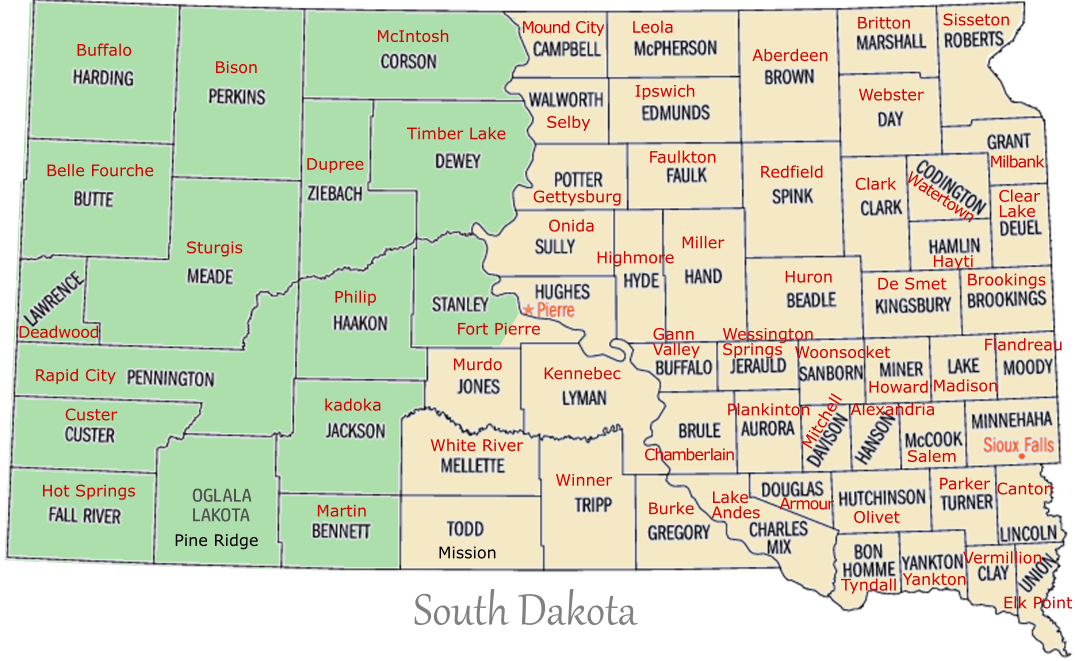
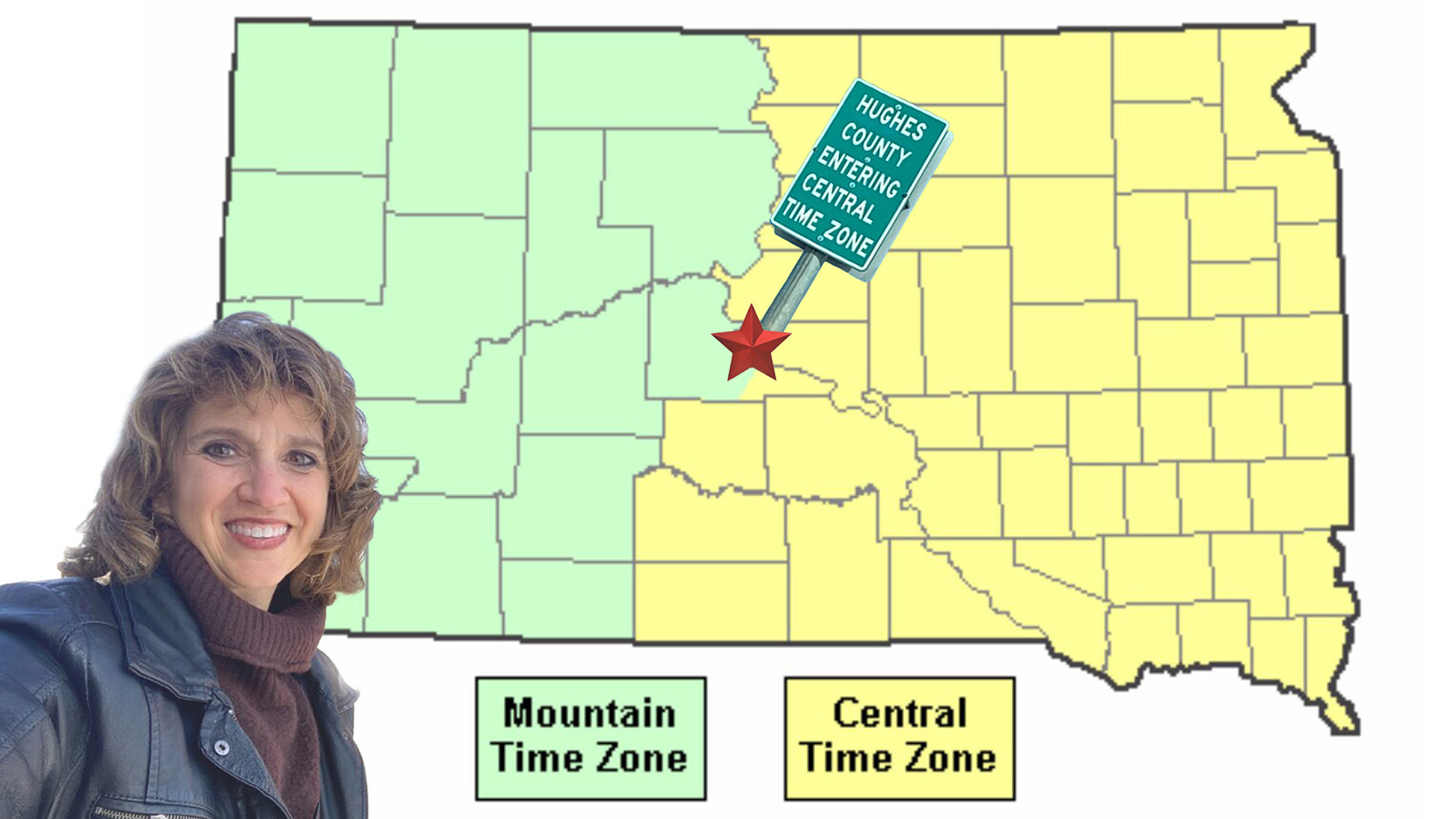
South Dakota is one of thirteen United States states that are split between two time zones. The dividing line generally follows the western edge of the counties that border the Missouri River, though there are some specific county-level exceptions. This division results in a significant portion of the state observing Central Time, while the westernmost regions operate on Mountain Time.
Central Time Zone (CT) Dominance
The majority of South Dakota, encompassing its eastern and central parts, falls within the Central Time Zone. This includes the state’s most populous city, Sioux Falls, along with the state capital, Pierre. When observing standard time, this region operates on Central Standard Time (CST), which is UTC-6. During the summer months, with the observance of Daylight Saving Time, it switches to Central Daylight Time (CDT), at UTC-5.
Key cities and areas within the Central Time Zone include:
- Sioux Falls: The state’s economic hub, known for its vibrant arts scene and beautiful parks.
- Pierre: The small but historically rich state capital, nestled on the Missouri River.
- Aberdeen: A significant regional center in the northeast, offering a blend of cultural and recreational activities.
- Brookings: Home to South Dakota State University, with a lively collegiate atmosphere.
- Many popular natural attractions like the Lewis and Clark Recreation Area near Yankton and Palisades State Park near Garretson are also within this time zone.
For travelers staying exclusively in these eastern and central regions, managing time will be straightforward, as all activities will adhere to Central Time.
The Mountain Time Zone (MT) in Western South Dakota
As you journey west, particularly beyond the general vicinity of the Missouri River, you’ll enter the Mountain Time Zone. This region operates an hour behind Central Time. During standard time, it is Mountain Standard Time (MST), which is UTC-7. With the advent of Daylight Saving Time, it switches to Mountain Daylight Time (MDT), at UTC-6.
This western portion of South Dakota is home to some of the state’s most iconic and heavily visited attractions, making this time zone shift particularly relevant for tourists. Key areas and cities in the Mountain Time Zone include:
- Rapid City: Often dubbed the “Gateway to the Black Hills“, it serves as a central hub for western South Dakota tourism.
- The entire Black Hills region: This includes national treasures such as Mount Rushmore National Memorial, Crazy Horse Memorial, and Custer State Park.
- Badlands National Park: A striking landscape of eroded buttes and pinnacles, famous for its fossil beds.
- The historic town of Deadwood: A legendary Old West town with gambling and historical reenactments.
- Wall: While the town of Wall itself is technically in the Central Time Zone, its proximity to Badlands National Park (which is in Mountain Time) makes it a common point of time zone transition for travelers. Wall Drug is a popular stop, and travelers often experience the shift right around this area.
For those venturing into the scenic wonders of western South Dakota, remember to adjust your clocks back an hour if coming from the east, or forward an hour if heading from the west, to ensure you’re in sync with local operations.
Understanding Daylight Saving Time in South Dakota
Both the Central Time Zone and the Mountain Time Zone within South Dakota observe Daylight Saving Time (DST). This means that clocks are adjusted forward by one hour in the spring and back by one hour in the fall, in unison across the state, albeit from different base times.
Annual Clock Changes
Daylight Saving Time (DST) typically begins on the second Sunday in March, when clocks “spring forward” one hour. It concludes on the first Sunday in November, when clocks “fall back” one hour. During this period, Central Standard Time (CST) becomes Central Daylight Time (CDT), and Mountain Standard Time (MST) becomes Mountain Daylight Time (MDT). This synchronicity ensures that the one-hour difference between the two zones remains constant throughout the year. For travelers, this means that while the specific UTC offset changes, the relative difference between the state’s eastern and western halves does not.
Impact on Travel Planning
The observance of Daylight Saving Time (DST) adds another layer to time zone management for travelers. It affects several aspects of travel planning:
- Flight Schedules: When booking flights, particularly those arriving or departing during the transition weeks of March and November, always confirm the local time of arrival and departure. Airlines typically adjust their schedules, but understanding whether the time shown is Standard Time or Daylight Time is crucial.
- Hotel Check-ins and Check-outs: Most hotels operate on local time. Ensure your check-in and check-out times align with the specific time zone of your accommodation, especially if your travel dates coincide with the DST changes.
- Attraction Opening Hours: Museums, national parks, and other attractions will publish their operating hours in local time. During DST, these hours will appear one hour later relative to Standard Time in terms of UTC, but locally, they simply reflect the shifted clock. Always double-check specific attraction websites for the most current information.
- Tour Bookings and Reservations: If you’re booking guided tours or making dinner reservations, particularly across the time zone divide, being aware of DST and the time zone switch is essential to avoid missing your scheduled activities.
Modern smartphones and GPS devices typically adjust automatically to local time zones and DST changes, which can be a significant convenience for travelers. However, it’s always wise to have a manual check or be aware of the changes, especially in areas with spotty cell service or when relying on traditional watches.
Practical Implications for Travelers
Understanding South Dakota’s time zone geography is more than just an interesting fact; it’s a practical necessity for any traveler hoping to maximize their visit without hiccups. From scheduling your day to ensuring smooth transitions between destinations, mindful planning can make all the difference.
Planning Itineraries Across Time Zones
The most critical implication for travelers is when their itinerary involves crossing the invisible line between the Central and Mountain Time Zones. This usually occurs when driving from eastern cities like Sioux Falls to western attractions in the Black Hills or Badlands.
- Driving Westward (Losing an hour): If you depart from Pierre (CT) at 9:00 AM for Rapid City (MT), your clock will effectively go back an hour upon entering the Mountain Time Zone. This can feel like a bonus hour, giving you more daylight in the evening. However, remember that any appointments or bookings in Rapid City will be based on Mountain Time. A 1:00 PM lunch reservation in Rapid City means you need to be there at 1:00 PM Mountain Time, which would be 2:00 PM Central Time.
- Driving Eastward (Gaining an hour): Conversely, driving from Rapid City (MT) to Sioux Falls (CT) will mean you “gain” an hour. If you leave Rapid City at 9:00 AM, you’ll enter the Central Time Zone where it will suddenly be 10:00 AM. This can be tricky for morning appointments or check-ins. A 10:00 AM meeting in Sioux Falls means leaving Rapid City at 8:00 AM Mountain Time to arrive on schedule.
Always double-check your GPS or smartphone’s time setting, as they usually auto-adjust. However, a quick mental calculation or asking locals can provide extra assurance.
Key Attractions and Their Time Zones
To further assist in planning, here’s a reminder of some major South Dakota attractions and their respective time zones:
- Mountain Time Zone (MT):
- Mount Rushmore National Memorial
- Crazy Horse Memorial
- Custer State Park (including the Wildlife Loop Road and Needles Highway)
- Badlands National Park
- Wind Cave National Park
- The towns of Rapid City and Deadwood
- Central Time Zone (CT):
- Sioux Falls (Falls Park, Sculpture Walk)
- Pierre (State Capitol)
- Wall Drug Store (a notable landmark just east of the MT boundary)
- Mitchell (Corn Palace)
- Lewis and Clark Recreation Area
When planning multi-day itineraries that traverse the state, creating a schedule that clearly marks the time zone for each activity can prevent confusion.
Communication and Business Hours
For those traveling for business, or simply needing to communicate with businesses or friends and family back home, the time zone difference is a crucial consideration.
- Business Operations: Banks, government offices, and many local businesses will strictly adhere to their local time zone. If you need to make a phone call to a business in Rapid City from Sioux Falls, remember there’s an hour difference. A 9 AM opening in Rapid City means 10 AM in Sioux Falls.
- Tour Start Times: Many tour operators, especially those conducting trips to the Black Hills region, will clearly state the local time of departure. Confirming this when booking will avoid missing your tour.
- Family and Friends: When calling home, factor in the time zone differences. This is particularly relevant if you’re communicating with people in other states or countries, adding another layer to the calculation.
Maintaining awareness of the local time zone where you are physically located is the golden rule. Check your devices, ask locals, and always confirm booking times.
Historical Context and Geographical Factors
The division of South Dakota into two time zones is not arbitrary; it’s a consequence of both geographical logic and historical precedent tied to the development of standardized time in the United States.
Why Two Time Zones?
The system of standardized time zones was primarily established in the late 19th century by railroad companies to rationalize train schedules across the vast North American continent. Before this, each town kept its own local “sun time,” leading to immense confusion. The standard time zones were then codified by federal law in the early 20th century.
South Dakota’s position on the map naturally lends itself to this split. It is situated between states predominantly in the Central Time Zone to its east (Minnesota, Iowa, North Dakota, Nebraska) and states primarily in the Mountain Time Zone to its west (Wyoming, Montana). The Missouri River, which bisects the state, serves as a convenient and often followed natural boundary for the time zone division. This river has historically been a significant geographical feature, influencing settlement patterns and communication, making it a logical, albeit not perfectly straight, dividing line. This geographical alignment minimizes the impact on interstate commerce and communication with neighboring states.

Time Zone Lines and Local Exceptions
While the Missouri River generally serves as the time zone boundary, it’s important to note that time zone lines don’t always follow perfectly straight lines or major geographical features. They are often adjusted to accommodate county lines or specific community preferences to avoid splitting a single community into two time zones. In South Dakota, the federal law actually defines the time zone boundary at the western borders of certain counties that generally line up with the Missouri River. For example, counties like Lyman and Tripp are fully in Central Time even though parts of them are west of the river. Conversely, counties like Stanley, which Pierre is in, are almost entirely in Central Time, maintaining a consistent time for the state capital. These minor deviations underscore the importance of verifying the local time, especially if traveling through lesser-known areas or smaller towns close to the border. Always default to checking the local time on a smartphone or asking for clarification from residents or businesses.
In conclusion, South Dakota’s dual time zone system, while potentially a point of confusion, is a logical outcome of its geography and historical development. For the prepared traveler, it simply becomes another interesting detail of their journey through this fascinating state.
Embracing the complexities of South Dakota’s dual time zones is an integral part of navigating its diverse landscapes and attractions. By understanding the division between the Central and Mountain Time Zones, and being mindful of Daylight Saving Time, travelers can ensure their journey is as smooth and enjoyable as the vast, open roads that define this incredible state. From the bustling streets of Sioux Falls to the majestic carvings of Mount Rushmore, every moment of your South Dakota adventure will be perfectly timed.
LifeOutOfTheBox is a participant in the Amazon Services LLC Associates Program, an affiliate advertising program designed to provide a means for sites to earn advertising fees by advertising and linking to Amazon.com. Amazon, the Amazon logo, AmazonSupply, and the AmazonSupply logo are trademarks of Amazon.com, Inc. or its affiliates. As an Amazon Associate we earn affiliate commissions from qualifying purchases.