
When considering a travel destination, understanding its demographic profile offers crucial insights into the experience awaiting you. The population of a state like North Dakota is more than just a statistic; it paints a picture of its vast landscapes, the pace of life, the density of its communities, and the unique character that defines it. For travelers seeking authentic experiences, uncrowded natural wonders, and genuine hospitality, North Dakota’s population figures tell a compelling story.
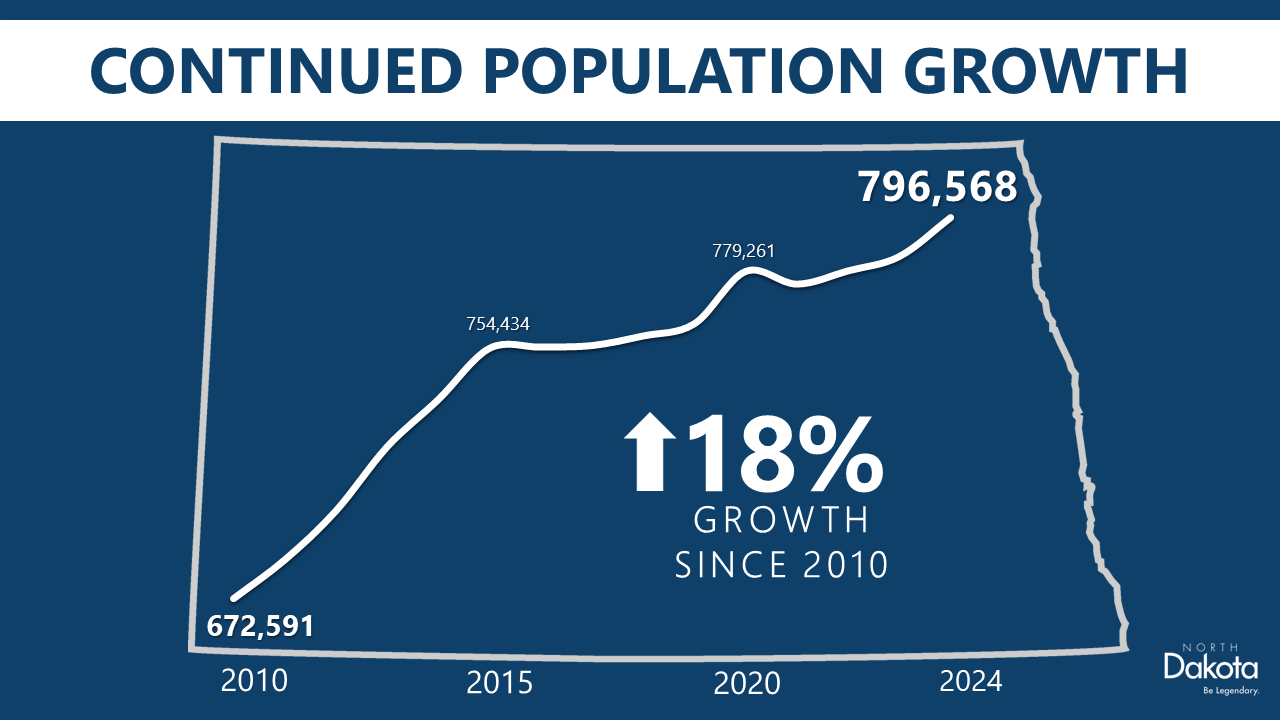
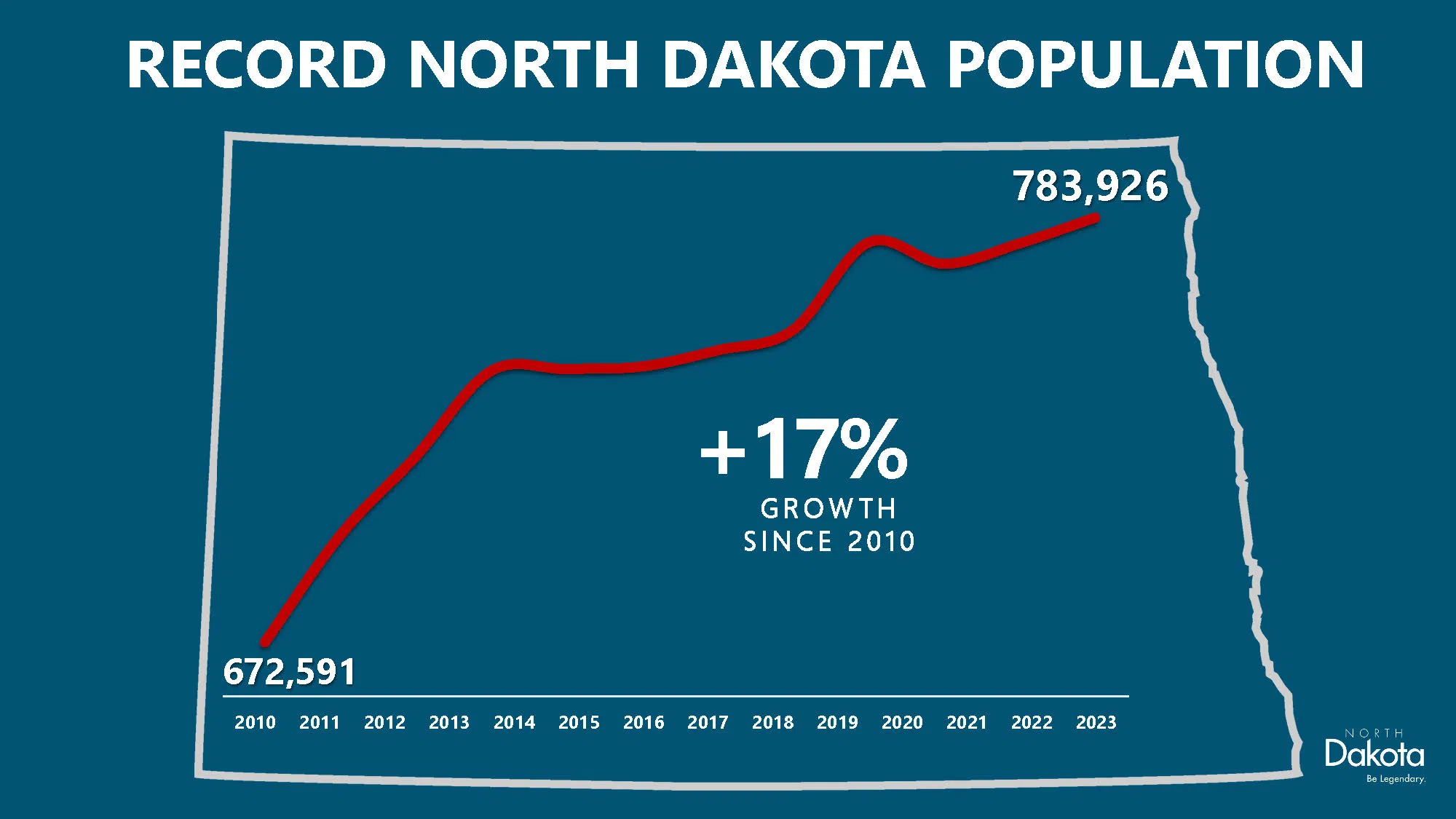
As of recent estimates (typically from the U.S. Census Bureau), the population of North Dakota hovers around 780,000 to 800,000 residents. This places it among the least populous states in the United States. This relatively small number, especially when spread across its immense land area of over 70,000 square miles, results in one of the lowest population densities in the nation. For the discerning traveler, this low density translates directly into expansive skies, open roads, and an unparalleled sense of freedom and space—qualities that are increasingly rare in a crowded world.
This article delves into what North Dakota’s population means for those planning a visit, exploring how its demographics shape everything from its vibrant cities to its serene wilderness areas, and ultimately, the unforgettable journey you can expect.
North Dakota’s Demographic Landscape: A Canvas of Space and Community
The population of North Dakota is a defining feature that profoundly impacts its identity and appeal as a travel destination. With fewer people per square mile than almost any other state, North Dakota offers a unique sense of expansiveness and solitude that can be incredibly refreshing for travelers escaping the hustle and bustle of urban life. This low population density means vast stretches of prairie, badlands, and fertile farmland dominate the landscape, providing an uninterrupted backdrop for exploration.
Historically, North Dakota’s population has seen periods of both growth and decline, often tied to agricultural booms and busts, and more recently, the significant impact of the energy sector. The Bakken Formation oil boom in the early 21st century brought a surge of new residents and economic activity, particularly to the western part of the state. While this led to localized population growth and increased infrastructure development, the state’s overall population density remained remarkably low compared to the national average.
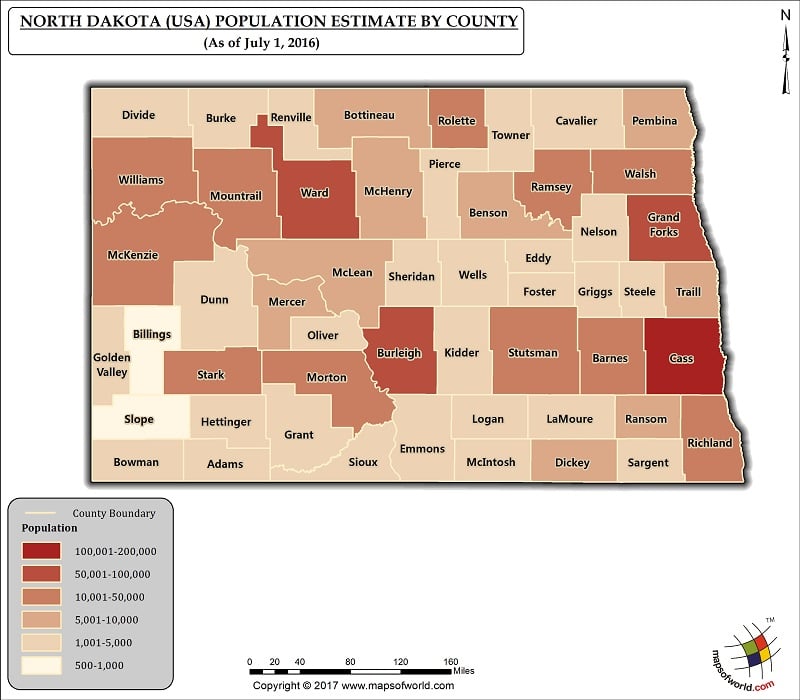
The distribution of North Dakota’s population is also telling. The majority of residents are concentrated in a few key urban centers, leaving much of the rural landscape sparsely populated. This creates a dichotomy where vibrant, growing cities like Fargo and Bismarck serve as cultural and economic hubs, while the rest of the state retains its frontier-like feel. For travelers, this means easy access to modern amenities, diverse dining options, and cultural attractions within the cities, coupled with the immediate availability of untouched wilderness just a short drive away. It allows for a travel experience that blends comfort and convenience with raw, unfiltered nature. This demographic reality underpins the appeal of North Dakota for those who value space, tranquility, and genuine connection with nature and community.
Population and the Traveler’s Experience: Uncrowded Wonders
The relatively small population of North Dakota directly translates into a distinct and often superior travel experience, particularly for those who prioritize peace, quiet, and authenticity. Unlike more densely populated destinations, North Dakota rarely feels crowded, even at its most popular attractions. This lack of congestion is a significant draw, allowing visitors to immerse themselves fully in the natural beauty and cultural offerings without the typical frustrations of mass tourism.
Imagine visiting a national park where you can hike for hours and encounter only a handful of other people, or enjoying a scenic drive without a constant stream of traffic. This is the reality in North Dakota. The uncrowded nature of its parks, lakes, and historical sites means more intimate encounters with wildlife, clearer views, and a deeper connection to the environment. Whether you’re exploring the dramatic badlands of Theodore Roosevelt National Park, fishing on the expansive Lake Sakakawea, or tracing the paths of Lewis and Clark along the Missouri River, the sense of having these wonders largely to yourself is truly profound.
Furthermore, the smaller population fosters a strong sense of community and genuine hospitality. Travelers often report feeling a warm welcome from locals, whether it’s a friendly wave on a rural road or an engaging conversation with a shop owner in a small town. This personal touch enhances the travel experience, offering insights into local life and creating memorable interactions that go beyond typical tourist-to-service provider exchanges. The pace of life tends to be slower, encouraging visitors to relax, unwind, and truly savour their journey. For those seeking an escape from the frantic pace of modern life and a chance to reconnect with nature and authentic human connection, North Dakota’s population profile makes it an ideal choice.
Key Population Centers and Their Distinct Appeal
While North Dakota is known for its vast open spaces, its major population centers serve as vibrant hubs offering distinct cultural, historical, and recreational opportunities. These cities, though smaller than metropolitan areas in other states, provide crucial amenities and attractions that complement the state’s natural wonders. Each offers a unique window into North Dakota’s character.
Fargo: Urban Hub & Cultural Scene
As North Dakota’s largest city, Fargo boasts a population exceeding 125,000 residents, forming the core of a larger metropolitan area that includes Moorhead, Minnesota. Fargo is a dynamic city known for its youthful energy, driven in part by North Dakota State University. Travelers will find a thriving downtown area with diverse dining options, craft breweries, art galleries, and live music venues. The city also features attractions like the Fargo Air Museum and the Plains Art Museum, offering cultural enrichment. Despite its urban feel, Fargo maintains a friendly, approachable atmosphere, making it an excellent starting point for exploring the eastern part of the state.
Bismarck: Capital City & Historical Heart
Bismarck, the state capital, is home to over 70,000 residents and serves as a historical and governmental hub. Perched on the banks of the Missouri River, Bismarck offers a blend of historical significance and modern amenities. Visitors can explore the impressive North Dakota Heritage Center & State Museum, which tells the story of the state from prehistoric times to the present. The State Capitol Building provides stunning views from its observation deck, and the nearby Fort Abraham Lincoln State Park offers insights into military history and Native American culture, including reconstructed Mandan earthlodges. Bismarck’s central location makes it an ideal base for exploring the heart of North Dakota.
Grand Forks: University Town & River Charm
With a population of around 55,000, Grand Forks is another significant urban center, situated along the Red River of the North on the border with Minnesota. Home to the University of North Dakota, it has a vibrant university town atmosphere. The city’s charming downtown boasts unique shops, restaurants, and a lively arts scene. Attractions include the North Dakota Museum of Art and the Ralph Engelstad Arena, renowned for its impressive architecture and status as a premier hockey venue. The Greater Grand Forks Greenway, a sprawling urban park system along the river, offers ample opportunities for outdoor recreation, from walking and biking to kayaking.
Minot: Magic City & Air Force Base Influence
Minot, often called the “Magic City,” has a population of roughly 48,000. Its identity is significantly shaped by the presence of the Minot Air Force Base, bringing a diverse population and a strong sense of patriotism. The city hosts the annual Norsk Høstfest, one of the largest Scandinavian festivals in North America, celebrating the region’s rich heritage. Travelers can visit the Roosevelt Park Zoo, explore the Dakota Territory Air Museum, or enjoy the city’s parks and golf courses. Minot’s position in north-central North Dakota makes it a gateway to exploring the scenic northern plains.
Embracing the Great Outdoors: A Low-Density Advantage
The modest population of North Dakota is undeniably one of its greatest assets for travelers seeking immersion in nature. The vast majority of the state’s land remains unblemished by dense human development, preserving breathtaking natural beauty and providing expansive opportunities for outdoor adventure. This low-density advantage means more pristine wilderness, clearer stargazing opportunities, and a profound sense of solitude that reconnects visitors with the natural world.
Theodore Roosevelt National Park: Wilderness & Wildlife
Perhaps the crown jewel of North Dakota’s natural attractions, Theodore Roosevelt National Park is a testament to the state’s raw, untamed beauty. Divided into three distinct units—the North Unit, South Unit, and Elkhorn Ranch Unit—the park encompasses dramatic badlands formations, sculpted by wind and water into intricate canyons, buttes, and petrified forests. Due to the state’s low population, visitor numbers here are significantly lower than more famous national parks, allowing for a more intimate experience with nature. Travelers can hike miles of trails, spot herds of bison, wild horses, elk, and prairie dogs, and capture stunning photographs of the rugged landscape without feeling rushed or crowded. The park offers an unparalleled opportunity to experience the solitude and grandeur that captivated President Theodore Roosevelt himself.
Lake Sakakawea: Water Recreation Paradise
Stretching for 178 miles, Lake Sakakawea is one of the largest man-made lakes in the world and a premier destination for water-based recreation. Formed by the impoundment of the Missouri River by the Garrison Dam, this immense reservoir offers over 1,300 miles of shoreline. The low population density surrounding the lake ensures that even during peak seasons, there’s always plenty of space for everyone. Anglers flock to its waters for world-class walleye fishing, while boaters, kayakers, and swimmers enjoy its vast expanse. Numerous state parks and recreation areas along its shores provide camping, hiking trails, and access points, making it an ideal destination for extended outdoor stays.
Scenic Byways & Unspoiled Landscapes
Beyond its flagship park and lake, North Dakota offers countless opportunities to explore its unspoiled landscapes via its extensive network of scenic byways. These routes, often traversing vast prairies and rolling hills, lead travelers through charming small towns, past historic sites, and alongside pristine natural areas. The Lewis & Clark Trail Byway, for instance, follows the historic expedition route along the Missouri River, offering glimpses into the past and stunning river views. The Badlands Scenic Byway within Theodore Roosevelt National Park provides breathtaking vistas without requiring extensive hiking. The sparse population ensures these journeys are characterized by open roads, quiet contemplation, and an uninterrupted connection with the natural environment, making every drive an integral part of the adventure.
Conclusion: North Dakota’s Population – A Traveler’s Asset
The seemingly simple question, “What’s the population of North Dakota?” unlocks a wealth of understanding for the prospective traveler. With its modest population numbers, North Dakota stands as a testament to the enduring appeal of wide-open spaces, genuine community, and unhurried exploration. It is a destination where the horizon stretches endlessly, the stars shine brighter, and the welcome is genuinely warm.
For those weary of crowded tourist traps and seeking a return to nature and authentic experiences, North Dakota’s low population density is not a drawback, but its most compelling advantage. It promises uncrowded national parks, serene lakes, and a deep sense of peace that is increasingly hard to find. From the lively streets of Fargo to the historical depth of Bismarck, and from the majestic badlands to the tranquil prairies, the state invites travelers to discover its unique charm, shaped profoundly by the people who call it home and the vast landscapes they inhabit. So, pack your bags and prepare to experience a destination where space, beauty, and authenticity abound, thanks in no small part to its perfectly balanced population.
LifeOutOfTheBox is a participant in the Amazon Services LLC Associates Program, an affiliate advertising program designed to provide a means for sites to earn advertising fees by advertising and linking to Amazon.com. Amazon, the Amazon logo, AmazonSupply, and the AmazonSupply logo are trademarks of Amazon.com, Inc. or its affiliates. As an Amazon Associate we earn affiliate commissions from qualifying purchases.