
Embarking on a journey from the vibrant industrial heart of the United States, Detroit, to the cosmopolitan hub of Canada, Toronto, is a popular travel route for business, leisure, and cross-border exploration. This trip bridges two significant North American cities, each offering unique cultural experiences, economic opportunities, and attractions. For many, the question isn’t just “how far?” but “what’s the best way to get there?” This comprehensive guide will delve into the distance, travel options, border crossing nuances, and what to anticipate on this exciting cross-border adventure. Understanding the intricacies of this journey is key to a smooth, enjoyable, and efficient travel experience, whether you’re driving, flying, or taking public transportation.
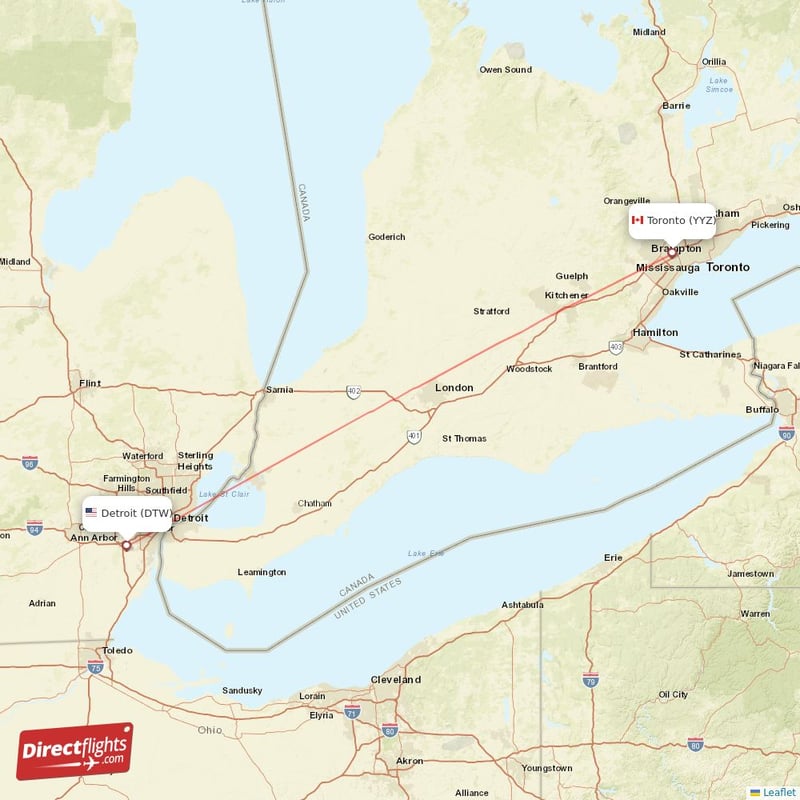
The Journey Unveiled: Distance and Driving Time
The most common and often most convenient way to travel between Detroit and Toronto is by road. The journey offers a direct connection between the two cities, traversing the scenic landscape of Ontario, Canada. Understanding the exact distance and realistic driving times is crucial for planning.
Calculating the Miles (and Kilometers)
The approximate driving distance from downtown Detroit to downtown Toronto is typically around 230 to 240 miles (approximately 370 to 386 kilometers). This figure can vary slightly depending on the specific starting point in Detroit and destination in Toronto, as well as the chosen route and any detours. The primary route generally involves crossing into Windsor, Ontario, and then taking Highway 401 East. While seemingly straightforward, planning for this distance involves more than just mileage; it encompasses border crossing procedures, potential traffic, and necessary stops. For international travelers or those unfamiliar with Canadian road systems, noting that Canada uses the metric system for distance (kilometers) and speed limits (kilometers per hour) is essential for a seamless drive. Navigation apps typically adapt to local units, but it’s good to be aware.
Estimated Driving Duration
Under ideal conditions, with no significant traffic delays or border waits, the driving time from Detroit to Toronto can range from 3.5 to 4.5 hours. However, this is a best-case scenario. Several factors can influence the actual duration of your trip:
- Traffic: Both Detroit and Toronto are major urban centers, and rush hour traffic in either city, as well as along the busy Highway 401 corridor, can significantly extend travel times. Early morning or late evening departures often offer the quickest transit.
- Border Crossing Times: This is arguably the most unpredictable variable. Wait times at the Ambassador Bridge or Detroit-Windsor Tunnel can range from a few minutes to several hours, especially during holidays, weekends, or peak travel times. Checking real-time border wait times through official government apps or websites is highly recommended before embarking.
- Rest Stops and Fuel: A 3.5 to 4.5-hour drive is manageable for most without extensive stops, but for comfort and safety, planning at least one brief stop for rest, refreshments, or fuel is advisable. The Highway 401 in Ontario is well-equipped with OnRoute service centers offering amenities.
- Road Construction and Weather: Unforeseen road construction or adverse weather conditions, particularly during winter months, can introduce delays and necessitate slower driving speeds. Always check local weather forecasts and traffic reports.
Considering these factors, travelers should realistically budget 4 to 6 hours for the entire journey, including a buffer for potential delays.
Key Routes to Consider
The most direct and commonly used route from Detroit to Toronto involves the following:
- Cross into Windsor, Ontario: You have two primary options for this: the Ambassador Bridge (a multi-lane international bridge) or the Detroit-Windsor Tunnel (an underwater tunnel). The bridge typically accommodates more traffic and large vehicles, while the tunnel is often preferred for a quicker, more direct route into downtown Windsor.
- Highway 401 East: Once in Windsor, connect to Ontario Highway 401 East. This major provincial highway is the backbone of your journey, a multi-lane freeway that stretches across southern Ontario and leads directly to Toronto. The 401 is generally well-maintained but can experience heavy truck traffic, particularly during weekdays.
While other, less direct routes exist, they typically add significant time and mileage without offering substantial benefits for most travelers. Sticking to the 401 East is the most efficient choice.
Navigating the Border Crossing: United States to Canada
Crossing an international border, even between friendly neighbors like the United States and Canada, requires preparation. Understanding the requirements and procedures will ensure a hassle-free experience.
Essential Documentation
For United States and Canadian citizens, the primary document needed for land border crossings is a valid passport. Alternatives for United States citizens include a NEXUS card, an Enhanced Driver’s License (EDL), or a passport card. Children also require appropriate identification, typically a passport or, for minors traveling with both parents, a birth certificate.
For citizens of other countries, a valid passport is always required, and depending on your nationality, a Canadian visa may also be necessary. It is crucial to check the specific entry requirements for your country of citizenship well in advance of your travel date through the official Canadian government immigration website. Having all documents easily accessible, rather than packed away, will expedite the process at the border booth.
Primary Crossing Points: Ambassador Bridge and Detroit-Windsor Tunnel
As mentioned, two main points facilitate the crossing from Detroit to Windsor:
- Ambassador Bridge: This suspension bridge is one of the busiest international border crossings in North America. It offers multiple lanes for vehicle traffic and is generally preferred for its capacity and direct access to major highways.
- Detroit-Windsor Tunnel: This underwater tunnel provides a direct route into downtown Windsor. It’s generally a good option for those heading directly to Windsor or seeking a slightly different experience. It has height and width restrictions and is generally not used by commercial trucks.
Each crossing point has its own fees (tolls), which can be paid in United States or Canadian currency, or by credit card. It’s advisable to have some cash on hand.
Tips for a Smooth Transit
- Check Wait Times: Before you leave, consult real-time border wait times. Resources like the CBSA (Canadian Border Services Agency) and CBP (U.S. Customs and Border Protection) websites or mobile apps provide up-to-the-minute information.
- Declare Everything: Be prepared to declare all goods you are bringing into Canada, including alcohol, tobacco, and any purchases. Familiarize yourself with Canadian customs regulations regarding dutiable goods and restricted items (e.g., firearms, certain agricultural products).
- No Surprises: Border agents have the right to inspect vehicles. Be transparent and honest in your answers. Avoid carrying prohibited items.
- Best Times to Cross: Generally, mid-week (Tuesday to Thursday) and non-peak hours (late morning or early afternoon, avoiding rush hour) offer shorter wait times. Weekends, especially holiday weekends, are notoriously busy.
- Fuel Up: Consider fueling your vehicle on the United States side if gasoline prices are more favorable, but be aware of how much fuel you’re allowed to bring duty-free (typically the fuel in your vehicle’s tank plus a spare container of up to 10 liters).
- Pet Travel: If traveling with pets, ensure you have all necessary veterinary records and comply with Canadian pet import regulations.
Alternative Travel Options
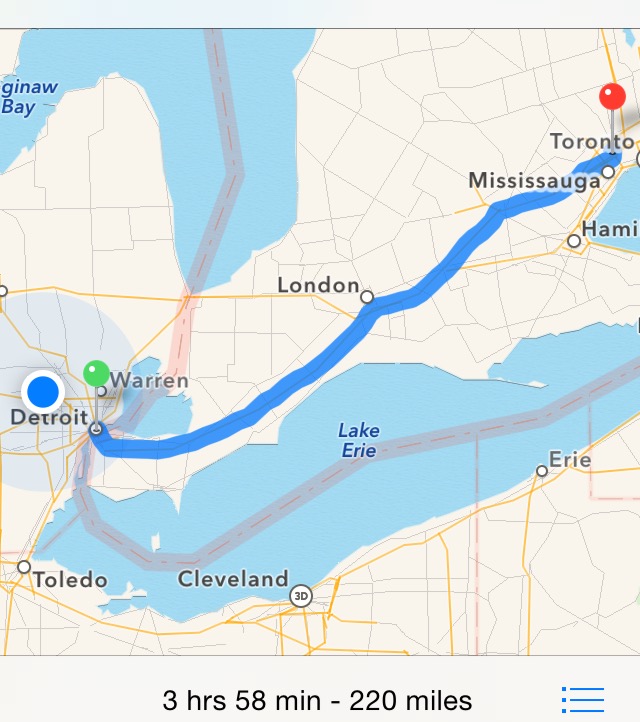
While driving is the most common method, other convenient options exist for traveling between Detroit and Toronto, catering to different preferences and budgets.
Flying Between the Cities
For those prioritizing speed, flying is an excellent choice. The flight time itself is incredibly short, typically ranging from 1 hour to 1 hour and 15 minutes.
- Airports: In Detroit, flights depart from Detroit Metropolitan Wayne County Airport (DTW). In Toronto, flights typically arrive at Toronto Pearson International Airport (YYZ), with some regional flights potentially using Billy Bishop Toronto City Airport (YTZ), located closer to downtown.
- Cost Considerations: While the flight is short, the overall travel time can increase significantly due to airport check-in, security, potential layovers (though direct flights are common), and transit to and from the airports. Flight prices vary widely based on booking time, airline, and demand. It can sometimes be more expensive than driving, especially for multiple travelers, but can be competitive for solo flyers, particularly if booked in advance.
Bus and Train Travel
For budget-conscious travelers or those who prefer not to drive, bus and train services offer viable alternatives.
- Bus Travel: Companies like Greyhound operate routes between Detroit and Toronto. Bus journeys typically take longer than driving, often ranging from 5 to 8 hours, including border crossing time and potential transfers. This option is usually the most economical. Buses generally cross at the Detroit-Windsor Tunnel or Ambassador Bridge, and passengers will need to disembark with their luggage for customs checks.
- Train Travel: While there isn’t a direct train route between Detroit and Toronto, a multi-modal approach is possible. Amtrak offers services from Detroit to cities near the border, from where travelers might connect with VIA Rail Canada or other transportation. This typically involves transfers and significantly longer travel times, making it less direct than a bus or car. The primary advantage is the comfort and ability to relax during the journey, without the stress of driving.
What to Expect Along the Way: A Road Trip Perspective
For those choosing to drive, the journey itself can be part of the adventure. The route from Detroit to Toronto offers glimpses into southern Ontario’s landscape and charming towns.
Notable Stops and Scenic Diversions
While the fastest route along Highway 401 is primarily functional, there are opportunities for quick detours or planned stops:
- Windsor: Immediately after crossing, Windsor offers casinos, waterfront parks, and a vibrant dining scene. It’s a great spot for a meal or a brief stretch after the border crossing.
- London, Ontario: Located roughly halfway between Windsor and Toronto along the 401, London, Ontario is a university city with a pleasant downtown, museums, and parks. It serves as an excellent natural rest stop.
- Hamilton: As you approach Toronto, Hamilton offers an urban landscape with a strong arts scene and proximity to numerous waterfalls, earning it the nickname “Waterfall Capital of the World.”
- Niagara Falls and Niagara-on-the-Lake: For those with extra time, a slight detour south from the 401 around Hamilton can lead to the iconic Niagara Falls and the picturesque wine region of Niagara-on-the-Lake. This adds significant time (2-3 hours each way from the 401), but offers a world-renowned natural wonder and charming historical town, making for an unforgettable extension to your trip.
Fueling Up and Resting
Ontario’s Highway 401 is well-equipped with numerous “OnRoute” service centers. These facilities are conveniently located directly off the highway, providing fuel stations, restaurants (fast food and sit-down options), convenience stores, and clean washrooms. They are ideal for taking a break, refueling, and stretching your legs without significant detours. Planning to use these centers ensures a comfortable and uninterrupted journey.
Cultural Differences and Currency
While geographically close, Canada and the United States have distinct cultural nuances and practical differences.
- Currency: The Canadian Dollar (CAD) is the official currency. While many places near the border might accept United States dollars, especially in Windsor, it’s always at their discretion and often at an unfavorable exchange rate. It’s best to use a credit card or withdraw Canadian currency from an ATM.
- Metric System: As noted, Canada uses the metric system. Speed limits are in km/h, distances are in kilometers, and fuel is sold by the liter.
- Driving Laws: Be aware of minor differences in driving laws. For example, in Ontario, passing a stopped school bus with its red lights flashing results in significant penalties.
- Cell Phone Roaming: Check with your mobile provider about international roaming plans to avoid unexpected charges.
Arriving in Toronto: A Vibrant Destination
Your journey culminates in Toronto, Canada’s largest city and a global hub for business, arts, and culture. As you navigate the city, a wealth of experiences awaits.
Top Attractions
Toronto boasts a diverse array of attractions catering to all interests:
- CN Tower: An iconic landmark offering breathtaking panoramic views of the city and Lake Ontario from its observation decks, and for the adventurous, the EdgeWalk.
- Ripley’s Aquarium of Canada: Located at the base of the CN Tower, this immersive aquarium features a diverse collection of marine life.
- Royal Ontario Museum (ROM): One of North America’s largest museums, with extensive collections in art, world culture, and natural history.
- Distillery District: A pedestrian-only village of Victorian-era industrial buildings, now home to boutiques, art galleries, restaurants, and cafes.
- Kensington Market: A bohemian, eclectic neighborhood known for its vintage shops, independent boutiques, vibrant street art, and diverse food scene.
- Toronto Islands: A short ferry ride from downtown, offering stunning skyline views, beaches, parks, and an amusement park, providing a peaceful escape from the city bustle.
- Hockey Hall of Fame: For sports enthusiasts, a tribute to the history of ice hockey.
- St. Lawrence Market: A historic public market, consistently ranked among the world’s best food markets.
Getting Around Toronto
Toronto has an excellent and extensive public transit system managed by the Toronto Transit Commission (TTC). This includes subways, streetcars, and buses, making it easy to navigate the city without a car. For convenience, consider purchasing a PRESTO card for contactless payment. Ride-sharing services like Uber and Lyft are also readily available.

Post-Arrival Considerations
- Parking: If you’ve driven, be aware that parking in downtown Toronto can be expensive and challenging to find. Many hotels offer parking, but it often comes with a daily fee. Utilizing public transit once settled is highly recommended.
- Local Customs: Toronto is incredibly multicultural and generally welcoming. Tipping in restaurants, bars, and for services (e.g., taxi drivers, hairdressers) is customary, typically 15-20% of the pre-tax bill.
The journey from Detroit to Toronto is a well-traveled path that offers flexibility in how you choose to experience it. Whether you opt for the independence of a road trip, the speed of a flight, or the economy of a bus, careful planning ensures a smooth transition between these two captivating North American cities. Embrace the adventure, prepare for the border, and get ready to discover the distinct charms of both your journey and your ultimate destination.
LifeOutOfTheBox is a participant in the Amazon Services LLC Associates Program, an affiliate advertising program designed to provide a means for sites to earn advertising fees by advertising and linking to Amazon.com. Amazon, the Amazon logo, AmazonSupply, and the AmazonSupply logo are trademarks of Amazon.com, Inc. or its affiliates. As an Amazon Associate we earn affiliate commissions from qualifying purchases.