
Embarking on a journey across the diverse landscape of Michigan often involves traversing significant distances, connecting its vibrant urban centers. Among the most common inquiries for travelers, residents, and prospective visitors alike is the distance between Detroit, the state’s largest city and economic engine, and Grand Rapids, its rapidly growing second-largest metropolis. Understanding this geographical relationship is key to planning efficient travel, whether for business, leisure, or a deeper exploration of the Great Lakes State. This guide delves into the specifics of this journey, offering insights into routes, travel times, alternative transportation, and the unique experiences awaiting at both ends of the route.
The Geographic and Cultural Connection Between Two Michigan Metropolises
The distance between Detroit and Grand Rapids is more than just a number on a map; it represents a significant artery of connection within Michigan, linking two distinct yet equally important cultural and economic hubs. While Detroit is synonymous with automotive history, a rich musical heritage, and a powerful narrative of resurgence, Grand Rapids offers a reputation as Beer City USA, a thriving arts scene, and a strong manufacturing and health innovation sector. The journey between them is a snapshot of the state’s diverse offerings.
A Tale of Two Cities
Detroit, often called the “Motor City,” sits on the southeastern edge of Michigan, bordering Canada via the Detroit River. Its strategic location has historically made it a hub for industry, trade, and culture, leaving an indelible mark on American history. Its downtown skyline, punctuated by the iconic Renaissance Center, speaks to its enduring legacy and future aspirations. Westward, Grand Rapids lies inland from Lake Michigan, bisected by the Grand River. While smaller in scale, Grand Rapids has carved out its own niche, known for its vibrant craft beer scene, the internationally acclaimed ArtPrize competition, and a high quality of life. The cities, though different, collectively showcase the spirit and resilience of Michigan.
Bridging the Mitten State
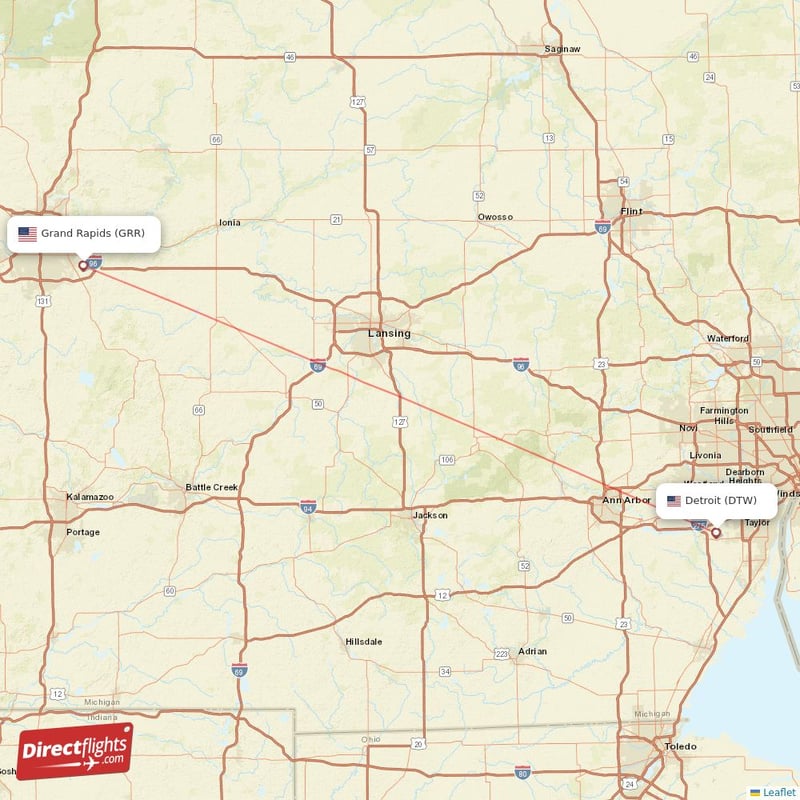
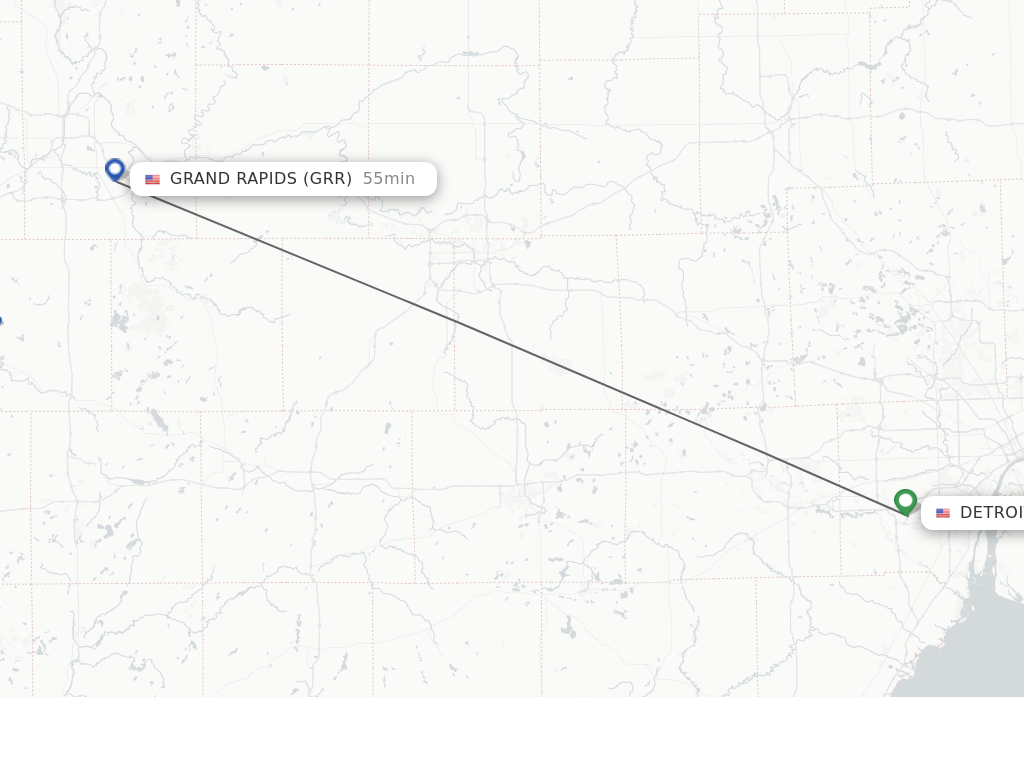
The straight-line distance, or “as the crow flies,” between Detroit and Grand Rapids is approximately 135 miles (217 kilometers). However, ground travel naturally involves following roadways, which slightly increases this figure. For practical purposes, the driving distance is typically around 155 to 165 miles (249 to 265 kilometers), depending on the specific starting and ending points within each metropolitan area and the chosen route. This distance places the cities about 2.5 to 3 hours apart by car, making the journey a manageable day trip or a convenient segment of a broader Michigan tour. The connectivity between these two major urban centers is crucial for commerce, education, and tourism, fostering a dynamic relationship that underpins much of the state’s internal movement.
Navigating the Distance: Driving Routes and Times
For most travelers, driving is the preferred method of transport between Detroit and Grand Rapids, offering flexibility and direct access. The journey is predominantly straightforward, thanks to Michigan’s well-maintained highway system. Understanding the primary routes and potential variations is essential for an optimized travel experience.
The Most Direct Path: I-96 West
The overwhelming majority of travelers opt for Interstate 96 (I-96) West, which provides the most direct and efficient route. This highway cuts directly across the lower peninsula of Michigan, linking the two cities seamlessly. Starting from downtown Detroit, drivers can typically merge onto I-96 West and follow it almost the entire way to Grand Rapids. The drive is generally smooth, characterized by mostly flat terrain and open stretches of highway, though travelers will pass through or near several notable cities.
- Distance: Approximately 155-160 miles (249-257 km) via I-96.
- Estimated Travel Time: Under ideal conditions (no significant traffic, good weather), the drive typically takes between 2 hours and 20 minutes to 2 hours and 45 minutes.
This route is well-serviced with rest stops, gas stations, and dining options, making it convenient for quick breaks. It’s the go-to for speed and simplicity.
Alternative Routes and Scenic Detours
While I-96 is the workhorse, alternative routes offer different perspectives or can be useful during peak traffic times or road construction.
- Via I-69 and I-94: An alternative, though slightly longer route, involves taking Interstate 94 West from Detroit towards Lansing, then connecting to Interstate 69 North, and finally merging onto I-96 West. This route adds about 15-20 miles to the journey and an extra 15-30 minutes of driving, but it might be preferable if you’re originating from a different part of the Detroit metro area or wish to avoid potential congestion spots on I-96. It also takes you past Michigan State University in East Lansing.
- Via M-59 and US-127: For a more scenic, less interstate-centric drive, one could consider a route involving state highways, though this would significantly increase travel time. For example, taking M-59 west, then connecting to US-127 north towards Lansing before rejoining I-96. This is less about efficiency and more about enjoying the smaller towns and rural landscapes, potentially adding an hour or more to the journey.
Factors Influencing Travel Time
Several elements can impact the actual travel time between Detroit and Grand Rapids:
- Traffic: As with any major urban corridor, rush hour traffic (typically 7-9 AM and 4-6 PM on weekdays) around both Detroit and Grand Rapids, and particularly around Lansing, can add significant delays. Weekends and holidays can also see increased traffic volume.
- Weather Conditions: Michigan weather, especially in winter, can drastically affect driving times. Snow, ice, and heavy rain can slow traffic to a crawl and make driving hazardous. Always check weather forecasts before departing, particularly between November and April.
- Road Construction: Construction projects are common, particularly during the warmer months. While efforts are made to minimize disruption, lane closures and detours can lead to unexpected delays. Checking real-time traffic apps is highly recommended.
- Vehicle Stops: Fueling, rest breaks, and meal stops will naturally extend the overall journey time. Plan these strategically to minimize impact.
Beyond the Wheel: Public Transportation Options
While driving offers the most direct and flexible travel experience, not everyone has access to a vehicle, or they may prefer to avoid the stresses of driving. Fortunately, public transportation options exist, offering alternative ways to connect Detroit and Grand Rapids, albeit with longer travel times.
Bus Services: An Economical Choice
Bus travel is a popular and economical option for intercity transport in Michigan. Several carriers operate routes between Detroit and Grand Rapids, providing a comfortable and cost-effective way to travel.
- Indian Trails: As Michigan’s largest motorcoach company, Indian Trails offers multiple daily departures between the two cities. Their service often includes stops in intermediate cities like Lansing and East Lansing.
- Greyhound: A national operator, Greyhound also provides routes connecting Detroit and Grand Rapids, often with transfer points.
- Travel Time: Bus journeys are typically longer than driving, averaging 3.5 to 5 hours, depending on the number of stops and transfers. However, they allow passengers to relax, work, or enjoy the scenery without the stress of navigation.
- Cost: Fares are generally affordable, especially if booked in advance, making it an attractive option for budget-conscious travelers.
Both Detroit and Grand Rapids have central bus terminals that are easily accessible via local public transport or ride-sharing services, facilitating onward travel within the cities.
Train Travel: A Scenic Alternative
While there is no direct, high-speed rail line connecting Detroit and Grand Rapids, Amtrak offers train service that can be utilized, albeit with a transfer. Travelers would typically take the Wolverine Service from Detroit to Jackson or Kalamazoo, and then transfer to a bus connection provided by Amtrak or a separate bus service to reach Grand Rapids.
- Travel Time: This option is considerably longer, often taking 5-7 hours or more, including transfers and wait times.
- Experience: Train travel offers a unique, relaxed experience, with opportunities to stretch your legs and enjoy amenities not found on buses. However, for this specific route, the convenience is often outweighed by the extended travel time compared to driving or direct bus service.
This option might appeal to rail enthusiasts or those prioritizing comfort and scenery over speed, but it requires careful planning due to transfer requirements.
Flying Between Michigan’s Major Hubs
While both Detroit and Grand Rapids have major airports – Detroit Metropolitan Wayne County Airport (DTW) and Gerald R. Ford International Airport (GRR), respectively – flying between them is generally not a practical or economical option.
- Short Distance: The relatively short driving distance of 2.5-3 hours makes flying redundant. The time spent on airport security, check-in, boarding, and deplaning would far exceed the actual flight time, not to mention the travel to and from the airports.
- Cost: Airfares for such a short domestic route are disproportionately expensive compared to driving or bus travel.
- Environmental Impact: Opting for ground transportation significantly reduces the carbon footprint for this particular journey.
Therefore, for most travelers, flying between Detroit and Grand Rapids is not recommended, and direct flights are rarely, if ever, offered due to lack of demand.
Making the Journey an Experience: Stops Along the Way
The drive between Detroit and Grand Rapids doesn’t have to be a non-stop dash. For those with a bit more time, the route along I-96 offers several opportunities for interesting stops, transforming a simple commute into a mini-road trip adventure. These breaks can help split the journey, offer a glimpse into other aspects of Michigan life, or simply provide a refreshing pause.
Lansing: The State Capital Stop
Roughly halfway between Detroit and Grand Rapids lies Lansing, Michigan’s capital city. It’s an ideal place to stretch your legs and explore a bit.
- Michigan State Capitol Building: Take a free tour of this historic architectural marvel, learn about Michigan’s political history, and admire its impressive dome.
- Michigan History Center: Delve deeper into the state’s past, from its indigenous roots to its industrial boom, through engaging exhibits.
- Potter Park Zoo: A family-friendly stop, this zoo offers a chance to see a variety of animals and enjoy some outdoor time.
- Dining: Lansing and its neighbor East Lansing (home to Michigan State University) boast a diverse culinary scene, perfect for a lunch break.
A stop in Lansing can easily add 1-3 hours to your trip, depending on how much you wish to explore.
Charming Towns and Natural Escapes
Beyond Lansing, the corridor offers a few smaller towns and natural areas that can provide a pleasant diversion.
- Howell: Located closer to Detroit along I-96, Howell is known for its charming historic downtown, antique shops, and the popular Howell Melon Festival in the summer. It’s a quaint stop for a coffee or a stroll.
- Brighton: Also on the eastern part of the route, Brighton offers a vibrant downtown, proximity to several Kensington Metropark, a large recreational area ideal for hiking, biking, or simply enjoying nature.
- Pinckney Recreation Area: For those willing to venture slightly off I-96, this extensive state park offers lakes, trails, and opportunities for outdoor activities like kayaking or fishing, providing a refreshing dose of Michigan’s natural beauty.
These smaller towns and natural areas are excellent for those seeking a quieter break from highway driving.
Food and Fuel: Essential Road Trip Breaks
Even if you’re not planning a sightseeing detour, strategic stops for food and fuel are essential. I-96 is dotted with numerous service plazas and exits leading to gas stations, fast-food chains, and local diners. Popular hubs for such stops include areas around Brighton, Howell, Lansing, and Grand Ledge. Planning one or two short breaks will not only refuel your vehicle but also refresh yourself, making the entire journey safer and more enjoyable. Look for local eateries away from the immediate highway exits for a taste of authentic Michigan cuisine.
Exploring Your Destinations: What Awaits in Detroit and Grand Rapids
The journey between Detroit and Grand Rapids serves as a prelude to the distinct experiences each city offers. From the historical richness and revitalized urban core of Detroit to the artistic flair and craft beer culture of Grand Rapids, both destinations promise a unique and memorable visit.
Discovering the Renaissance City: Detroit’s Resurgence
Detroit is a city of profound historical significance and remarkable transformation. Once the undisputed capital of the American automotive industry and the birthplace of Motown music, it has undergone a significant revitalization, emerging as a vibrant hub of innovation, arts, and culture.
- Automotive History: Immerse yourself in the legacy of the automobile at the Henry Ford Museum of American Innovation and Greenfield Village in nearby Dearborn. These institutions offer an unparalleled look at American ingenuity.
- Music Heritage: Pay homage to the “Sound of Young America” at the Motown Museum, located in the original Hitsville USA building, where legends like The Supremes and Marvin Gaye recorded their iconic tracks.
- Arts and Culture: Explore the impressive collection at the Detroit Institute of Arts, home to Diego Rivera’s Detroit Industry Murals. Stroll through the revitalized downtown and Midtown districts, brimming with new restaurants, boutiques, and entertainment venues.
- Outdoor Spaces: Enjoy the scenic beauty of Belle Isle Park, a 982-acre island park designed by Frederick Law Olmsted, offering stunning views of the Detroit skyline and the Canadian shore.
Detroit is a city of stories, where every street corner tells a tale of resilience, innovation, and a bright future.
Experiencing Beer City USA: Grand Rapids’ Vibrant Scene
Grand Rapids offers a different, yet equally captivating, urban experience. Known affectionately as “Beer City USA,” it boasts an astonishing number of craft breweries, but its appeal extends far beyond its celebrated suds.
- Craft Beer Trail: Embark on the Beer City Ale Trail, visiting award-winning breweries like Founders Brewing Co. and Brewery Vivant. Many offer tours and tastings, providing insight into the booming craft beer industry.
- Art and Gardens: Explore the expansive and breathtaking Frederik Meijer Gardens & Sculpture Park, featuring botanical gardens, conservatories, and an internationally renowned sculpture collection. In the fall, witness the city transform during ArtPrize, an open, independently organized international art competition.
- Presidential History: Visit the Gerald R. Ford Presidential Museum, which offers a comprehensive look at the life and presidency of the 38th U.S. President, a native son of Grand Rapids.
- Downtown Exploration: The revitalized downtown Grand Rapids area along the Grand River is highly walkable, filled with diverse dining options, vibrant street art, and a bustling nightlife.
Grand Rapids is a city that blends urban sophistication with a welcoming, creative spirit, making it a delightful destination for diverse interests.

Planning Your Itinerary for Each City
When planning your visit, consider the unique attractions of both Detroit and Grand Rapids. A minimum of 2-3 days is recommended for each city to truly appreciate their offerings. For Detroit, focus on historical sites, museums, and exploring its distinct neighborhoods. In Grand Rapids, prioritize the craft beer scene, art installations, and outdoor activities. Combining the two cities into a single trip offers a comprehensive taste of Michigan’s dynamic urban landscape.
In conclusion, the distance between Detroit and Grand Rapids is a manageable journey, most efficiently covered by car via I-96, offering a direct link between two of Michigan’s most compelling destinations. Whether you choose a swift drive or opt for a more leisurely exploration with stops, the trip itself is an integral part of experiencing the diverse tapestry of the Wolverine State.
LifeOutOfTheBox is a participant in the Amazon Services LLC Associates Program, an affiliate advertising program designed to provide a means for sites to earn advertising fees by advertising and linking to Amazon.com. Amazon, the Amazon logo, AmazonSupply, and the AmazonSupply logo are trademarks of Amazon.com, Inc. or its affiliates. As an Amazon Associate we earn affiliate commissions from qualifying purchases.