
Understanding the population of a city like Detroit is far more than just knowing a number; it’s about grasping the heartbeat of a destination. For any discerning traveler, the demographics of a city offer profound insights into its local culture, culinary scene, activities, and the very essence of its community. Detroit, a city synonymous with resilience and innovation, presents a fascinating demographic story that directly shapes the unique experiences awaiting its visitors. By delving into its population dynamics, tourists can unlock a deeper appreciation for this vibrant Michigan metropolis, moving beyond historical narratives to discover its exciting present and promising future.
Understanding Detroit’s Demographic Landscape
Detroit’s population story is one of dramatic shifts, profound challenges, and remarkable revitalization. It’s a narrative that informs everything from the city’s architectural landscape to its dynamic cultural offerings, making it essential knowledge for anyone looking to truly experience the city.
Current Population Snapshot
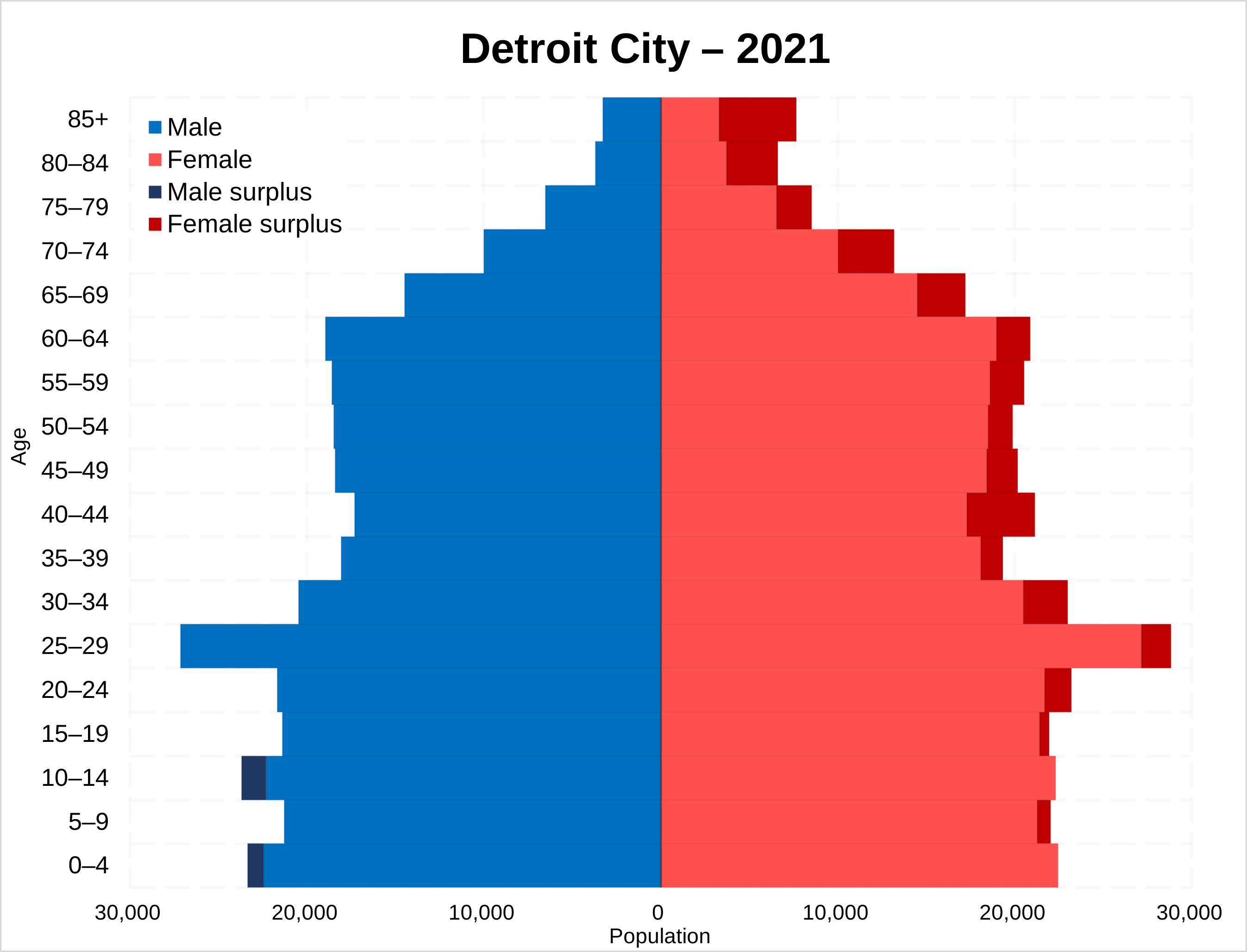
As of recent estimates (reflecting post-2020 census data), the population of Detroit hovers around 630,000 to 670,000 residents. This figure represents a significant shift from its historical peak but also marks a period of stabilization and even modest growth in certain areas after decades of decline. While it is no longer the bustling industrial giant of the mid-20th century, the city today is a testament to community spirit and ongoing renewal. The current population is diverse, though predominantly African American, a legacy that profoundly influences its cultural identity, music, food, and social fabric. However, recent years have seen an influx of new residents, including young professionals, artists, and entrepreneurs, contributing to a burgeoning diversity and an exciting blend of perspectives that energizes the city’s urban core and surrounding neighborhoods. This demographic mix creates a rich tapestry that is immediately apparent to visitors exploring its streets, markets, and cultural institutions.
Historical Shifts and Resilience
The story of Detroit’s population is central to understanding its identity. In the mid-20th century, Detroit was the fourth-largest city in the United States, boasting a population of nearly 1.8 million people in the 1950s. This rapid growth was fueled by the booming automotive industry, attracting migrants from across the country and the globe seeking economic opportunity. However, deindustrialization, suburbanization, and socio-economic challenges led to a sustained population decline over several decades.
This history of dramatic demographic change has instilled in Detroit an unparalleled sense of resilience and a unique character. The city’s ability to adapt, reinvent itself, and foster strong community bonds amidst adversity is a powerful part of its charm. For tourists, understanding this historical context provides a deeper appreciation for the revitalization efforts, the preservation of historic sites, and the determination evident in its residents. It highlights the authenticity of Detroit’s culture, which has been forged in the crucible of both prosperity and hardship.
The Impact of Demographics on Detroit’s Tourism
Detroit’s population, both past and present, is not merely a statistical detail; it is the living force that has sculpted its tourism appeal. The city’s unique demographic composition directly translates into distinct cultural experiences, a vibrant food scene, and a plethora of activities that captivate visitors.
A Tapestry of Cultures and Cuisines
The diverse origins of Detroit’s residents have created an incredibly rich cultural landscape, reflected vividly in its food scene and local traditions. The strong African American influence, for instance, is palpable in the city’s music history, particularly Motown, and its soul food restaurants, which are an essential part of the Detroit experience. A visit to the Motown Museum is a journey through this powerful legacy, echoing the voices and stories of a community that changed the world of music.
Beyond this, Detroit is home to thriving communities from various ethnic backgrounds, each contributing to the city’s unique flavor. Visitors can explore vibrant neighborhoods like Mexican Town, where authentic taquerias, panaderias, and vibrant murals celebrate a rich heritage. Greektown offers an immersive experience with its lively casinos, delicious Hellenic cuisine, and festive atmosphere. The historic Eastern Market, a hub for local produce and artisanal goods, is also a melting pot where diverse residents and visitors converge, sampling global flavors and local delicacies. This demographic mosaic ensures that every meal, every street corner, and every festival offers a glimpse into a different cultural narrative, making Detroit a compelling destination for those seeking authentic cultural immersion.
Driving the Arts, Music, and Innovation Scenes
The dynamic population of Detroit is the engine behind its world-renowned arts, music, and innovation scenes. The city’s deep roots in music, from jazz and blues to techno and hip-hop, are a direct reflection of its diverse and creative inhabitants. Beyond Motown, Detroit is considered the birthplace of techno music, a genre that continues to thrive in its underground clubs and annual festivals, drawing international crowds.
The Detroit Institute of Arts (DIA), with its impressive collection and iconic Diego Rivera murals depicting Detroit’s industrial might, stands as a testament to the city’s enduring commitment to culture. Similarly, the Henry Ford Museum and Greenfield Village highlight Detroit’s pivotal role in innovation and American history, reflecting the ingenuity of its past residents. The current population, with its blend of long-time residents and new arrivals, fuels a contemporary art scene, with galleries, street art, and community projects flourishing across the city. This blend of historical legacy and modern artistic expression provides an endless array of activities for culture-seeking tourists.
Detroit’s Revitalization: A Magnet for Visitors and Residents
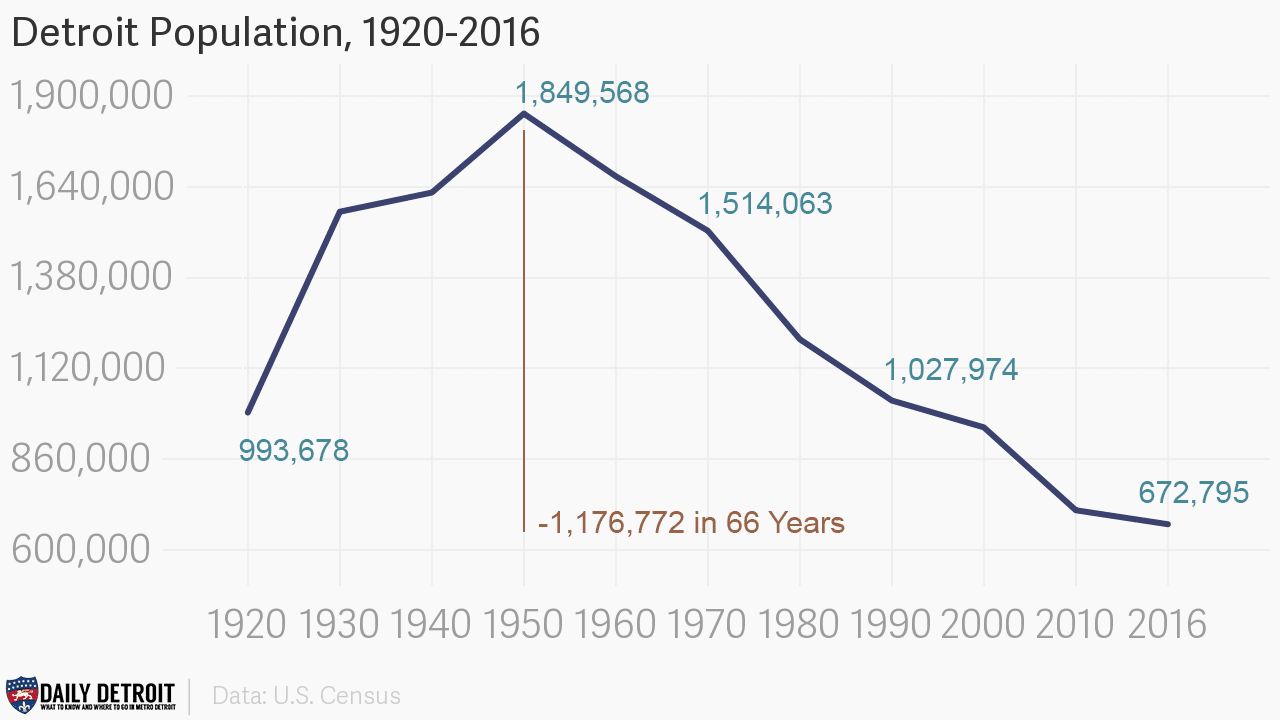
The recent stabilization and growth in Detroit’s population signal a vibrant period of revitalization, transforming the city into an increasingly attractive destination for both new residents and tourists. This demographic shift is not just about numbers; it represents renewed investment, flourishing communities, and an invigorated urban spirit that is palpable to anyone exploring the city.
Urban Renewal and New Attractions
The influx of new residents, coupled with significant public and private investments, has spurred a remarkable urban renewal in Detroit. Downtown Detroit and its surrounding neighborhoods are experiencing a renaissance, with historic buildings being repurposed, new businesses opening, and public spaces being revitalized. This has led to the emergence of numerous new attractions and amenities for tourists. The Detroit Riverwalk, for instance, has been transformed into a beautiful, accessible urban park, offering stunning views of the Detroit River and Windsor, Canada. It’s a popular spot for walking, cycling, and enjoying outdoor events, drawing both locals and visitors.
Furthermore, areas like Midtown have seen significant development, becoming cultural and educational hubs with expanded university campuses, new restaurants, and independent boutiques. The growth of these vibrant districts is a direct consequence of a population that believes in the city’s future, attracting more diverse businesses and experiences that enrich the tourist itinerary. From trendy coffee shops to craft breweries and innovative art installations, the renewed energy of Detroit is making it a compelling destination for discovery.
Community Engagement and Visitor Experience
The revitalized population has also fostered a strong sense of community engagement, which significantly enhances the visitor experience. Detroit is renowned for its grassroots efforts, entrepreneurial spirit, and collaborative ventures. Many local businesses, community projects, and cultural initiatives are driven by residents deeply invested in their city’s future. For tourists, this translates into opportunities for authentic interactions and unique experiences.
Visitors can participate in community-led tours that delve into Detroit’s history and social movements, engage with local artists in their studios, or support small businesses in emerging neighborhoods. The welcoming nature of Detroiters, proud of their city and eager to share its story, often leaves a lasting impression on visitors. This genuine connection to the local populace is a defining feature of tourism in Detroit, offering a depth of experience that goes beyond typical sightseeing.
Planning Your Visit: What Detroit’s Population Means for Tourists
For those planning a trip, understanding Detroit’s population characteristics is invaluable. It helps set expectations, informs navigation strategies, and opens doors to truly immersive local experiences, enabling tourists to maximize their time and appreciation for this dynamic city.
Navigating the City and Its Neighborhoods
Detroit’s vast geographic area, a remnant of its peak population, means that the city is spread out, with distinct neighborhoods each offering a unique flavor. For tourists, this implies a need for strategic planning when it comes to transportation and exploring different districts. The revitalized downtown core is highly walkable, with major attractions like Campus Martius Park, the Fox Theatre, and numerous restaurants within easy reach. The QLine streetcar serves the main corridor from Downtown through Midtown and New Center, connecting many cultural institutions like the DIA and Motown Museum.
However, to experience the full breadth of Detroit’s diverse population and its contributions, a car or ride-sharing service is often recommended to reach farther-flung gems like Mexican Town, the Eastern Market, or the beautiful Belle Isle Park. Understanding the city’s layout, shaped by its population density and historical development, allows for efficient and enjoyable exploration of its many facets.
Experiencing Local Life
To truly tap into Detroit’s essence, tourists should seek out opportunities to experience local life, which is a direct reflection of its population. This means venturing beyond the main tourist attractions and into community spaces. Visiting local markets, attending neighborhood festivals, or dining at family-run restaurants offers authentic glimpses into the everyday lives of Detroiters.
Engaging with locals—whether it’s striking up a conversation with a vendor at Eastern Market, chatting with a bartender in Corktown, or learning about the city’s history from a community guide—will enrich any visit. The people of Detroit are its greatest asset, embodying its spirit of innovation, creativity, and steadfastness. By understanding who lives in Detroit and what drives them, visitors can forge meaningful connections and carry away memories that are deeply personal and profoundly impactful.

The Future of Detroit’s Population and Tourism
The narrative of Detroit’s population continues to evolve, promising an even richer future for tourism. As the city continues its journey of revitalization, attracting new residents and fostering diverse communities, its appeal as a tourist destination will only grow. The ongoing demographic shifts, particularly the influx of young professionals and creative minds, are fueling new businesses, cultural initiatives, and innovative urban projects that keep Detroit on the cutting edge.
For tourists, this means a constantly evolving landscape of experiences – from new culinary adventures and emerging art districts to expanded green spaces and enhanced public transportation. Detroit’s population, with its blend of deep historical roots and forward-looking vision, ensures that the city will remain a captivating and dynamic place to explore, offering endless opportunities for discovery and authentic engagement for years to come.
LifeOutOfTheBox is a participant in the Amazon Services LLC Associates Program, an affiliate advertising program designed to provide a means for sites to earn advertising fees by advertising and linking to Amazon.com. Amazon, the Amazon logo, AmazonSupply, and the AmazonSupply logo are trademarks of Amazon.com, Inc. or its affiliates. As an Amazon Associate we earn affiliate commissions from qualifying purchases.