
Detroit, often recognized globally for its profound influence on automotive history and a vibrant musical legacy, holds a distinct and strategically important position on the map of the United States. Understanding its geographical placement is not merely a matter of trivia; it’s fundamental to appreciating its economic development, cultural tapestry, and its enduring role as a travel destination. For anyone planning to explore the Midwest or seeking to delve into a city rich with stories of innovation and reinvention, pinpointing Detroit on a map is the essential first step. This article serves as a comprehensive guide to Detroit’s location, its regional significance, and how its geography shapes the experience for travelers.

The Geographical Heart of the Great Lakes Region
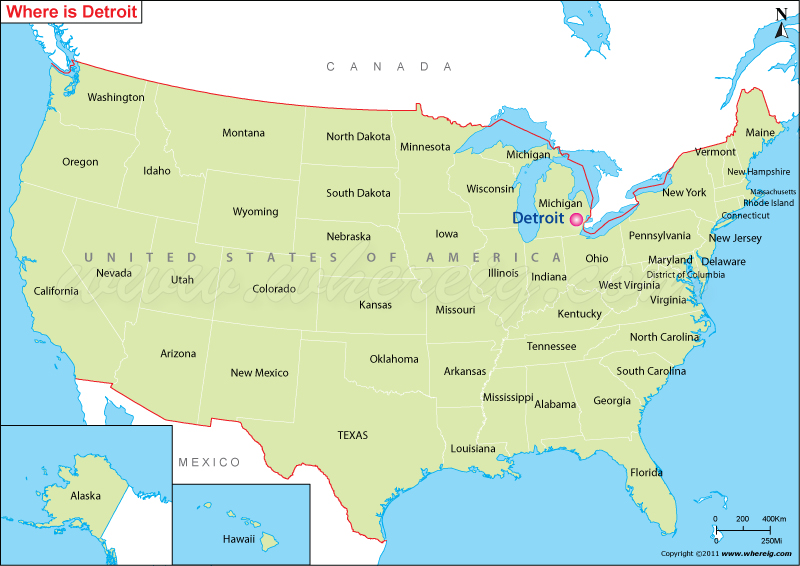
Detroit is situated in the southeastern part of the state of Michigan, a state renowned for its two distinct peninsulas and the magnificent Great Lakes that define its borders. This unique positioning grants Detroit a distinctive character, placing it at the nexus of major waterways and international borders.
Michigan’s Strategic Position and International Borders
At 42.33 degrees North latitude and 83.05 degrees West longitude, Detroit sits directly across a critical international boundary. It is the largest city in Michigan and uniquely shares a direct land border with Canada via a river, making it one of the few major U.S. cities with such close proximity to another country. This geographical feature has historically fostered a unique cross-border relationship, impacting trade, culture, and travel between the two nations.
Waterways and Their Influence: The Detroit River and Lake Erie
The city’s precise location is on the Detroit River, which serves as a natural boundary separating the United States from Canada. This river is not just a border; it’s a vital artery within the Great Lakes system, connecting Lake Erie to the east with Lake St. Clair and subsequently Lake Huron to the north. This extensive network of freshwater lakes and rivers has been instrumental in Detroit’s development as a shipping and industrial hub.
On the Canadian side of the Detroit River lies Windsor, Ontario, forming a bustling international metropolitan area. This cross-border connection is facilitated by two key passages: the Ambassador Bridge, one of the busiest international border crossings in North America, and the Detroit-Windsor Tunnel, providing a direct underground route for vehicular traffic. These connections underscore Detroit’s role as a gateway, not just to Michigan but to Canada as well.
Proximity to Major Midwest Cities
Detroit’s location also positions it within a reasonable travel distance of several other significant cities in the Midwest and even Canada, making it a convenient stop on a broader regional tour.
- Chicago, Illinois: Approximately a 4.5-hour drive to the west, Chicago is a major urban center known for its architecture and cultural institutions.
- Cleveland, Ohio: Just under a 2-hour drive to the southeast, Cleveland offers attractions like the Rock & Roll Hall of Fame.
- Toronto, Ontario, Canada: Approximately a 4-hour drive to the east (across the border), Toronto is Canada’s largest city and a diverse cultural hub.
- Columbus, Ohio: Roughly a 3-hour drive south, offering another urban experience in the region.
This proximity makes Detroit an ideal starting point or a key destination for road trips exploring the rich industrial and cultural heritage of both the American Midwest and southern Ontario.
Getting to Detroit: A Hub of Accessibility
Detroit’s strategic location is complemented by a robust infrastructure designed to facilitate travel to and from the city. Whether by air, road, or, to a lesser extent, rail, reaching Detroit is a straightforward process for travelers.
Air Travel: Detroit Metropolitan Wayne County Airport (DTW)
The primary gateway for air travelers is Detroit Metropolitan Wayne County Airport (DTW). Located in Romulus, approximately 20 miles southwest of Downtown Detroit, DTW is one of the busiest airports in the United States and a major hub for Delta Air Lines. It offers direct flights to numerous domestic and international destinations, making Detroit easily accessible from virtually anywhere in the world. Travelers arriving at DTW have several options for reaching the city center, including taxis, rideshares, and car rental services.
Road Networks: Interstates and Scenic Routes
Detroit is a crossroads for several major interstate highways, making it a highly accessible city by car.
- I-75: Runs north-south through the city, connecting Detroit to cities like Toledo, Ohio, and Cincinnati to the south, and extending north through Michigan to the Upper Peninsula and even the Canadian border.
- I-94: Spans east-west, linking Detroit to Chicago to the west and extending eastward to Port Huron at the Canadian border (connecting to Sarnia, Ontario).
- I-96: Connects Detroit with Grand Rapids and other western Michigan cities.
These well-maintained highway systems ensure a smooth journey for those preferring to drive, offering picturesque views of Michigan’s diverse landscapes along the way. Additionally, numerous state routes and local roads provide access to specific neighborhoods and attractions within the wider Detroit metropolitan area.

Public Transportation Within the City
While Detroit is largely car-dependent, public transportation options are available, particularly for navigating the central areas. The QLine, a modern streetcar system, runs along Woodward Avenue, connecting key districts like Downtown Detroit, Midtown Detroit, and New Center. This is particularly useful for visitors looking to explore popular attractions like the Detroit Institute of Arts, Wayne State University, and Little Caesars Arena. The Detroit Department of Transportation (DDOT) also operates a bus system serving the city and its immediate suburbs, though coverage can be less comprehensive than in other major metropolitan areas. For longer distances or a more flexible itinerary, renting a car remains the most practical choice for many travelers.
Detroit’s Significance as a Travel Destination
Beyond its geographical coordinates, Detroit’s location contributes significantly to its identity as a compelling travel destination. Its position as an industrial powerhouse, a cultural melting pot, and a gateway to the Great Lakes region offers a multifaceted experience for visitors.
A City of Reinvention and Rich History
Detroit’s narrative is one of profound transformation. Once the undisputed “Motor City” and the arsenal of democracy, it faced significant challenges but has emerged with a renewed spirit of innovation and community. This history is palpable in its architecture, its museums, and the resilience of its people. Travelers can explore the remnants of its industrial might alongside vibrant new developments, witnessing a city actively writing its next chapter.
Cultural Hubs and Iconic Landmarks
The city’s cultural landscape is vast and deeply rooted in its history.
- Motown Museum: Located in the actual Hitsville U.S.A. building, this museum is a pilgrimage site for music lovers, celebrating the iconic Motown sound that shaped global music.
- Detroit Institute of Arts (DIA): Home to one of the largest and most significant art collections in the United States, including Diego Rivera’s magnificent Detroit Industry Murals.
- The Henry Ford Museum of American Innovation and Greenfield Village: While technically in nearby Dearborn, these sprawling attractions are essential to understanding Detroit’s impact on industrial and social history, featuring everything from Rosa Parks’ bus to the laboratory of Thomas Edison.
- Architectural Marvels: Detroit boasts stunning examples of Art Deco architecture, such as the Guardian Building and the Fisher Building, testaments to its boom years.
Sports, Entertainment, and Culinary Delights
Detroit is a passionate sports city, home to four major professional sports teams: the Detroit Lions (NFL) at Ford Field, the Detroit Tigers (MLB) at Comerica Park, and the Detroit Red Wings (NHL) and Detroit Pistons (NBA) at Little Caesars Arena. Catching a game is an electrifying experience for visitors.
The city’s culinary scene has also seen a remarkable resurgence, with innovative restaurants, breweries, and distilleries opening across various neighborhoods. From traditional Coney Island hot dogs to upscale dining and international cuisine in areas like Mexican Town and Greektown, Detroit offers a diverse palate for food enthusiasts. The nightlife, particularly in Downtown Detroit and Corktown, provides ample entertainment options, from live music venues to lively bars.
Planning Your Detroit Itinerary
A trip to Detroit can be tailored to various interests, from history buffs and art enthusiasts to sports fans and foodies. Its location, combined with its rich offerings, makes it a dynamic travel destination.
Best Time to Visit
The best time to visit Detroit largely depends on your preferred activities.
- Summer (June to August): Offers warm weather, ideal for outdoor activities, festivals, and enjoying the riverfront or Belle Isle Park. It’s peak tourist season.
- Spring (April to May) and Fall (September to October): Provide pleasant temperatures, fewer crowds, and beautiful foliage in the fall. These seasons are excellent for exploring museums, historic neighborhoods, and enjoying the vibrant food scene without the summer heat.
- Winter (November to March): Can be cold with snow, but offers opportunities for indoor attractions, holiday events, and a chance to experience the city’s cozy side.
Exploring Diverse Neighborhoods
Detroit’s character is found in its distinct neighborhoods, each offering a unique flavor.
- Downtown Detroit: The bustling urban core, home to Campus Martius Park, historical skyscrapers, and entertainment venues.
- Midtown Detroit: A cultural and educational hub with the DIA, Wayne State University, and the Detroit Medical Center.
- Corktown: Detroit’s oldest neighborhood, known for its historic homes, Irish heritage, and a thriving restaurant and bar scene.
- Eastern Market: One of the oldest and largest public markets in the United States, offering fresh produce, local goods, and a lively atmosphere, especially on market days.
Day Trips from Detroit
Detroit’s location also makes it a perfect base for exploring surrounding areas.
- Ann Arbor: Home to the University of Michigan, Ann Arbor is a vibrant college town about 45 minutes west, offering a charming downtown, bookstores, and diverse eateries.
- Lake St. Clair: To the northeast, Lake St. Clair provides opportunities for boating, fishing, and enjoying waterfront parks, showcasing Michigan’s natural beauty.
- Windsor, Ontario: A quick trip across the border offers a taste of Canada with its own attractions, restaurants, and waterfront parks. Remember to bring necessary travel documents for international crossing.
In conclusion, Detroit’s location on the map is more than a set of coordinates; it’s a foundational element of its identity and appeal as a travel destination. Positioned strategically on the Detroit River, bordering Canada, and serving as a hub within the Great Lakes region, the city offers unparalleled accessibility and a wealth of experiences. From its rich history and cultural institutions to its thriving modern scene, Detroit invites travelers to discover a city of enduring spirit and boundless potential.
LifeOutOfTheBox is a participant in the Amazon Services LLC Associates Program, an affiliate advertising program designed to provide a means for sites to earn advertising fees by advertising and linking to Amazon.com. Amazon, the Amazon logo, AmazonSupply, and the AmazonSupply logo are trademarks of Amazon.com, Inc. or its affiliates. As an Amazon Associate we earn affiliate commissions from qualifying purchases.