
For many, the mention of Detroit conjures images of automotive history, Motown melodies, and perhaps the narrative of a city in revival. While these associations are undeniably central to its identity, understanding Detroit’s precise geographical placement on a map is crucial for appreciating its unique charm, strategic importance, and its burgeoning appeal as a multifaceted travel destination. Far from being an isolated urban center, Detroit’s location is a cornerstone of its past, present, and future, influencing everything from its climate and culture to its economic ties and accessibility for travelers. Pinpointing Detroit on the global stage reveals a city deeply connected to its regional environment and an unexpected gateway for exploration.

Pinpointing Detroit: A Midwest Gem
To truly grasp the essence of Detroit as a travel destination, one must first locate it accurately on the map. Its position isn’t just a set of coordinates; it’s a descriptor of its character, its influences, and its offerings.
Geographical Coordinates and State Context
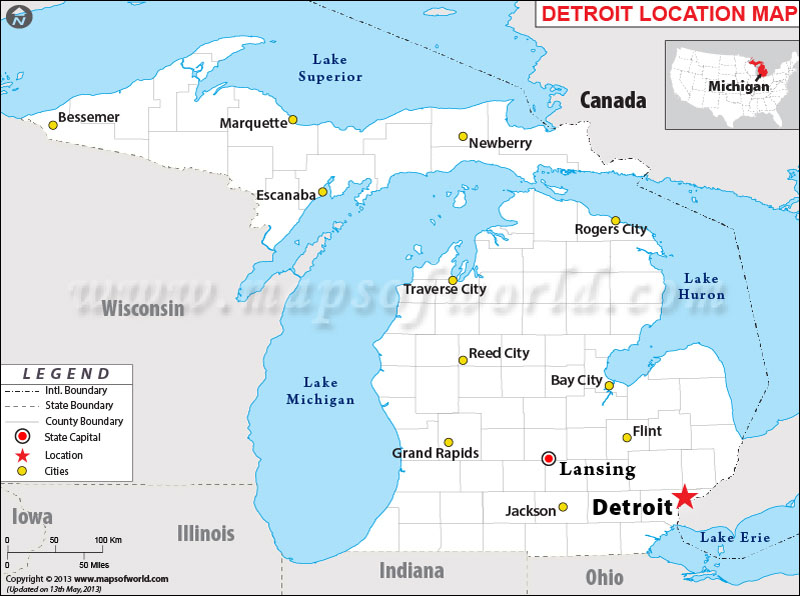
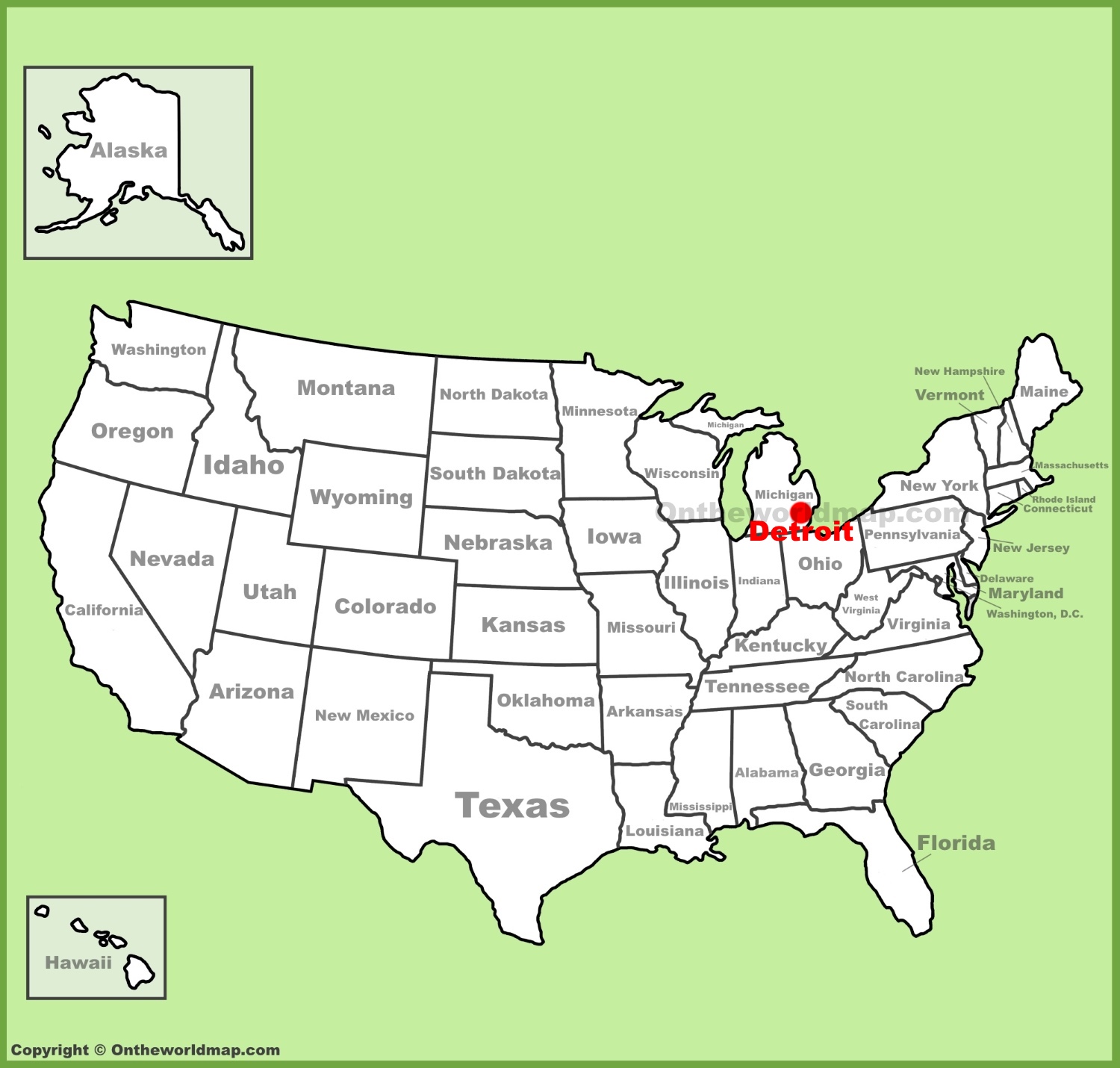
Detroit is located in the southeastern part of the United States, specifically within the state of Michigan. Its approximate coordinates are 42.3314° N latitude and 83.0458° W longitude. This places it firmly within the Midwest region of the United States, a region known for its industrial heritage, agricultural abundance, and distinct seasonal climates.
What makes Detroit’s location particularly distinctive is its placement directly on the Detroit River, a vital waterway connecting Lake St. Clair to Lake Erie. This riverfront position has historically been a critical factor in the city’s development as a trade and manufacturing hub. Being one of the major port cities on the Great Lakes system, Detroit benefits from both freshwater resources and a unique temperate climate, characterized by warm summers and cold, snowy winters—each season offering a different appeal for visitors.
Perhaps the most compelling aspect of Detroit’s geography is its immediate proximity to the Canadian border. It is the only major U.S. city that lies directly north of a Canadian city—Windsor, Ontario. This unique cross-border relationship has fostered a deep cultural and economic intertwining, making Detroit an unexpected international gateway for travelers.
The Great Lakes Region: An Integral Part of Its Identity
Detroit’s geographical identity is inextricably linked to the Great Lakes region. This vast network of interconnected freshwater lakes—Superior, Michigan, Huron, Erie, and Ontario—defines much of the landscape, climate, and historical development of the surrounding states and provinces.
For travelers, being part of the Great Lakes region offers several distinct advantages. The availability of fresh water has shaped Detroit’s history from early French settlement to its industrial boom, providing transportation routes for goods and people. Today, it translates into opportunities for waterfront recreation, scenic views, and a moderating effect on local temperatures, particularly near the Detroit River and Lake Erie. The region’s natural beauty, from sandy beaches to lush forests, is within relatively easy reach for those using Detroit as a base.
Moreover, the Great Lakes have historically facilitated migration and cultural exchange, contributing to Detroit’s rich tapestry of diverse communities. This geographical context makes Detroit not just a city, but a vital component of a larger, interconnected ecological and cultural system, offering a unique perspective for travelers interested in North American history, industry, and natural landscapes.
Detroit’s Strategic Location: A Gateway for Exploration
Understanding where Detroit is on a map extends beyond its immediate coordinates; it encompasses its role as a hub for travel and a launching point for diverse experiences, both domestic and international. Its strategic location empowers it to serve as a gateway, simplifying transit and enriching travel itineraries.
Accessibility and Transportation Hub
Detroit’s position within the Midwest makes it highly accessible by various modes of transportation, solidifying its status as a convenient travel hub. Major interstate highways converge on the city, including I-75 (running north-south from Florida to the Canadian border), I-94 (running east-west from Montana to Michigan), and I-96 (connecting Detroit to western Michigan). This robust highway network means that a significant portion of the U.S. and Canadian populations are within a day’s drive of Detroit, making it an ideal destination for road trips.
For air travelers, Detroit Metropolitan Wayne County Airport (DTW) is a major international airport and a primary hub for Delta Air Lines. DTW offers direct flights to numerous domestic and international destinations, making global and cross-country travel to and from Detroit seamless. Its modern facilities and efficient operations ensure a smooth experience for arriving and departing visitors.
Furthermore, Detroit’s location places it within reasonable proximity to other major urban centers in the Midwest and beyond. Chicago, Cleveland, Indianapolis, and even Toronto (in Canada) are all within a few hours’ drive or a short flight, positioning Detroit as a key stop on larger multi-city travel itineraries.
Cross-Border Adventures: Detroit’s International Flair
The unique geography of Detroit being directly across the Detroit River from Windsor, Ontario, Canada, presents an unparalleled opportunity for international travel within minutes. Two primary crossings facilitate this: the Ambassador Bridge for vehicular traffic and the Detroit-Windsor Tunnel for both vehicles and pedestrians.
For travelers, this means the potential for a dual-destination experience. You can spend your morning exploring the Motown Museum in Detroit and your evening enjoying Canadian cuisine and entertainment in Windsor. This cross-border accessibility adds an intriguing layer to any travel plan, offering a taste of two distinct cultures and legal frameworks within a single trip. It also means that for those exploring the wider Great Lakes region, Detroit naturally connects to the Canadian side, expanding travel horizons significantly. Remember to have appropriate travel documents for border crossings.
Beyond the Coordinates: What Detroit’s Location Offers Travelers
Detroit’s position on the map is more than just a logistical advantage; it profoundly shapes the city’s character and the types of experiences it offers to travelers. From its urban fabric to its connection with nature, location dictates much of its unique appeal.
Urban Exploration and Cultural Richness
The Detroit River forms a natural spine for the city, influencing the layout of Downtown Detroit and its vibrant Detroit Riverwalk. This waterfront promenade offers stunning views of the Windsor skyline and a refreshing urban oasis, directly accessible from key downtown attractions. Campus Martius Park, the city’s central gathering space, is just a short stroll from the river, creating a seamless flow between urban vibrancy and natural beauty.
The concentrated nature of Downtown Detroit and its surrounding cultural districts means many key attractions are easily reachable. The city’s rich history as the birthplace of the automotive industry and Motown music is celebrated in iconic institutions such as the Henry Ford Museum of American Innovation and the Motown Museum. The world-renowned Detroit Institute of Arts (DIA) is located in the Cultural Center, just north of downtown, and is one of the largest and most significant art museums in the United States. Its location in Midtown, a district experiencing significant revitalization, puts it at the heart of academic and artistic life.
Furthermore, Detroit’s role as a major sports city is reflected in the downtown area, with Comerica Park (home of the Detroit Tigers) and Little Caesars Arena (home of the Detroit Red Wings and Detroit Pistons) centrally located, making it easy for visitors to catch a game or concert.
Natural Beauty and Outdoor Pursuits
Being nestled within the Great Lakes region means that Detroit is not solely an urban destination. The vast freshwater lakes and numerous smaller lakes, rivers, and parks offer a wealth of outdoor activities. While the city itself is urban, access to natural escapes is surprisingly easy.
The Detroit Riverwalk itself is a testament to the city’s commitment to green spaces and waterfront recreation, offering opportunities for walking, biking, and enjoying public art installations. Beyond the city limits, state parks and recreation areas like Belle Isle Park, an island park within the Detroit River, provide expansive natural settings for picnics, biking, and even visiting an aquarium or conservatory.
The proximity to Lake Erie and Lake St. Clair opens up possibilities for boating, fishing, and enjoying lakeside beaches during warmer months. The changing seasons also bring distinct natural beauty, from vibrant fall foliage to pristine snowy landscapes, encouraging different types of outdoor engagement throughout the year.
Planning Your Visit: Navigating Detroit as a Destination
With a clear understanding of Detroit’s location and what it entails, planning a trip becomes a strategic exercise in maximizing the experiences this dynamic city and its surroundings have to offer.
Best Time to Visit and Getting Around
The “best” time to visit Detroit largely depends on your travel preferences. Summers (June to August) are warm and vibrant, with numerous outdoor festivals, sporting events, and opportunities to enjoy the riverfront. Fall (September to October) offers pleasant temperatures, beautiful foliage, and cultural events. Winter (November to March) can be cold and snowy but brings its own charm with holiday markets, ice skating at Campus Martius Park, and indoor attractions. Spring (April to May) sees the city reawaken with milder weather and blooming landscapes.
Navigating Detroit is relatively straightforward. For downtown exploration, the People Mover, an elevated automated transit system, circles the central business district, connecting major attractions, hotels, and entertainment venues. The QLINE streetcar runs along Woodward Avenue, linking downtown with Midtown and the New Center area, where many cultural institutions are located. Ride-sharing services are readily available, and for exploring beyond the city center or venturing into Canada, renting a car is often the most convenient option.
Nearby Day Trips and Extended Journeys
Detroit’s location makes it an excellent base for exploring a wider area. Within a short drive, travelers can discover:
- Ann Arbor: Home to the University of Michigan, Ann Arbor is a vibrant college town known for its eclectic shops, diverse culinary scene, and lively arts community. It’s an easy 45-minute drive west.
- Frankenmuth: Approximately 90 minutes north, this “Little Bavaria” is famous for its German heritage, unique shopping experiences, and year-round Christmas store, Bronner’s Christmas Wonderland.
- Lake St. Clair Metropark: Just a short drive northeast of the city, this park offers beaches, nature trails, a nature center, and opportunities for swimming and boating on Lake St. Clair.
- Toledo, Ohio: An hour south, Toledo offers attractions like the Toledo Museum of Art and its renowned glass pavilion.
- Canadian Wine Country: For those crossing into Ontario, the Lake Erie North Shore region, just east of Windsor, boasts a burgeoning wine industry with numerous wineries offering tours and tastings.
These options illustrate how Detroit’s geographical position is not just about the city itself, but about its role as a central point in a network of diverse regional attractions, making it a compelling starting point for broader Midwest travel itineraries.
In conclusion, “Where is Detroit on a map?” is a question that unravels a wealth of information vital for any prospective traveler. It’s a city positioned at the heart of the Great Lakes, an international border, and a major transportation crossroads. This strategic locale underpins its historical significance, its ongoing revitalization, and its multifaceted appeal as a travel destination that seamlessly blends urban culture with natural beauty, and domestic charm with international flair. Exploring Detroit means embracing its unique geographical story and the myriad experiences it unlocks.
LifeOutOfTheBox is a participant in the Amazon Services LLC Associates Program, an affiliate advertising program designed to provide a means for sites to earn advertising fees by advertising and linking to Amazon.com. Amazon, the Amazon logo, AmazonSupply, and the AmazonSupply logo are trademarks of Amazon.com, Inc. or its affiliates. As an Amazon Associate we earn affiliate commissions from qualifying purchases.