
California, a state synonymous with stunning natural beauty, vibrant cities, and diverse landscapes, also carries the weighty distinction of being highly susceptible to wildfires. The question “When did the fires in California start?” doesn’t have a single, simple answer, as the phenomenon of wildfires is deeply woven into the ecological fabric and historical narrative of the state. From ancient natural occurrences to the devastating megafires of the modern era, understanding the timeline of these blazes is crucial for travelers, residents, and anyone looking to experience the Golden State responsibly.
Historically, fires have been a natural and even essential component of California’s ecosystems for millennia. Indigenous peoples routinely used prescribed burns to manage land, promote new growth, and reduce fuel loads, a practice that predates European settlement by thousands of years. These fires were often smaller, less intense, and integral to maintaining healthy forests and grasslands. However, in contemporary times, especially over the last few decades, the scale, intensity, and frequency of wildfires have escalated dramatically, transforming fire season into a year-round concern and profoundly impacting travel, lifestyle, and the very fabric of California living.
A Fiery History: Understanding California’s Wildfire Landscape
To truly grasp the context of California’s wildfires, it’s essential to look back through time, recognizing both the natural cycles and the human-influenced changes that have shaped the current situation. The answer to “when” is multifaceted, reflecting an evolution from ecological necessity to pressing environmental crisis.
Historical Context and Natural Cycles
For thousands of years, fires were a regular feature of the California landscape, initiated by lightning strikes or by Native American tribes. These fires played a vital role in maintaining biodiversity, clearing underbrush, and promoting the growth of certain plant species whose seeds require heat to germinate. Forests, particularly in regions like Yosemite National Park and Sequoia National Park, evolved with fire, developing natural resilience. The concept of “fire season” as we know it today – typically from late spring through late autumn – is a long-standing pattern driven by dry conditions, high temperatures, and strong winds. Historically, October and November have often seen some of the most destructive fires, fueled by the infamous Santa Ana and Diablo winds that sweep across the state.
However, early European settlers viewed fire as a destructive force, leading to a century of aggressive fire suppression policies. While intended to protect lives and property, this approach inadvertently allowed vast amounts of vegetation (fuel) to accumulate on forest floors, creating a ticking time bomb. When fires eventually did ignite, they burned hotter, faster, and more destructively than ever before, overwhelming suppression efforts. This historical shift from natural fire cycles and indigenous land management to intensive suppression laid the groundwork for the modern wildfire crisis.
The Modern Era: Climate Change and Intensification
The past two decades have seen a dramatic acceleration in the severity of California’s wildfires, marking a distinct modern era. While fires have always been part of the state’s natural rhythm, the sheer scale and destructiveness witnessed in recent years are unprecedented. This intensification is largely attributed to climate change, manifesting in several critical ways:
- Prolonged Droughts: California has experienced persistent, severe droughts, leading to exceptionally dry vegetation that acts as perfect fuel.
- Record-Breaking Heatwaves: Higher average temperatures and more frequent extreme heat events further dry out landscapes and create ideal conditions for rapid fire spread.
- Earlier and Longer Fire Seasons: The traditional fire season has expanded, starting earlier in the spring and extending later into the fall or even winter, virtually turning it into a year-round threat.
- Tree Mortality: Drought and bark beetle infestations, exacerbated by warmer temperatures, have killed millions of trees, adding to the fuel load.
- WUI (Wildland-Urban Interface) Development: As populations grow, more homes and communities are built in areas adjacent to wildlands, increasing the risk of human-caused ignitions and greater property damage.
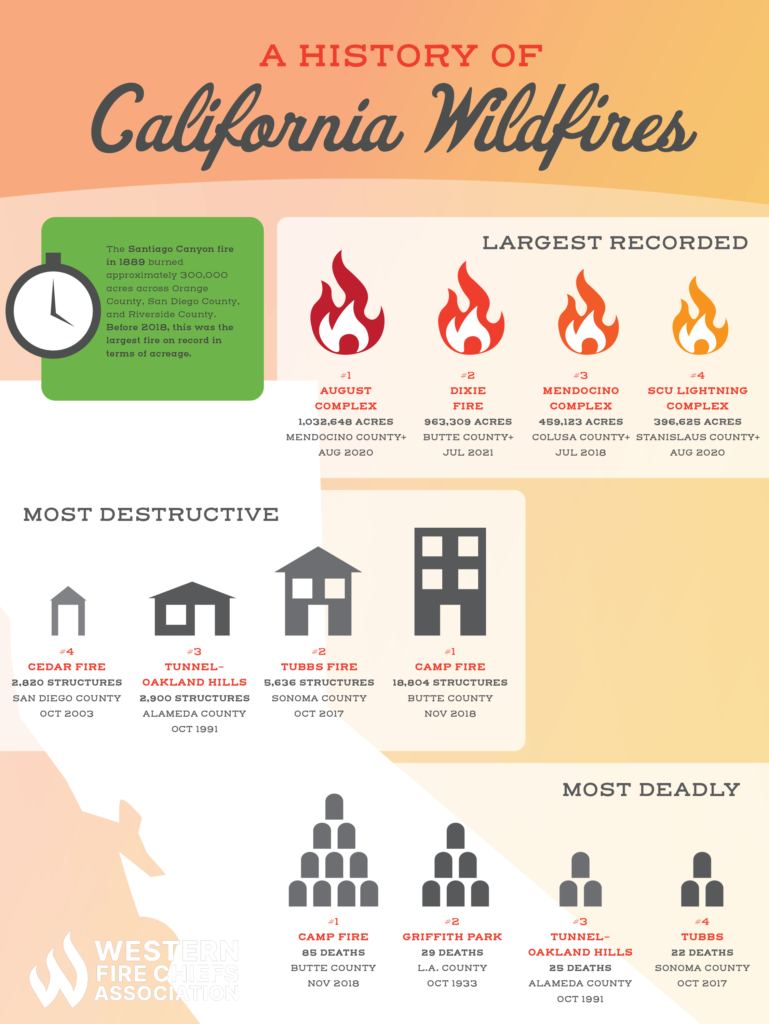
Iconic years for destructive fires include 2018, which saw the deadliest and most destructive fire in California history, the Camp Fire, which devastated the town of Paradise, and 2020, where a series of lightning storms ignited hundreds of fires across the state, burning millions of acres and blanketing much of the West Coast in smoke. These events underscore that while fires have always “started” in California, their current trajectory represents a profound and alarming shift, making proactive adaptation and informed travel decisions more critical than ever.
Navigating Travel and Tourism Amidst Wildfire Seasons
For anyone planning a trip to California, understanding the nuances of wildfire season is paramount. While fires can impact specific regions, the vast majority of the state remains safe and open for tourism. The key lies in being informed, flexible, and responsible. From bustling urban centers like Los Angeles and San Francisco to serene natural escapes in Lake Tahoe or Big Sur, California offers an unparalleled array of experiences, but mindful planning ensures a safe and enjoyable journey.
Impact on Iconic Destinations and Attractions
Wildfires can directly and indirectly affect many of California’s most cherished destinations. Direct impacts include temporary closures of national parks, state parks, and popular hiking trails, particularly during active fires or immediately afterward for rehabilitation. For instance, parts of Yosemite National Park or the scenic Highway 1 through Big Sur might experience closures. Similarly, wine regions like Napa Valley and Sonoma County have faced direct threats to vineyards and tasting rooms, impacting the harvest and tourism.
Indirect impacts are often more widespread and include degraded air quality due to smoke, even hundreds of miles from an active blaze. This can affect outdoor activities in cities like San Francisco or along the coast, making strolls through Golden Gate Park or beach days in Santa Monica less pleasant. However, many attractions, such as Disneyland Resort in Anaheim, museums in Los Angeles, or the historic sites of San Diego, are typically far removed from fire zones and remain open. Travelers should focus on specific regional conditions rather than generalized statewide fears.
Accommodation and Booking Considerations
When planning accommodation, especially during the peak fire season months (typically August through November), flexibility and thorough research are key. Luxury resorts in Malibu, cozy cabins near Lake Tahoe, or boutique hotels in Santa Barbara may be subject to evacuation orders or face cancellations if a fire threat emerges.
It’s advisable to:
- Check Policies: Understand the cancellation and refund policies of hotels, vacation rentals, and tour operators.
- Monitor Local Conditions: Before and during your trip, regularly check local news, official fire incident websites (like Cal Fire), and air quality indexes.
- Consider Travel Insurance: Comprehensive travel insurance that covers natural disasters can provide peace of mind in case of unexpected disruptions.
- Look for Updates from Accommodation Providers: Many hotels and resorts, particularly those in fire-prone areas, will communicate directly with guests if conditions change. For example, a resort in Palm Springs might advise guests of potential smoke issues even if the fire is distant.
- Booking Flexibility: Opt for accommodations that offer free cancellation or allow changes without significant penalties. This is especially true for those planning to stay in more secluded or wildland-adjacent properties.
By being proactive, travelers can minimize potential disruptions and ensure a safer, more enjoyable stay across the diverse offerings of California, whether it’s an urban getaway or a retreat into nature.
Safety First: Tips for Responsible Travel
Responsible tourism during California’s fire season extends beyond just checking for closures; it involves active participation in safety and prevention. Here are essential tips for travelers:
- Stay Informed: Use reliable sources like Cal Fire, the National Weather Service, and local emergency services for real-time information on fire activity, air quality, and road closures. Websites like AirNow.gov provide critical air quality data.
- Have an Evacuation Plan: If traveling to or staying in a fire-prone area, know the local evacuation routes and have a “go bag” ready with essentials, especially if staying in a remote cabin or campground.
- Respect Fire Bans and Restrictions: Adhere strictly to any campfire bans, park closures, or off-road vehicle restrictions. Many fires are human-caused.
- Practice Fire-Safe Habits: This includes properly disposing of cigarettes, avoiding parking on dry grass (the hot catalytic converter can ignite it), and ensuring any outdoor cooking equipment is used safely and legally.
- Monitor Air Quality: Even without direct fire threat, smoke can travel long distances. If air quality is poor, limit outdoor activities, especially for those with respiratory conditions.
- Support Local Communities: If a destination has been impacted by fires, consider visiting during the recovery phase (once safe to do so). Tourism can be vital for economic recovery. Opt for locally owned businesses, hotels, and restaurants to help rebuild.
- Be Mindful of Your Surroundings: Report any suspicious smoke or potential fire hazards immediately to emergency services.
By prioritizing safety and adopting a responsible approach, travelers can still enjoy the immense beauty and attractions California has to offer, even as the state continues to grapple with its evolving wildfire challenges.
Lifestyle Adjustments and Sustainable Tourism in Fire-Prone Regions
Living with fire has become a significant aspect of California lifestyle and an important consideration for sustainable tourism. The dialogue around wildfires now encompasses not just immediate response, but long-term adaptation, community resilience, and how tourism can play a constructive role in both recovery and prevention efforts.
Living with Fire: Resident Perspectives and Community Resilience
For many Californians, particularly in the foothills and wildland-urban interface, wildfires are not just an annual news story but a recurring threat that profoundly shapes their lifestyle. Communities in areas like the Sierra Nevada foothills, parts of Northern California (such as Mendocino and Shasta County), and coastal ranges have adapted by “hardening” their homes against embers, creating defensible space, and participating in community-wide evacuation drills. The psychological toll of living in constant readiness, combined with the devastating losses experienced by communities like Paradise and Greenville, is immense.
However, this adversity has also fostered incredible community resilience. Neighbors support neighbors, volunteers assist with animal rescue, and local governments work tirelessly on long-term recovery and mitigation strategies. Understanding this reality is key for visitors; empathy and respect for local conditions go a long way. When booking accommodation, choosing establishments that actively participate in local fire-safe initiatives or support community recovery efforts can be a meaningful way to contribute. From boutique hotels in Sonoma to resorts in the mountainous areas, many properties are integrating fire safety into their operations and guest communications.

Embracing Sustainable Practices and Future Travel
The future of travel and lifestyle in California will inevitably be intertwined with sustainable practices and a conscious effort to mitigate wildfire risks. For travelers, this means more than just avoiding fire zones; it means actively contributing to solutions:
- Support Eco-Tourism Initiatives: Seek out tour operators and accommodations that emphasize environmental stewardship, including forest health and fire prevention education.
- Choose Lower-Impact Transportation: Reducing your carbon footprint contributes to the broader fight against climate change, a root cause of intensified wildfires. Consider carpooling, electric vehicles, or public transport when feasible.
- Educate Yourself: Learn about California’s ecosystems, fire ecology, and the importance of healthy forest management. Many parks offer ranger programs that delve into these topics.
- Volunteer or Donate: For those looking for a deeper connection, consider volunteering with organizations focused on wildfire recovery, reforestation, or fire prevention, or donating to reputable charities working in affected areas.
- Promote Responsible Development: As tourists, advocating for sustainable tourism development that avoids building in high-risk wildland-urban interface areas can help shape future policy.
The majestic landscapes of California, from the towering redwoods of Northern California to the deserts of Southern California like Death Valley National Park and Joshua Tree National Park, remain incredibly alluring. By understanding the historical and contemporary context of wildfires, and by embracing responsible and sustainable travel practices, visitors can continue to explore this extraordinary state while also being part of the solution for a more fire-resilient future. The fires in California have always been a part of its story, but how we adapt and respond in the modern era will define the next chapter for this beloved destination.
LifeOutOfTheBox is a participant in the Amazon Services LLC Associates Program, an affiliate advertising program designed to provide a means for sites to earn advertising fees by advertising and linking to Amazon.com. Amazon, the Amazon logo, AmazonSupply, and the AmazonSupply logo are trademarks of Amazon.com, Inc. or its affiliates. As an Amazon Associate we earn affiliate commissions from qualifying purchases.