
The question “Why is Detroit so dangerous?” is one that has long echoed in the minds of prospective travelers and often dominates external perceptions of this iconic American city. For decades, Detroit’s image has been inextricably linked with narratives of crime, decay, and urban struggle. While it’s true that Detroit has faced significant challenges, including periods of high crime rates, this singular narrative fails to capture the complexity, resilience, and profound transformation that has defined the city in recent years. For travelers considering a visit, understanding the nuances behind this reputation is crucial to experiencing the vibrant reality of modern Detroit. This article aims to unpack the historical context, dissect current safety realities, and highlight the remarkable resurgence that makes Detroit a compelling, and increasingly safe, destination.
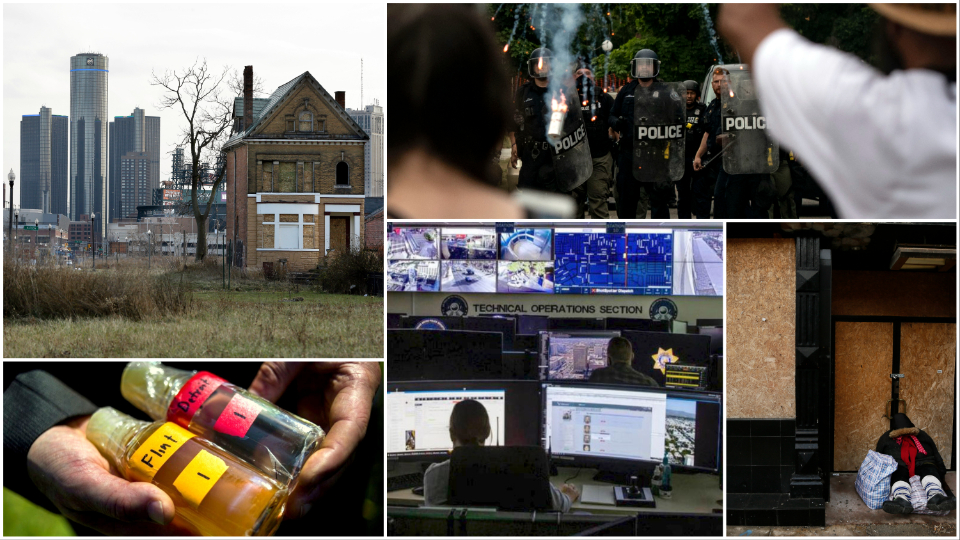
Unpacking Detroit’s Reputation: Historical Context and Media Portrayal
To understand why the “dangerous” label has stuck to Detroit for so long, it’s essential to look back at the city’s tumultuous past and the way these challenges were amplified in public discourse.
The Echoes of Decline
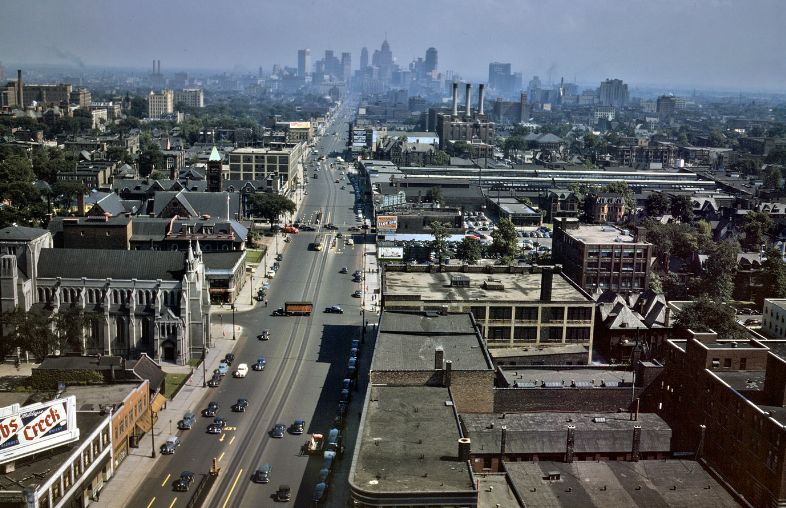
Detroit’s golden age as the “Motor City” saw unprecedented growth and prosperity, but the latter half of the 20th century brought a dramatic reversal of fortune. Economic shifts, exacerbated by globalization and the decline of the American auto industry, led to massive job losses and a significant population exodus. Between 1950 and 2010, Detroit’s population plummeted by over 60%. This demographic and economic collapse left vast swathes of the city with abandoned properties, reduced tax revenues, and crumbling infrastructure. The resulting social distress, coupled with systemic issues like poverty and lack of opportunity, contributed to a noticeable increase in crime rates, particularly violent crime, in the 1970s, 80s, and 90s. The city’s eventual filing for bankruptcy in 2013 became a stark symbol of its struggles, reinforcing the negative perceptions. These were not merely abstract statistics but lived realities for many residents, and they became the foundation of Detroit’s reputation.
Media’s Lens: Shaping Perception
The challenges Detroit faced were often front-page news, both nationally and internationally. While much of this reporting accurately reflected the city’s dire circumstances, it also inadvertently created a singular, often monolithic, narrative of urban decay and danger. Images of abandoned factories, blighted neighborhoods, and high crime statistics dominated the media landscape, overshadowing the resilience of its communities, its rich cultural heritage, and the efforts of its citizens to rebuild. This consistent, often sensationalized, portrayal solidified an image in the collective consciousness that has proven difficult to shake, even as the city itself has undergone a profound transformation. For travelers, this means that the perceived “danger” is often more a reflection of historical media narratives than of current conditions, especially in the areas most frequented by visitors.
The Reality of Safety in Modern Detroit for Travelers
While acknowledging its complex past, it’s imperative for travelers to assess Detroit based on its current reality, which is vastly different from its media-fueled image of decades past.
Data vs. Perception
Crime statistics in Detroit, like in many large American cities, can be nuanced. While the city has historically faced challenges with violent crime, significant strides have been made in recent years. Overall crime rates have seen a steady decline from their peaks in the late 20th century, a trend that continues as the city revitalizes. However, it’s also true that Detroit’s crime rates, particularly for violent crime, remain higher than the national average in some categories.
What’s crucial for travelers, however, is to differentiate between city-wide statistics and the reality of safety in tourist-centric areas. Like New York City, Chicago, or Los Angeles, crime often disproportionately affects specific neighborhoods, and these are typically not the areas where tourists spend their time. Downtown Detroit, Midtown, and Corktown, which are the primary destinations for visitors, have experienced substantial investment in security, infrastructure, and urban planning, making them remarkably safe and welcoming.
Identifying Safe Zones and Cautionary Areas
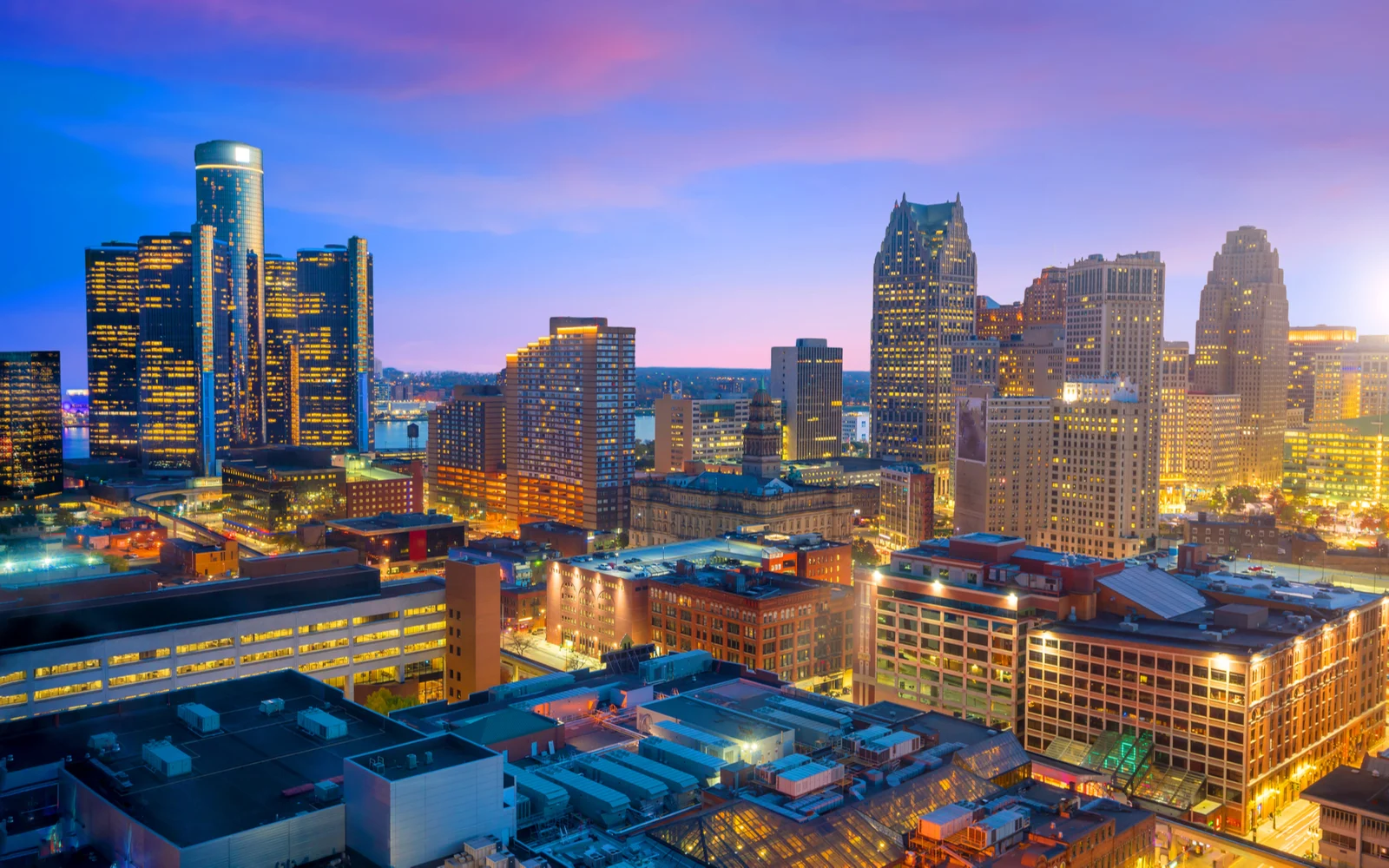
For the vast majority of visitors, Detroit’s main tourist and entertainment districts are as safe as comparable areas in other major cities.
- Downtown: This bustling core is home to major sports venues like Comerica Park (home of the Tigers), Ford Field (Lions), and Little Caesars Arena (Red Wings, Pistons), as well as numerous restaurants, bars, and businesses. It’s well-patrolled, brightly lit, and constantly active, even into the late hours.
- Midtown: Known as the cultural heart, Midtown boasts institutions like the Detroit Institute of Arts and Wayne State University. It’s vibrant, walkable, and experiences heavy foot traffic.
- Corktown: Detroit’s oldest surviving neighborhood, Corktown is a hub of historic charm, innovative restaurants, and lively pubs. It has seen significant private investment and is generally considered very safe.
- New Center: This historic district, with its art deco architecture and established businesses, is another area of significant redevelopment and is safe for visitors.
While these areas are largely secure, travelers should exercise the same common-sense caution they would in any unfamiliar urban environment. Venturing into sparsely populated, residential, or visibly neglected areas, especially at night, is generally not recommended, just as it wouldn’t be in any other major city. Stick to well-trafficked, well-lit areas, particularly after dark.
Common Sense Travel Safety
Regardless of the destination, responsible travel hinges on practicing basic safety measures. In Detroit, these include:
- Situational Awareness: Be mindful of your surroundings, especially when walking alone or at night.
- Valuables: Avoid openly displaying expensive jewelry, electronics, or large amounts of cash.
- Transportation: Use reputable ride-sharing services, taxis, or established public transport like the People Mover or QLine.
- Information: Research your routes, particularly if walking or using public transport, and know where you’re going.
- Trust Your Gut: If a situation feels uncomfortable, remove yourself from it.
Detroit’s Resurgence: A New Narrative for Travelers
The story of Detroit today is one of extraordinary revitalization, a compelling testament to its enduring spirit and strategic investments. This rebirth has profound implications for travelers, transforming the city into an exciting and increasingly accessible destination.
Economic Revival and Urban Redevelopment
Post-bankruptcy, Detroit has witnessed an unprecedented wave of public and private investment. Billions of dollars have been poured into redeveloping downtown, Midtown, and Corktown. Abandoned buildings have been repurposed into vibrant residential spaces, innovative businesses, and trendy restaurants. New construction is everywhere, from corporate headquarters to boutique hotels. This economic resurgence has brought jobs, increased population density in key areas, and significantly improved the urban landscape, creating a safer and more appealing environment for both residents and visitors. The bustling activity and renewed pride are palpable throughout the revitalized core.
A Thriving Cultural and Arts Scene
Beyond its industrial roots, Detroit has always been a hotbed of culture and creativity. Today, this legacy is more vibrant than ever. Travelers can immerse themselves in:
- Music: The birthplace of Motown, techno, and an influential jazz scene. The Motown Museum is a pilgrimage site for music lovers. Live music venues across the city showcase diverse talent.
- Art: The world-class Detroit Institute of Arts boasts an incredible collection, and the city’s street art scene is robust and constantly evolving.
- History: The Henry Ford Museum and Greenfield Village offer unparalleled insights into American innovation and history, just outside the city proper.
- Cuisine: Detroit’s culinary scene is exploding, with everything from fine dining to innovative food trucks and a diverse array of ethnic eateries.
These cultural assets, coupled with dedicated events and festivals, make Detroit a rich and rewarding destination, offering experiences unique to its character and history.
Welcoming Visitors: Tourism Infrastructure
As Detroit has transformed, so too has its capacity to welcome and accommodate tourists. New hotels have opened, existing ones have been renovated, and the hospitality sector is expanding. Information centers are available, and local businesses are keen to showcase the best of the city. The city has actively invested in public spaces like the Belle Isle Park and the RiverWalk, providing beautiful, safe recreational areas for everyone to enjoy. This robust and growing tourism infrastructure directly supports a positive and secure travel experience.
Navigating Detroit: Practical Advice for a Positive Travel Experience
Visiting Detroit today is an opportunity to witness history in the making and experience a truly American city that embodies resilience and innovation. With a little planning and awareness, travelers can have an incredibly rewarding trip.
Transportation and Mobility
Getting around Detroit is relatively straightforward, but choosing the right mode of transport can enhance safety and convenience.
- Ride-Sharing and Taxis: Services like Uber and Lyft are readily available and recommended for getting to and from destinations, especially at night. Taxis are also an option.
- Public Transport: The QLine streetcar runs along Woodward Avenue, connecting downtown, Midtown, and New Center. The People Mover is an elevated rail system that loops around downtown. These are excellent, safe options for exploring specific corridors.
- Rental Cars: For exploring areas outside the immediate downtown core or taking day trips (e.g., to the Henry Ford Museum in Dearborn), a rental car offers flexibility. Ensure secure parking, which is widely available in downtown garages.
- Walking: Downtown and Midtown are increasingly walkable, particularly during the day.
Engaging with the Local Community
Detroiters are known for their resilience, pride, and welcoming spirit. Engaging with locals can enrich your trip significantly. Support local businesses, chat with baristas, and ask for recommendations. This interaction not only provides authentic experiences but also fosters a sense of community that contributes to the city’s overall well-being and safety.
Experiencing Detroit Beyond the Headlines
The most profound advice for travelers to Detroit is to approach the city with an open mind, ready to challenge outdated perceptions. Beyond the lingering question of “danger,” Detroit offers a narrative of innovation, artistic expression, and community rebuilding that is truly inspiring. From its architectural wonders to its pioneering music scene, its burgeoning culinary landscape to its powerful historical sites, Detroit provides a unique and unforgettable travel experience. It’s a city defined not by its struggles, but by its incredible capacity for reinvention and the vibrant spirit of its people.
In conclusion, while the question “Why is Detroit so dangerous?” stems from a historical reality, it no longer accurately reflects the experience of visiting the city today. Detroit has undergone a remarkable transformation, becoming an increasingly safe, vibrant, and compelling travel destination in Michigan. By staying informed, exercising standard urban travel precautions, and focusing on the revitalized areas, travelers can confidently explore and enjoy all that this dynamic city has to offer.
LifeOutOfTheBox is a participant in the Amazon Services LLC Associates Program, an affiliate advertising program designed to provide a means for sites to earn advertising fees by advertising and linking to Amazon.com. Amazon, the Amazon logo, AmazonSupply, and the AmazonSupply logo are trademarks of Amazon.com, Inc. or its affiliates. As an Amazon Associate we earn affiliate commissions from qualifying purchases.