
For many visitors, Florida conjures images of pristine beaches, thrilling theme parks, and vibrant cityscapes. Yet, beyond the well-trodden tourist paths, the Sunshine State harbors a rich and often surprising array of wildlife that captivates and intrigues. Among the most distinctive of these creatures is the armadillo, an armored mammal that seems almost prehistoric in its appearance. Tourists exploring Florida’s diverse ecosystems, from dense pine forests to suburban backyards, often encounter these peculiar animals, prompting a common and fascinating question: Are armadillos truly native to Florida? The answer, while perhaps surprising to some, offers a deeper insight into the dynamic natural history of the region and enriches the broader understanding of ecotourism in this beloved destination. Understanding the armadillo’s story not only satisfies curiosity but also provides valuable context for responsible wildlife viewing and appreciating the unique blend of native and introduced species that characterize Florida’s natural appeal.
The Armadillo’s Unexpected Place in Florida’s Natural Tapestry
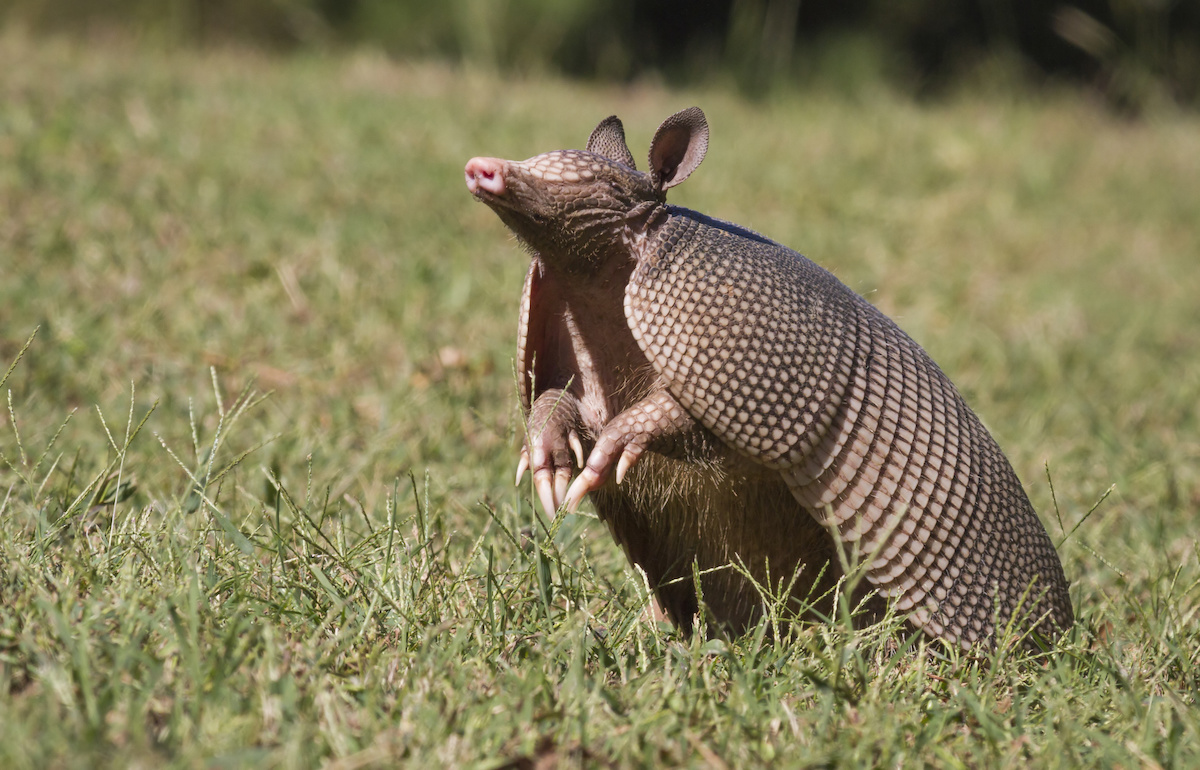
The presence of armadillos across the southeastern United States is now commonplace, but their residency in Florida is a relatively recent development in ecological terms. Far from being an ancient native species, the nine-banded armadillo (Dasypus novemcinctus) is a testament to natural migration and, in some cases, human influence. This understanding is crucial for tourists seeking to appreciate the authenticity of Florida’s natural environment and its evolving landscape.
A Recent Arrival: Dispelling the Native Myth
Contrary to what many might assume given their widespread presence, armadillos are not native to Florida in the same way that alligators, manatees, or panthers are. Their historical range was primarily confined to Mexico, Central America, and South America. It wasn’t until the early 20th century that these distinctive mammals began to establish a significant foothold in the United States, slowly expanding their territory eastward and northward. For tourists, this fact often sparks further interest, transforming a simple wildlife sighting into a narrative of ecological change and adaptation.
The Journey North: From Texas to the Sunshine State
The story of the armadillo’s expansion into Florida is a fascinating tale of perseverance and opportunity. The primary route of their migration into the United States was through Texas, where they first arrived in the mid-19th century. From there, these adaptable creatures steadily spread across the southern states, including Louisiana, Arkansas, Mississippi, and Alabama. Their arrival in Florida is generally attributed to two main factors: natural migration from neighboring states like Georgia and Alabama, and, intriguingly, accidental or intentional introductions by humans. Reports suggest that some armadillos were brought to Florida in the 1920s, either as curiosities or, less ideally, as game animals. Whether by land or by human hand, these populations thrived, finding the warm, humid climate and abundant insect life of Florida remarkably hospitable. This migratory history adds a layer of depth to the tourist experience, offering a unique perspective on how species distributions can evolve over time, even within a relatively short historical window.
Adapting to the Subtropical Environment
The success of the nine-banded armadillo in Florida highlights its remarkable adaptability. Florida’s subtropical climate, with its mild winters and consistent moisture, provides an ideal habitat. These burrowing mammals thrive in environments with soft soil, which is plentiful across much of the state, allowing them to dig extensive burrows for shelter and foraging. Their diet primarily consists of insects, grubs, and other invertebrates, all of which are abundant in Florida’s rich soils. This rapid colonization and successful integration into the ecosystem offer tourists an engaging example of natural resilience and the ongoing evolution of landscapes. Recognizing the armadillo as an established, albeit non-native, resident helps tourists understand the complexity of Florida’s ecological identity and the ongoing interplay between species and their environment.
Enhancing the Tourist Experience: Armadillos as Wildlife Encounters
While not indigenous, the armadillo has firmly cemented its place as an iconic, if somewhat quirky, member of Florida’s terrestrial fauna. For tourists seeking authentic connections with nature, encountering an armadillo can be just as memorable as spotting an alligator or a soaring eagle. These unique animals offer a different kind of wildlife experience, one that speaks to the unexpected delights of exploring Florida’s diverse natural attractions.
Beyond Beaches: Discovering Florida’s Terrestrial Wildlife
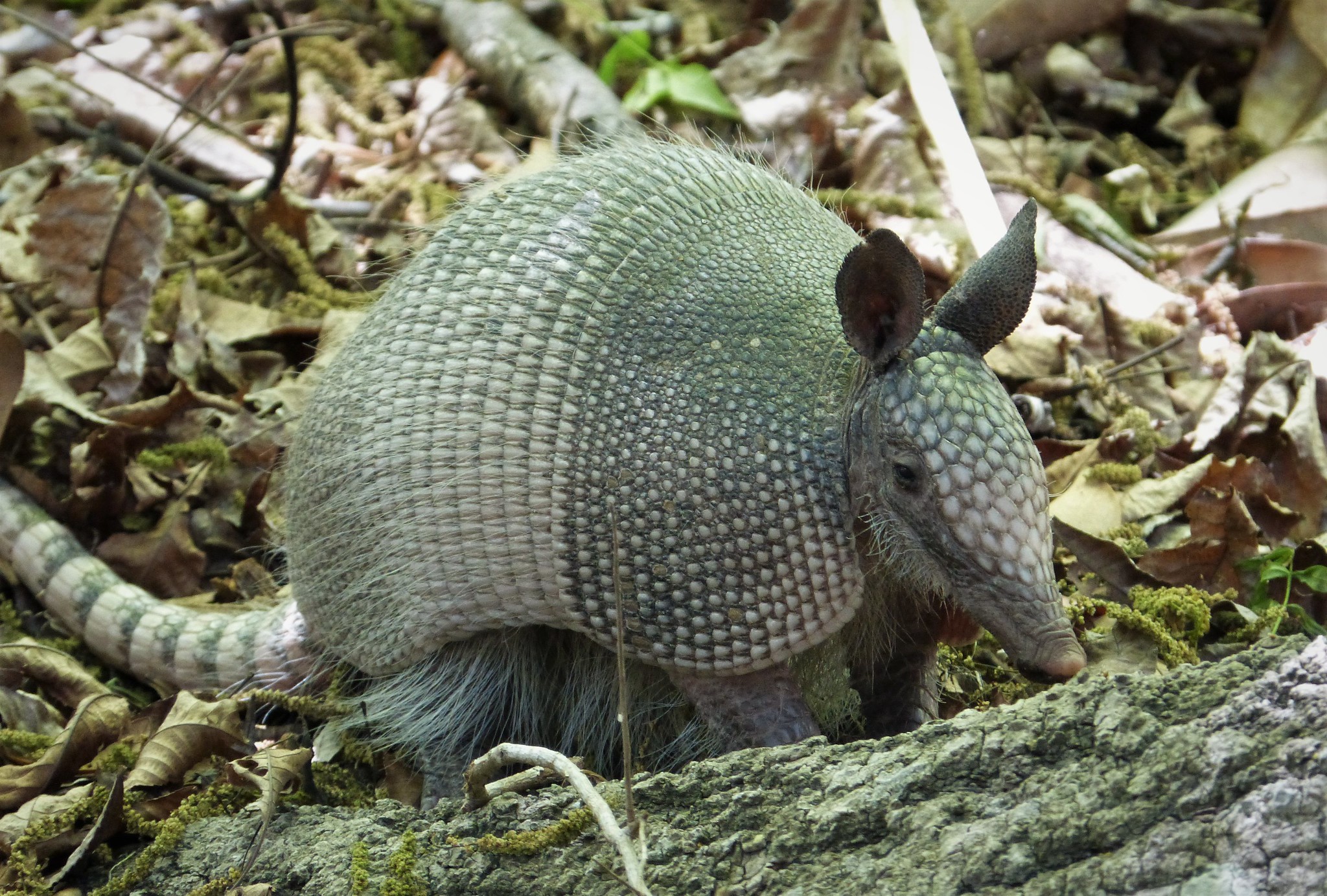
Many visitors gravitate towards Florida’s aquatic and avian wonders. However, the state’s terrestrial wildlife, including its armadillo population, provides a rich tapestry of experiences for the curious tourist. Opportunities for hiking, biking, and wildlife drives in Florida’s numerous state parks and natural preserves often lead to sightings of these armored marvels. This encourages tourists to venture beyond the coastline and delve into the interior landscapes, revealing a whole new dimension of Florida’s natural beauty and biodiversity. Discovering an armadillo rummaging through leaf litter or crossing a trail adds an element of surprise and wonder to any outdoor adventure, reminding visitors that nature’s spectacles are not always grand and dramatic, but often subtle and charming.
The Allure of the Nine-Banded Armadillo
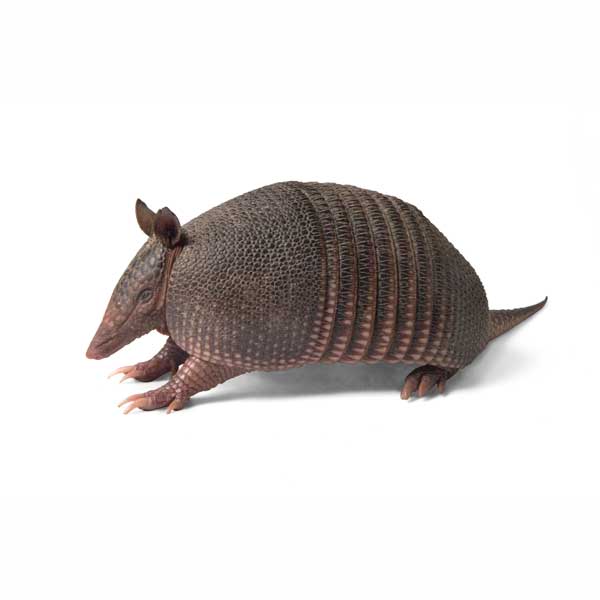
There’s an undeniable fascination with the nine-banded armadillo. Its unique physical characteristics – the bony shell, long snout, and powerful claws – make it stand out from typical mammals. Its somewhat clumsy, shuffling gait and habit of digging constantly also make for interesting observations. For many tourists, especially those from regions where armadillos are not found, seeing one in the wild is a novel and memorable experience. It’s a creature that sparks conversation and curiosity, becoming a story to share long after the vacation ends. This unique appeal contributes to the overall richness of Florida’s tourism offerings, providing a distinctive natural attraction that complements its more famous draws.
Unique Photo Opportunities and Memories
In an age where travel memories are often captured and shared digitally, the armadillo provides excellent subject matter for photographers and casual snap-happy tourists alike. Their distinctive appearance and often docile nature (when undisturbed) allow for opportunities to observe and photograph them from a respectful distance. A candid shot of an armadillo foraging in the wild becomes a tangible souvenir, a unique memento of a Florida trip that goes beyond the typical postcard image. These photographic encounters not only preserve personal memories but also help to spread awareness and appreciation for Florida’s diverse wildlife among a wider audience, subtly promoting responsible ecotourism.
Responsible Wildlife Viewing for Sustainable Tourism
As an increasingly popular destination for nature enthusiasts, Florida places a significant emphasis on responsible tourism practices. While armadillos are not endangered, their presence as a non-native species, along with their unique behaviors, necessitates particular attention from visitors. Engaging with wildlife ethically ensures both the safety of the animals and a positive, sustainable experience for all who visit.
Ethical Observation: Maintaining Distance and Respect
The fundamental principle of responsible wildlife viewing is to observe from a distance without disturbing the animal or its habitat. Armadillos, while generally shy, can carry diseases and possess sharp claws capable of digging through tough soil. Tourists should never attempt to touch, feed, or approach an armadillo closely. Keeping a respectful distance allows the animal to continue its natural behaviors undisturbed, which is vital for its well-being and for the integrity of the ecosystem. This practice aligns with broader ecotourism guidelines, encouraging visitors to be observers rather than interactors, thus minimizing human impact on wild populations.
Understanding Armadillo Behavior and Habitats
Educating oneself about armadillo behavior can enhance the viewing experience while promoting safety. Armadillos are primarily nocturnal or crepuscular (active at dawn and dusk), though they can sometimes be seen during the day, especially in cooler weather or when foraging after rain. They are expert burrowers, creating intricate tunnel systems for shelter from predators and the elements. Recognizing their preferred habitats – areas with loose soil, dense vegetation, and proximity to water sources – can help tourists locate them without disturbing their natural routines. Understanding that their foraging often involves digging small holes is also important; while this might affect lawns or golf courses, it’s a natural behavior essential to their diet and shouldn’t be cause for alarm or intervention by tourists. This knowledge fosters a deeper appreciation for the animals and encourages respectful coexistence.
Contributing to Conservation through Awareness
While armadillos themselves aren’t currently a conservation priority in Florida due to their robust population, promoting awareness about all wildlife is a crucial aspect of sustainable tourism. By learning about species like the armadillo, understanding their ecological role, and sharing this knowledge, tourists inadvertently contribute to a broader culture of wildlife appreciation and conservation. This extends to supporting organizations that protect Florida’s diverse habitats, which benefits all species, native or otherwise. Responsible tourism ensures that the natural beauty and unique wildlife that draw visitors to Florida will remain for generations to come.
Where and How Tourists Can Safely Observe Armadillos
For tourists keen on encountering these fascinating creatures, Florida offers numerous opportunities. From expansive wilderness areas to more developed green spaces, armadillos have adapted to a variety of environments. Knowing where and when to look, along with adhering to responsible viewing practices, ensures a memorable and safe experience.
Prime Locations: Florida’s State Parks and Natural Areas
Florida’s extensive network of state parks, national wildlife refuges, and natural preserves are prime locations for observing armadillos in their natural (adopted) habitats. Places like Myakka River State Park near Sarasota or certain areas within the vast Everglades National Park provide excellent opportunities. These protected areas offer trails and viewing platforms that allow visitors to explore without encroaching on wildlife. The varied landscapes within these parks, from pinelands to hammocks, are ideal foraging grounds for armadillos. Many parks also offer ranger-led programs or educational materials that can provide further insights into local wildlife, enhancing the tourist’s understanding and experience.
Evening Explorations: When Armadillos are Most Active
As primarily nocturnal animals, armadillos are most frequently observed during dawn, dusk, or after dark. For tourists staying in accommodations adjacent to natural areas, a quiet evening stroll (with caution and appropriate lighting) can yield rewarding sightings. Similarly, camping in state parks often provides unique opportunities to hear and occasionally spot these creatures under the moonlight. Their rustling in the undergrowth as they forage for insects is a distinctive sound of the Florida night, offering an auditory dimension to the wildlife experience that many tourists might not anticipate.
General Tips for Encountering Florida’s Wild Inhabitants
Beyond armadillos, Florida’s wildlife is rich and diverse. Tourists should always remain vigilant and respectful of all creatures, whether they are native or naturalized.
- Stay on marked trails: This protects delicate ecosystems and prevents accidental encounters.
- Never feed wildlife: Feeding can alter natural behaviors, lead to dependency, and put both animals and humans at risk.
- Observe from a distance: Use binoculars or telephoto lenses for close-up views.
- Drive cautiously, especially at night: Wildlife, including armadillos, often cross roads.
- Dispose of trash properly: Litter harms wildlife and degrades natural environments.
By adhering to these simple guidelines, tourists can safely enjoy the unique experience of observing armadillos and other fascinating animals that call Florida home, ensuring that their visit contributes positively to the ongoing story of this vibrant natural destination.
In conclusion, while armadillos may not be native to Florida in the traditional sense, their successful colonization and widespread presence have undeniably made them an integral part of the state’s contemporary natural identity. For the discerning tourist, understanding this historical context enriches their appreciation of Florida’s dynamic ecosystems. Encountering an armadillo offers a unique and memorable wildlife experience, providing a captivating glimpse into the unexpected facets of the Sunshine State’s biodiversity. By embracing responsible tourism practices, visitors can continue to enjoy these fascinating armored creatures and contribute to the enduring allure of Florida as a premier destination for natural exploration and discovery.
LifeOutOfTheBox is a participant in the Amazon Services LLC Associates Program, an affiliate advertising program designed to provide a means for sites to earn advertising fees by advertising and linking to Amazon.com. Amazon, the Amazon logo, AmazonSupply, and the AmazonSupply logo are trademarks of Amazon.com, Inc. or its affiliates. As an Amazon Associate we earn affiliate commissions from qualifying purchases.