
Florida, often dubbed the Sunshine State, is a premier tourist destination renowned for its pristine beaches, vibrant cities, and unique ecosystems. Millions flock to its shores annually, drawn by attractions ranging from theme parks in Orlando to the natural wonders of the Everglades. While planning a trip to this tropical paradise, many travelers understandably research potential hazards, and among the common concerns is the presence of venomous spiders. The brown recluse spider (Loxosceles reclusa) often tops this list, known for its potent venom and characteristic “violin” marking. The burning question for anyone venturing to Florida is: are these notorious arachnids a genuine threat in the state? The short, reassuring answer for tourists and residents alike is generally no, not in significant numbers, but understanding the nuances is key to a worry-free experience.
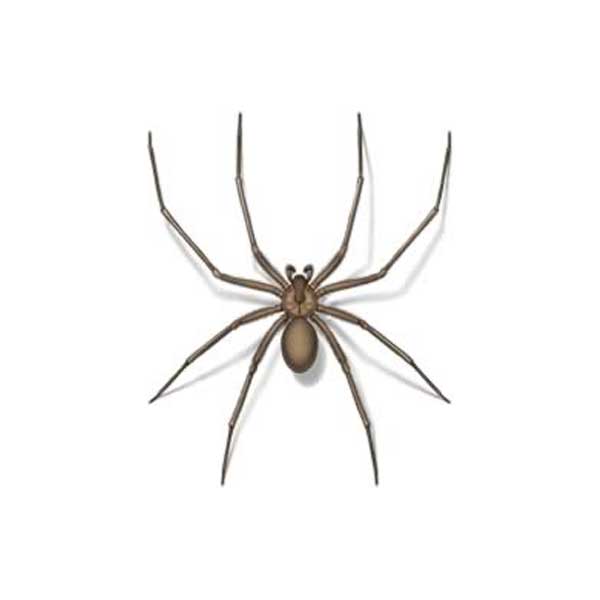
This article delves into the actual distribution of brown recluse spiders, common misidentifications, and practical tips for spider awareness while enjoying all that Florida has to offer. By dispelling myths and providing accurate information, we aim to ensure your focus remains on the fun and relaxation inherent in a Florida getaway, free from undue arachnophobia.
The Myth vs. The Reality: Brown Recluse Distribution
The idea that brown recluse spiders are widespread across the United States is a common misconception. While their reputation precedes them, their actual geographic range is quite specific. Understanding this distribution is crucial for any traveler or new resident in Florida, helping to distinguish legitimate concerns from unfounded fears.
Where Brown Recluse Spiders Truly Thrive
The natural habitat of the brown recluse spider is primarily concentrated in the Midwest and South-Central regions of the United States. States like Missouri, Arkansas, Oklahoma, Kansas, Kentucky, Tennessee, Mississippi, Alabama, Louisiana, and parts of Texas, Illinois, Indiana, Ohio, Nebraska, Iowa, and Georgia are considered within their established range. In these areas, they are indeed common inhabitants of homes, barns, and other sheltered structures. They prefer undisturbed, dark, and dry places, hence the term “recluse.”
Why Florida Isn’t Prime Brown Recluse Territory
While anecdotal reports and occasional misidentifications persist, scientific consensus among entomologists and university extension offices consistently confirms that the brown recluse spider is not endemic to Florida. The few confirmed instances of brown recluses found in Florida are almost invariably “hitchhikers” – spiders inadvertently transported from their native range via furniture, boxes, or vehicles. These isolated occurrences do not indicate an established, breeding population.
Several factors contribute to Florida’s general lack of a brown recluse population. The state’s consistently high humidity, in particular, is believed to be a significant deterrent. Brown recluses thrive in drier, more temperate conditions, which are not typical of Florida’s subtropical climate. Furthermore, Florida is home to a diverse array of competing spider species that may outcompete the recluse for resources or even prey upon them. So, for the vast majority of visitors and residents, encountering a brown recluse in Florida is highly improbable.
Identifying Common Florida Spiders: Debunking Recluse Look-Alikes
One of the primary reasons for the persistent myth of widespread brown recluse spiders in Florida is misidentification. Many harmless spiders share similar brown coloration, leading to public concern. For tourists, being able to distinguish common Florida spiders from the genuine brown recluse is an invaluable piece of local knowledge.
Wolf Spiders and Grass Spiders: Often Mistaken
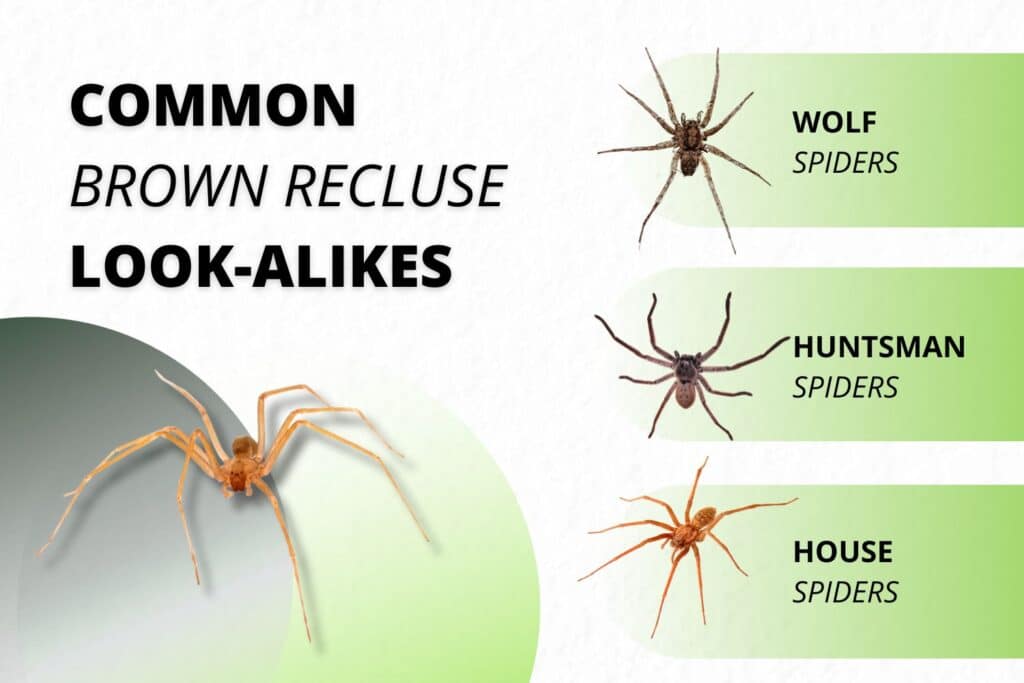
Many sightings of “brown recluses” in Florida actually turn out to be wolf spiders (family Lycosidae) or grass spiders (genus Agelenopsis). Both are common in the state, possess brownish hues, and can be quite large, leading to alarm.
- Wolf Spiders: These are robust, hairy spiders, often found on the ground or in leaf litter. They are active hunters, not web-builders, and can move quite quickly. While their bite can be painful, it is generally harmless to humans. They lack the distinct violin marking and have a different eye arrangement (eight eyes in three rows).
- Grass Spiders: Identified by their long spinnerets at the rear of their abdomen, grass spiders build funnel-shaped webs in grass, shrubs, and sometimes in corners of buildings. They are brown, but again, lack the violin marking and have a different eye pattern (eight eyes in two rows). Their bites are rare and non-venomous to humans.
- Cellar Spiders and Crevice Weavers: Other common brown spiders that are often misidentified include long-legged cellar spiders (Pholcidae), sometimes called “daddy long-legs,” and crevice weavers (Kukulcania hibernalis), which are flat, brown, and found in cracks and crevices – a habitat preference similar to the recluse but without the associated danger.
Florida’s Venomous Spiders: Black Widows and Brown Widows
While the brown recluse spider is largely absent, Florida does host other medically significant spiders, primarily from the widow genus (Latrodectus). These are the spiders tourists and residents should be genuinely aware of.
- Southern Black Widow (Latrodectus mactans): Easily recognizable by its glossy black body and the distinctive red hourglass marking on the underside of its abdomen. Females are the ones to watch out for. They typically build irregular webs in dark, undisturbed areas like woodpiles, sheds, and under outdoor furniture.
- Brown Widow (Latrodectus geometricus): An invasive species now common in Florida, the brown widow is lighter brown or gray with an orange-red hourglass marking, often incomplete, on its underside. Its egg sacs are spiky, a key identifying feature. While its venom is potent, it tends to deliver less venom per bite than the black widow, making bites generally less severe. Like black widows, they prefer sheltered outdoor areas.
Key Distinguishing Features of the Brown Recluse
To reiterate, while you’re unlikely to find one, knowing the true characteristics of a brown recluse spider can aid in proper identification should an unusual brown spider appear.
- The Violin Marking: The most famous feature is the dark, violin-shaped marking on its cephalothorax (the head and thorax fused body part), with the “neck” of the violin pointing towards the abdomen. However, this marking can vary in clarity and is not unique to the brown recluse, so it shouldn’t be the sole identifier.
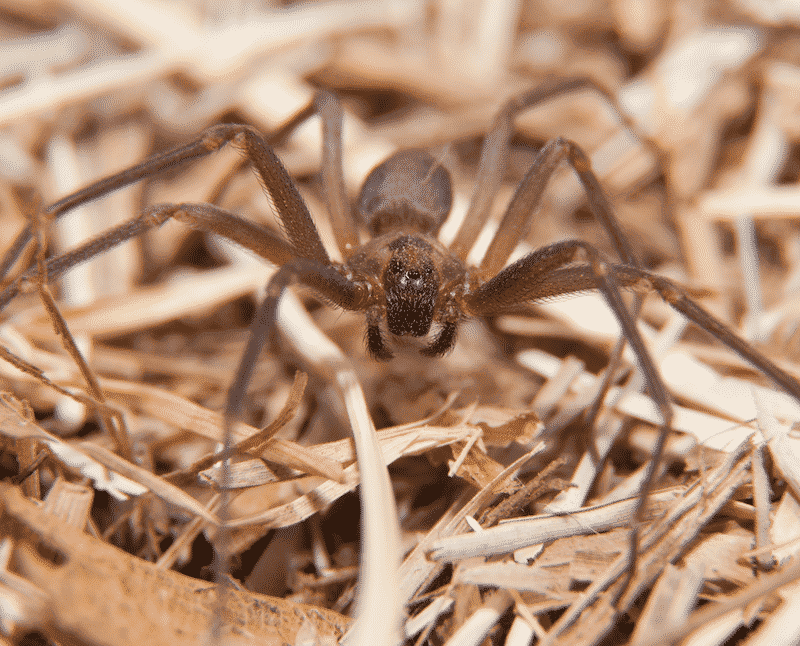
- Eye Pattern: A more reliable identifier is its eye arrangement: six eyes arranged in three pairs (a triad) in a semicircle, unlike most spiders that have eight eyes in two rows.
- Uniform Coloration: The abdomen is usually uniformly colored, without markings.
- Body Hair: They are not particularly hairy.
- Size: The body typically ranges from 1/4 to 1/2 inch (6-12 mm) in length, with legs extending further.
If you encounter a spider you suspect is a brown recluse in Florida, it’s far more likely to be a different species. It is always best to capture the specimen (if safe to do so) for identification by an expert, such as a local university extension office or pest control professional, rather than making assumptions.
What Tourists and Residents Should Know About Spiders in Florida
While the risk of encountering a brown recluse spider in Florida is minimal, it’s prudent for any traveler or resident to be aware of general spider safety and bite management. A sensible approach to local wildlife ensures peace of mind and safety.
General Spider Safety Tips
Whether you’re exploring Florida’s nature trails, relaxing by a pool, or staying in a vacation rental, a few simple precautions can minimize any potential spider encounters:
- Shake Out Clothing and Shoes: Spiders often seek refuge in dark, undisturbed places. Before dressing or putting on shoes, especially those left outdoors or in closets, give them a good shake.
- Check Bedding: Briefly inspect your sheets and blankets, particularly if they have been undisturbed for a while.
- Be Mindful in Storage Areas: If you’re staying in a rental home, be cautious when rummaging through garages, attics, or storage sheds. These are prime locations for various spiders.
- Wear Gloves for Yard Work: If you find yourself gardening or handling woodpiles, wear sturdy gloves to protect your hands.
- Seal Entry Points: In your accommodation, if possible, ensure screens are intact and gaps around doors and windows are sealed to prevent spiders from entering.
- Avoid Bare Feet in Dark Areas: When walking in dimly lit basements, garages, or undisturbed outdoor areas, wear closed-toe shoes.
When to Seek Medical Attention for a Spider Bite
Most spider bites are harmless, causing only minor irritation similar to a mosquito bite or bee sting. However, bites from venomous spiders like the black widow or brown widow can cause more significant symptoms.
- Monitor the Bite: If you suspect a spider bite, clean the area with soap and water. Apply a cold compress to reduce swelling and pain. Over-the-counter pain relievers or antihistamines can help manage symptoms.
- Symptoms of Concern: Seek medical attention if you experience:
- Severe pain, cramping, or muscle stiffness (common with widow spider bites).
- A spreading rash or redness.
- Increasing swelling or blistering at the bite site.
- Systemic symptoms like fever, chills, nausea, vomiting, or headache.
- Any signs of an allergic reaction, such as difficulty breathing.
- Capture the Spider (if possible and safe): If you can safely capture the spider that bit you, doing so can greatly assist medical professionals in accurate identification and treatment. Place it in a sealed jar or plastic bag.
Debunking Common Spider Bite Myths
It’s important to differentiate between actual medical concerns and common folklore about spider bites. Many skin lesions and infections are often mistakenly attributed to spider bites when, in reality, they are caused by other factors, such as bacterial infections (e.g., MRSA), insect bites (fleas, bed bugs), or other skin conditions. If a bite doesn’t appear to be healing or worsens, it’s always best to consult a medical professional for proper diagnosis, especially if you’re traveling and unsure of local health services.
Enjoying Florida Worry-Free: A Sensible Approach
Florida offers an incredible array of experiences, from its bustling cities and thrilling theme parks to its tranquil natural springs and vibrant coastal towns. The potential for encountering a dangerous spider, particularly the brown recluse spider, should not deter anyone from enjoying this beautiful state. By understanding the true facts about spider distribution and practicing sensible precautions, visitors and residents can focus on making lasting memories.
Precautionary Measures for Outdoor Activities
Whether you’re hiking in a state park, kayaking through mangroves, or simply enjoying a picnic, a few outdoor tips are helpful:
- Stay on Marked Trails: This minimizes encounters with various wildlife, including spiders, snakes, and other insects.
- Be Aware of Your Surroundings: Before sitting down or placing your hands into dark crevices, under rocks, or in dense vegetation, take a quick look.
- Use Insect Repellent: While repellents aren’t specifically for spiders, they can deter other biting insects, making your outdoor experience more comfortable.
Inspecting Your Accommodation
Upon arrival at your hotel, resort, or vacation rental, a quick visual inspection can provide peace of mind:
- Look Under Beds and Behind Furniture: Spiders prefer dark, undisturbed corners.
- Check Bathroom and Kitchen Cabinets: These areas can also provide shelter.
- Ensure Windows and Doors Seal Properly: This helps keep out not just spiders but other insects.
In conclusion, while the myth of the brown recluse spider in Florida persists, the scientific evidence indicates they are not an established resident. Instead, tourists and residents should be mildly aware of the actual venomous spiders found in the state, primarily the black widow and brown widow, and practice general spider safety. Armed with accurate information and a calm approach, your visit to Florida can be everything you dreamed of – a truly enchanting and worry-free experience.
LifeOutOfTheBox is a participant in the Amazon Services LLC Associates Program, an affiliate advertising program designed to provide a means for sites to earn advertising fees by advertising and linking to Amazon.com. Amazon, the Amazon logo, AmazonSupply, and the AmazonSupply logo are trademarks of Amazon.com, Inc. or its affiliates. As an Amazon Associate we earn affiliate commissions from qualifying purchases.