
For many visitors planning a trip to the Sunshine State, the allure of Florida‘s vibrant culture, stunning beaches, and world-class attractions is undeniable. However, when it comes to celebrating special occasions, particularly holidays like New Year’s Eve or the Fourth of July, a common question arises: “Are fireworks illegal in Florida?” The answer, much like Florida itself, is not as straightforward as a simple yes or no. For tourists looking to enjoy the festivities safely and legally, understanding the state’s nuanced fireworks laws is paramount to a memorable and trouble-free vacation. This guide delves into the specifics, helping you navigate the regulations surrounding personal fireworks and discover where to best experience their dazzling spectacle.
Navigating Florida’s Fireworks Landscape for Tourists
The perception surrounding fireworks legality in Florida is often muddled, leading many tourists to misunderstand what is permissible and what could lead to serious legal repercussions. As a visitor, grasping these distinctions is crucial for a smooth and enjoyable trip.
The General Rule: A Tourist’s First Impression
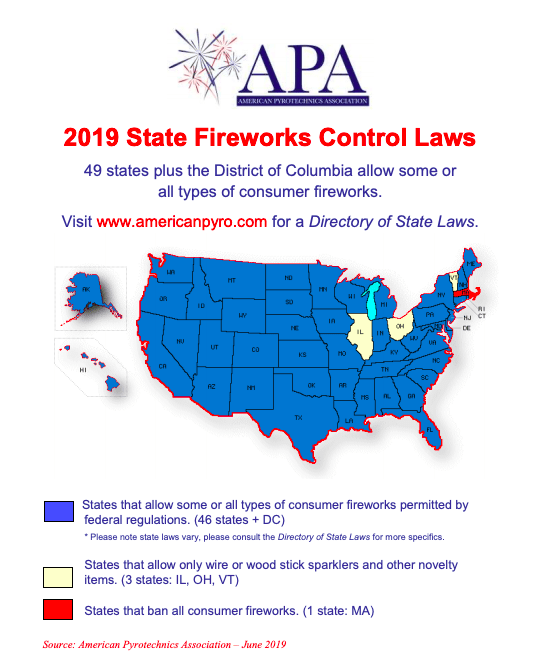
At first glance, Florida law seems quite restrictive regarding fireworks. Generally, the sale, possession, and use of fireworks that fly, explode, or move are illegal for individuals without a special permit. This covers the vast majority of pyrotechnics that come to mind when one thinks of a traditional fireworks display—rockets, firecrackers, Roman candles, and aerial shells. The intent behind these strict laws is primarily public safety, aiming to prevent injuries, property damage, and wildfires, which are a significant concern in Florida’s often dry climate. For tourists arriving in the state, this initial understanding often leads to the conclusion that all fireworks are off-limits, which isn’t entirely accurate, but serves as a vital cautionary principle.
Why the Confusion? Understanding Florida’s Nuances
The confusion stems from specific exemptions and the widespread availability of certain types of pyrotechnics. Despite the general prohibition, many roadside stands and temporary retailers pop up around major holidays, openly selling items that appear to be illegal. This creates a deceptive landscape for tourists, who might assume that if something is readily available for purchase, it must be legal to use. However, the legality hinges on a specific, often misunderstood, part of Florida statutes, particularly related to the definition of “fireworks” and an agricultural exemption. This legal ambiguity is precisely why visitors need to be informed before making any purchases or plans involving fireworks.
Deciphering the “Sparkler Rule” and Beyond
To truly understand Florida’s fireworks laws, tourists must differentiate between various categories of pyrotechnic devices and be aware of the infamous “agricultural exemption.”
What are “Safe and Sane” Fireworks?
Florida law distinguishes between “fireworks” and “sparklers” or “novelties.” The latter category, often referred to as “safe and sane” fireworks, are generally legal for personal use. These typically include:
- Sparklers: Hand-held devices that emit sparks.
- Snakes and Glow Worms: Small pellets that expand into an ash “snake.”
- Smoke Devices: Items that produce colored smoke.
- Trick Noisemakers: Such as party poppers or snappers.
These items do not explode, leave the ground, or have a primary effect of producing a report (a loud sound). They are considered lower risk and are widely available and permissible for use by adults, provided they are used responsibly and according to manufacturer instructions. Tourists can typically purchase and use these items without legal issue, making them a common way to add a festive touch to celebrations.
The Agricultural Exemption: A Legal Loophole
Here’s where the primary source of confusion and illegal sales for actual fireworks comes into play. Florida Statute 791.04 includes an “agricultural exemption.” This statute permits the sale of traditionally illegal fireworks to individuals who sign a sworn affidavit stating that they will use the fireworks for “frightening birds from agricultural works.” This exemption was originally designed for farmers to protect their crops from pests.
However, in practice, this exemption has been widely exploited by fireworks retailers. They sell powerful, aerial, and explosive fireworks to the general public, asking them to sign the affidavit, fully aware that the fireworks will not be used for agricultural purposes. While signing this affidavit allows the sale to occur, it does not make the subsequent use of these fireworks for personal celebrations legal. Essentially, you can legally buy them if you claim to be using them for agricultural purposes, but using them for entertainment in your backyard is still illegal under state law. This critical distinction is often lost on both residents and tourists alike.
Common Misconceptions and Tourist Traps
Tourists visiting Florida during celebratory periods might encounter numerous fireworks stands aggressively marketing their products. The presence of these stands, combined with the agricultural exemption, can create a false sense of legality. Many assume that because they can purchase items like bottle rockets or firecrackers, they are also permitted to ignite them. This is a dangerous misconception. Law enforcement in Florida frequently issues citations and fines, or even makes arrests, for the illegal discharge of fireworks, especially if they cause injury or property damage. Visitors should be extremely wary of any vendor who suggests that signing an affidavit makes personal use of large fireworks legal for entertainment purposes.
Public Displays vs. Personal Use: What Tourists Can Expect

For tourists, the safest and most spectacular way to enjoy fireworks in Florida is by attending professional public displays. These events are legally sanctioned, expertly managed, and designed to provide a thrilling experience without the legal risks associated with personal use.
Where to Enjoy Professional Fireworks Shows
Florida is renowned for its incredible professional fireworks displays, particularly around the Fourth of July and New Year’s Eve. Major cities and theme parks spare no expense in creating breathtaking shows that draw millions of spectators annually.
- Orlando: As the theme park capital of the world, Orlando offers some of the most impressive fireworks. Walt Disney World resorts like Magic Kingdom and Epcot host nightly shows that are legendary. Universal Studios Florida and SeaWorld Orlando also put on fantastic displays, especially during peak holiday seasons.
- Miami: Known for its vibrant nightlife and beautiful beaches, Miami offers dazzling fireworks over Biscayne Bay or from various beachside locations, providing a stunning backdrop against the city skyline.
- Tampa: Visitors to Tampa can often find fantastic fireworks events along the Riverwalk or in Sparkman Wharf, particularly for Independence Day celebrations.
- Coastal Cities: Virtually every major coastal city, from Jacksonville to Key West, Daytona Beach to Naples, St. Petersburg and Clearwater Beach, Fort Lauderdale will host public fireworks shows. These events are often family-friendly and free, offering spectacular views from beaches, parks, and waterfront areas. Checking local tourism board websites or event listings closer to your travel date is the best way to find specific showtimes and locations.
The Dangers and Consequences of Illegal Personal Use
Beyond the legal ramifications, the use of illegal fireworks by untrained individuals poses significant dangers. Injuries, including severe burns, loss of digits, and eye damage, are common. Uncontrolled fireworks can also cause devastating fires, especially in Florida’s dry seasons, endangering property and lives. For tourists, an injury or a fire caused by illegal fireworks can quickly turn a dream vacation into a nightmare, involving medical emergencies, legal battles, and substantial financial liabilities. It is simply not worth the risk when so many safe and impressive professional alternatives are available.
County and City Ordinances: A Layered Approach
Adding another layer of complexity to Florida’s fireworks laws are county and municipal ordinances. While state law sets a baseline, local jurisdictions have the authority to enact stricter regulations.
How Local Laws Affect Your Trip
Even if a certain type of “safe and sane” firework is generally permissible under state law, a specific county or city might have an ordinance prohibiting its use within their boundaries. For instance, while sparklers are often legal statewide, some cities might ban them from public beaches or parks, or even entirely within city limits, citing litter or fire hazards. These local rules can vary significantly from one destination to another within Florida, meaning what’s allowed in Miami might not be allowed in a neighboring city or county.
Checking Specific Regulations in Popular Tourist Destinations
Before purchasing or planning to use any type of firework, even sparklers, it is highly advisable for tourists to check the specific ordinances of the city or county they are visiting. A quick search on the official municipal or county government website for “[fireworks ordinances] + [city name] Florida” should provide the most up-to-date and accurate information. This proactive step can prevent misunderstandings and ensure compliance with local laws, allowing visitors to enjoy their celebrations without worry. Many local law enforcement agencies also publish advisories around holidays, outlining what is and isn’t permitted.
Safety First: Enjoying Fireworks Responsibly
For tourists, prioritizing safety and legality is key to a truly enjoyable Florida experience, especially when it comes to fireworks.
Tips for Attending Public Displays
Attending a professional fireworks show is undoubtedly the best way to enjoy pyrotechnics in Florida. To make the most of the experience, consider these tips:
- Arrive Early: Popular shows, especially in theme parks or major cities, attract large crowds. Arriving early secures a good viewing spot and avoids traffic headaches.
- Check Transportation: Plan your transportation and parking in advance. Many areas have road closures or modified public transport schedules around major events.
- Stay Hydrated and Sun Protected: Florida weather can be hot. Bring water, sunscreen, and hats, especially if waiting outdoors for an extended period.
- Respect Crowds and Regulations: Follow instructions from event staff and law enforcement. Be patient and mindful of other spectators.
- Leave Pets at Home: The loud noises can be distressing for animals.
- Clean Up: If you bring blankets or chairs, remember to take them with you.

Alternatives to Personal Fireworks for Tourists
If you’re disappointed by the restrictions on personal fireworks, remember that Florida offers countless other ways to celebrate and create memorable moments, especially on holidays.
- Themed Park Celebrations: Many Florida theme parks offer special holiday events, parades, and entertainment that extend beyond fireworks.
- Beach Bonfires: In designated areas, some beaches allow controlled bonfires, offering a different kind of warm glow for evening gatherings. Always check local beach regulations first.
- Festivals and Events: Throughout the year, and particularly during holidays, Florida hosts numerous festivals, concerts, and community events that provide festive atmospheres without the need for personal fireworks.
- Light-Up Novelties: For children and adults alike, glow sticks, LED light-up toys, and other light-emitting novelties can add a safe and fun sparkle to evening celebrations.
In conclusion, while the question “Are fireworks illegal in Florida?” elicits a complex answer, the safest and most legally sound advice for tourists is to avoid purchasing and using any fireworks that explode, fly, or are intended for aerial displays. Embrace the state’s incredible professional fireworks shows and other festive alternatives. By understanding and respecting Florida’s nuanced laws, visitors can ensure their trip is filled with joy, safety, and unforgettable memories of the Sunshine State.
LifeOutOfTheBox is a participant in the Amazon Services LLC Associates Program, an affiliate advertising program designed to provide a means for sites to earn advertising fees by advertising and linking to Amazon.com. Amazon, the Amazon logo, AmazonSupply, and the AmazonSupply logo are trademarks of Amazon.com, Inc. or its affiliates. As an Amazon Associate we earn affiliate commissions from qualifying purchases.