
For many, the concept of a basement is a fundamental aspect of home construction, offering extra space, storage, or a safe haven during severe weather. Yet, for travelers planning a trip to the Sunshine State and considering what to expect from accommodations or even local architecture, a simple question often arises: “Are there basements in Florida?” The answer, in the vast majority of cases, is a resounding no. This seemingly straightforward fact, however, unravels a fascinating narrative about Florida’s unique geography, climate, and the innovative architectural adaptations that define this popular travel destination. Understanding why basements are so rare here offers invaluable insight for visitors, shaping expectations about everything from housing styles to hurricane preparedness.
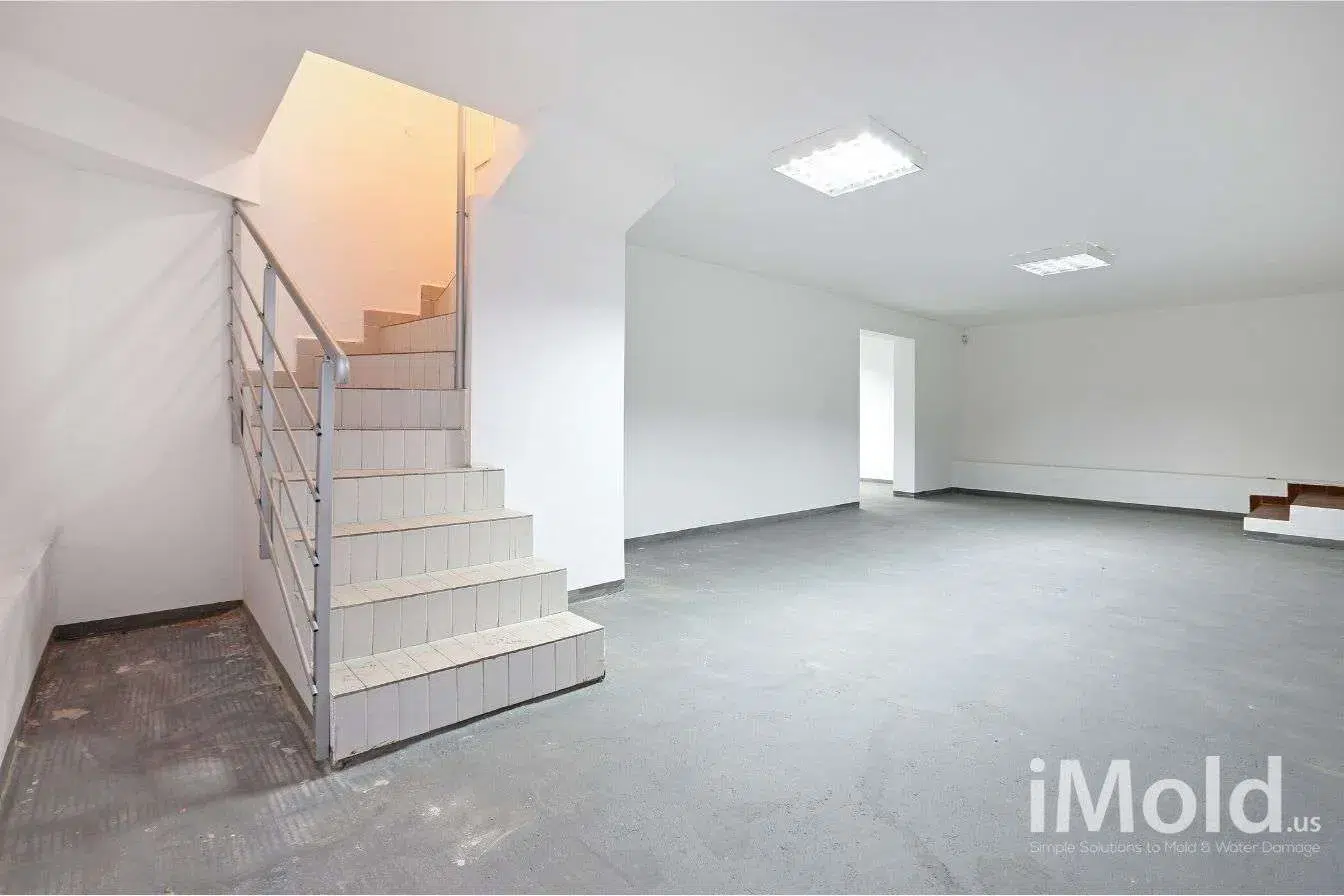
The Geographic and Geologic Realities Behind Florida’s Basement Rarity
The primary reasons behind the scarcity of basements in Florida are deeply rooted in its distinctive natural environment. Far from being a mere architectural preference, the absence of subterranean levels is a direct response to the state’s challenging subsurface conditions.
The High Water Table: Florida’s Defining Subsurface Feature
Florida is famously low-lying, bordered by the Atlantic Ocean to the east and the Gulf of Mexico to the west. This proximity to vast bodies of water, combined with its flat topography, results in an extraordinarily high water table across most of the state. The water table is essentially the level below which the ground is saturated with water. In many parts of Florida, this level is just a few feet below the surface, or sometimes even at ground level, especially during the rainy season or after heavy storms.
Attempting to excavate a basement in such conditions is akin to digging a swimming pool directly into a natural spring. The hole would rapidly fill with water, necessitating constant, intensive pumping and incredibly robust waterproofing systems. This constant struggle against hydrostatic pressure—the force exerted by water—makes the construction process prohibitively complex, time-consuming, and expensive. The perpetual risk of flooding and potential structural damage due to water intrusion renders basements an impractical and economically unfeasible endeavor for most residential and even commercial projects.
Porous Limestone and Karst Topography: A Foundation Challenge
Beneath Florida’s sandy soils lies a thick layer of porous limestone, a geological formation characteristic of what is known as karst topography. This limestone bedrock, formed from ancient marine deposits, is highly permeable, meaning water can easily seep through it. Over millennia, rainwater, which is slightly acidic, dissolves the limestone, creating an intricate network of underground caverns, fissures, and channels.
This unique geology presents a significant challenge for any deep excavation. Digging into such unstable ground can disturb the delicate balance of the subsurface, potentially leading to ground subsidence or, in severe cases, the formation of sinkholes. Florida is renowned as a hotspot for sinkhole activity precisely because of this soluble bedrock and high water table interaction. Constructing a basement foundation in such an environment requires extensive and costly geotechnical surveys, specialized engineering, and potentially dynamic stabilization techniques to ensure long-term structural integrity. For the average home or vacation rental, these additional complexities are simply not justifiable.
The Cost-Benefit Imbalance of Basement Construction
When weighing the practical benefits against the formidable challenges, the argument for building basements in Florida quickly dissipates. The engineering required to waterproof, de-water, and structurally reinforce a subterranean space against Florida’s unique conditions drives construction costs through the roof. These costs far exceed what one would pay for an equivalent amount of above-ground living or storage space.
Instead, builders and homeowners in Florida have adopted more practical and cost-effective solutions for expanding space or providing shelter. Rather than battling the subsurface, they build upwards or outwards. This cost-benefit imbalance ensures that basements remain a rare curiosity rather than a standard feature in the state’s architectural landscape.
Architectural Adaptations and Living Without a Basement
The absence of basements has profoundly influenced Florida’s architectural identity, leading to ingenious solutions that prioritize resilience, comfort, and adaptation to the local environment. Travelers will quickly notice these distinct features, which contribute to the unique charm and functionality of the Sunshine State.
Elevated Foundations: The Quintessential Florida Home Design
One of the most visible adaptations to Florida’s high water table and flood risks is the widespread use of elevated foundations. Many homes, particularly in coastal areas or low-lying regions, are built on stilts, pilings, or raised concrete slabs (known as slab-on-grade construction). These designs lift the habitable areas of the structure several feet above the ground.
Elevated foundations serve multiple crucial purposes: they provide protection against storm surge and localized flooding, improve airflow underneath the house to combat humidity and prevent moisture buildup, and can deter pests. For travelers exploring residential neighborhoods or staying in vacation rentals, the sight of homes perched above the ground is a characteristic feature of Florida’s landscape, a subtle yet powerful indicator of its environmental realities.
Alternative Spaces for Storage and Utility

With no basements to serve as utility rooms, workshops, or storage areas, Floridians have found creative alternatives. Larger garages are common, often serving multiple functions beyond parking vehicles. Many homes incorporate dedicated utility rooms on the main floor for laundry and household systems. Outdoor sheds and detached structures are frequently used for storing tools, recreational equipment, and other non-essential items. Attics, while present, are typically not designed for heavy storage or regular access due to the intense heat and humidity they accumulate.
For travelers, this means that vacation rentals or hotel suites will allocate space differently. You might find more storage in oversized closets, built-in cabinetry, or within a designated utility area. Understanding these architectural norms helps manage expectations regarding space utilization during your stay.
Hurricane Preparedness and Safe Rooms
A common misconception is that basements are essential for storm shelters, especially in a hurricane-prone state like Florida. However, the very conditions that prevent basement construction—high water tables and porous soil—also make basements unsuitable as hurricane shelters, as they would be prone to flooding and structural compromise from hydrostatic pressure.
Instead, Florida homes and public buildings employ different strategies for hurricane preparedness. Many modern homes are constructed with reinforced “safe rooms” or “panic rooms” on the main floor, designed to withstand high winds and flying debris. Communities also have designated public shelters, typically hardened schools or civic centers, which are designed to offer protection during severe weather events. Travelers visiting popular destinations like Miami, Orlando, or Key West during hurricane season should familiarize themselves with local emergency plans and shelter locations, which are widely publicized by local authorities.
Implications for Travelers and Visitors
Understanding the reasons behind Florida’s lack of basements offers several key insights for travelers, influencing expectations and enhancing the overall experience of exploring this unique state.
Understanding Accommodation Expectations
When booking accommodation in Florida, whether a luxury resort, a cozy Airbnb, or a long-term rental, you should not expect a basement. This applies to virtually all hotels, vacation homes, and apartment complexes. This means that common areas, laundry facilities, and additional storage will always be located on above-ground floors. In hotels, amenities like fitness centers or meeting rooms are typically on the ground floor or higher levels, not in a subterranean space. Vacation rentals will often maximize living space on one or two main floors, with garages or utility closets handling storage needs.
Experiencing Florida’s Unique Architecture and Landscape
The absence of basements contributes significantly to Florida’s distinctive architectural style. From the charming bungalows of Key West to the sprawling suburban homes of Orlando and Tampa, you’ll observe buildings designed to cope with the climate rather than defy it. Homes are often characterized by open-plan layouts, abundant windows for natural light and ventilation, and often feature large outdoor living spaces like lanais or screened porches, which serve as extensions of the living area. This design philosophy fosters an airy, expansive feel, reflecting the state’s laid-back, outdoor-oriented lifestyle. Taking note of these architectural nuances enriches a traveler’s appreciation of Florida’s cultural and environmental adaptations.
Safety and Preparedness During Your Stay
While the lack of basements in Florida isn’t a safety concern in itself, it underscores the importance of being prepared for severe weather. Travelers visiting during hurricane season (June 1st to November 30th) should always monitor weather forecasts. Hotels and vacation rental hosts are typically well-versed in local emergency procedures and can provide guidance. It’s prudent to know the nearest public shelter, if necessary, and to have a basic understanding of evacuation routes. While rare, awareness of sinkhole activity is also a good idea, though specific risks are usually localized and communicated by authorities.
The Rare Exceptions: Where a Florida Basement Might Exist
While basements are an extreme rarity, there are a few isolated instances where subterranean levels can be found in Florida, though these are far from the residential norm.
Commercial and Public Structures: Engineering Marvels
In major urban centers like Miami, Tampa, or Jacksonville, some very large, purpose-built commercial or public structures may feature subterranean levels. These are typically not basements in the traditional sense, but rather highly engineered underground parking garages, utility tunnels, or specialized facilities requiring climate control and security. Constructing these involves monumental engineering feats, including extensive de-watering systems, massive waterproofing membranes, and heavily reinforced concrete structures to resist the immense hydrostatic pressure and ensure stability in Florida’s challenging ground conditions. These projects are prohibitively expensive and are only undertaken when absolutely critical for the function of a major building or infrastructure.

Historical Anomalies or Misconceptions
Very occasionally, one might encounter an older property, perhaps built a century or more ago in a specific, slightly higher-elevation pocket, that features a very shallow cellar or crawl space. These are usually small, semi-subterranean areas, often damp and not designed for habitable space, and are far from the typical spacious basements found in other regions. They are relics of a time before modern building codes and advanced geotechnical understanding, and they are not representative of contemporary Florida construction. It’s important to distinguish these rare, rudimentary crawl spaces from true, functional basements.
In conclusion, the question “Are there basements in Florida?” serves as an excellent entry point into understanding the unique geographical, geological, and climatic factors that define the Sunshine State. For travelers, knowing that basements are virtually non-existent helps manage expectations regarding accommodation, storage, and even hurricane preparedness. It also invites an appreciation for the distinctive architectural styles and resilient lifestyle that have evolved in response to Florida’s fascinating and challenging environment. So, as you plan your visit, embrace the above-ground reality and discover the many wonders of this vibrant destination.
LifeOutOfTheBox is a participant in the Amazon Services LLC Associates Program, an affiliate advertising program designed to provide a means for sites to earn advertising fees by advertising and linking to Amazon.com. Amazon, the Amazon logo, AmazonSupply, and the AmazonSupply logo are trademarks of Amazon.com, Inc. or its affiliates. As an Amazon Associate we earn affiliate commissions from qualifying purchases.