
For travelers and residents alike, understanding the nuances of Daylight Saving Time (DST) in California is essential for seamless planning, whether you’re mapping out a cross-state adventure, booking accommodation, or simply scheduling your daily life. The Golden State, like most of the United States, observes Daylight Saving Time, meaning clocks “spring forward” in the spring and “fall back” in the autumn.
Specifically, in California:
- Spring Forward: Clocks move forward by one hour at 2:00 AM local time on the second Sunday in March. This means you “lose” an hour of sleep, but gain an extra hour of daylight in the evening.
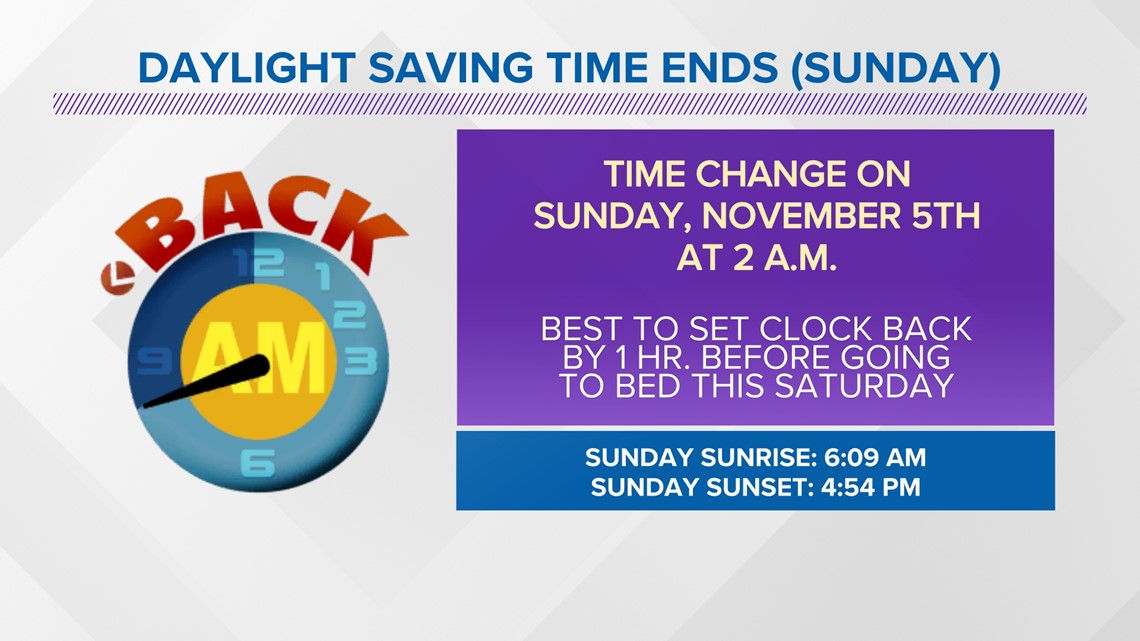
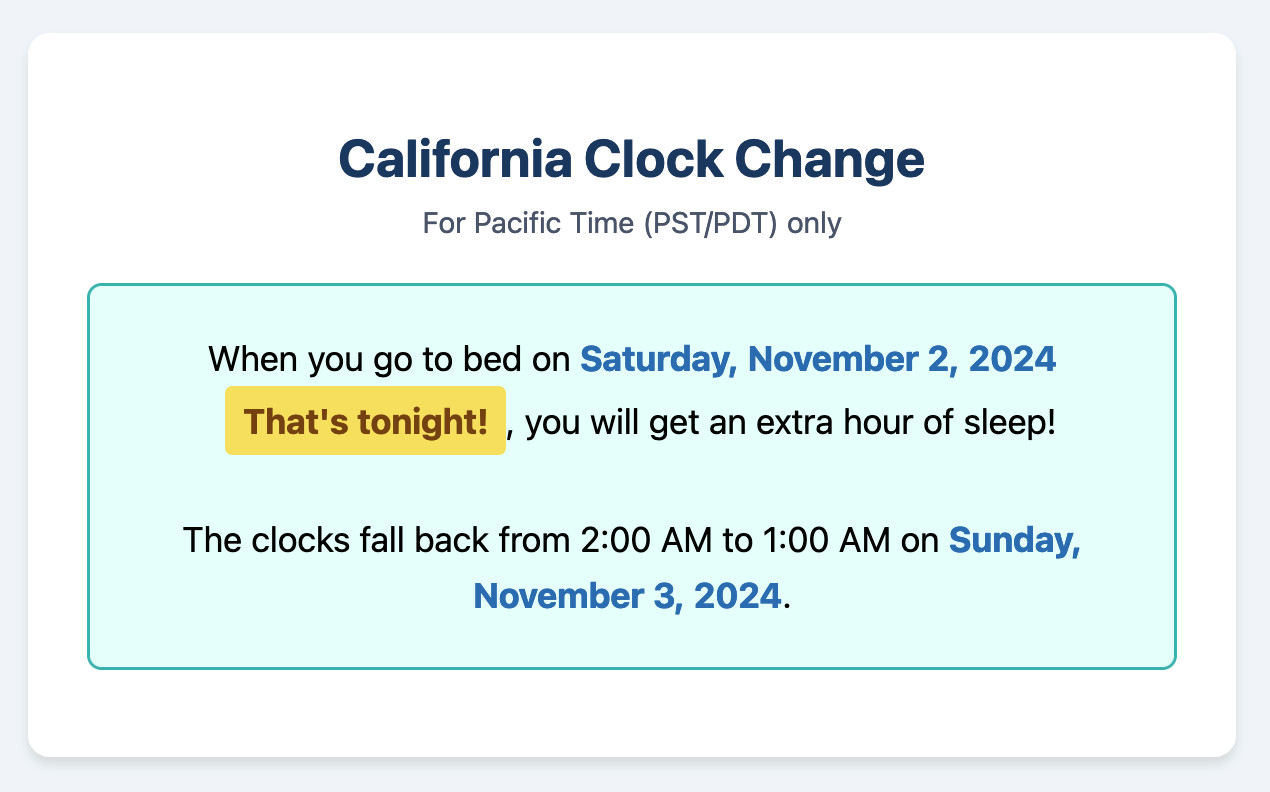
- Fall Back: Clocks move back by one hour at 2:00 AM local time on the first Sunday in November. This marks the end of DST, and you “gain” an hour of sleep, returning to standard time.
This annual ritual has significant implications for everything from travel itineraries and event schedules to the rhythm of daily life and even personal well-being. From navigating check-in times at luxury hotels in Los Angeles to catching an early morning tour of Alcatraz Island in San Francisco, being aware of these shifts is key to making the most of your California experience.
Understanding Daylight Saving Time in the Golden State
Daylight Saving Time is more than just a minor inconvenience; it’s a strategic shift designed to maximize daylight hours during months when they are most abundant. For a state as geographically diverse and vibrant as California, this change impacts everything from energy consumption to outdoor recreational activities.
The Annual Ritual: Spring Forward and Fall Back
The tradition of “springing forward” and “falling back” has been a part of the United States calendar for over a century, though its application has seen various iterations. When clocks jump forward in March, the evening light extends, making it perfect for enjoying California’s stunning sunsets over the Pacific Ocean, an evening stroll along Santa Monica Pier, or a leisurely dinner at a waterfront restaurant in San Diego. Conversely, when clocks fall back in November, mornings become brighter earlier, which can be advantageous for early risers, morning commutes, or catching the sunrise over the majestic peaks of Yosemite National Park.
For those planning a tourism trip, understanding these shifts is crucial. Imagine arriving at your hotel after a long flight, only to realize you’ve miscalculated your check-in time due to the time change. Or perhaps you’ve booked tickets for a popular attraction like Universal Studios Hollywood, only to arrive an hour late or early, missing precious park time. Awareness ensures that such minor mishaps don’t detract from your overall travel experience.
Historical Context and Ongoing Debates
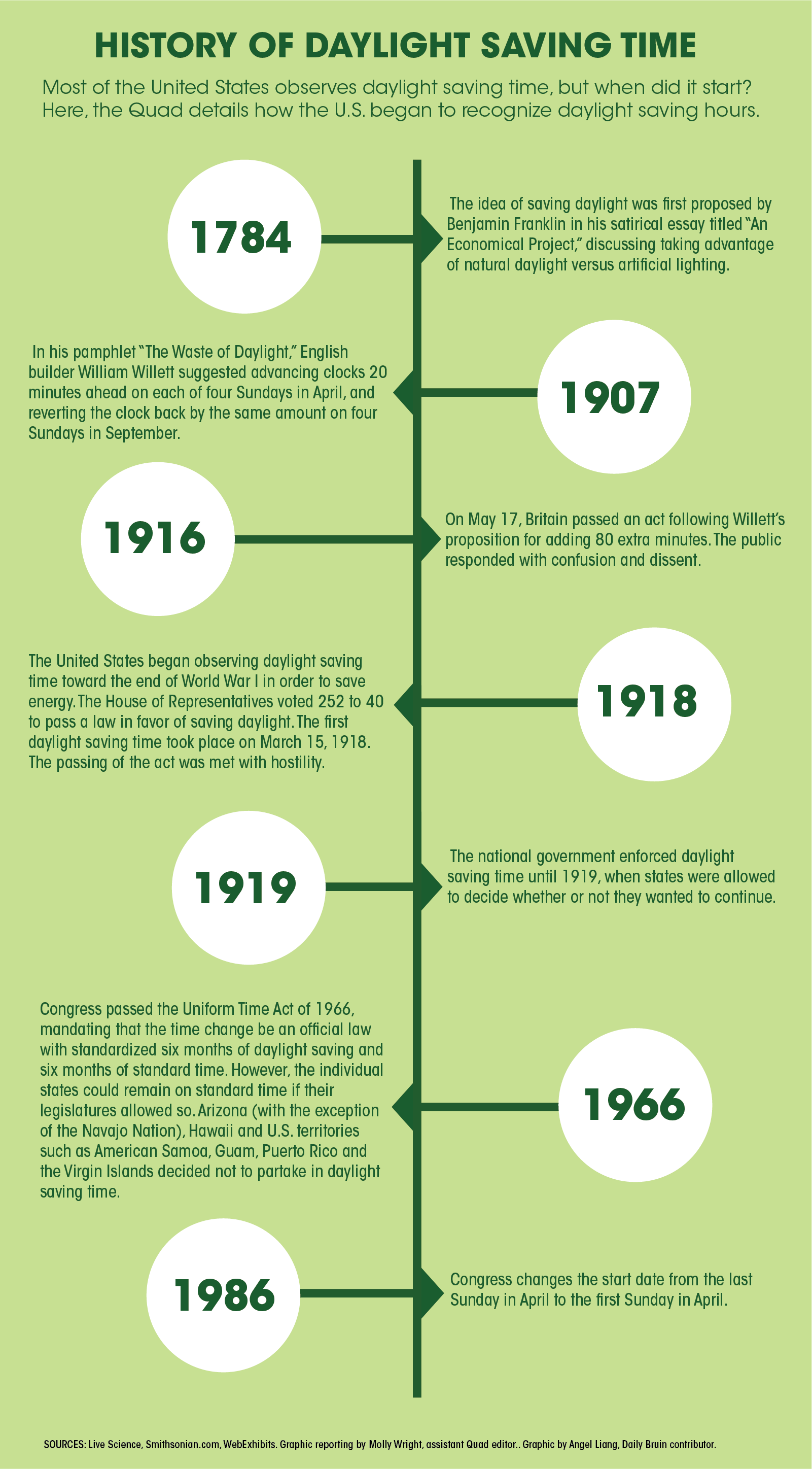
The history of DST in California is intertwined with national discussions. While the Uniform Time Act of 1966 standardized DST across the United States, individual states have the option to opt out, as Arizona and Hawaii have done. For years, California has been at the forefront of the debate to potentially abolish DST or make it permanent. In 2018, California voters passed Proposition 7, which gave the state legislature the power to change DST by a two-thirds vote, potentially moving to permanent DST. However, federal law currently requires Congressional approval for states to permanently adopt DST.
This ongoing debate means that while the current system remains in place, future changes are always a possibility. For visitors and residents, staying informed about these discussions, especially if planning long-term stays or considering relocation, is part of understanding the dynamic lifestyle in the Golden State. Until any legislative changes are enacted, travelers should continue to anticipate the annual spring forward and fall back.
Navigating Travel and Accommodation During the Time Change
The implications of Daylight Saving Time extend significantly to the travel and accommodation sectors. A seemingly small one-hour shift can ripple through flight schedules, ground transportation, hotel bookings, and pre-arranged tours, demanding careful attention from visitors.
Planning Your California Itinerary
When planning your California itinerary, especially around the second Sunday in March or the first Sunday in November, consider the time change’s potential impact.
- Flights and Connections: Airlines typically adjust their schedules to reflect DST, but it’s always wise to double-check your flight times. A flight departing at 8:00 AM before the spring forward might actually feel like 7:00 AM to your body, or vice-versa. For international travelers, particularly those from Mexico or Canada with varying DST schedules, confirming time zone alignment is critical to avoid missed connections.
- Tour Bookings and Activities: Many attractions and experiences in California, from wine tastings in Napa Valley to whale watching tours in Monterey Bay, operate on strict schedules. Verify the start times for any pre-booked activities or tours immediately before the time change, especially if they involve specific pick-up times or timed entry tickets for landmarks like the Getty Center or the Exploratorium in San Francisco.
- Driving Times: While the absolute driving time between cities like San Francisco and Los Angeles remains constant, your perception of arrival might shift. If you’re setting out on a road trip from Sacramento to Palm Springs, be mindful of when the time change occurs to avoid feeling rushed or arriving unexpectedly early or late for dinner reservations.
- International Travel: When flying into California from a country that doesn’t observe DST, or observes it on a different date, the time difference can become even more complex. Always adjust your internal clock and device settings promptly upon arrival.
Hotels and Resorts: Adjusting Your Stay
For anyone booking hotels, resorts, or apartments in California, the time change requires a small but important mental adjustment.
- Check-in and Check-out: Most hotels will adjust their internal clocks and systems automatically, but it’s still a good idea to confirm your check-in or check-out times with the front desk, especially if your stay spans the time change weekend. While a luxury suite at the Waldorf Astoria Beverly Hills might offer unparalleled comfort, arriving at an unexpected time could mean a slight delay in accessing your room.
- Hotel Amenities and Services: Dining hours, spa appointments, and shuttle services provided by hotels and resorts will also shift with DST. If you have an early morning breakfast reservation at the Hotel del Coronado or a late-night dip planned at the pools of The Ritz-Carlton, Laguna Niguel, ensure you confirm the exact operating hours in local time.
- Long-Term Stays: For those enjoying long-term stays in California, whether for work or extended tourism, the time change becomes a routine adjustment. Remember to manually update any non-smart clocks in your rental accommodation, especially if you’re residing in a private villa or apartment.
- Booking and Reviews: When browsing booking platforms or reading reviews, keep in mind that quoted times might implicitly refer to standard or daylight saving time. While generally not an issue, extreme vigilance never hurts, particularly for time-sensitive activities.
Maximizing Your California Experience Around DST
The time change can subtly influence your perception of time and energy levels, which is crucial for maximizing your enjoyment of California’s diverse offerings, from its stunning natural landmarks to its vibrant local culture.
Exploring Landmarks and Attractions
California’s landmarks and attractions are world-renowned, and understanding how DST affects them can enhance your visit.
- Extended Daylight for Exploration: When clocks spring forward, the longer evenings are a boon for sightseeing. You can enjoy the panoramic views from the Griffith Observatory in Los Angeles later into the day, take more leisurely walks across the Golden Gate Bridge, or explore the charming streets of Santa Barbara without the rush of impending darkness. This extra hour of sunlight is especially valuable for outdoor experiences in regions like Big Sur or Lake Tahoe.
- Morning Activities: In the fall, when clocks fall back, mornings are brighter earlier. This is perfect for those who like to hit the ground running. Consider an early morning surf session in Huntington Beach, a hike in the Hollywood Hills to beat the crowds, or an early start to a theme park like Disneyland Resort to take advantage of shorter lines.
- Museum and Park Hours: While many major institutions like the Academy of Sciences or the California Science Center typically have set operating hours that adjust with the local time, smaller parks or private attractions might have more flexible schedules. Always check their official websites for the most current information, especially around the DST transition weekends.
Lifestyle Adjustments for Visitors and Residents
The time change impacts not just travel logistics but also personal well-being and daily lifestyle.
- Adjusting to the New Time: For visitors arriving from different time zones or for anyone whose internal clock is sensitive, the one-hour shift can feel like a mini-jet lag. This is particularly true for “springing forward,” where an hour of sleep is lost. Give yourself grace and allow for a day or two to fully adjust.
- Dining and Nightlife: California’s vibrant food scene and nightlife adapt seamlessly to DST. In the spring, the later sunsets can encourage outdoor dining and extend evening activities. In the fall, earlier darkness might shift dinner reservations to slightly earlier times or prompt a cozy evening indoors. Consider exploring unique culinary experiences in San Diego’s Gaslamp Quarter or the upscale restaurants of Beverly Hills with this in mind.
- Family Trips: For families traveling with young children, the time change can be a noticeable disruption to sleep schedules. Gradual adjustments a few days before the change can help mitigate overtiredness. For example, slowly shifting bedtime and wake-up times by 15-minute increments. This foresight can make a family trip to destinations like Legoland California much more enjoyable.
- Business Stays: Business travelers should be particularly attentive to the time change. Meeting schedules, conference calls, and travel arrangements must all be meticulously re-checked to avoid any professional missteps. Rely on digital calendars that automatically adjust.
Tips for a Seamless Transition
While the annual time change is a fixed part of the California calendar, there are several practical tips you can employ to make the transition as smooth as possible, ensuring your travel or daily lifestyle remains uninterrupted.
Beating Jet Lag and Time Change Fatigue
Whether you’re dealing with the actual jet lag from flying across multiple time zones or the slight disorientation from the DST shift, minimizing fatigue is crucial for a pleasant stay.
- Pre-Adjust Your Sleep: A few days before the time change, try to gradually shift your sleep schedule by 15-30 minutes each day. For “spring forward,” go to bed earlier; for “fall back,” go to bed later. This subtle change can significantly ease the transition.
- Prioritize Sleep: On the night of the time change, ensure you get a full night’s rest. Good sleep hygiene, such as a dark, quiet room and avoiding screens before bed, will help. Many luxury hotels in California, like the Post Ranch Inn or Auberge du Soleil, offer incredibly comfortable beds and tranquil environments perfect for restful sleep.
- Stay Hydrated and Eat Well: Proper nutrition and hydration are always important for combating fatigue. Avoid heavy meals close to bedtime and limit caffeine and alcohol.
- Get Sunlight Exposure: Sunlight helps regulate your circadian rhythm. Try to get outside in the morning during the “fall back” period to soak up the early light, and leverage the extended evening light during “spring forward” for outdoor activities like a walk on the Hollywood Walk of Fame.
- Exercise: Moderate exercise can help you feel more energized and promote better sleep at night. A morning jog along the beach in La Jolla or a swim in the pool at the Four Seasons Resort Biltmore Santa Barbara can work wonders.
Digital Tools and Resources
In our hyper-connected world, technology can be your best friend when dealing with time changes.
- Smartphone and Computer Settings: Most modern smartphones, computers, and smartwatches automatically adjust for Daylight Saving Time. Ensure your devices are set to automatically update their time zone. This is often the most reliable way to stay on schedule.
- Online Calendars and Booking Confirmations: Rely on digital calendars (e.g., Google Calendar, Outlook Calendar) for scheduling, as they typically adjust event times. Double-check all booking confirmations for flights, hotels, tours, and reservations to ensure they reflect the correct local time after the shift.
- World Clock Apps: For international travelers or those with business dealings across different time zones, a world clock app can be invaluable for quickly comparing times and avoiding confusion.
- Public Announcements: Pay attention to local news, tourism boards, or hotel notices around the DST transition weekends. They often provide reminders and specific tips relevant to the local area.
By understanding when the time change occurs in California and taking a few proactive steps, you can ensure that your travels, whether for luxury travel or budget travel, remain smooth and enjoyable. Embrace the extra evening daylight for exploring California’s wonders in the spring, and appreciate the brighter mornings that come with the fall.
LifeOutOfTheBox is a participant in the Amazon Services LLC Associates Program, an affiliate advertising program designed to provide a means for sites to earn advertising fees by advertising and linking to Amazon.com. Amazon, the Amazon logo, AmazonSupply, and the AmazonSupply logo are trademarks of Amazon.com, Inc. or its affiliates. As an Amazon Associate we earn affiliate commissions from qualifying purchases.