
Indeed, Florida is home to a thriving population of bobcats, captivating wild felines that roam the diverse landscapes of the Sunshine State. While their elusive nature often keeps them hidden from casual observers, these adaptable predators are a vital component of Florida‘s natural heritage, embodying the wild spirit that coexists with its bustling cities and pristine beaches. From the dense cypress swamps to the pinewoods and even the fringes of suburban developments, bobcats have carved out a significant niche, acting as silent guardians of ecological balance. Understanding their presence, habitats, and behavior offers a profound insight into the rich tapestry of natural landmarks that define Florida. This article delves into the intriguing world of Florida’s bobcats, revealing where they live, how they contribute to the ecosystem, and how we can respectfully appreciate these magnificent creatures.
The Elusive Feline: Understanding Florida’s Bobcats
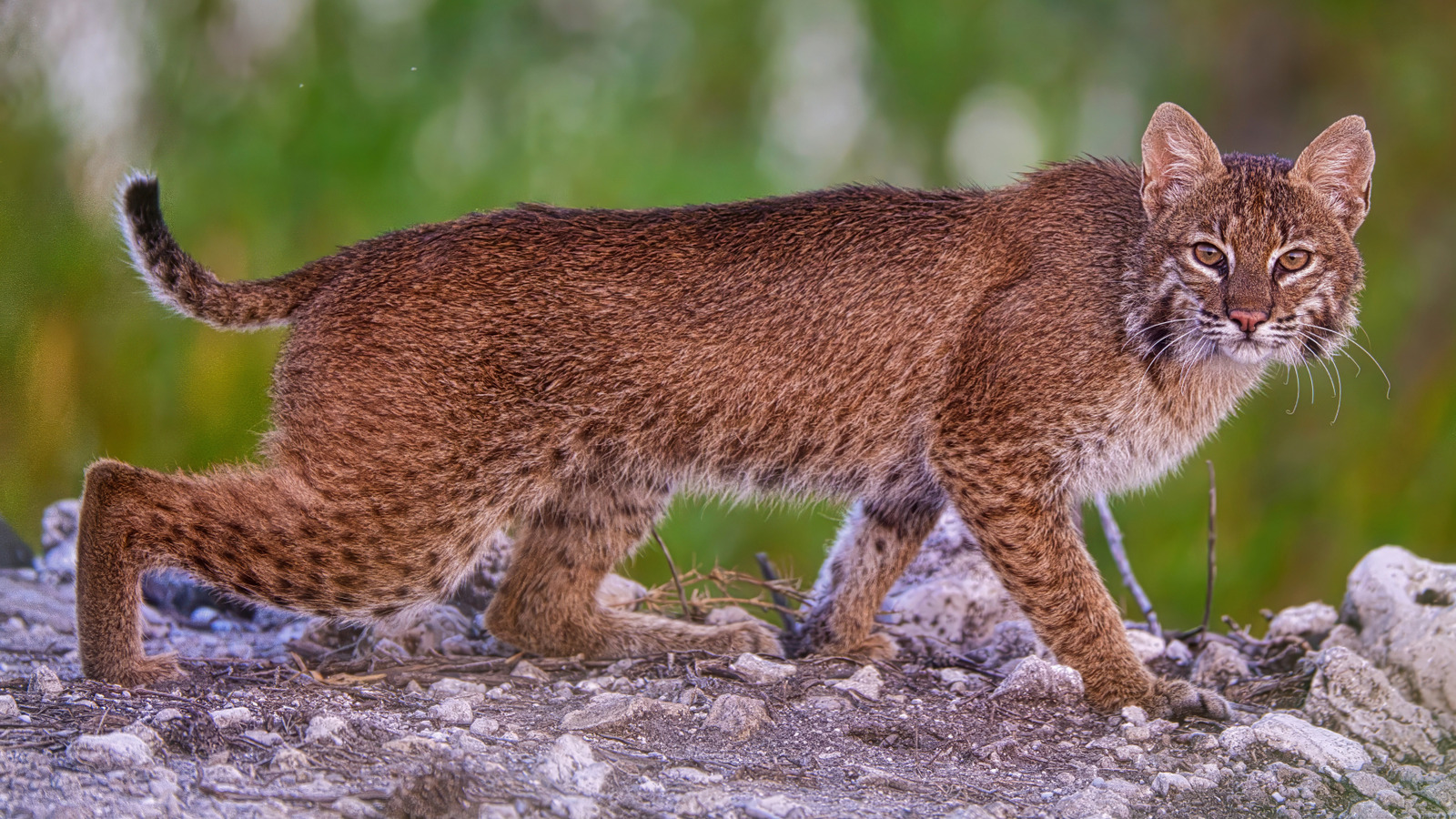
The bobcat, Lynx rufus, is a true testament to nature’s resilience and adaptability. As one of the most widespread wild cat species in North America, its presence in Florida is not just a matter of survival but a story of thriving within a dynamic environment. Their silent movements and camouflage coats make them masters of discretion, often leading residents and visitors alike to wonder about their very existence within the state.
A Native Presence Across the Sunshine State
Bobcats are indigenous to Florida, meaning they have been an integral part of its fauna for millennia. Unlike some introduced species, these cats have evolved alongside Florida’s unique ecosystems, adapting to its varied climate and habitats. They can be found in every single county across the state, from the Panhandle to the Florida Keys, wherever suitable habitat exists. This widespread distribution is remarkable given Florida’s rapid urbanization, highlighting the bobcat’s incredible capacity to adapt to human-modified landscapes.
Their preferred habitats are as diverse as Florida itself. Bobcats thrive in forests, especially those with dense undergrowth offering ample cover. Pine flatwoods, hardwood hammocks, swamps, cypress strands, and even agricultural lands provide ideal conditions. The thick vegetation not only offers concealment for hunting and denning but also protection from larger predators and the elements. What’s particularly fascinating is their ability to persist in fragmented habitats, often utilizing corridors of green space, canals, and natural preserves that weave through developed areas. This adaptability allows them to maintain a presence in surprising proximity to human activity, making sightings, though rare, a truly special occurrence.
Distinctive Characteristics and Behavior
Identifying a bobcat often relies on a keen eye and knowledge of their unique features. They are relatively small wild cats, typically weighing between 15 and 35 pounds, with males generally larger than females. Their fur color varies from grayish-brown to reddish-brown, often adorned with distinctive black spots or streaks that provide excellent camouflage against the dappled light of the forest floor. The most defining characteristic, from which they derive their name, is their short, “bobbed” tail, usually only 4 to 7 inches long and tipped with black. They also possess prominent ear tufts and facial ruffs, giving them a distinctly wild and alert appearance.
Behaviorally, bobcats are primarily nocturnal or crepuscular, meaning they are most active during the twilight hours of dawn and dusk. This schedule helps them avoid peak human activity and exploit the times when their prey is most active. They are solitary animals, generally coming together only for breeding. Each bobcat maintains a distinct territory, which it marks with scent and scratches, vigorously defending it against rivals of the same sex. Their hunting prowess is legendary; they are ambush predators, relying on stealth and a sudden burst of speed to capture prey. Their diet primarily consists of small mammals like rabbits, rodents, and squirrels, but they are opportunistic hunters and will also prey on birds, reptiles, and even young deer if the opportunity arises. This broad diet contributes to their success in diverse Florida environments.
Where to Spot Florida’s Wild Cats: Prime Habitats and Viewing Tips
While bobcats are widespread, actually encountering one in the wild requires patience, knowledge, and a respectful approach to wildlife viewing. Understanding their preferred “natural landmarks” and employing responsible strategies significantly increases the chances of a memorable sighting.
Key Natural Habitats and Protected Areas
Florida’s extensive network of natural preserves and protected areas offers the best opportunities to observe bobcats in their natural element. These areas serve as crucial refuges for wildlife, providing undisturbed habitats that support healthy bobcat populations.
One of the most iconic places where bobcats thrive is Everglades National Park. The vast expanse of sawgrass prairies, cypress swamps, and hammocks provides an ideal environment for these agile hunters. Similarly, the neighboring Big Cypress National Preserve, with its extensive cypress forests and diverse ecosystems, is another stronghold for bobcats. These southern Florida wilderness areas are not just famous for alligators and wading birds but also for their elusive feline residents.
Further north, the sprawling Ocala National Forest in central Florida offers hundreds of thousands of acres of pine flatwoods, scrub, and natural springs, all of which are prime bobcat territory. The varied terrain here supports a rich prey base, making it an excellent location for spotting these cats, particularly along forest edges or near water sources during the early morning or late evening.
Another significant area is Kissimmee Prairie Preserve State Park. While often celebrated for its dark skies and vast grasslands, the preserve also features scattered tree islands and marshy areas that bobcats utilize for hunting and shelter. The open landscape might make sightings easier for those with binoculars, as bobcats move across the prairie.
Beyond these major national and state parks, numerous state forests, wildlife management areas (WMAs), and smaller local preserves across Florida harbor bobcats. Even in more urbanized counties, green corridors, river systems, and undeveloped parcels of land can serve as secret pathways and hunting grounds for these resilient cats. Look for areas with dense cover adjacent to open spaces, as these transition zones are often favored by bobcats for hunting.
Responsible Wildlife Viewing Strategies
Successfully spotting a bobcat, and doing so responsibly, requires adherence to best practices for wildlife observation. The key is to minimize disturbance to the animal and its habitat.
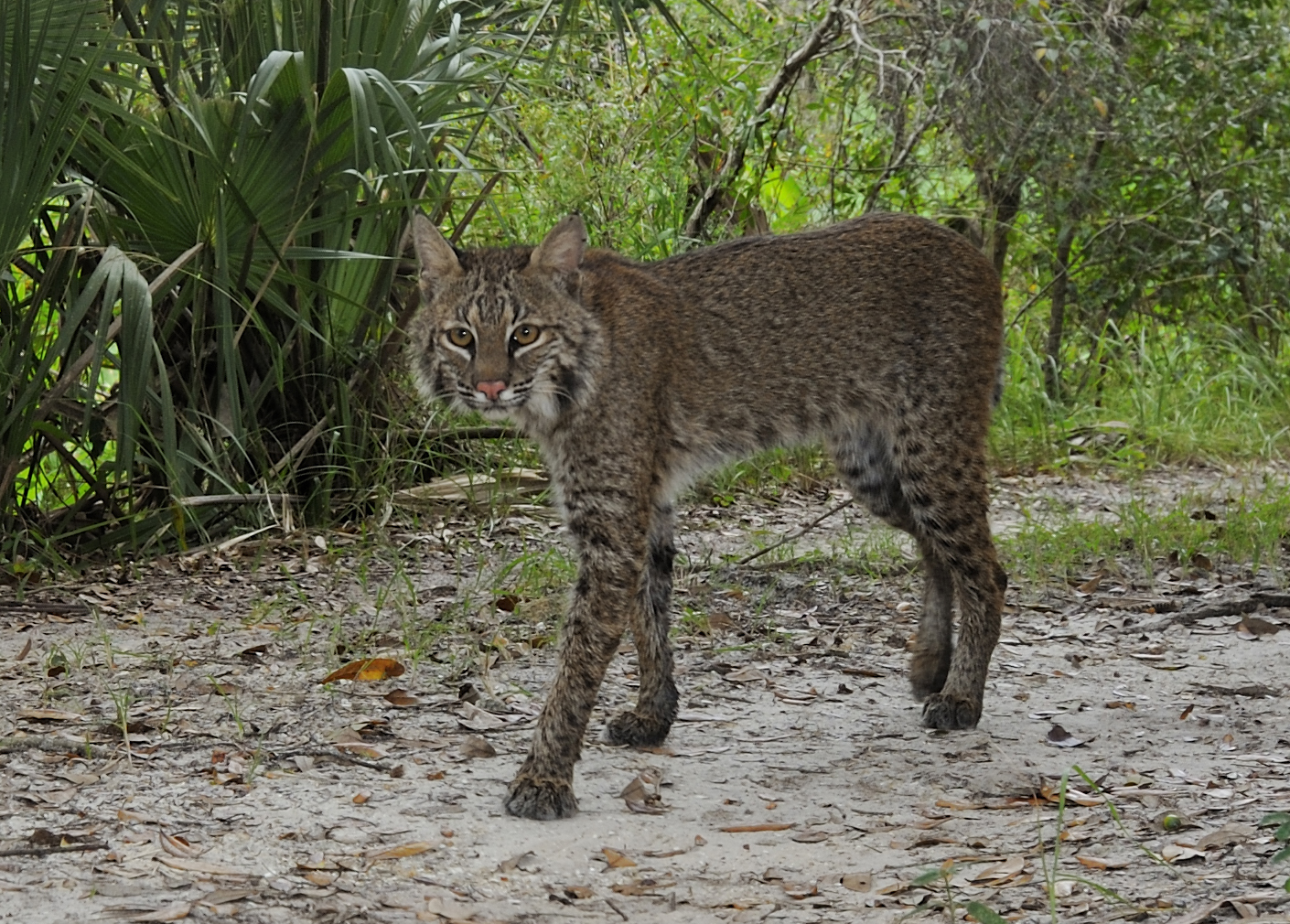
- Timing is Everything: As crepuscular animals, bobcats are most active during dawn and dusk. Plan your visits to natural areas for these times. The low light can make photography challenging but offers the best chance for a sighting.
- Patience and Quiet: Bobcats are shy and easily spooked. Find a quiet spot with good visibility and remain still and silent. Avoid sudden movements or loud noises. Using a vehicle as a “blind” on park roads can sometimes be effective.
- Binoculars and Telephoto Lenses: To observe bobcats without disturbing them, quality optics are essential. Binoculars allow you to view details from a safe distance, while a telephoto lens is crucial for wildlife photography.
- Maintain Distance: Always keep a respectful and safe distance from any wild animal. Never approach a bobcat, especially if it’s with kittens. If an animal changes its behavior due to your presence, you are too close.
- Never Feed Wildlife: Feeding wild animals habituates them to humans, which can lead to aggressive behavior, reliance on unnatural food sources, and increased risk of vehicle collisions. It also disrupts their natural hunting instincts.
- Respect Habitat: Stay on designated trails, do not litter, and leave no trace. Protecting their environment is paramount to ensuring bobcats continue to thrive.
- Recognize Signs: While seeing a bobcat can be rare, look for signs of their presence: tracks (typically round with no claw marks visible), scat (often segmented and containing fur or bone fragments), or scratch marks on trees.
The Bobcat’s Role in Florida’s Ecosystem
Beyond the thrill of a rare sighting, the bobcat’s importance to Florida’s natural landmarks and ecosystems cannot be overstated. As a key predator, it plays a critical role in maintaining the health and balance of its environment.
Predators and Prey: Maintaining Balance
Bobcats sit at an important position in the food web. As opportunistic carnivores, they primarily prey on smaller animals like rabbits, rodents, and birds, which can reproduce quickly and, if left unchecked, can overpopulate an area, leading to ecological imbalances. By hunting these species, bobcats help regulate their populations, preventing overgrazing of vegetation or the spread of diseases. This “top-down” control by predators is a natural mechanism that supports biodiversity and ecosystem stability.
Their presence signifies a healthy and functioning ecosystem, complete with a robust prey base and sufficient habitat. A decline in bobcat populations in a specific area could indicate broader environmental issues, such as habitat degradation or a decrease in prey availability, making them an important indicator species for the overall vitality of Florida’s natural areas.
Conservation Status and Threats
Globally and nationally, the bobcat is classified as a species of “least concern” by the IUCN, indicating a relatively stable population. In Florida, bobcats are not listed as endangered or threatened, a testament to their adaptability. However, this does not mean they are without challenges.
The primary threat to bobcats in Florida is habitat loss and fragmentation due to continued human development. As natural areas are converted for residential, commercial, or agricultural use, bobcats lose their hunting grounds, den sites, and movement corridors. Habitat fragmentation isolates populations, reducing genetic diversity and increasing vulnerability to local extinctions. Vehicle collisions are also a significant source of mortality, particularly in areas where roads intersect natural habitats. Disease, limited prey availability in degraded areas, and occasional conflicts with humans (especially related to livestock or pets) also pose challenges.
The Florida Fish and Wildlife Conservation Commission (FWC) monitors bobcat populations and manages hunting regulations to ensure their sustainable presence. Conservation efforts by the FWC and various environmental organizations focus on protecting large tracts of natural habitat, establishing wildlife corridors, and educating the public about coexistence with wildlife. It’s crucial to distinguish the bobcat from the critically endangered Florida panther, Florida’s larger and more imperiled wild cat. While both are native felines, their conservation needs, and population statuses are vastly different, though both benefit from the preservation of wild Florida.
Dispelling Myths and Understanding Coexistence
Living in Florida means sharing the landscape with a rich array of wildlife, including the majestic bobcat. Understanding their behavior and dispelling common misconceptions is key to fostering a harmonious coexistence.
Are Bobcats Dangerous to Humans or Pets?
A common concern revolves around the potential danger bobcats pose to humans and domestic animals. Generally, bobcats are extremely shy and reclusive creatures that actively avoid human contact. Attacks on humans are exceedingly rare and typically occur only if the animal is cornered, gravely injured, or rabid. A healthy bobcat’s natural instinct is to flee from humans.
However, their predatory nature means they can pose a threat to small domestic animals, especially outdoor pets like cats, small dogs, and poultry. This is not out of malice but simply because these animals fall within their natural prey size. Pet owners in areas with bobcat activity should take precautions:
- Keep cats indoors, especially at night.
- Supervise small dogs when outdoors, particularly during dawn and dusk.
- Ensure pet food and water bowls are not left outside, as they can attract prey animals, which in turn attract bobcats.
- Secure poultry coops and other small livestock enclosures with sturdy fencing and roofs.
Responsible pet ownership is the best defense against potential conflicts with bobcats, protecting both your pets and the wild animals.
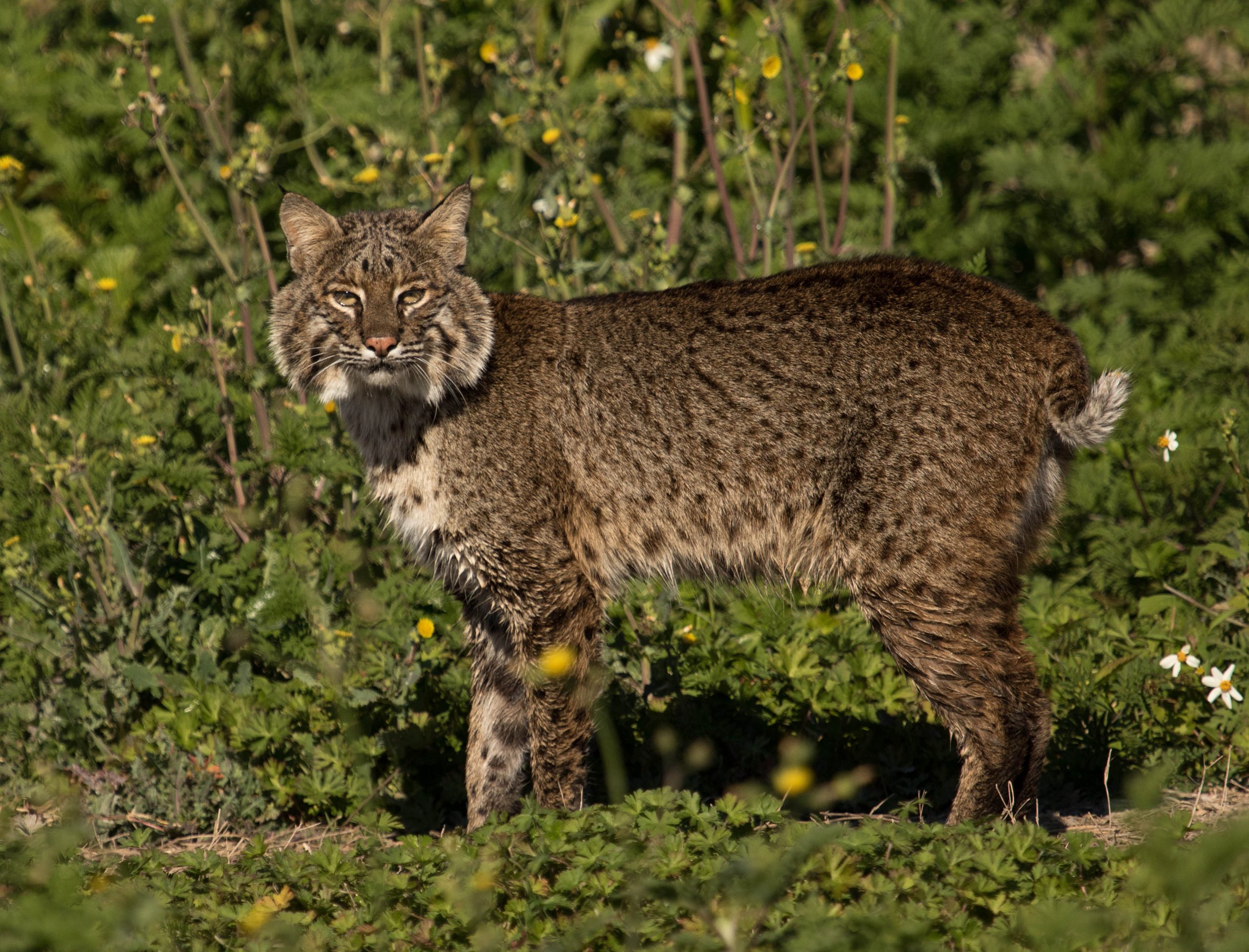
Living Alongside Florida’s Wild Neighbors
Coexisting with bobcats is an enriching aspect of experiencing Florida’s unique natural environment. Their presence is a sign of a healthy ecosystem, and understanding how to minimize potential conflicts is beneficial for both humans and wildlife.
Here are some tips for living respectfully alongside bobcats:
- Secure attractants: Store garbage in tightly sealed, animal-proof containers. Keep barbecue grills clean.
- Clear brush: Trim dense vegetation around your yard to reduce hiding places for bobcats and their prey.
- Install motion-activated lights: These can deter bobcats and other nocturnal wildlife from approaching your home.
- Educate yourself and others: Learning about bobcat behavior and their role in the ecosystem helps foster appreciation rather than fear.
- Report unusual behavior: If you observe a bobcat that appears sick, injured, or is acting aggressively or unusually bold, contact the Florida Fish and Wildlife Conservation Commission (FWC) or your local animal control.
By taking these steps, we can ensure that [Florida](https://lifeoutofthebox.com]’s wild places, its natural landmarks, and its elusive bobcats continue to thrive for generations to come.
In conclusion, the answer to “Are There Bobcats In Florida?” is a resounding yes. These magnificent wild cats are not only present but are integral to the ecological fabric of the state, serving as a reminder of the vibrant wildness that lies just beyond our urbanized world. Their ability to adapt, their vital role as predators, and their silent grace make them truly remarkable natural landmarks. Encountering a bobcat in the wild is a privilege, offering a profound connection to the untamed beauty of Florida’s natural environment. By understanding, respecting, and protecting these elusive felines and their habitats, we contribute to the enduring legacy of Florida’s unique biodiversity.
LifeOutOfTheBox is a participant in the Amazon Services LLC Associates Program, an affiliate advertising program designed to provide a means for sites to earn advertising fees by advertising and linking to Amazon.com. Amazon, the Amazon logo, AmazonSupply, and the AmazonSupply logo are trademarks of Amazon.com, Inc. or its affiliates. As an Amazon Associate we earn affiliate commissions from qualifying purchases.