
For many, the quintessential image of a tropical paradise includes pristine white-sand beaches, crystal-clear turquoise waters, and the graceful silhouettes of coconut palm trees swaying gently in the breeze. When considering a vacation to the Sunshine State, a natural question arises: does Florida truly live up to this idyllic vision? The definitive answer is a resounding yes, but with nuances important for any discerning traveler to understand. Coconut trees are indeed a vibrant and integral part of Florida’s landscape, particularly in its southern regions, contributing significantly to its reputation as a premier tropical destination. This article delves into where you can find these iconic palms, their ecological significance, and how they shape the travel experience in Florida.
The Iconic Palm: A Definitive Presence in Florida
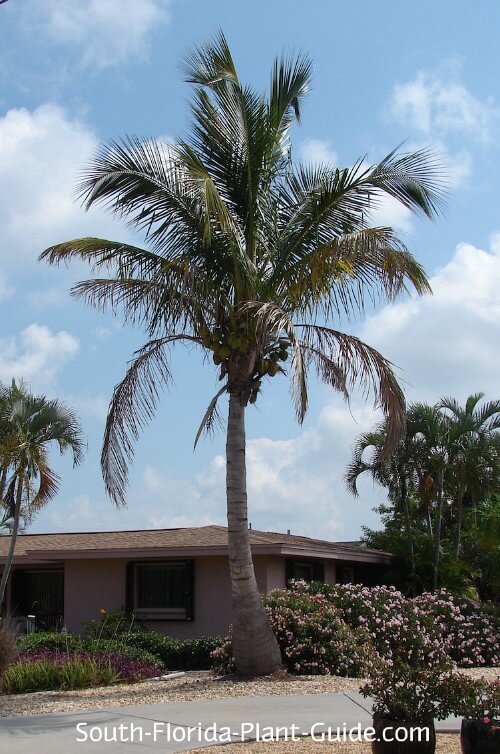
The presence of the coconut palm (Cocos nucifera) in Florida is not just a pleasant aesthetic; it’s a defining characteristic of the state’s most sought-after tropical locales. These magnificent trees are more than just a backdrop; they are living symbols of the warm, sun-drenched climate that draws millions of visitors annually. Their existence in Florida is a testament to the state’s unique geographical position, bordering both the Gulf Coast and the Atlantic Coast, and its proximity to the Caribbean.
Understanding Florida’s Climate and Coconut Viability
Coconut palms are inherently tropical plants, thriving in areas free from frost and with consistent warmth, high humidity, and ample rainfall. They are particularly sensitive to cold temperatures, with prolonged exposure to temperatures below 40°F (4°C) causing damage and temperatures below 32°F (0°C) often proving fatal. This climatic requirement dictates their distribution across Florida. The state is broadly categorized into USDA Plant Hardiness Zones, and coconut palms predominantly flourish in Zone 10 and 11, which encompass the southernmost portions of the peninsula.
The presence of the Florida Current, a warm ocean current flowing northward along the Atlantic Coast, plays a crucial role in moderating coastal temperatures, particularly in winter. This oceanographic influence helps create microclimates that are more conducive to tropical flora, including coconut trees. Inland areas, even at similar latitudes, can experience colder temperatures due to the lack of this maritime influence, making them less hospitable for naturally thriving coconut groves.
The South Florida Advantage: Where Coconuts Thrive
It is in South Florida where the coconut palm truly dominates the landscape. This region boasts the ideal combination of warm temperatures, high humidity, and the occasional tropical rain shower that these trees require. From Miami Beach’s iconic shores to the tranquil islands of the Florida Keys, coconut palms are not merely present; they define the very character of these destinations.
These areas rarely experience the sustained cold temperatures that would inhibit coconut growth. While occasional cold snaps can occur, especially during strong El Niño years, the resilience of the species and the generally warm climate allow them to recover and thrive. This climatic stability ensures that the coconut tree remains a perpetual fixture, contributing to the year-round tropical ambiance that travelers seek.
Beyond the Beaches: Where to Find Coconut Palms
While the image of a coconut tree naturally conjures up visions of sun-drenched beaches, these versatile palms can be found in a variety of settings across South Florida. Knowing where to look enhances the travel experience, allowing visitors to appreciate the full spectrum of their contribution to the local environment and culture.
Coastal Gems: Miami, Fort Lauderdale, and the Florida Keys
The most prominent and picture-perfect locations for coconut palms are undoubtedly Florida’s coastal cities and island chains.
- Miami and Miami Beach: Here, coconut palms line Ocean Drive, adorn luxury resorts, and frame the vibrant beaches, embodying the city’s sophisticated tropical allure. They are a staple of the Art Deco District’s charm and provide much-needed shade along bustling promenades.
- Fort Lauderdale: Often referred to as the “Venice of America” due to its extensive canal system, Fort Lauderdale also boasts an impressive array of coconut palms, especially along its waterfront properties and pristine beaches.
- The Florida Keys: From Key Largo down to Key West, the Florida Keys are arguably the most iconic natural habitat for coconut palms in the continental U.S. They flourish naturally along the shorelines, providing a classic, untouched tropical aesthetic that defines this unique archipelago.
- Naples and Sarasota: On the Gulf Coast, cities like Naples and Sarasota also showcase an abundance of coconut palms, particularly near their celebrated beaches and high-end residential areas. While the climate can be marginally cooler than the extreme southeast, these areas still fall within the optimal zones for coconut growth.
Inland Surprises: Cultivated Beauty
While less ubiquitous inland, coconut palms are still found in well-landscaped areas and private gardens in South Florida. Property owners and developers often select coconut palms for their aesthetic appeal, planting them in commercial developments, parks, and residential communities where conditions permit. With proper care, including frost protection during rare cold snaps, these cultivated palms can thrive even a short distance from the immediate coast. This demonstrates a conscious effort to extend the tropical aesthetic beyond just the immediate beachfront, permeating the urban and suburban fabric of the region.
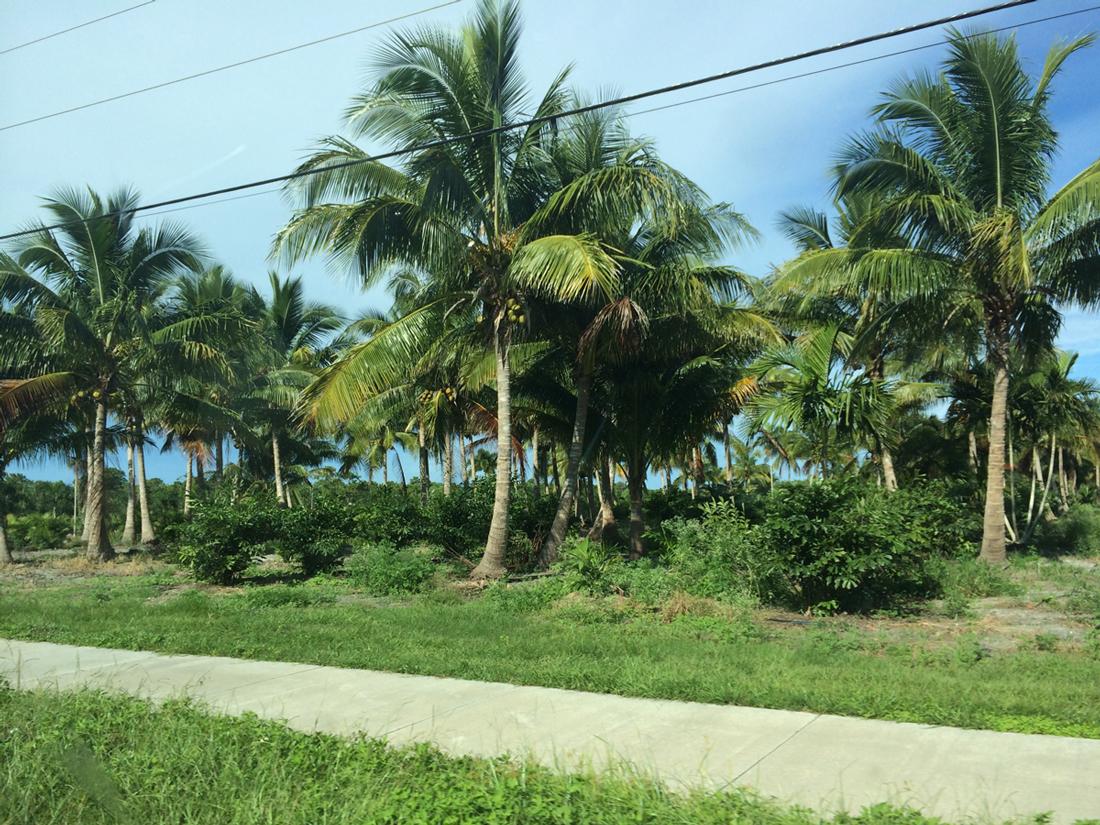
However, it’s important for travelers heading further north, towards cities like Orlando, Tampa, or Jacksonville, to adjust their expectations. While various other beautiful palm species are abundant in central and northern Florida, true coconut palms are a rare sight and almost exclusively cultivated, not naturally occurring, due to the colder winter temperatures.
The Role of Coconut Trees in Florida’s Travel Experience
For travelers, the presence of coconut trees in Florida is much more than a botanical fact; it’s a fundamental element that shapes the entire vacation experience. They contribute to the very essence of what makes Florida a desirable destination, fostering specific emotions and expectations.
Aesthetic Appeal and Ambiance
Coconut palms are visual anchors of the tropical aesthetic. Their tall, slender trunks and expansive fronds create an iconic silhouette against the clear Florida sky, instantly signaling a departure from the mundane. They provide natural shade, a welcome respite from the intense sun, and their gentle rustling leaves add a calming, almost meditative soundtrack to beach relaxation.
For tourists, these trees evoke feelings of escapism, luxury, and serenity. They are a popular subject for photography, instantly communicating “vacation mode.” Resorts and hotels strategically incorporate them into their landscaping to enhance curb appeal and provide an authentic tropical atmosphere, often becoming selling points in their own right. From a travel perspective, these trees are natural mood-setters, transforming a simple beach into a vibrant, postcard-worthy destination.
Practical Considerations and Enjoyment
Beyond their beauty, coconut trees offer tangible benefits that enhance the travel experience.
- Fresh Coconuts: In some areas, particularly the Florida Keys or smaller, local vendors, you might find opportunities to enjoy fresh coconut water directly from the fruit. This refreshing, natural beverage is a quintessential tropical treat and a unique experience for many visitors.
- Shade and Comfort: On sunny Florida days, the broad fronds of a mature coconut palm offer generous shade, making beach outings more comfortable and enjoyable. Many public beaches and resort areas are designed to maximize this natural canopy.
- Cultural Significance: While not native to Florida in the same way they are to indigenous Caribbean islands or the Bahamas, coconut palms have become deeply ingrained in South Florida’s adopted culture, symbolizing the region’s strong ties to tropical living and its appeal as a vibrant, sun-soaked escape. They reinforce the narrative of Florida as America’s tropical frontier.
Differentiating Coconut Palms from Other Florida Palms
Florida is often called the “Palm Tree State,” and for good reason—it’s home to a remarkable diversity of palm species, both native and introduced. While all contribute to the state’s lush landscape, not all palms are coconut palms. For travelers eager to identify the true tropical icon, understanding the key differences is insightful.
Key Identifiers: Trunk, Fronds, and Fruit
The easiest way to distinguish a true coconut palm is by observing three primary characteristics:
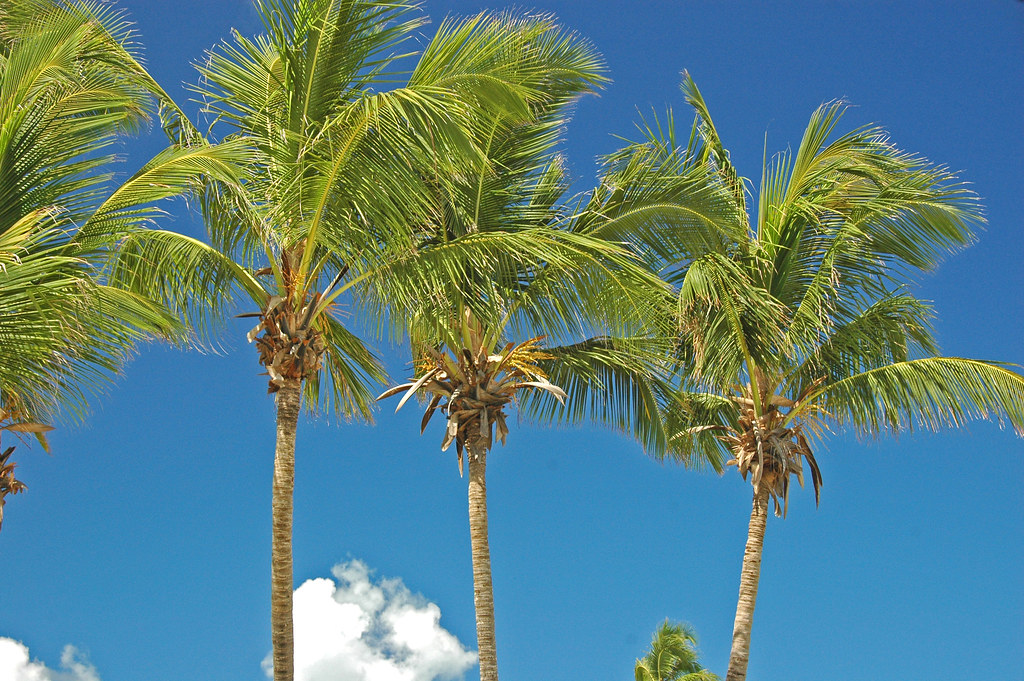
- The Trunk: Coconut palm trunks are typically slender, gently curved, and often have distinctive rings or scars from where old fronds have fallen off. They do not usually swell at the base like some other palm varieties.
- The Fronds (Leaves): Coconut fronds are pinnate (feather-like) and can grow quite long, often 10-20 feet. They have a characteristic arching appearance. The individual leaflets are narrow and long.
- The Fruit: This is the most definitive identifier. Only coconut palms produce the large, round to oblong, green or yellow fruit that ripens into the familiar brown, fibrous coconut. These fruits typically hang in clusters beneath the fronds. No other palm in Florida produces a fruit resembling a coconut.
Common Florida Palms Often Confused with Coconuts
Many other palm species thrive in Florida, and while beautiful, they are not coconuts.
- Sabal Palm (Cabbage Palm): Florida’s state tree, the Sabal Palm, is very common throughout the state. It has a robust trunk and fan-shaped (costapalmate) leaves, not feather-like. Its fruit is small and black.
- Royal Palm: These majestic palms are known for their incredibly tall, smooth, gray trunks and dense crowns of feather-like fronds. While visually striking and often planted for their grand appearance, their trunks are smoother and more columnar, and their fruit is small and dark, not a coconut. They are common in South Florida.
- Date Palm (Phoenix dactylifera and related species): These palms also have feather-like fronds and produce edible fruit (dates), but the fruit is much smaller than a coconut, and the overall tree structure differs. Many ornamental date palms are found across Florida.
By recognizing these distinctions, travelers can fully appreciate the true coconut palm, cementing their understanding of Florida’s diverse botanical landscape and the specific characteristics that make its southern reaches a genuine tropical haven.
In conclusion, yes, coconut trees are not only present in Florida but are a cherished and defining feature of its most popular tropical destinations. From the vibrant streets of Miami to the serene shores of the Florida Keys, these iconic palms fulfill every expectation of a picturesque, warm-weather escape. Their presence is a testament to Florida’s unique climate and its enduring appeal as a top-tier travel destination offering a genuine taste of the tropics.
LifeOutOfTheBox is a participant in the Amazon Services LLC Associates Program, an affiliate advertising program designed to provide a means for sites to earn advertising fees by advertising and linking to Amazon.com. Amazon, the Amazon logo, AmazonSupply, and the AmazonSupply logo are trademarks of Amazon.com, Inc. or its affiliates. As an Amazon Associate we earn affiliate commissions from qualifying purchases.