
For any traveler embarking on an adventure to the Sunshine State, a common and crucial question often arises: “Can you drink the tap water in Florida?” The simple answer, for the vast majority of cases, is yes. Florida’s public water systems are subject to stringent federal and state regulations, designed to ensure the safety and potability of its tap water. However, like any large and diverse state, the specifics can vary, and understanding these nuances can enhance a traveler’s peace of mind and overall experience.
Florida, known for its stunning beaches, vibrant cities like Miami and Orlando, and abundant natural beauty, welcomes millions of visitors annually. Ensuring access to safe drinking water is a top priority, not just for residents but also for the robust tourism industry that underpins much of the state’s economy. While the water is generally safe, factors such as localized boil water notices, individual taste preferences, and the age of infrastructure in certain areas can lead to questions. This comprehensive guide will delve into the regulatory framework, address common concerns, and provide practical tips for travelers navigating hydration in Florida.
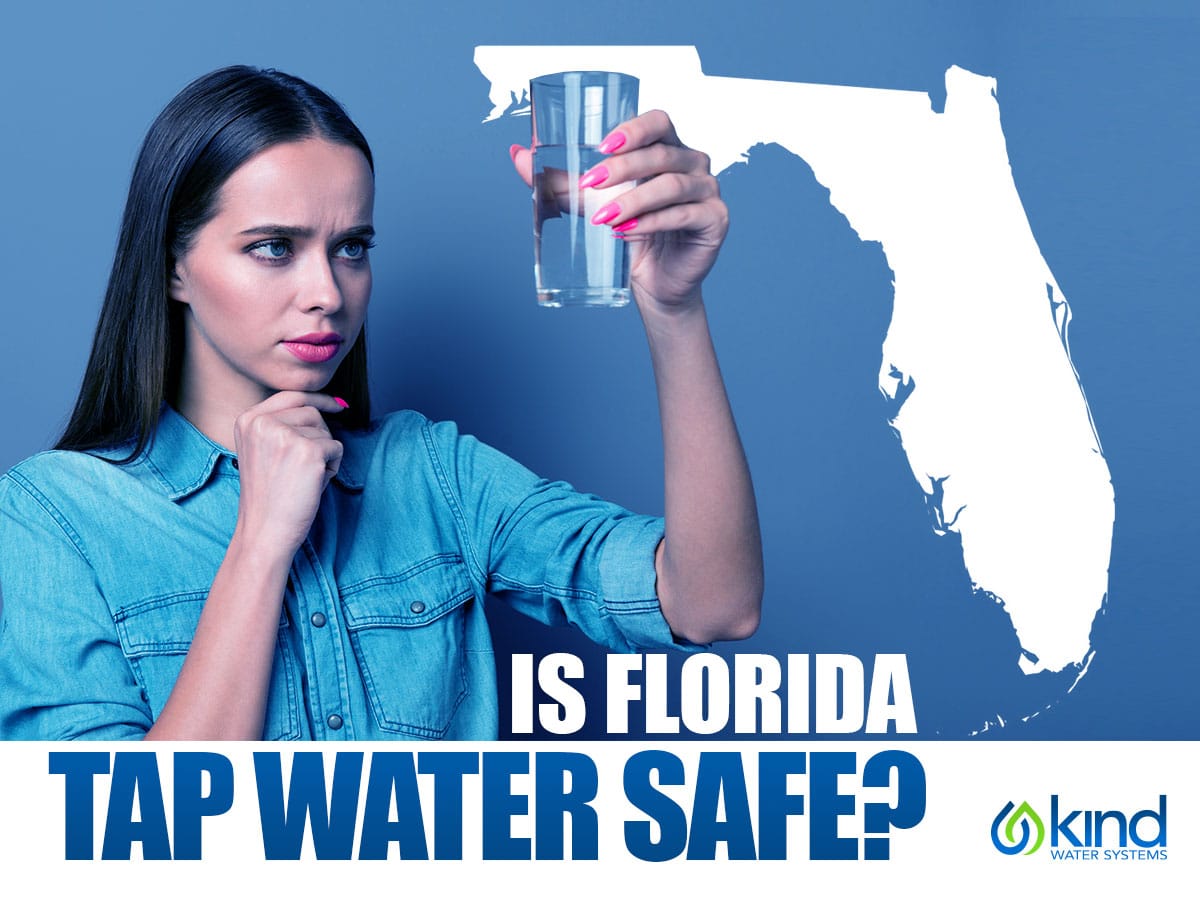
The Regulatory Framework for Florida’s Tap Water
The safety of Florida’s drinking water is not left to chance; it’s a meticulously regulated process involving multiple layers of oversight, from federal mandates to local utility responsibilities. This robust system is designed to protect public health by setting and enforcing standards for water quality.
Federal Oversight: The Safe Drinking Water Act (SDWA)
At the pinnacle of water regulation in the United States is the Safe Drinking Water Act (SDWA), a federal law passed in 1974. Administered by the Environmental Protection Agency (EPA), the SDWA sets national standards for drinking water to protect against both naturally occurring and man-made contaminants. These standards, known as Maximum Contaminant Levels (MCLs), dictate the highest level of a contaminant that is allowed in drinking water. The EPA requires public water systems to monitor their water for hundreds of contaminants, perform regular tests, and treat water to meet these stringent MCLs. The SDWA also mandates public notification when water systems fail to meet these standards, ensuring transparency and accountability.
State and Local Compliance: Florida’s DEP and Local Utilities
While the EPA sets the federal baseline, individual states are responsible for implementing and enforcing the SDWA within their borders. In Florida, this crucial role falls to the Florida Department of Environmental Protection (FDEP). The Florida DEP develops and enforces state-specific rules and regulations that often parallel or even exceed federal requirements, tailored to Florida’s unique geological and environmental conditions.
Local water utilities, whether municipal or privately owned, are at the forefront of delivering safe drinking water to homes and businesses. They are responsible for the daily operation and maintenance of water treatment plants and distribution systems. This includes sourcing raw water (from groundwater aquifers, rivers, or lakes), treating it through various processes (like filtration, disinfection with chlorine or chloramine), and delivering it to consumers. These utilities are also tasked with conducting the regular water quality testing mandated by the Florida DEP and the EPA, ensuring that the water flowing from taps meets all safety standards before it reaches the public.
Understanding Water Quality Reports
For the curious traveler or resident, understanding the quality of local tap water is made accessible through Consumer Confidence Reports (CCRs), also known as Annual Water Quality Reports. These reports are generated annually by every public water system and provide a detailed overview of the water’s source, the contaminants detected, and how these levels compare to EPA and state standards. They also include information on potential health effects of contaminants that exceeded standards, if any. While these reports are primarily distributed to residents, they are often available online through the local utility’s website, providing valuable insight into the specific water quality of cities like Tampa, Jacksonville, or Key West. Accessing these reports can be a great way for travelers to verify water quality for their specific destination within Florida.
Factors Affecting Tap Water Quality Across Florida
While Florida’s tap water is generally safe, several factors can influence its perceived quality, taste, and in rare cases, its immediate potability. These variations are often linked to geography, infrastructure, and natural occurrences unique to the state.
Geographic Variations: From Urban Centers to Rural Areas
Florida is a vast state, and its water sources and treatment methods can differ significantly from one region to another. Urban centers, with their large populations and sophisticated municipal water systems, often draw water from diverse sources, including deep aquifers and surface water bodies. These systems typically employ advanced treatment technologies and benefit from consistent investment in infrastructure. As a result, tap water in major cities like Orlando or Miami is generally of high quality and consistently monitored.
In more rural or sparsely populated areas, water might come from smaller, localized public water systems or even private wells. While smaller public systems are still regulated by the Florida DEP, they might have different water sources, treatment processes, or infrastructure conditions that could influence taste or hardness. Private wells, which are common in some rural parts of Florida, are not regulated by the SDWA and their water quality is the responsibility of the well owner. Travelers staying in such accommodations might consider inquiring about well water testing or bringing their own filtered water.
Infrastructure Age and Maintenance
The age and condition of water distribution infrastructure play a critical role in the final quality of tap water. While water leaves a treatment plant meeting all standards, it must travel through miles of pipes to reach the consumer. Older pipes, particularly those made of lead (though rare in Florida and actively being replaced where found) or aging galvanized steel, can sometimes leach contaminants or accumulate sediment, affecting water taste or appearance.
Many Florida municipalities are proactive in updating their water infrastructure, but it’s an ongoing challenge. Disruptions from maintenance, pipe bursts, or construction can temporarily impact water quality, sometimes leading to localized boil water notices. Travelers should be aware that even in areas with excellent water treatment, issues within the localized distribution network can occasionally arise.
Natural Occurrences: Hard Water and Taste
One of the most common characteristics of Florida’s tap water, particularly in areas drawing from limestone aquifers, is its hardness. Hard water contains elevated levels of dissolved minerals, primarily calcium and magnesium. While harmless and even beneficial to health, hard water can have a distinct taste and texture that some people find unappealing. It can also cause mineral buildup on fixtures and appliances.
Beyond hardness, the overall taste and odor of tap water can be influenced by the source water and the disinfection methods used. Water sourced from certain rivers or lakes might have a more earthy taste compared to groundwater. Additionally, chlorine or chloramine, used as disinfectants, can impart a noticeable odor or taste that some individuals are sensitive to, even when the water is perfectly safe to drink. These factors are generally cosmetic and do not indicate a safety issue, but they can certainly affect a traveler’s preference for tap water.
Seasonal Considerations and Tourism Impact
Florida’s climate, with its warm temperatures and distinct wet and dry seasons, can also have an indirect impact on water systems. During periods of heavy rainfall, runoff can increase turbidity in surface water sources, requiring more intensive treatment. Conversely, during dry spells, reliance on groundwater sources might increase.

The sheer volume of tourism can also place demands on water systems, particularly in popular destinations. While utilities are designed to handle peak demand, maintaining consistent pressure and quality across extensive networks, especially during events or holidays, is a continuous effort. However, these systems are robust and designed to maintain quality even under increased strain.
Common Concerns and How to Address Them
Despite the overall safety of Florida’s tap water, travelers may encounter specific situations or have preferences that warrant closer attention. Understanding these common concerns and knowing how to address them can enhance your Florida experience.
Taste and Odor: A Matter of Preference
As mentioned, tap water in Florida can sometimes have a noticeable taste or odor, often due to chlorine, chloramine, or dissolved minerals. While these do not indicate unsafe water, they can be unappealing.
- Solution: For a quick fix, fill a pitcher with tap water and let it sit uncovered in the refrigerator for a few hours. This allows chlorine to dissipate, often improving the taste. Using a simple activated carbon filter pitcher or a faucet-mounted filter can also significantly reduce chlorine and other impurities that affect taste and odor. Many hotels and vacation rentals also provide filtered water pitchers.
Hard Water: Its Effects and Solutions for Travelers
Hard water, while safe, can leave mineral residue on dishes, cause soap to lather less effectively, and feel different on skin and hair.
- Solution: For travelers, the effects are mostly aesthetic or related to personal comfort. If you’re staying long-term, you might notice residue. For short trips, it’s generally not an issue, but if you’re sensitive, a filtered water bottle can improve the taste for drinking.
Boil Water Notices: Understanding and Responding
Boil water notices are rare but important temporary advisories issued by water utilities. They typically occur after events like a main water line break, power outages, or other incidents that could compromise water pressure or allow contaminants to enter the system. A boil water notice means that tap water should be boiled vigorously for at least one minute before consumption (drinking, cooking, brushing teeth, making ice, etc.).
- Solution: Always heed boil water notices immediately. Information about notices is usually disseminated through local news, utility websites, and social media. If you are staying in a hotel or resort, they will typically inform guests and provide bottled water. As a traveler, it’s wise to carry some bottled water or a reliable water filter capable of removing bacteria and viruses in such situations.
Private Wells vs. Public Water Systems
While most travelers will rely on public water systems, some accommodations in rural areas might use private wells. Unlike public systems, private wells are not subject to routine testing and regulation by the Florida DEP or EPA.
- Solution: If your accommodation relies on a private well, it’s prudent to inquire about the most recent water quality test results. Reputable hosts will have this information readily available. If there’s any doubt, or if no recent tests have been conducted, it’s safer to opt for bottled water or use a portable water filter designed for well water.
Practical Tips for Travelers in Florida
Staying hydrated is crucial in Florida’s warm climate, and travelers have several options to ensure they’re consuming safe and enjoyable water throughout their trip.
When to Trust, When to Question
Generally, you can trust the tap water in Florida’s public water systems, especially in developed areas. Major cities, theme parks, hotels, and restaurants all draw from regulated public supplies. However, it’s always wise to:
- Check for local advisories: A quick online search for “boil water notice [city name] Florida” can provide current information.
- Ask locals: If you’re in a less conventional area, a quick chat with a local can provide insight into the local water taste or any specific concerns.
- Observe: Notice any unusual color, cloudiness, or strong odors. While rare, these could indicate a localized issue.
Hydration Strategies: Reusable Bottles and Filters
Being prepared can save money and reduce plastic waste.
- Reusable Water Bottle: Carry a reusable water bottle. You can easily refill it from taps in hotels, restaurants (ask politely!), or public water fountains, saving you from constantly buying bottled water.
- Portable Water Filter: For travelers sensitive to taste or wanting an extra layer of protection, a portable water filter bottle (e.g., Brita, Lifestraw, Sawyer) is an excellent investment. These can improve taste by filtering out chlorine and sediment, and some advanced filters can even remove bacteria and protozoa, offering peace of mind in varied situations.
Alternative Water Sources: Bottled Water and Filtration Systems
If you prefer not to drink tap water or are in an area with a boil water notice, there are readily available alternatives:
- Bottled Water: Widely available in grocery stores, convenience stores, and vending machines across Florida. This is a convenient and guaranteed safe option, though it generates plastic waste.
- Hotel Provided Water: Many hotels provide complimentary bottled water in rooms or filtered water stations in lobbies.
- Pitcher Filters: For longer stays in vacation rentals, a simple pitcher filter (like Brita or Pur) can be purchased to keep in the refrigerator, providing cold, filtered water for drinking and cooking.
Staying Informed: Local Resources and Apps
- Utility Websites: For specific water quality information, search for the website of the public water utility serving your specific Florida destination. They often have FAQs, contact information, and annual water quality reports.
- Local News: Keep an eye on local news channels or websites, especially during or after severe weather events, as they will often report on any public health advisories, including boil water notices.
- Apps: Some apps provide crowdsourced information or links to public health data on water quality, which can be useful, though official utility reports remain the most reliable source.
In conclusion, travelers to Florida can generally drink the tap water with confidence. The state’s rigorous regulatory framework, overseen by the EPA and Florida DEP, ensures high safety standards. While regional variations in taste and hardness are common, and temporary issues like boil water notices can occur, being informed and prepared with simple tools like a reusable filter bottle can ensure a safe and enjoyable hydration experience throughout your Florida journey. Stay hydrated, stay safe, and enjoy all that the Sunshine State has to offer!
LifeOutOfTheBox is a participant in the Amazon Services LLC Associates Program, an affiliate advertising program designed to provide a means for sites to earn advertising fees by advertising and linking to Amazon.com. Amazon, the Amazon logo, AmazonSupply, and the AmazonSupply logo are trademarks of Amazon.com, Inc. or its affiliates. As an Amazon Associate we earn affiliate commissions from qualifying purchases.