
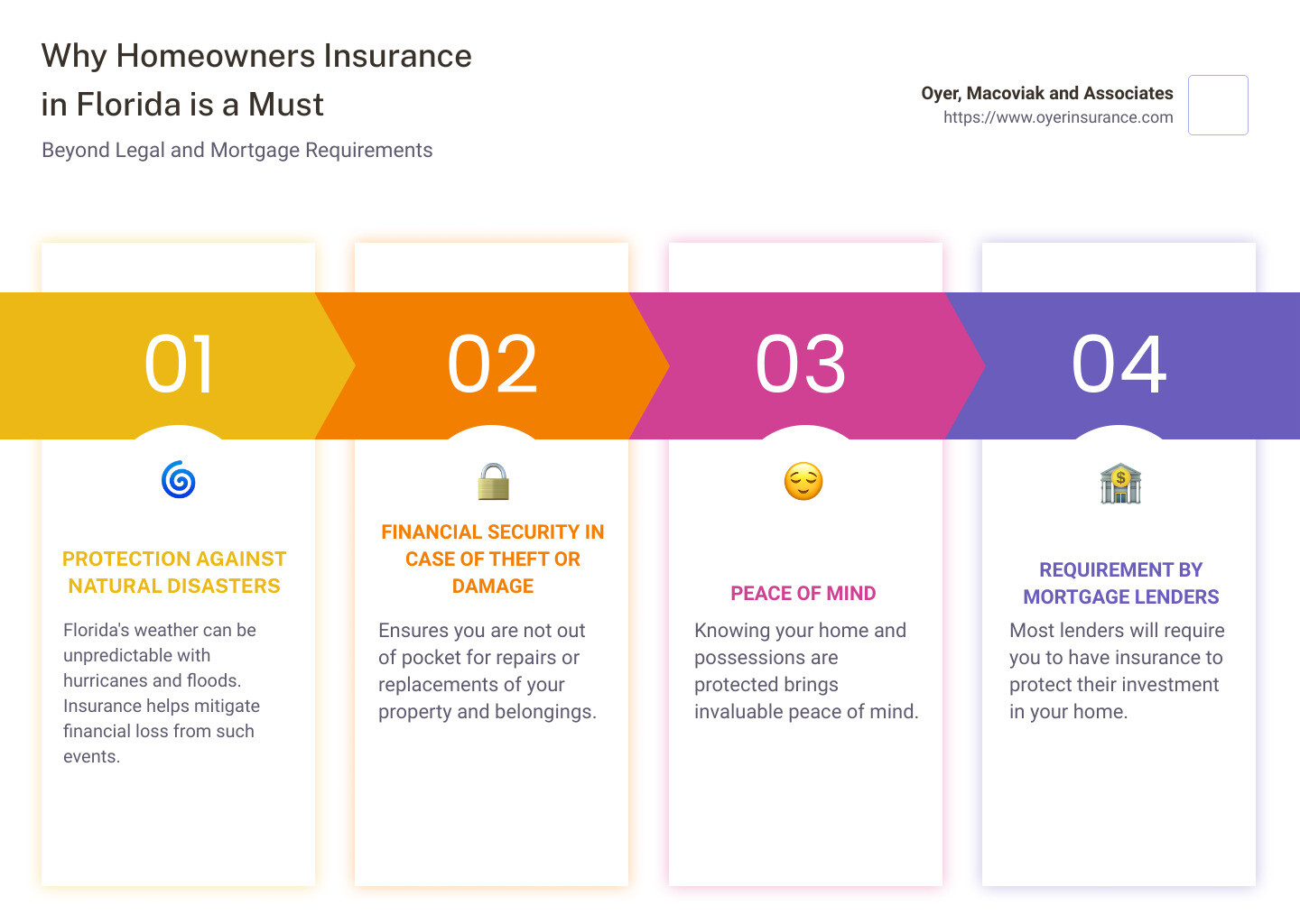
Florida, often dubbed the Sunshine State, beckons millions with its pristine beaches, vibrant culture, and promise of a relaxed lifestyle. For many, the dream extends beyond a vacation; it’s about making Florida their permanent home, a place for long-term accommodation and stability. However, the path to homeownership in this idyllic state comes with a significant and often challenging hurdle: securing homeowners insurance. While the dream of owning a slice of Florida paradise is certainly attainable, understanding the unique insurance landscape is paramount for any prospective or current homeowner. The answer to whether you can get homeowners insurance in Florida is unequivocally yes, but it’s a qualified yes, laden with complexities, higher costs, and a market distinctly shaped by its geography and legal environment.
The ability to secure comprehensive coverage for your long-term accommodation in Florida is not just a regulatory requirement for mortgage holders; it’s a critical component of financial security and peace of mind. Without adequate insurance, the substantial investment in a Florida home remains vulnerable to the state’s inherent risks, particularly those related to its subtropical climate. Navigating this market requires diligence, an understanding of specific coverages, and an awareness of the factors driving policy availability and premiums. This deep dive aims to demystify the process, offering insights crucial for anyone considering making Florida their long-term residence.
The Unique Landscape of Florida’s Insurance Market
The Florida insurance market is unlike almost any other in the United States, primarily due to its geographic vulnerability and specific legal framework. These factors combine to create an environment where insurers operate with caution, often leading to higher premiums and more stringent underwriting requirements for securing accommodation.
Hurricane Risk and Coastal Living
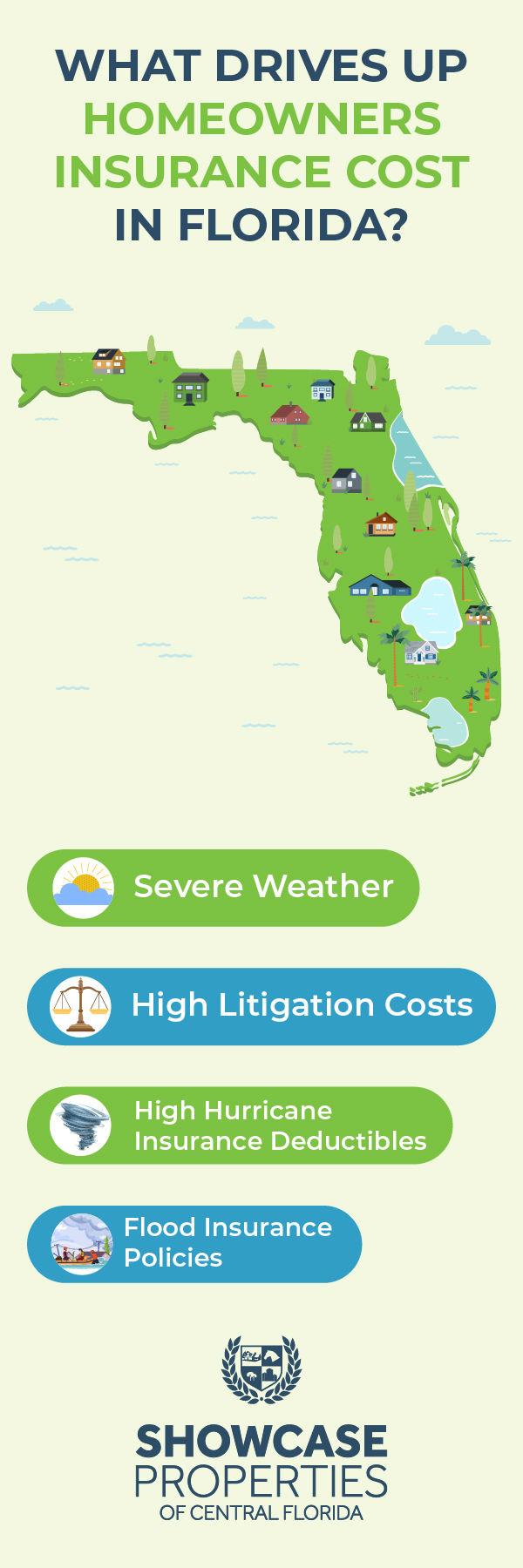
Perhaps the most defining characteristic of Florida’s insurance market is its exposure to hurricanes and tropical storms. The state’s extensive coastline, particularly regions like Miami, Fort Lauderdale, Tampa, and Orlando, is a frequent target for severe weather events. These events cause billions of dollars in damage annually, from wind destruction to storm surge and flooding. Consequently, insurers must price policies to account for these substantial risks. This translates into higher premiums for homeowners, especially those in coastal areas or older homes more susceptible to damage. Many policies in Florida separate windstorm coverage, sometimes requiring a separate policy or featuring high deductibles specifically for hurricane damage, which is a significant consideration when assessing the true cost of long-term accommodation. The frequent occurrence of major storms also contributes to insurers limiting their exposure in the state, making it harder to find policies.
Litigation and Fraud
Beyond natural disasters, Florida’s insurance market has been heavily impacted by a high volume of litigation and fraudulent claims. Historically, the state’s legal environment, particularly related to “Assignment of Benefits” (AOB) clauses, allowed contractors to take over a homeowner’s insurance claim, often leading to inflated repair costs and lawsuits against insurers. While legislative reforms have been enacted to curb some of these abuses, the lingering effects have driven up costs for insurers, resulting in many exiting the market or significantly increasing rates. This complex interplay of legal challenges and claims fraud creates an additional layer of risk for insurers, directly affecting the availability and affordability of homeowners insurance for long-term accommodation across the state, from Jacksonville to the Florida Keys.
Reinsurance Market Dynamics
Another critical, albeit less visible, factor is the global reinsurance market. Reinsurance is essentially insurance for insurance companies, allowing them to transfer some of their risk. Given Florida’s high catastrophe risk, the cost of reinsurance for Florida-based insurers is among the highest in the world. When a major hurricane season occurs, reinsurance rates can skyrocket, and these increased costs are invariably passed down to policyholders in the form of higher premiums. This global dynamic directly influences the local cost of securing and maintaining accommodation in Florida, making it an ever-evolving challenge for both insurers and homeowners.
Navigating the Challenges: Strategies for Homeowners
While the Florida insurance market presents unique hurdles, potential and current homeowners are not without options. Strategic planning and proactive measures can significantly impact the availability and cost of homeowners insurance for your long-term accommodation.
Understanding Your Coverage Needs
Before approaching insurers, it’s crucial to understand the specific risks associated with your chosen property in Florida. A standard homeowners policy (HO-3) typically covers the dwelling, personal property, liability, and additional living expenses. However, in Florida, you’ll need to pay close attention to windstorm coverage and flood insurance. Many standard policies exclude flood damage, which must be purchased separately, often through the National Flood Insurance Program (NFIP). If your property is in a flood zone, this additional cost is non-negotiable for securing and protecting your accommodation. Furthermore, understanding hurricane deductibles (often a percentage of your home’s insured value, rather than a flat dollar amount) is vital, as this significantly impacts your out-of-pocket expenses after a storm.
Strengthening Your Property Against Risks
Investing in home hardening measures can not only protect your accommodation but also potentially reduce your insurance premiums. Insurers often offer discounts for properties that have undergone wind mitigation inspections and demonstrated resilience against hurricane-force winds. Common mitigation improvements include:
- Hurricane Shutters or Impact-Resistant Windows: Protecting openings is crucial.
- Roof Reinforcement: Ensuring the roof-to-wall connection is strong and that the roof shape is wind-resistant (e.g., hip roofs).
- Gable End Bracing: Strengthening vulnerable sections of the roof.
- Secondary Water Resistance: A sealed roof deck can prevent water intrusion even if shingles are lost.
Even older homes can benefit significantly from these upgrades, making them more attractive to insurers and potentially lowering the overall cost of ownership in Florida.
Exploring All Provider Options
Don’t settle for the first quote. The Florida market has seen many private insurers scale back or leave, but there are still various options.
- Standard Private Carriers: Many national and regional insurers still operate in Florida, though their rates and underwriting criteria might be strict.
- Smaller, Local Insurers: Sometimes smaller, Florida-based carriers might offer competitive rates or more flexible policies, having a deeper understanding of local risks.
- Insurance Brokers: Working with an independent insurance broker is highly recommended. They have access to multiple carriers and can shop around on your behalf, comparing quotes and identifying the best coverage for your long-term accommodation needs.
The Role of Citizens Property Insurance Corporation
When private market options are limited or prohibitively expensive, Citizens Property Insurance Corporation often steps in. Citizens is a state-backed insurer, established by the Florida Legislature to provide property insurance to those who cannot obtain it in the private market.
Insurer of Last Resort
Citizens Property Insurance Corporation serves as Florida’s “insurer of last resort.” Its mission is to ensure that virtually all homeowners in Florida have access to essential property insurance, regardless of their location or prior claims history, making long-term accommodation viable even in high-risk areas. While it fulfills a critical role, policies with Citizens often come with specific limitations. Premiums are generally capped, preventing them from rising as sharply as private market rates, but this also means they might not always be sufficient to cover potential losses in a catastrophic event without state assessments on all Florida insurance policyholders.
The Depopulation Efforts
The state of Florida consistently aims to “depopulate” Citizens Property Insurance Corporation by encouraging policyholders to transition back to the private market. This effort is driven by the desire to reduce the state’s financial exposure to hurricane risk and to promote a healthier private insurance market for all types of accommodation. While Citizens offers a lifeline, its growth places a significant burden on the state’s financial stability. Homeowners insured by Citizens may periodically receive offers from private carriers to take over their policies. While these private options might initially be more expensive, they often come with broader coverage and fewer limitations, representing a move towards more sustainable long-term accommodation protection.
Legislative Efforts and Future Outlook for Accommodation Owners
The challenges in Florida’s insurance market are well-recognized by state lawmakers, who have consistently sought to implement reforms to stabilize the market and ensure the availability of affordable insurance for homeowners.
Recent Reforms
In recent years, the Florida Legislature has passed several significant bills aimed at addressing the root causes of the state’s insurance crisis. These reforms have focused on reducing frivolous litigation, cracking down on fraudulent claims, and making it harder for contractors to abuse the Assignment of Benefits process. Additionally, measures have been introduced to provide financial incentives for homeowners to make their properties more resilient to storms and to streamline the claims process. While the full impact of these reforms is still unfolding, the goal is to create a more predictable and less litigious environment for insurers, which should, in turn, lead to greater stability and potentially lower costs for homeowners seeking long-term accommodation.
What Homebuyers and Current Owners Can Expect
For those planning a long-term stay or currently residing in Florida, the outlook, while challenging, is not without hope. The market is dynamic, and ongoing legislative efforts indicate a strong commitment to finding long-term solutions. Homebuyers should factor insurance costs into their budget from the outset, understanding that these costs can be substantial, especially in desirable coastal areas like Sarasota or Naples. Current homeowners should remain proactive: regularly review their policies, explore all market options, and consider making property improvements that enhance resilience. The journey to securing homeowners insurance in Florida is an integral part of the homeownership experience, demanding vigilance and adaptability.
In conclusion, yes, you can absolutely get homeowners insurance in Florida, making the dream of long-term accommodation in the Sunshine State a reality. However, it requires a thorough understanding of the market’s unique complexities, a diligent approach to finding the right coverage, and an awareness of the ongoing efforts to stabilize this critical sector. By preparing adequately and staying informed, homeowners can confidently protect their most significant investment in Florida.
LifeOutOfTheBox is a participant in the Amazon Services LLC Associates Program, an affiliate advertising program designed to provide a means for sites to earn advertising fees by advertising and linking to Amazon.com. Amazon, the Amazon logo, AmazonSupply, and the AmazonSupply logo are trademarks of Amazon.com, Inc. or its affiliates. As an Amazon Associate we earn affiliate commissions from qualifying purchases.