
The notion of sharing one’s home with an exotic animal often sparks a blend of curiosity and fascination, especially when considering creatures as unique as the capybara. These gentle giants of the rodent world, native to South America, have captured the hearts of many with their docile nature, semi-aquatic lifestyle, and surprisingly social demeanor. For residents of Florida, a state renowned for its diverse ecosystems and sometimes liberal approach to pet ownership, the question “Can you own a capybara?” isn’t merely academic; it delves into the realm of lifestyle choices, legal responsibilities, and ethical considerations. Navigating the legal landscape and understanding the profound commitment required to care for such an animal is crucial for anyone contemplating this extraordinary lifestyle decision in the Sunshine State.

The Allure of the Capybara as a Pet
The appeal of exotic pets, from servals to sugar gliders, often stems from their uniqueness and the perceived adventure of coexisting with something wild. Capybaras, in particular, hold a special charm, appearing as a cross between a giant guinea pig and a friendly otter. Their calm temperament and seemingly adaptable nature have led some to consider them as viable companion animals, a significant departure from traditional pets like dogs or cats.
Understanding the Capybara’s Nature
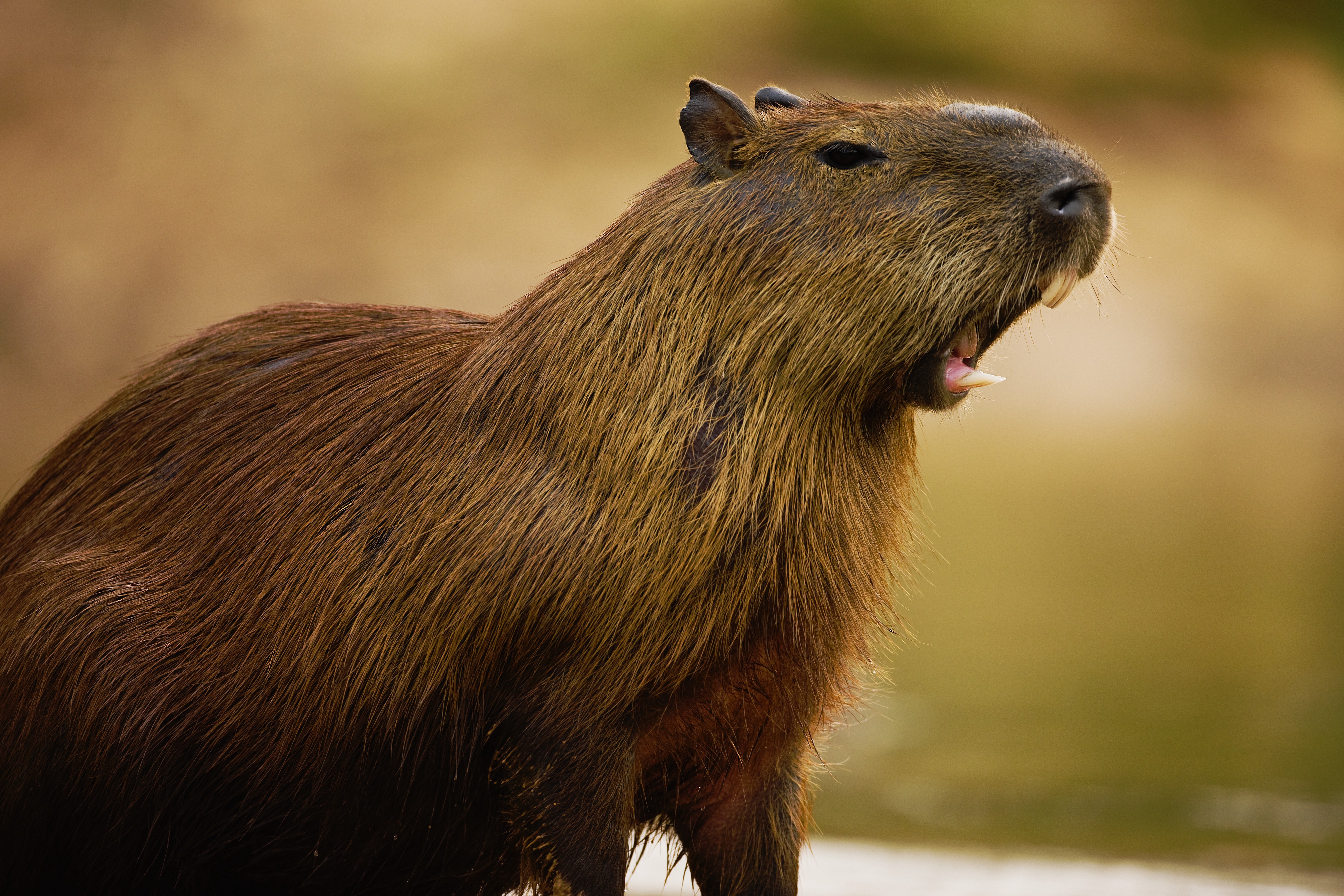
Capybaras (Hydrochoerus hydrochaeris) are the largest rodents in the world, capable of weighing over 150 pounds. They are highly social animals, typically living in groups in their natural habitats near water bodies. This inherent social need is a critical factor for prospective owners to consider. A lone capybara may suffer from loneliness and stress, requiring significant human interaction or the companionship of other capybaras. Their semi-aquatic nature also dictates specific environmental needs, including access to a clean water source large enough for swimming and soaking. These aren’t creatures content with a small backyard wading pool; they require dedicated aquatic facilities. Understanding their natural behaviors—grazing, swimming, socializing—is fundamental to providing a fulfilling life for a pet capybara and integrating them into a domestic setting.
Why the Fascination with Exotic Pets?
The desire to own an exotic pet like a capybara often reflects a longing for a unique connection, a conversation starter, or a challenge beyond the conventional. For some, it’s about appreciating biodiversity and forming a bond with a creature that embodies a piece of the wild. However, this fascination must be tempered with realism. Exotic animals are not domesticated in the same way as generations of selective breeding have shaped dogs and cats. They retain instinctual behaviors that can be unpredictable or challenging to manage in a typical home environment. The novelty of ownership must never overshadow the animal’s welfare and the extensive resources required to meet its complex needs. For a Florida resident, this lifestyle choice represents a significant commitment, impacting daily routines, financial planning, and even property modification.
Navigating Florida’s Exotic Pet Regulations
Florida has a reputation for being a relatively “wild” state, not just in its natural environment but also in its approach to exotic pet ownership compared to many other parts of the United States. However, this doesn’t mean a free-for-all. The state implements stringent regulations to protect both public safety and animal welfare, especially concerning non-native species that could pose a threat to Florida’s delicate ecosystems if released or escaped.
The Florida Fish and Wildlife Conservation Commission (FWC)
The primary authority governing exotic pet ownership in Florida is the Florida Fish and Wildlife Conservation Commission (FWC). The FWC is responsible for regulating the possession, exhibition, propagation, and sale of captive wildlife. Their regulations are designed to prevent harm to native wildlife, protect human safety, and ensure the humane treatment of exotic animals. Anyone considering owning a capybara in Florida must engage directly with the FWC to understand and comply with all applicable laws. This involves more than just a cursory glance at a website; it often requires direct communication and adherence to a detailed application process.
Classification of Exotic Animals in Florida
The FWC classifies captive wildlife into different categories based on perceived threat levels. Class I animals are inherently dangerous (e.g., lions, tigers, bears) and generally prohibited for private possession. Class II animals are considered less dangerous but still pose a risk to people or native wildlife (e.g., alligators, wolves, certain venomous snakes) and require a permit with substantial experience and caging requirements. Class III animals include most other exotic species, requiring a permit that demonstrates adequate housing and care capabilities.
Capybaras fall under Class II wildlife in Florida. This classification is critical because it means that owning a capybara is not a simple matter of purchase and possession. It requires a permit from the FWC, and obtaining this permit involves meeting specific, rigorous criteria. The FWC considers capybaras Class II due to their potential to escape and establish wild populations, which could impact native species, and their capacity to inflict injury, despite their generally docile nature, given their size and powerful bite. This puts them in the same regulatory tier as animals that demand a higher level of scrutiny for ownership.
The Permit Application Process
To legally own a capybara in Florida, prospective owners must successfully navigate the FWC’s permit application process for Class II wildlife. This process is comprehensive and typically includes:
- Experience Requirements: Applicants must demonstrate substantial experience (usually 1,000 hours over a specific period) in the care and handling of the species they wish to possess, or a species of comparable size, temperament, and danger. This experience often needs to be documented and verifiable. For those without prior experience with large exotic rodents, gaining this experience can be a significant hurdle, potentially requiring volunteer work at zoos, sanctuaries, or with other licensed capybara owners.
- Caging and Enclosure Standards: The FWC has strict guidelines for the size, construction, and security of enclosures for Class II animals. For capybaras, this will undoubtedly include requirements for a spacious outdoor area with secure fencing to prevent escape and an adequate water body. Inspections by FWC personnel are standard to ensure compliance.
- Financial Stability: Applicants may need to demonstrate the financial capacity to provide lifelong care for the animal, including food, veterinary care, and enclosure maintenance.
- Contingency Plans: A plan for emergency situations, such as the animal’s escape or illness, may also be required.
The permit is not a one-time approval; it typically requires periodic renewal and ongoing compliance with FWC regulations. Failure to maintain the standards can result in revocation of the permit and confiscation of the animal.
The Responsibilities of Capybara Ownership
Beyond the legal hurdles, the practical responsibilities of capybara ownership are immense. This is not a pet for a casual owner; it requires dedication, resources, and a deep understanding of the animal’s unique needs to ensure a high quality of life. Embracing a capybara as part of one’s lifestyle means committing to its well-being for its entire lifespan, which can be 8-10 years, or even longer in captivity.
Housing and Environmental Needs
A capybara’s housing must simulate its natural wetland environment as closely as possible. This means:
- Spacious Enclosure: Capybaras need ample space to roam, graze, and exercise. A large outdoor enclosure is essential, secured with fencing that is robust enough to prevent escape and protect the capybara from potential predators or curious passersby.
- Water Access: This is non-negotiable. Capybaras need a pool, pond, or large container of clean water that is deep enough for them to fully submerge and swim comfortably. They use water not only for cooling but also for mating, escaping predators, and social interaction. The water source must be regularly cleaned and maintained.
- Shelter: Protection from the Florida sun, rain, and cooler temperatures (which can occur in winter) is vital. A secure, dry shelter provides a retreat and a place to sleep.
- Substrate: Access to grass for grazing and soft ground for resting is important for their physical and mental health.
Dietary Requirements and Veterinary Care
Capybaras are primarily herbivores, with their diet consisting mainly of grasses. In captivity, this must be supplemented with high-quality hay, specific rodent chow, and some fruits and vegetables in moderation. Their teeth grow continuously, so a diet that allows for natural wear is crucial to prevent dental problems. Finding a veterinarian experienced in exotic animal care, specifically with large rodents or hoofstock, is another significant challenge, especially outside of major metropolitan areas like Miami or Orlando. Regular veterinary check-ups and prompt attention to any health issues are paramount.
Socialization and Behavioral Considerations
As highly social animals, capybaras thrive in groups. A single capybara owner must be prepared to provide extensive social interaction, which means dedicating a significant amount of time daily to the animal. Without adequate companionship, capybaras can become stressed, lethargic, or exhibit abnormal behaviors. While they can bond strongly with humans, this bond requires consistent effort. Potential owners must also be aware of their natural instincts; while generally gentle, a large, powerful animal can still react defensively if startled or threatened, making interactions with children or other pets a consideration.
Ethical Considerations and Impact on Local Ecosystems
The decision to own an exotic pet like a capybara extends beyond personal desire and legal compliance; it carries significant ethical weight and potential ecological implications, particularly in a biodiverse state like Florida.
Preventing Escapes and Invasive Species Concerns
One of the FWC’s primary concerns with Class II wildlife is the risk of escape and the subsequent establishment of invasive populations. Florida’s subtropical climate, abundant water sources, and lack of natural predators for many non-native species make it particularly vulnerable to invasive species. The state already grapples with significant ecological and economic damage from animals like Burmese pythons in the Everglades and iguanas throughout the southern peninsula. While capybaras are not known to be widely invasive in Florida, the potential exists, and responsible ownership demands foolproof enclosure security. An escaped capybara could outcompete native wildlife for resources, transmit diseases, or alter local habitats.
Sourcing a Capybara Responsibly
If one manages to meet all the FWC requirements, the next ethical hurdle is sourcing the animal. Responsible acquisition means purchasing from reputable breeders who prioritize animal welfare, genetics, and legal compliance, or ideally, adopting from a rescue or sanctuary if available. Avoiding animals caught from the wild or obtained through illegal channels is crucial. Buyers should also be wary of breeders who offer animals without proper documentation or who encourage circumvention of FWC regulations.
The Long-Term Commitment
A capybara’s lifespan of 8-10 years (sometimes more) in captivity is a long-term commitment. Owners must consider what happens if their life circumstances change—a move, illness, financial hardship, or simply a change of heart. Finding appropriate rehoming for an exotic animal, especially one that requires a permit, can be incredibly difficult, often leading to animals being surrendered to overcrowded sanctuaries or, worse, illegally released. This lifestyle choice requires foresight and a robust contingency plan for the entirety of the animal’s life.
Alternatives to Capybara Ownership in Florida
For those fascinated by capybaras but daunted by the significant legal, financial, and ethical responsibilities of ownership, there are alternative ways to appreciate these unique creatures in Florida.
Sanctuaries and Educational Programs
Many zoos, wildlife parks, and exotic animal sanctuaries across Florida house capybaras. Visiting these facilities offers an opportunity to observe capybaras in environments designed to meet their needs, learn from expert caretakers, and often even participate in supervised encounters or feeding programs. Volunteering at such a facility could also provide valuable hands-on experience and contribute to animal welfare without the burden of full ownership. This path allows for appreciation and interaction without the profound lifestyle shift required to become an owner.

Native Florida Wildlife
Florida itself is home to an incredible array of unique wildlife, from manatees and alligators to various bird species. Exploring and appreciating the native fauna can offer a deep connection to nature and a rich “wild” experience without the complexities of exotic pet ownership. Supporting local conservation efforts or participating in citizen science projects can be a fulfilling way to engage with the natural world and contribute positively to Florida’s ecosystems.
In conclusion, while the answer to “Can you own a capybara in Florida?” is technically “yes, with a Class II permit,” the reality is far more complex. It’s a lifestyle choice reserved for individuals with exceptional dedication, significant financial resources, extensive experience, and a deep, ethical understanding of what it truly means to care for such an extraordinary animal. For most, the path of appreciation through zoos and sanctuaries represents a more responsible and accessible way to engage with the charm of the capybara.
LifeOutOfTheBox is a participant in the Amazon Services LLC Associates Program, an affiliate advertising program designed to provide a means for sites to earn advertising fees by advertising and linking to Amazon.com. Amazon, the Amazon logo, AmazonSupply, and the AmazonSupply logo are trademarks of Amazon.com, Inc. or its affiliates. As an Amazon Associate we earn affiliate commissions from qualifying purchases.