
Florida, the Sunshine State, beckons millions of travelers annually with its pristine beaches, vibrant cities, and unparalleled natural beauty. A significant part of Florida’s allure lies in its unique ecosystems, particularly its wetlands and swamps, which are home to a diverse array of wildlife. Among its most iconic residents is the American Alligator, a formidable reptile that captivates visitors with its primeval presence. While observing these ancient creatures in their natural habitat can be a thrilling experience, questions inevitably arise concerning safety, especially when unexpected encounters occur. For travelers exploring Florida’s wilder side, understanding the legalities and responsible practices surrounding alligator interactions is paramount. The pressing question for many venturing into alligator territory is: can you shoot an alligator in Florida in self-defense? The answer, while nuanced, leans heavily towards strict regulation and prevention, underscoring the state’s commitment to wildlife conservation and public safety.
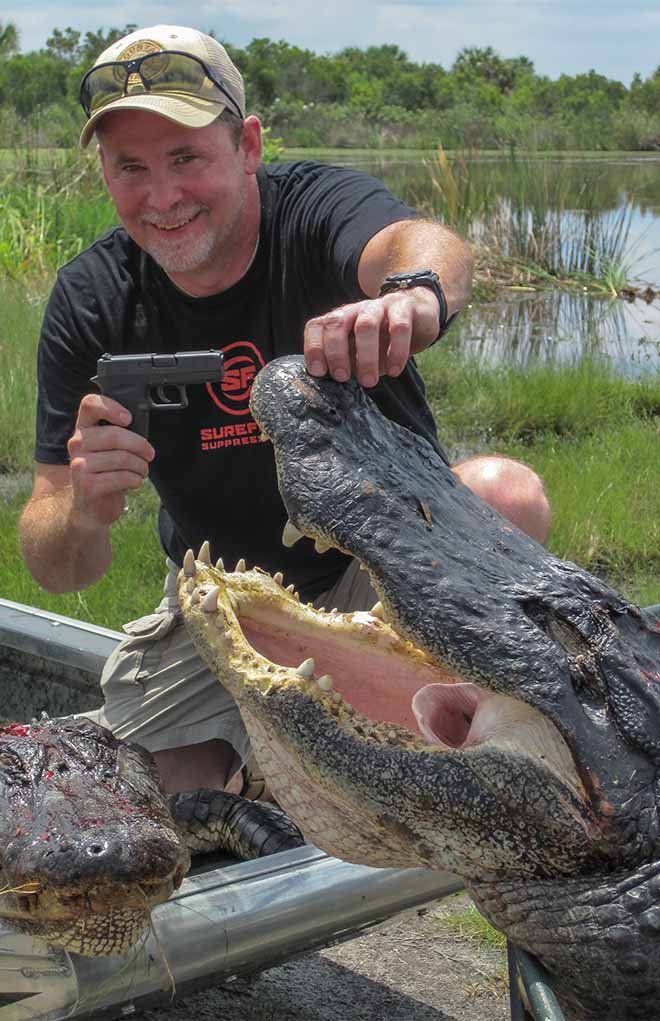
Understanding Alligator Encounters in Florida’s Travel Landscape
Florida’s extensive network of freshwater lakes, rivers, and marshes provides an ideal habitat for alligators. These apex predators are an integral part of the state’s ecosystem, playing a crucial role in maintaining the balance of their environment. For tourists, an alligator sighting is often a highlight of their trip, whether at designated wildlife parks, along hiking trails, or even in residential canals. However, the presence of these powerful animals also necessitates a clear understanding of potential risks and how to mitigate them responsibly.
The Allure and Risks of Florida’s Wilds
Travelers flock to destinations like the Everglades National Park, Myakka River State Park, and numerous other natural preserves specifically to witness Florida’s wildlife, including alligators. These experiences offer a unique window into untouched nature. Yet, with this privilege comes the responsibility of acknowledging that these are wild animals. While alligators typically shy away from humans, they can become defensive or aggressive under certain circumstances, such as when protecting nests, feeling threatened, or if accustomed to human feeding (which is illegal and dangerous). Understanding these inherent risks is the first step in ensuring a safe and memorable travel experience.
Common Alligator Habitats and Behaviors
Alligators are cold-blooded creatures, often seen basking in the sun along water bodies to regulate their body temperature. They are most active during warmer months, especially at dawn and dusk. Their habitats range from brackish coastal waters to freshwater inland lakes, meaning encounters are possible across much of Florida. Travelers should be aware that any body of fresh or brackish water could potentially harbor an alligator, even seemingly calm ponds or canals in urban areas. Understanding their behavior—such as their territorial instincts and powerful bite—is crucial for maintaining a safe distance.
When Encounters Turn Critical
Most alligator encounters are benign, with the animals preferring to avoid confrontation. However, situations can escalate. This typically occurs when an alligator feels cornered, when a person or pet infringes upon its territory (especially during nesting season), or if the animal has lost its natural fear of humans due to illicit feeding. Critical encounters, though rare, can be life-threatening, making knowledge of preventive measures and legal protocols absolutely essential for any visitor to Florida’s natural attractions.
Florida’s Legal Framework for Wildlife and Self-Defense
The legal stance on harming an alligator in Florida, even in perceived self-defense, is highly stringent. Florida has comprehensive laws designed to protect its native wildlife, reflecting a deep commitment to conservation. For travelers, navigating these regulations is vital to avoid severe legal repercussions.
Protected Species Status
The American Alligator, once endangered, made a remarkable recovery thanks to conservation efforts and is now classified as a protected species by the Florida Fish and Wildlife Conservation Commission, commonly known as FWC. This status means it is illegal to harass, feed, capture, injure, or kill an alligator without proper authorization. Violations can lead to significant fines, imprisonment, and civil penalties, underscoring the gravity of such actions.
Understanding Self-Defense Laws in Florida
While Florida has robust self-defense laws, including “Stand Your Ground” provisions for human threats, these are generally not applicable to wildlife encounters in the same way. The legal framework surrounding wildlife self-defense is far more restrictive, placing the onus on individuals to demonstrate that all other reasonable, non-lethal options were exhausted and that the threat was truly imminent and unavoidable. The law differentiates between perceived threats and actual, life-threatening danger.
Specific Alligator Regulations (FWC)
The FWC oversees all alligator management and nuisance alligator programs. If an alligator poses a threat to humans, pets, or livestock, the correct protocol is to contact the FWC Nuisance Alligator Program. Trained alligator trappers are dispatched to assess the situation and, if necessary, remove the alligator. This system is designed to handle potential conflicts safely and legally, preventing individuals from taking matters into their own hands. The law explicitly states that only authorized FWC personnel or their designated agents are permitted to trap or remove alligators.
The “Imminent Threat” Standard
For the extremely rare circumstance where deadly force against an alligator might be considered justifiable, the “imminent threat” standard is paramount. This means there must be an immediate, unavoidable threat of death or serious bodily injury, and there was absolutely no other reasonable means of escape or deterrence. The burden of proof would be incredibly high, requiring compelling evidence that the alligator’s attack was unprovoked and directly life-threatening, and that harming the animal was the only way to save one’s life. Even then, legal scrutiny would be intense, and the outcome uncertain.
Prevention and Responsible Wildlife Interaction for Travelers
For travelers to Florida, the most effective and legally sound approach to alligator safety is prevention and responsible interaction. By adhering to established guidelines, visitors can significantly reduce the risk of critical encounters and ensure a safe and enjoyable trip.

Safety Guidelines for Exploring Florida’s Wetlands
- Maintain Distance: Always observe alligators from a safe distance. A general rule is to keep at least 30 feet away.
- Never Feed Alligators: This is illegal and extremely dangerous. Feeding alligators causes them to lose their natural fear of humans, making them more likely to approach and potentially attack.
- Swim in Designated Areas Only: Avoid swimming, wading, or letting pets enter waters known to contain alligators, especially at dawn, dusk, or night when alligators are most active.
- Keep Pets Leashed: Dogs and cats are often perceived as prey by alligators. Always keep pets on a leash and away from the water’s edge.
- Be Aware of Surroundings: Stay alert, particularly in areas near water bodies.
- Educate Children: Teach children about alligator safety and supervise them closely.
What to Do If an Alligator Approaches
If an alligator approaches you, remain calm and slowly back away. Do not run, as this might trigger a chase response. If an alligator hisses or lunges, it’s a warning. Make noise and try to appear as large as possible. If an alligator does attack, fight back vigorously, targeting its eyes and snout. This is an extreme rarity, but knowing what to do could be life-saving.
Emergency Protocols and Reporting
In any situation where an alligator poses a direct threat to human safety, immediately contact the FWC Nuisance Alligator Program at 866-FWC-GATOR (866-392-4286). Provide as much detail as possible about the alligator’s size, location, and behavior. This ensures that trained professionals can assess and manage the situation appropriately, minimizing harm to both humans and wildlife.
The Gravity of Using Deadly Force Against an Alligator
Even in the most dire circumstances, the decision to use deadly force against an alligator carries immense weight, both legally and ethically. Florida’s commitment to wildlife protection means that such actions are rarely, if ever, considered justified without extraordinary evidence.
Legal Consequences and Penalties
Killing an alligator without authorization, even if claiming self-defense, can result in felony charges. Penalties can include substantial fines (potentially thousands of dollars), jail time, confiscation of property used in the offense, and restitution for the value of the alligator. The legal process would be arduous, requiring a defendant to prove unequivocally that their actions met the strict “imminent threat” criteria and that no other option was available. This makes unauthorized killing a high-risk proposition for any individual.
Ethical and Ecological Considerations
Beyond legal ramifications, there are significant ethical and ecological considerations. Alligators are a vital part of Florida’s natural heritage and ecosystem. Unnecessarily harming them disrupts the delicate balance of their environment. Responsible travelers and citizens understand the importance of coexisting with wildlife and respecting their role in nature. The priority should always be conservation and finding peaceful resolutions to human-wildlife conflicts.
When Deadly Force Might Be Justified (Extremely Rare)
As previously stated, the circumstances under which shooting an alligator in self-defense would be legally justifiable are exceedingly narrow. It would almost certainly require direct, unprovoked aggression from an alligator that had already initiated an attack, and where the individual had no other means of escape or defense. This scenario is incredibly rare. Law enforcement and the FWC would conduct a thorough investigation, and the burden of proof would rest entirely on the individual to demonstrate that the use of deadly force was absolutely necessary to prevent death or severe bodily harm. In virtually all other cases, contact with the FWC Nuisance Alligator Program remains the correct and only legally sanctioned response.
Travel Smart: Enjoying Florida’s Wildlife Responsibly
For travelers, the magic of Florida often lies in its wild, untamed spaces. Enjoying these unique environments responsibly ensures both personal safety and the preservation of its precious wildlife.
Guided Tours and Educational Experiences
One of the best ways to observe alligators safely and learn about their behavior is through guided tours offered by experienced naturalists and park rangers. Airboat rides in the Everglades or ranger-led programs at state parks provide controlled environments where visitors can see alligators up close without putting themselves or the animals at risk. These educational experiences foster a deeper appreciation for Florida’s ecosystem.
Respecting the Ecosystem
As travelers, our presence in natural habitats carries a responsibility. Respecting the ecosystem means understanding and adhering to local regulations, maintaining a respectful distance from wildlife, and leaving no trace. It’s about recognizing that we are visitors in their home and acting accordingly. This philosophy not only ensures personal safety but also contributes to the sustainability of Florida’s natural attractions for future generations.
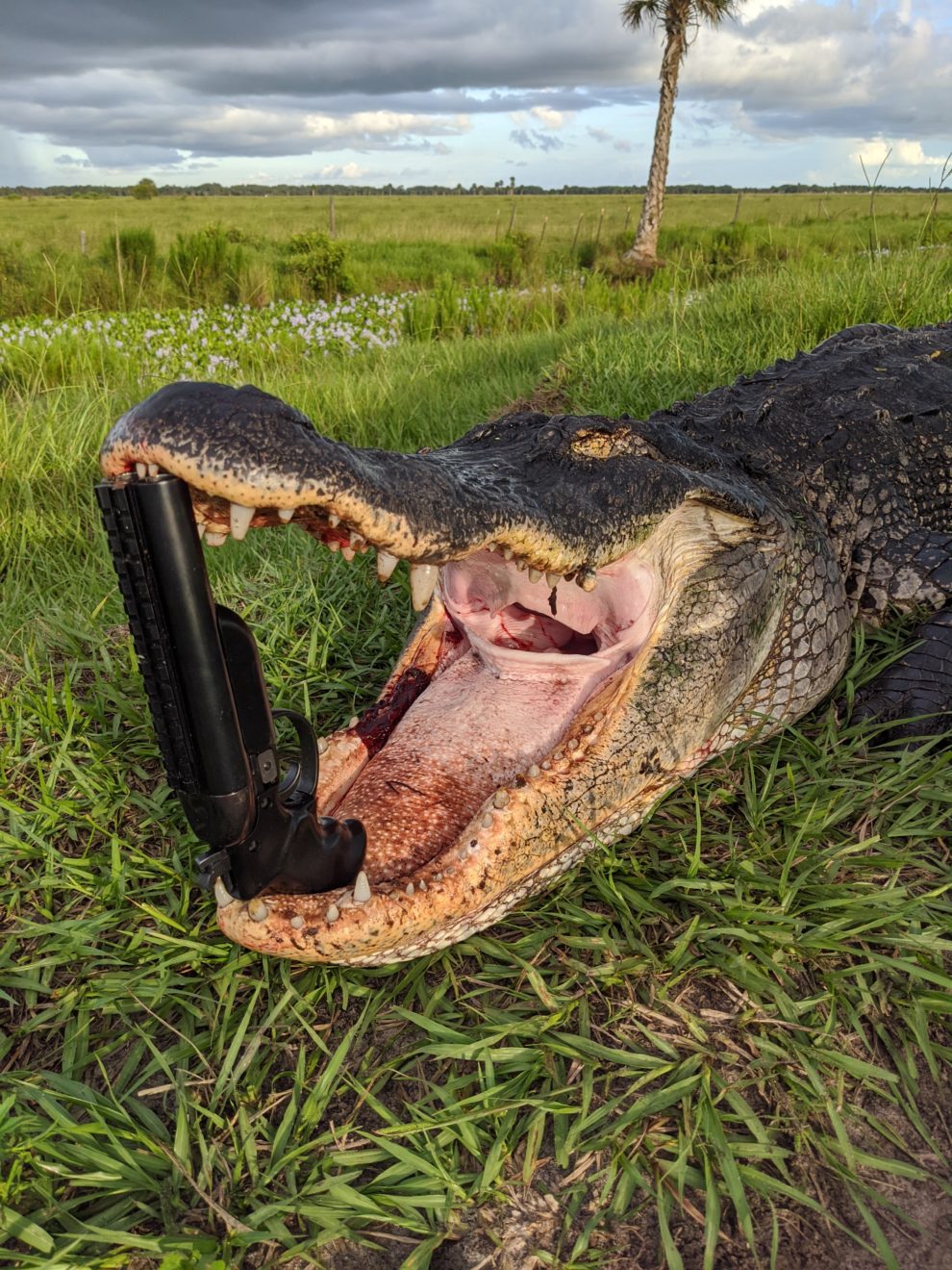
Prioritizing Safety Through Awareness
Ultimately, the question of whether you can shoot an alligator in Florida in self-defense underscores the critical importance of awareness and preparedness when traveling in wildlife-rich areas. While the legal answer is almost always “no,” the practical answer for travelers is to prioritize prevention, education, and adherence to FWC guidelines. By doing so, visitors can safely enjoy the incredible experience of encountering Florida’s iconic alligators, creating lasting memories without ever having to contemplate such an extreme and legally perilous action. Traveling smart means traveling informed, respectful, and safe.
LifeOutOfTheBox is a participant in the Amazon Services LLC Associates Program, an affiliate advertising program designed to provide a means for sites to earn advertising fees by advertising and linking to Amazon.com. Amazon, the Amazon logo, AmazonSupply, and the AmazonSupply logo are trademarks of Amazon.com, Inc. or its affiliates. As an Amazon Associate we earn affiliate commissions from qualifying purchases.