
Florida, often celebrated for its sun-drenched beaches, vibrant culture, and world-class attractions, is also a burgeoning hub for entrepreneurs and business enthusiasts. The state’s favorable tax climate and steady population growth make it an attractive destination for those looking to launch or expand their ventures. However, with the allure of opportunity comes the essential responsibility of compliance. A fundamental question for anyone considering establishing a business here is: “Do I need a business license in Florida?” The simple answer is almost certainly yes, but the specifics are nuanced and depend heavily on the nature and location of your business. Understanding these requirements is not just a legal necessity; it’s a critical step in building a legitimate, successful, and sustainable entrepreneurial lifestyle in the Sunshine State.

Embracing the Entrepreneurial Lifestyle in Florida
The decision to start a business is a lifestyle choice, a commitment to independence, innovation, and often, personal growth. In Florida, this choice is supported by a dynamic economy and a welcoming business environment, but it necessitates careful navigation of administrative waters, with business licensing at the forefront.
Why Florida Attracts Business Minds
Florida’s appeal to business minds extends beyond its tourism prowess. The state boasts a robust workforce, strategic geographic location for international trade, and a lack of state income tax, which can significantly benefit business owners and their employees. Cities like Miami serve as gateways to Latin America, while technological innovation thrives in centers such as Orlando and Tampa. From burgeoning tech startups to established hospitality empires, the diversity of economic activity means opportunities abound across various sectors. This environment encourages a proactive entrepreneurial spirit, where individuals are empowered to transform ideas into thriving enterprises. Yet, to fully capitalize on these opportunities, establishing a legitimate operational foundation is paramount.
The Foundation of Legitimate Business Operations
For any aspiring business owner, the journey begins with an idea, but it solidifies with proper registration and licensing. A business license, or more accurately, a combination of various permits and registrations, serves as the official acknowledgment that your business is authorized to operate within specific jurisdictions. It’s more than just a bureaucratic hurdle; it’s the cornerstone of legitimacy. Operating without the necessary licenses can lead to severe penalties, legal challenges, and damage to your reputation, effectively undermining the very lifestyle you seek to build. By securing the appropriate licenses, you not only comply with the law but also establish credibility, build trust with customers, and lay a solid groundwork for long-term success and growth within Florida’s vibrant market.
Understanding Florida’s Licensing Landscape
The phrase “business license” can be misleading because it often refers to a spectrum of permits and registrations required at various governmental levels. In Florida, understanding this multi-layered system is crucial for compliance.
State-Level vs. Local-Level Requirements
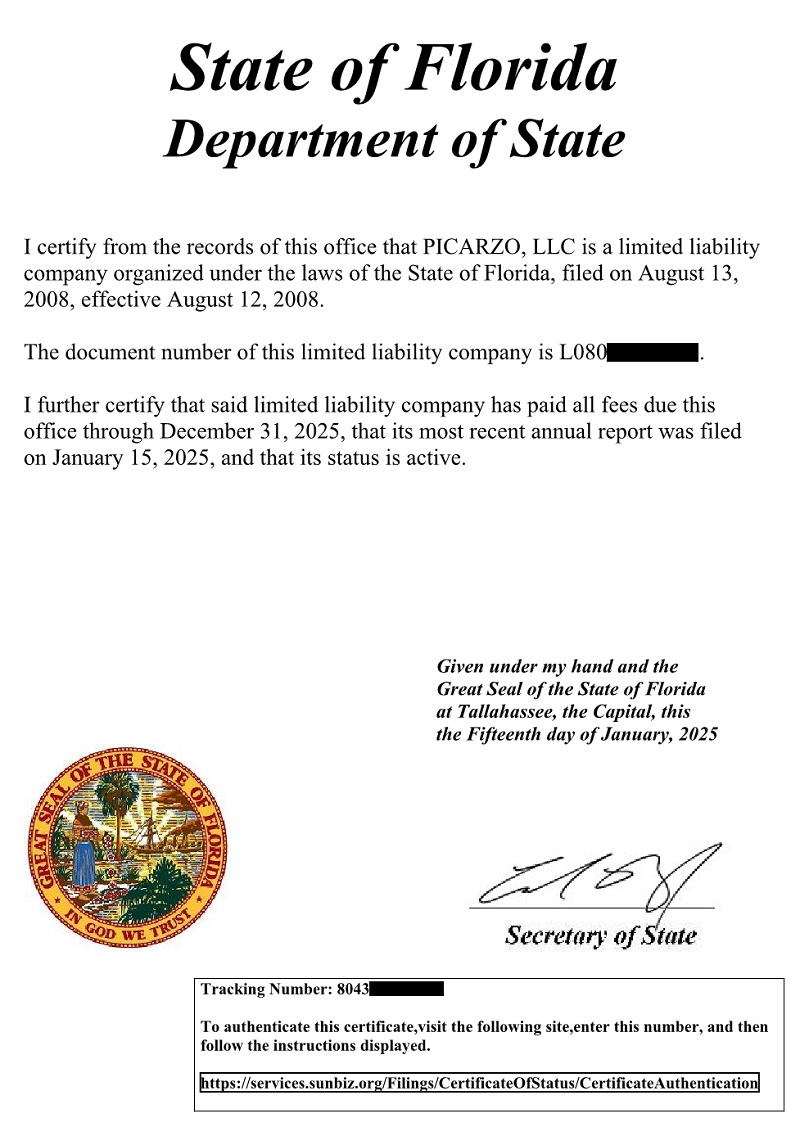
Businesses in Florida typically face licensing requirements at both the state and local levels. The state may mandate specific licenses or certifications based on the industry or profession. For instance, contractors, real estate agents, and health professionals must obtain state-issued licenses from their respective regulatory boards. Beyond these specific occupational requirements, many businesses must also register with the Florida Department of State to establish their legal entity, such as an LLC or corporation.
However, the most common and often overlooked requirement for almost all businesses is at the local level. Counties and municipalities across Florida typically require a local business tax receipt (BTR), formerly known as an occupational license, to operate within their jurisdiction. This means a business operating in Orlando will need an Orange County BTR and potentially an Orlando city BTR, while a business in Sarasota would need a Sarasota County BTR and potentially a City of Sarasota BTR. These local requirements are fundamental and reflect the specific needs and regulations of the communities in which you operate.
Occupational Licenses and Professional Certifications
Certain professions in Florida are highly regulated, requiring specific occupational licenses or professional certifications before an individual can legally practice. This ensures that professionals meet defined standards of education, experience, and ethical conduct. Examples include licensed general contractors, cosmetologists, physicians, accountants, and attorneys. These licenses are typically issued by state boards or departments, such as the Florida Department of Business and Professional Regulation (DBPR). The application process for these can be extensive, often involving examinations, background checks, and proof of insurance. For businesses offering such services, ensuring all relevant personnel hold current and valid licenses is not just a matter of compliance but also a testament to the quality and professionalism of the business.
General Business Tax Receipts (BTRs)
The General Business Tax Receipt (BTR) is the most pervasive local business license requirement in Florida. Almost every business operating within a specific county or city jurisdiction will need one. The purpose of a BTR is to collect taxes on the privilege of doing business within that locale. The cost of a BTR can vary widely depending on the type of business, the number of employees, or the gross receipts, and it is usually renewed annually. It’s crucial to understand that even home-based businesses or those operating primarily online from a Florida address are generally subject to these local BTR requirements. Ignoring this can lead to fines and operational disruptions, demonstrating the importance of due diligence at the hyper-local level when establishing your business lifestyle.
Navigating the Application Process
While the prospect of obtaining multiple licenses might seem daunting, breaking down the application process into manageable steps can simplify it significantly. Diligence and attention to detail are key to smooth navigation.
Researching Your Specific Needs
The first and most critical step is thorough research. Begin by identifying all potential licensing requirements relevant to your business type and location. This involves:
- Business Structure: Determine if you are operating as a sole proprietorship, partnership, LLC, or corporation, as this affects state registration.
- Industry/Profession: Research if your specific industry or profession requires state-level occupational licenses (e.g., Florida Department of Health for healthcare, DBPR for contractors).
- Physical Location: Identify the county and municipality where your business will operate. Contact both the county’s business tax office (e.g., Miami-Dade County Tax Collector) and the city’s licensing department (e.g., City of Fort Lauderdale Business Tax Office) to inquire about their specific BTR and zoning requirements. Zoning is particularly important, especially for home-based businesses, to ensure your chosen location complies with local ordinances.
- Federal Requirements: While less common for small businesses, certain activities (e.g., alcohol sales, firearms) may require federal licenses.
Many county and city websites in Florida offer online resources or contact information for their business tax departments, providing a good starting point for your research.
Required Documentation and Fees
Once you’ve identified the necessary licenses, prepare to gather the required documentation and allocate funds for associated fees. Common documents include:
- Federal Employer Identification Number (EIN): If you have employees or operate as a corporation/LLC.
- Fictitious Name Registration: If you are operating under a name different from your legal business name (e.g., “John Doe Plumbing” when your legal name is just “John Doe”). This is handled by the Florida Department of State.
- Articles of Incorporation/Organization: For corporations and LLCs, filed with the Florida Department of State.
- Proof of Insurance: Depending on the industry and local requirements (e.g., liability insurance, workers’ compensation).
- Zoning Approval: Confirmation that your business location complies with local zoning ordinances.
- Financial Disclosures: For some professional licenses.
Fees vary greatly, from nominal amounts for some local BTRs to several hundreds or thousands of dollars for specialized state licenses. Budgeting for these costs is an integral part of your initial business planning.
Common Pitfalls to Avoid
Navigating Florida’s licensing landscape comes with its share of potential pitfalls. One of the most common is underestimating the number of licenses required, especially at the local level. Many entrepreneurs mistakenly believe a single state registration is sufficient. Another pitfall is assuming that a home-based business is exempt; in most cases, it is not. Delayed applications, incomplete documentation, and failure to renew licenses on time are also frequent issues that can lead to fines and operational interruptions. Proactive engagement with relevant government offices and, if necessary, consulting with a business attorney or licensing specialist can help prevent these costly mistakes and ensure your entrepreneurial lifestyle remains compliant and robust.
The Benefits of Compliance for Your Business Lifestyle
While obtaining business licenses might seem like a regulatory burden, viewing it as an investment in your business’s future and your entrepreneurial lifestyle reveals significant advantages. Compliance extends far beyond avoiding penalties; it actively contributes to your business’s success.
Credibility and Trust
Operating with all required licenses immediately establishes your business as legitimate and trustworthy. When customers, partners, and investors see that you are fully compliant, it builds confidence in your operations and services. For example, a restaurant with all health and food service permits prominently displayed assures diners of its commitment to safety, just as a licensed contractor instills trust in clients regarding their professionalism and adherence to industry standards. This credibility is a valuable asset, differentiating your business in a competitive market and fostering stronger relationships within your community, whether you’re in Jacksonville, Broward County, or Naples.
Avoiding Penalties and Legal Issues
The most immediate and tangible benefit of compliance is avoiding the significant penalties associated with unlicensed operation. Florida municipalities and state agencies impose fines that can quickly accumulate, sometimes even leading to cease-and-desist orders or criminal charges in severe cases. Beyond monetary penalties, operating without proper licenses can leave your business vulnerable to legal challenges, invalidate contracts, and expose you to liability that could otherwise be mitigated. Proactive licensing protects your personal and business assets, allowing you to focus on growth rather than legal defense. This peace of mind is invaluable for maintaining a healthy and stress-free business lifestyle.
Accessing Opportunities and Growth
Many business opportunities, particularly those involving partnerships, government contracts, or financing, require proof of legitimate operation. Banks, investors, and larger corporations are often reluctant to engage with unlicensed entities due to the inherent risks. Properly licensed businesses, however, are viewed as more stable and reliable, opening doors to favorable loans, strategic alliances, and expansion capital. Furthermore, compliance enables your business to advertise legally and access professional networks and associations that can be vital for growth. In essence, your business license acts as a passport to a wider world of opportunities, enabling your entrepreneurial vision to truly flourish in the dynamic Florida economy.
Beyond the Initial License: Maintaining Your Status
Obtaining the initial set of business licenses is a significant achievement, but it’s not a one-time task. Maintaining your licensed status is an ongoing responsibility that ensures your business remains legitimate and compliant throughout its lifespan. This continuous engagement is part of the long-term commitment to your entrepreneurial lifestyle.
Renewals and Ongoing Compliance
Most business licenses in Florida, particularly local BTRs and many professional state licenses, are not permanent. They typically require annual or biennial renewal. It is the business owner’s responsibility to track these renewal dates and submit applications and fees on time. Many jurisdictions offer reminders, but relying solely on these can be risky. Establishing a robust system for monitoring renewal deadlines, such as setting calendar alerts or delegating the task to an administrative assistant, is crucial. Additionally, ongoing compliance might involve adhering to specific industry regulations, maintaining certain levels of insurance, or participating in continuing education for professional licenses.
Adapting to Business Changes
Your business is a living entity, and as it evolves, so might its licensing requirements. Changes such as relocating to a new city or county, expanding services, adding new product lines, or significantly altering your business structure could trigger the need for new or updated licenses. For instance, moving your home-based consulting business from Gainesville to Tallahassee would necessitate obtaining a new set of local BTRs. Similarly, if your retail store decides to start selling alcoholic beverages, it would require additional state and potentially federal permits. Proactively identifying these changes and updating your licensing portfolio ensures uninterrupted operation and continuous compliance.

Resources for Florida Businesses
Fortunately, navigating the complexities of business licensing in Florida doesn’t have to be a solitary journey. The state offers numerous resources designed to assist entrepreneurs:
- Florida Department of State: For business entity registration and fictitious name registration.
- Florida Department of Business and Professional Regulation (DBPR): For a wide range of occupational and professional licenses.
- Florida Small Business Development Center (SBDC): Offers free consulting and training for small businesses, including guidance on regulatory compliance.
- County and Municipal Websites: Provide specific information on local business tax receipts, zoning, and permits (e.g., Leon County Tax Collector, City of Orlando Business Tax).
- Professional Associations: Many industries have state-specific associations that offer guidance and resources to their members.
- Business Attorneys and Licensing Specialists: For complex situations, consulting legal professionals can provide tailored advice and ensure comprehensive compliance.
By leveraging these resources, Florida business owners can confidently manage their licensing obligations, securing a stable and prosperous future for their entrepreneurial lifestyle in the Sunshine State. The answer to “Do I Need A Business License In Florida?” is a resounding yes, and understanding the nuances is the first step towards building a thriving and legitimate enterprise.
LifeOutOfTheBox is a participant in the Amazon Services LLC Associates Program, an affiliate advertising program designed to provide a means for sites to earn advertising fees by advertising and linking to Amazon.com. Amazon, the Amazon logo, AmazonSupply, and the AmazonSupply logo are trademarks of Amazon.com, Inc. or its affiliates. As an Amazon Associate we earn affiliate commissions from qualifying purchases.