
The mention of olive trees often conjures images of sun-drenched groves stretching across the Mediterranean region, a landscape synonymous with ancient history, robust culinary traditions, and a distinct climate. For many, the idea of these iconic trees thriving in Florida, a state famous for its citrus groves, pristine beaches, and subtropical humidity, seems almost paradoxical. Yet, a quiet agricultural revolution has been underway in the Sunshine State, challenging conventional wisdom and opening up exciting new avenues for local culture, food, and agri-tourism. This article delves into the surprising reality of olive cultivation in Florida, exploring how this burgeoning industry is transforming the state’s agricultural landscape and offering unique experiences for tourists eager to discover its lesser-known facets. Far from just a curious botanical fact, the presence of olive trees in Florida represents an evolving story of innovation, adaptation, and a deepening appreciation for local food sources and sustainable practices.
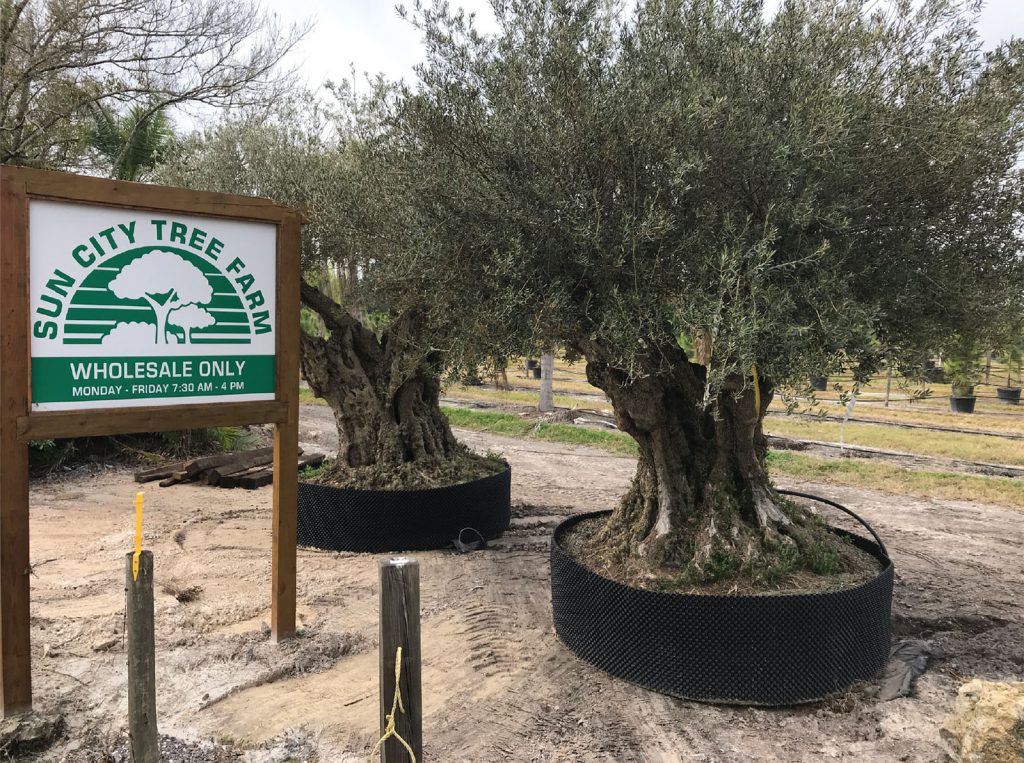
The Unlikely Climate: Why Florida and Olives Spark Curiosity
At first glance, Florida’s climate appears to be the antithesis of what olive trees typically require. Olives (Olea europaea) are renowned for their preference for a true Mediterranean climate characterized by mild, wet winters and hot, dry summers. The success of olive cultivation hinges significantly on meeting specific “chill hour” requirements—a certain number of hours below a critical temperature (usually around 45°F or 7°C) during winter, which is essential for flower bud development and subsequent fruit production. Florida, particularly its southern half, is known for its largely frost-free, high-humidity environment and often wet summers, conditions that historically posed significant challenges for olive growth.
Florida’s Unique Agricultural Landscape
Florida’s agricultural identity has long been defined by its citrus industry, with oranges, grapefruits, and tangerines dominating vast stretches of central Florida. Beyond citrus, the state is a leading producer of various tropical and subtropical fruits and vegetables, including tomatoes, strawberries, sugarcane, and bell peppers. This diverse agricultural profile is a direct result of its unique geography, spanning distinct climatic zones from subtropical in the north to tropical in the south. While this diversity has allowed for a wide array of crops, the pursuit of new, economically viable alternatives is a constant endeavor, especially in the face of challenges like citrus greening disease. The introduction of olive cultivation is part of this ongoing evolution, aiming to diversify the state’s agricultural portfolio and provide resilient, high-value crops that can thrive in its specific environmental conditions.
Olive Tree Requirements and Challenges
The primary hurdles for olive cultivation in Florida stem from its climatic differences compared to traditional olive-growing regions. Insufficient chill hours in many parts of the state can lead to poor flowering and fruiting. Furthermore, Florida’s high humidity and heavy summer rains create conditions conducive to fungal diseases and bacterial blight, such as Xylella fastidiosa, a pathogen that has devastated olive groves in parts of Europe. Traditional olive varieties, accustomed to drier conditions, struggle with these moisture-related stresses. However, modern agricultural science and dedicated growers have begun to tackle these challenges head-on, leading to surprising breakthroughs that make olive cultivation in Florida not just possible, but increasingly promising. This innovative spirit is now fostering a burgeoning agri-tourism sector, inviting visitors to witness and experience this agricultural transformation firsthand.
A Green Revolution: The Rise of Florida’s Olive Industry
Despite the climatic hurdles, the prospect of an olive oil industry in Florida has captivated researchers and entrepreneurs alike. The motivation is clear: olive oil is a high-value commodity, and domestic production could offer economic benefits, reduce reliance on imports, and create new agricultural jobs. This vision has spurred significant research and development, leading to the identification and propagation of olive cultivars specifically suited to Florida’s challenging environment. This “green revolution” is not just about growing trees; it’s about building an entirely new agricultural sector from the ground up, embracing innovation and sustainable practices.
Pioneering Efforts and Research
The groundwork for Florida’s olive industry has been laid through extensive research, primarily spearheaded by institutions like the University of Florida‘s Institute of Food and Agricultural Sciences (IFAS) extension. Researchers at IFAS have conducted trials with numerous olive cultivars, meticulously evaluating their performance in terms of growth, yield, disease resistance, and oil quality under Florida’s unique conditions. These efforts have focused on identifying varieties that require fewer chill hours, can tolerate higher humidity, and exhibit resilience to common Florida pests and diseases. The insights gained from these trials have been crucial in guiding prospective growers, providing them with the knowledge and recommendations needed to establish successful olive orchards. This scientific backbone has given rise to organizations like the Florida Olive Council, which promotes and supports the industry through education and advocacy, contributing significantly to a vibrant local culture of agricultural entrepreneurship.
Key Growing Regions and Varietals
While olive trees can be found across various parts of Florida, the most promising regions for commercial cultivation tend to be in North and Central Florida. These areas generally experience cooler winters, providing the slightly higher chill hours that many olive varieties require. Here, pioneering growers are cultivating specific varietals that have proven adaptable to the state’s climate. Among the most successful are varieties like Arbequina, Arbosana, and Koroneiki. These cultivars, originating from Spain and Greece respectively, are prized for their high oil yield, vigorous growth, and relatively low chill-hour requirements, making them ideal candidates for Florida’s unique conditions. The oil produced from these Florida-grown olives is often described as robust and flavorful, offering a unique taste profile that reflects its subtropical origins. This emergence of specific regional varietals and their distinct culinary contributions is rapidly becoming a significant draw for food-focused tourism in the state.
Experiencing Florida’s Olive Culture as a Tourist
The advent of olive cultivation in Florida has opened up exciting new opportunities for tourists seeking unique local experiences. Beyond the traditional beaches and theme parks, visitors can now explore a different side of the Sunshine State, delving into its evolving agricultural landscape and savoring its emerging culinary delights. This new dimension of tourism perfectly aligns with the growing global interest in farm-to-table movements, sustainable agriculture, and authentic local culture.
Agri-Tourism Opportunities: Olive Groves and Farm Tours
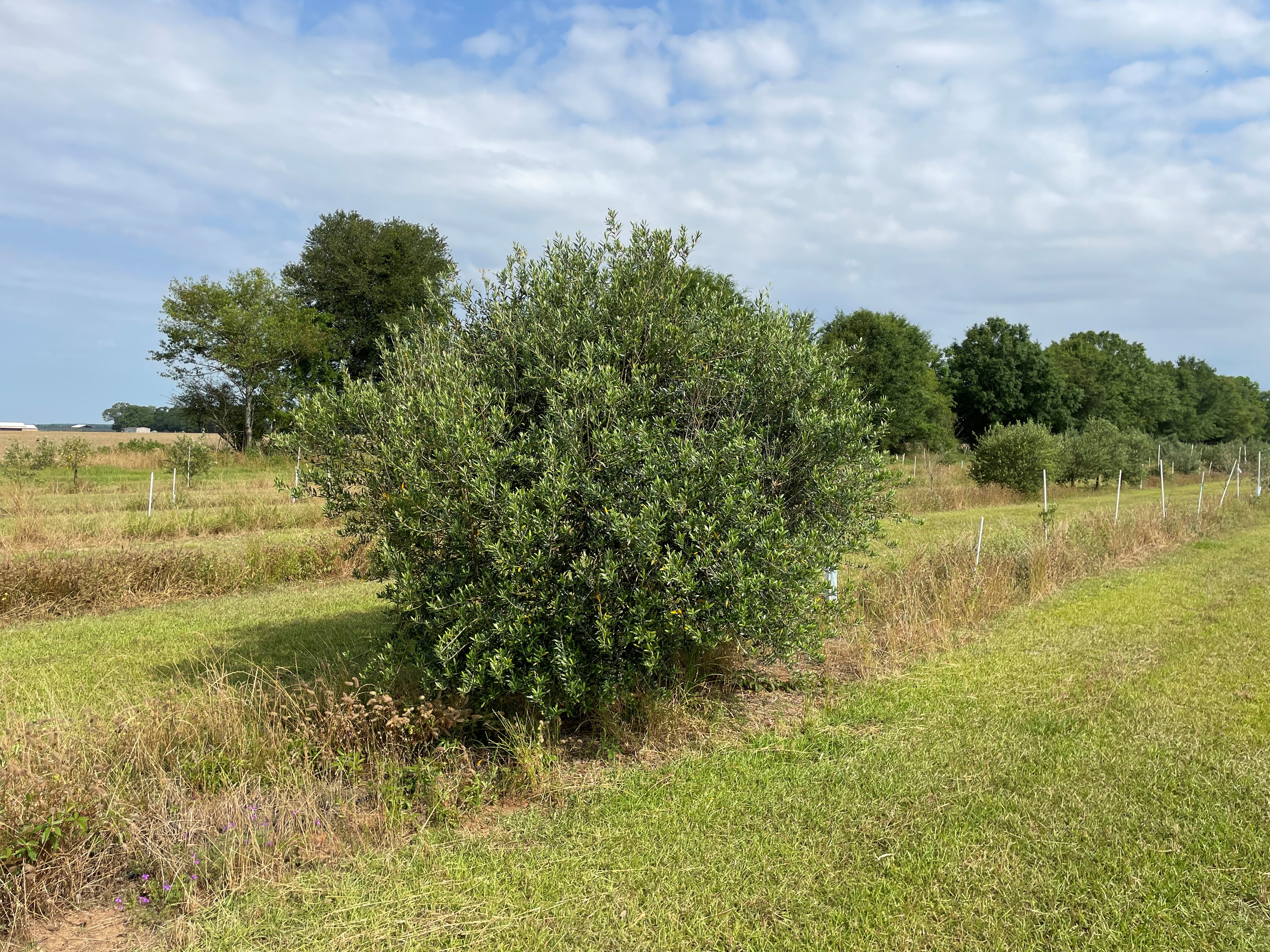
For the curious traveler, Florida’s olive groves offer an engaging agri-tourism experience. Many farms are beginning to open their gates to visitors, providing guided tours that explain the intricacies of olive cultivation in a subtropical climate. Imagine strolling through rows of silvery-green olive trees, learning about the specific challenges growers face, and understanding the innovative techniques employed to coax a bountiful harvest from the Florida soil. Some operations, such as Florida Olive Farms (a general term for existing or emerging farms), offer educational sessions on olive oil production, from the harvesting process to the pressing and bottling of the finished product. These tours often culminate in tasting sessions, allowing visitors to sample fresh, locally pressed extra virgin olive oil, appreciating its distinct flavor profile directly from the source. These experiences are invaluable for understanding the dedication and passion behind Florida’s burgeoning olive industry.
Local Food Scene: Florida Olive Oil and Products
The impact of Florida’s olive industry is increasingly being felt in the state’s vibrant local food scene. High-quality extra virgin olive oil produced in Florida is making its way into specialty food stores, farmers’ markets, and even upscale restaurants across the state. Chefs are embracing this local ingredient, incorporating it into regional dishes and farm-to-table menus, celebrating its fresh, unique flavor. Tourists looking to take home a piece of Florida’s agricultural innovation can seek out bottles of Florida olive oil, which make excellent souvenirs or culinary gifts. Beyond just oil, some producers are exploring other olive-related products, such as tapenades, infused oils, and even olive leaf tea, further diversifying the local culinary offerings and expanding the palette of flavors associated with the Sunshine State. Supporting these local businesses is a wonderful way for tourists to contribute directly to the sustainable growth of Florida’s emerging olive culture.
Seasonal Events and Festivals
As the Florida olive industry matures, there is growing potential for seasonal events and festivals centered around the olive harvest and its products. These events could offer tourists an immersive experience, combining educational aspects with lively celebrations of local food and culture. Imagine an “Olive Harvest Festival” featuring olive oil tastings, cooking demonstrations by local chefs, artisan craft markets, live music, and family-friendly activities set against the backdrop of an active olive grove. Such festivals would not only attract visitors interested in culinary tourism but also provide a platform for growers to showcase their products and for communities to celebrate their agricultural heritage. These events would encapsulate the very essence of local tourism, offering unique activities that connect visitors directly with the heart and soul of Florida’s innovative agricultural spirit.
The Future Landscape: Challenges and Potential
While the progress in Florida’s olive industry has been remarkable, the path forward is not without its challenges. Sustaining and expanding this nascent sector requires ongoing research, adaptation, and strategic planning. However, the potential rewards, both economic and cultural, are significant, promising a brighter and more diversified future for Florida’s agriculture and tourism.
Overcoming Environmental Hurdles
The primary challenge for Florida olive growers remains the state’s unique environment. Pest management, especially dealing with common Florida insects and humidity-driven fungal diseases, requires diligent and often innovative approaches. While Xylella fastidiosa has not been as devastating to Florida olive groves as it has been in Europe, constant vigilance and research into disease-resistant varieties are crucial. Furthermore, climate variability, including unpredictable cold snaps or prolonged droughts, demands adaptive strategies from growers, such as precise irrigation and frost protection techniques. Continuing research by institutions like IFAS is vital for developing sustainable solutions and providing growers with the best practices to overcome these environmental hurdles, ensuring the long-term viability of the industry.

Economic Impact and Sustainability for Local Communities
The growth of the olive industry holds significant economic potential for rural Florida communities. It offers a new cash crop that can diversify agricultural income, create jobs in cultivation, harvesting, processing, and marketing, and attract investment. For communities traditionally reliant on a single crop, olive cultivation provides a valuable alternative and a buffer against market fluctuations or disease outbreaks affecting other sectors. From a tourism perspective, olive groves represent a new attraction, drawing visitors who are keen on agri-tourism, culinary experiences, and supporting local businesses. This burgeoning industry not only offers fresh, locally produced food but also fosters a sense of local pride and cultural identity around this unexpected crop. Tourists can play a crucial role by choosing to visit these farms, purchase local olive oil, and engage with the emerging olive culture, thereby directly contributing to the economic sustainability and vibrancy of these communities.
In conclusion, the answer to “Do olive trees grow in Florida?” is a resounding yes. What began as an experimental endeavor has blossomed into a promising agricultural sector, adding an intriguing new chapter to Florida‘s diverse landscape. For tourists, this means a unique opportunity to explore olive groves, taste locally produced extra virgin olive oil, and engage with an innovative aspect of Florida’s local culture and food scene. As the industry continues to mature, it promises to become an increasingly significant draw for those seeking authentic, enriching experiences beyond the state’s more conventional attractions. So, on your next visit to the Sunshine State, consider venturing into its emerging olive country – you might just discover a new favorite flavor and a deeper appreciation for Florida’s agricultural ingenuity.
LifeOutOfTheBox is a participant in the Amazon Services LLC Associates Program, an affiliate advertising program designed to provide a means for sites to earn advertising fees by advertising and linking to Amazon.com. Amazon, the Amazon logo, AmazonSupply, and the AmazonSupply logo are trademarks of Amazon.com, Inc. or its affiliates. As an Amazon Associate we earn affiliate commissions from qualifying purchases.