
Florida, often affectionately known as the Sunshine State, beckons with its sparkling blue waters, intricate network of rivers, and stunning coastal landscapes. For many tourists and residents alike, the call of the open water is irresistible, offering unparalleled opportunities for fishing, cruising, watersports, and simply soaking in the natural beauty. Whether you dream of navigating the crystal-clear waters of the Florida Keys, exploring the vibrant marine life near Miami, or cruising the serene inland waterways near Orlando, boating is an iconic Florida experience.
However, before you cast off, a fundamental question arises: do you need a boat license to operate a vessel in Florida? The answer, while seemingly straightforward, involves understanding Florida’s specific regulations concerning boating safety education. Unlike a driver’s license for a car, Florida does not issue “boat licenses” in the traditional sense. Instead, it requires a Boating Safety Education Identification Card for certain individuals operating motorboats. This distinction is crucial for anyone planning to enjoy the state’s magnificent aquatic playground. This comprehensive guide will delve into these requirements, helping you navigate the regulations so you can focus on enjoying Florida’s world-class boating opportunities safely and legally.

Navigating Florida’s Waters: An Essential Guide for Tourists
Florida’s geography, with its extensive coastline along the Atlantic Ocean and the Gulf of Mexico, combined with thousands of lakes, rivers like the St. Johns River, and canals, makes it a premier destination for boating enthusiasts. From the bustling marinas of Fort Lauderdale to the tranquil estuaries of the Everglades, the diversity of boating experiences is immense. Understanding the regulations is not just about compliance; it’s about ensuring a safe, enjoyable, and memorable experience for everyone on the water.
The Allure of Boating in the Sunshine State
The appeal of boating in Florida extends far beyond mere recreation. It offers a unique vantage point to explore the state’s natural beauty, from spotting dolphins and manatees in their natural habitat to discovering secluded coves and islands only accessible by water. Fishing charters, sunset cruises, watersports like wakeboarding and tubing, or simply anchoring up for a swim are all quintessential Florida activities. For tourists, renting a boat or joining a tour is often a highlight of their trip, providing an intimate connection with the state’s vibrant marine environment and laid-back coastal lifestyle. The freedom of the open water, combined with Florida’s consistently warm weather, creates an irresistible draw that thousands succumb to annually.
Understanding the Basics: License vs. Boating Safety Education
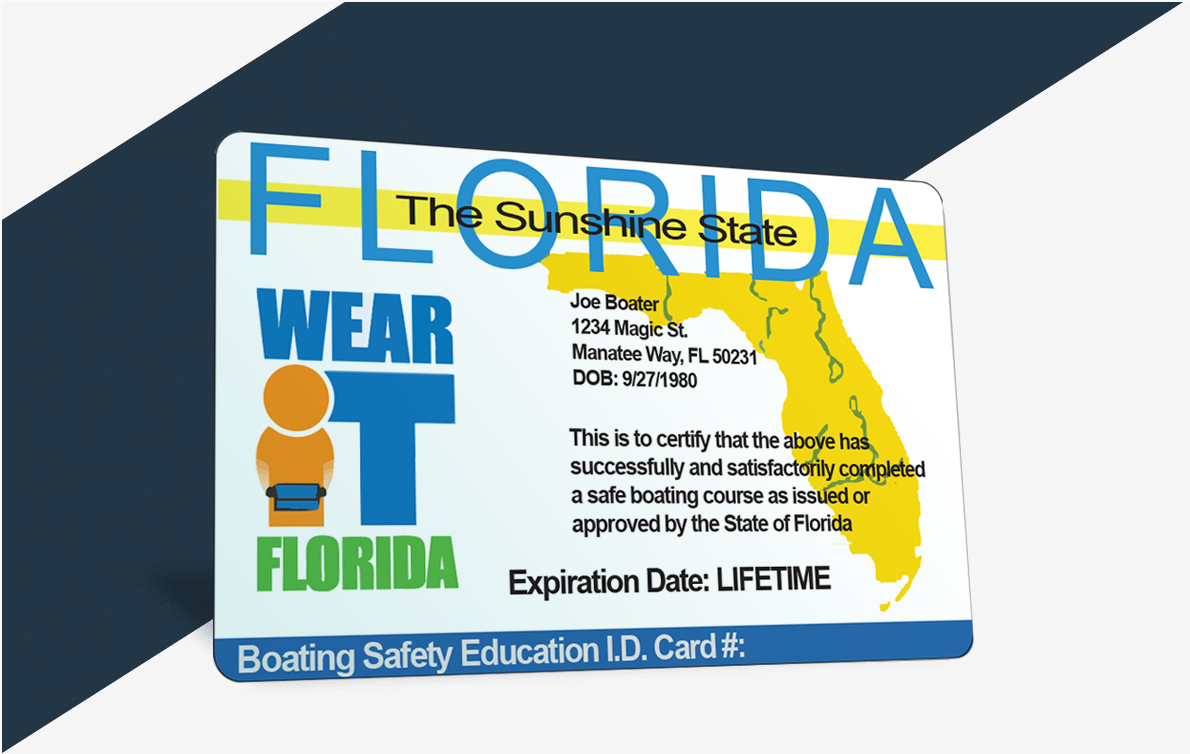
It’s vital to clarify the terminology. When people ask about a “boat license” in Florida, they are typically referring to the Boating Safety Education Identification Card. This card signifies that an individual has successfully completed an approved boating safety course. Unlike a driver’s license which requires practical driving tests and periodic renewals, the Florida boating safety card is issued once after course completion and does not expire. It’s a testament to your understanding of boating laws, navigation rules, and safety practices, rather than a permit to operate specific types of vessels. This distinction is important for tourists, as the process for obtaining this card is focused on education rather than an arduous licensing examination.
Who Needs a Boating Safety Education Identification Card in Florida?
The core of Florida’s boating safety regulations revolves around who is required to carry the Boating Safety Education Identification Card. These rules are in place to ensure that those operating powerful vessels possess a baseline understanding of safe operation and waterway etiquette, thereby reducing accidents and promoting responsible boating for all.
Age Requirements and Exemptions
In Florida, anyone born on or after January 1, 1988, who operates a motorboat of 10 horsepower or more, is required to have a Boating Safety Education Identification Card. This applies to both residents and non-residents. So, if you’re a tourist from another state or country and meet this age criterion, you’ll need the card. There are, however, some notable exemptions:
- Age 35 and Older: If you were born before January 1, 1988, you are generally exempt from the mandatory education requirement, regardless of the horsepower of the vessel you operate.
- Captains with a USCG License: Individuals who possess a valid United States Coast Guard (USCG) Captain’s license are exempt.
- Operating under Supervision: A person who is not required to have a card may operate a motorboat if they are under the direct supervision of a person who is at least 18 years of age and possesses the required Boating Safety Education Identification Card.
- Rental Vessels: A temporary certificate is available for rental operators. If you are renting a boat and were born on or after January 1, 1988, the rental company will typically provide a temporary certificate after a brief instruction and quiz, which is valid for 12 months. This is especially useful for tourists on short visits to areas like Tampa or Fort Lauderdale.
- Competition/Regatta: Persons operating a vessel exclusively during an organized race or regatta are also exempt.
These exemptions are designed to accommodate experienced boaters and provide pathways for temporary visitors, while still upholding a standard of safety education for newer operators.
Out-of-State Visitors and International Boaters
For tourists visiting Florida, understanding how your existing certifications might apply is important. Florida recognizes boating safety education cards and certificates issued by other states and countries, provided they are approved by the National Association of State Boating Law Administrators (NASBLA). If your home state or country has a NASBLA-approved course, your certificate is likely valid in Florida. It’s always a good idea to carry your original certificate with you, or at least a clear copy, when boating in Florida waters. If you do not possess such a recognized certificate and fall under the age requirement (born on or after January 1, 1988), you will need to complete a Florida-approved course or obtain a temporary certificate from a rental agency. This reciprocal recognition makes it easier for experienced boaters from elsewhere to enjoy Florida’s waterways without redundant training.
How to Obtain Your Florida Boating Safety Education Card
Acquiring your Florida Boating Safety Education Identification Card is a straightforward process designed to be accessible and informative. There are several approved avenues to complete the necessary education, catering to different learning styles and schedules, making it convenient for both residents and visitors.
Online Courses: Convenience and Flexibility
For many, especially tourists with limited time, online boating safety courses are the most convenient option. Several private companies offer Florida-approved courses that can be completed at your own pace from anywhere with an internet connection. These courses typically include modules on navigation rules, required safety equipment, emergency procedures, environmental responsibilities, and Florida-specific laws.
- Benefits: Flexibility to learn anytime, anywhere; self-paced learning; often more affordable than in-person classes.
- Process: Register for a course with an approved provider (e.g., Boat Ed, BoaterExam); complete the interactive lessons and quizzes; pass the final exam; receive your temporary certificate instantly, with the permanent card mailed shortly after.
This method is ideal for those planning their Florida boating adventure in advance, allowing them to arrive fully prepared to hit the water.
In-Person Classes: Interactive Learning
For those who prefer a classroom setting or have specific questions best answered by an instructor, in-person courses are also available. These courses are often offered by organizations like the U.S. Coast Guard Auxiliary, U.S. Power Squadrons, or local marine educational centers. They provide a more interactive learning environment, allowing for hands-on demonstrations and direct engagement with experienced instructors.
- Benefits: Direct interaction with instructors; opportunity to ask questions in real-time; networking with other boating enthusiasts; sometimes include practical components.
- Process: Locate an approved in-person course in your desired Florida region (e.g., near [Tampa], [Miami], or [Orlando]); attend the scheduled sessions; pass the final exam; receive your certificate.
While less flexible than online options, the comprehensive nature and direct instruction can be highly beneficial, particularly for novice boaters seeking a deeper understanding.
What to Expect During the Course and Exam
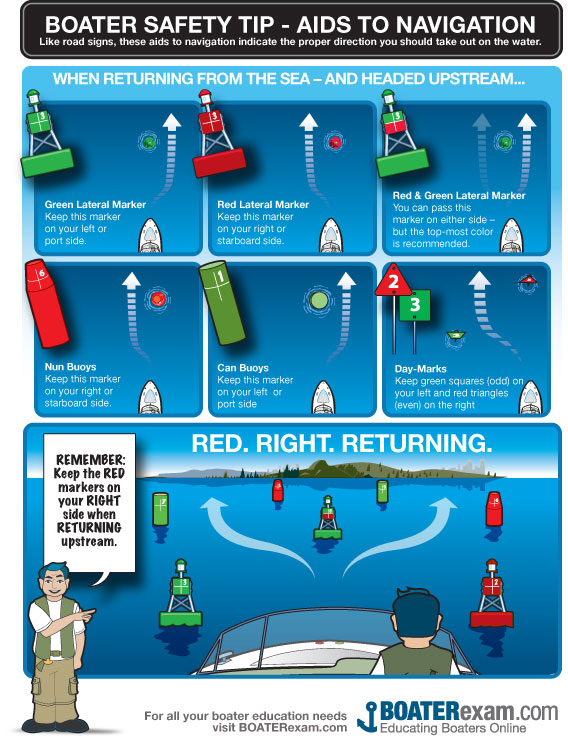
Regardless of whether you choose an online or in-person format, the content covered will be consistent. You can expect to learn about:
- Navigation Rules: Understanding aids to navigation, right-of-way rules, and safe operating practices.
- Safety Equipment: Knowledge of legally required safety gear such as life jackets, fire extinguishers, sound-producing devices, and visual distress signals.
- Emergency Procedures: What to do in case of collisions, capsizing, fire, or person overboard scenarios.
- Environmental Responsibility: Best practices for protecting Florida’s fragile marine ecosystems, including waste disposal, preventing invasive species, and avoiding sensitive areas.
- Florida Boating Laws: Specific regulations regarding PWC operation, alcohol and boating (BUI), wake zones, and accident reporting.
The final exam will test your comprehension of these topics. It’s typically a multiple-choice format, and upon passing, you will be issued your Boating Safety Education Identification Card, officially making you a certified boater in the Sunshine State.
Essential Boating Regulations Beyond the Card
While obtaining your Boating Safety Education Identification Card addresses the primary “license” question, safe and responsible boating in Florida requires adherence to several other critical regulations. These rules are designed to protect all waterway users, marine life, and the environment.
Required Safety Equipment
Every vessel operating in Florida waters must carry specific safety equipment. The exact requirements vary slightly depending on the size and type of the boat, but generally include:
- Life Jackets (PFDs): A properly fitting, Coast Guard-approved life jacket for every person on board. Children under 6 years of age must wear a PFD at all times while on a vessel under 26 feet in length, whether underway or anchored.
- Fire Extinguishers: Required for boats with enclosed fuel compartments, living spaces, or permanent fuel tanks.
- Sound-Producing Devices: A whistle, horn, or bell to signal intentions or alert others.
- Visual Distress Signals (VDS): Flares or an approved electronic VDS are required for vessels operating on coastal waters or the Great Lakes (which includes Florida’s coastal waters and interconnected waterways).
- Navigation Lights: Required for operation from sunset to sunrise and during periods of restricted visibility.
Failing to have the proper equipment can result in fines and, more importantly, compromise safety in an emergency. Always perform a pre-departure check to ensure all necessary gear is on board and in good working condition.
Navigation Rules and Right-of-Way
Understanding the rules of the road – or, in this case, the rules of the water – is paramount to preventing collisions. These “Rules of the Road” are international regulations that dictate how vessels interact. Key principles include:
- Maintaining a Proper Lookout: Always be aware of your surroundings, other vessels, and potential hazards.
- Safe Speed: Operate at a speed that allows you to take proper and effective action to avoid collision.
- Right-of-Way: Powerboats generally give way to sailboats and vessels engaged in fishing. When two powerboats are approaching head-on, both should alter course to starboard (right). When crossing, the vessel on the right has the right-of-way.
- Wake Responsibility: You are responsible for any damage or injury caused by your boat’s wake. Be mindful of no-wake zones and slow down near docks, anchored boats, and swimming areas.
These rules ensure an orderly and predictable flow of traffic on the water, similar to how traffic laws govern roads, making boating safer for everyone.
Understanding Florida’s Unique Waterways
Florida’s diverse aquatic environments demand specific considerations. For instance, the shallow, pristine waters of the Florida Keys require extreme caution to avoid damaging sensitive coral reefs and seagrass beds, often mandating slow speeds or designated channels. The vast expanse of the Everglades offers unique challenges with its intricate sawgrass marshes and designated airboat trails. Similarly, popular areas like Miami’s busy intercoastal waterways and Tampa Bay require heightened awareness due to heavy boat traffic. Boaters must also be aware of Manatee Protection Zones, where strict speed limits are enforced to protect these vulnerable marine mammals. Respecting these localized regulations and natural characteristics ensures both personal safety and environmental preservation, contributing to the sustainability of Florida’s precious aquatic resources.
Responsible Boating Practices for an Unforgettable Florida Experience
Beyond the legal requirements, practicing responsible boating ensures that your time on Florida’s waters is not only safe and legal but also sustainable and respectful of the environment and other users. Adopting these practices elevates your boating experience from mere recreation to a truly enriching engagement with the Sunshine State’s natural wonders.
Environmental Stewardship: Protecting Marine Life
Florida’s marine ecosystems are incredibly diverse and fragile, home to manatees, dolphins, sea turtles, and countless fish species. As a boater, you play a critical role in their protection:
- Reduce Speed in Designated Areas: Pay close attention to posted speed zones, particularly in manatee and sea turtle habitats. Look out for marine life and give them ample space.
- Proper Waste Disposal: Never litter. Carry trash bags and dispose of all waste responsibly on shore. Use pump-out facilities for marine sanitation devices.
- Anchor Responsibly: Anchor in sandy areas to avoid damaging coral reefs and seagrass beds. Use mooring buoys when available.
- Fuel Smart: Take precautions to prevent fuel spills when refueling.
- Prevent Invasive Species: Clean your hull and propellers thoroughly after each use, especially when moving between different bodies of water, to prevent the spread of invasive aquatic plants and animals.
By embracing these environmentally conscious practices, you contribute to preserving the beauty and biodiversity that make Florida a world-class boating destination.
Safety First: Weather Awareness and Preparedness
Florida’s weather can change rapidly, especially during the summer thunderstorm season. Prioritizing safety means being prepared for all conditions:
- Check Forecasts: Always check the marine weather forecast before heading out, and stay updated throughout your trip. Be aware of tropical storm warnings and hurricane watches.
- Know Your Limits: Do not venture out in conditions beyond your vessel’s capabilities or your own experience level.
- File a Float Plan: Inform a reliable person on shore of your itinerary, including where you are going, who is with you, and when you expect to return.
- Carry Communication Devices: Have a fully charged cell phone, and consider a marine VHF radio for emergencies, especially when venturing offshore.
- Emergency Kit: Ensure you have a well-stocked emergency kit, including first aid supplies, extra water, and tools for minor repairs.
Being prepared not only ensures your safety but also gives you peace of mind, allowing you to fully enjoy the natural splendor surrounding you.
Enjoying Florida’s Boating Culture Responsibly
Boating in Florida is more than just an activity; it’s a vibrant part of the local culture, especially in coastal cities like Fort Lauderdale, often dubbed the “Venice of America” due to its extensive canal system. It embodies a relaxed, outdoor-oriented lifestyle. To fully embrace this culture, remember to:
- Respect Other Boaters: Be courteous and considerate of other vessels, whether they are fishing, sailing, or simply enjoying the view.
- Adhere to Alcohol Laws: Boating Under the Influence (BUI) is a serious offense in Florida, with penalties as severe as those for DUI. Designate a sober operator.
- Support Local: Patronize waterfront restaurants, marinas, and bait shops, which are often cornerstones of Florida’s coastal communities.
- Share the Water: Remember that waterways are shared with kayakers, paddleboarders, swimmers, and wildlife. Give them a wide berth.
By understanding the regulations, preparing adequately, and acting as a responsible steward of Florida’s magnificent waterways, you ensure that your boating adventure is not just legally compliant, but truly unforgettable. So, whether you’re a seasoned mariner or a first-time boater, Florida’s waters await your responsible exploration.
LifeOutOfTheBox is a participant in the Amazon Services LLC Associates Program, an affiliate advertising program designed to provide a means for sites to earn advertising fees by advertising and linking to Amazon.com. Amazon, the Amazon logo, AmazonSupply, and the AmazonSupply logo are trademarks of Amazon.com, Inc. or its affiliates. As an Amazon Associate we earn affiliate commissions from qualifying purchases.