
The question “Does Florida have taxes?” might seem straightforward, but the answer is nuanced and profoundly impacts the lifestyle choices of residents and visitors alike. Often dubbed the “Sunshine State,” Florida is renowned for its beautiful beaches, vibrant culture, and world-class attractions. However, beneath the sunny exterior lies a unique tax structure that significantly shapes everything from daily expenditures to long-term financial planning, making it a crucial consideration for anyone contemplating a move, an extended stay, or even a meticulously planned vacation.
For those planning budget travel, understanding these costs is paramount to stretching every dollar. Conversely, luxury travel enthusiasts will want to be aware of how various taxes might add to the opulence of their experience, whether it’s the cost of a high-end resort or exclusive purchases. Whether you’re eyeing a permanent residence, a seasonal getaway, or a memorable family trip, a comprehensive grasp of Florida’s tax landscape is essential for optimizing your financial lifestyle within this popular state.

The Sunshine State’s Tax Landscape: An Overview for Visitors and Residents
Florida’s tax system stands out among U.S. states, particularly due to one significant omission. This unique approach influences the state’s economy, property markets, and the overall cost of living and visiting. Understanding these foundational elements is the first step toward navigating your financial journey in Florida.
No State Income Tax: A Major Draw
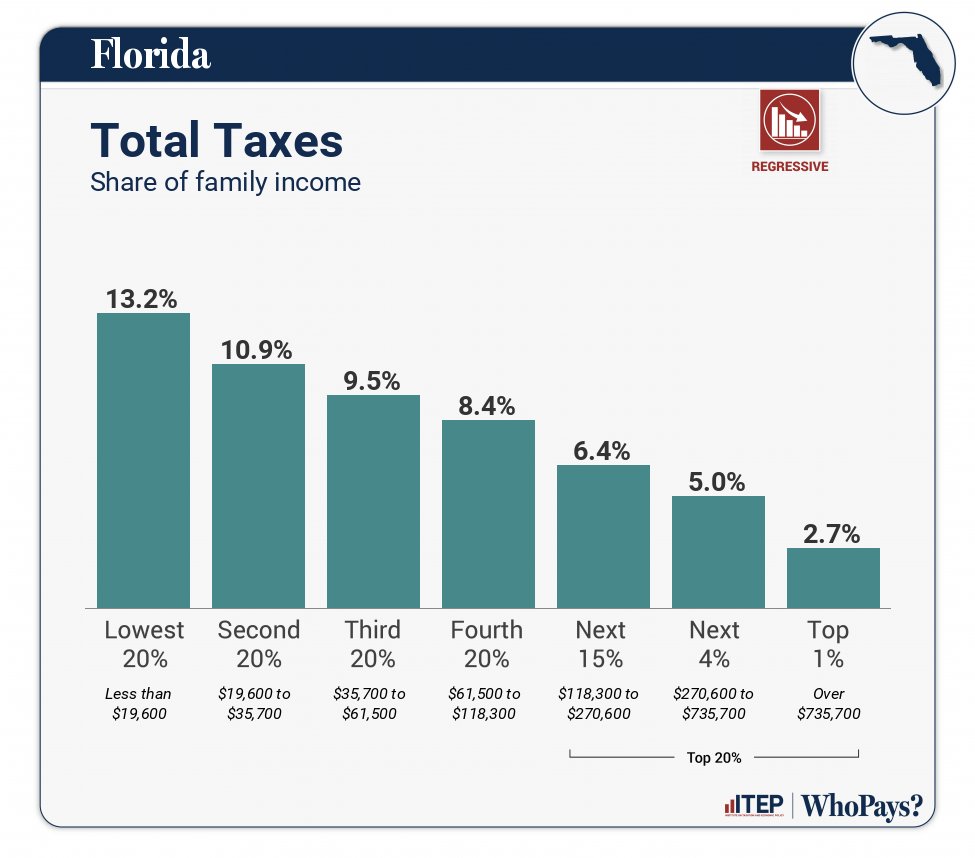
Perhaps the most celebrated aspect of Florida’s tax structure is the absence of a state income tax. This means that residents do not pay state taxes on their wages, salaries, or other forms of personal income. This feature makes Florida an incredibly attractive destination for retirees, high-income earners, and businesses looking to minimize their tax burden. For those considering relocation or a long-term stay, the financial benefit of retaining a larger portion of one’s earnings is a significant factor, potentially freeing up funds for luxury experiences, investments, or simply enhancing everyday lifestyle. This policy choice has been instrumental in driving population growth and economic development, drawing individuals and corporations from states with higher tax liabilities.
Understanding Florida’s Revenue Sources
While the absence of a state income tax is a major draw, it doesn’t mean Florida is tax-free. The state government must generate revenue to fund its public services, infrastructure, and diverse programs. To compensate for the lack of income tax, Florida relies heavily on other forms of taxation. The primary revenue drivers are sales tax, property taxes, and a variety of fees and excise taxes. This reliance shifts the tax burden more towards consumption and property ownership, which has distinct implications for different demographics. Tourists, for instance, primarily contribute through sales and accommodation taxes, while residents, especially homeowners, bear the brunt of property taxes in addition to sales taxes. This balanced approach aims to distribute the financial responsibility, but understanding where the money comes from helps to demystify your personal financial contributions to the state.
Navigating Sales Tax: What You’ll Pay in Florida
Sales tax is a ubiquitous part of consumer life in Florida, impacting virtually every purchase, from a souvenir for a family trip to a high-end designer item for a luxury travel experience. As a primary revenue source, it’s crucial for both visitors and residents to understand how it’s applied.
Standard Sales Tax Rates and Exemptions
The statewide sales tax rate in Florida is 6%. This rate applies to the sale of most tangible personal property and certain services. When you buy groceries, for example, most food items are exempt from sales tax. However, prepared meals, sodas, and candy are typically taxed. Similarly, over-the-counter medications are often exempt, while cosmetics and toiletries are not. For budget travelers, being mindful of these exemptions can lead to savings on everyday necessities. For those enjoying luxury travel, while the 6% might seem small, it can add up quickly on high-value purchases like art, jewelry, or premium apparel, significantly affecting the total cost of your extravagant finds in cities like Miami or Palm Beach.
Local Option Sales Taxes: Varying Costs Across Counties
Adding another layer of complexity, many Florida counties impose their own local option sales taxes, often referred to as discretionary sales surtaxes. These county-level taxes are added on top of the state’s 6% rate. The combined sales tax rate can therefore vary significantly across the state, ranging from 6% in some counties to 8.5% in others. For instance, a purchase made in Orlando might have a higher combined sales tax rate than one made in a less populous county. This variation is particularly important for those planning road trips or extensive travel within the state, as the cost of goods and services can subtly change from one region to another. Checking the local tax rate for areas like Miami-Dade County, Hillsborough County (home to Tampa), or Orange County (home to Orlando’s theme parks) before making significant purchases can help in accurate budgeting.
Impact on Everyday Purchases and Luxury Goods
The sales tax significantly impacts both budget and luxury lifestyles. For a budget-conscious family trip, every dollar counts, and cumulative sales tax on meals out, souvenirs from Disney World or Universal Studios, and other incidental purchases can add up. Understanding where to buy tax-exempt groceries versus prepared foods can make a noticeable difference. On the other end of the spectrum, luxury travelers engaging in high-end shopping on South Beach in Miami or the boutiques of Naples will find that the sales tax, even at a few percentage points, translates into hundreds or even thousands of dollars on expensive items. This makes anticipating the total cost essential for managing a luxury budget and making informed purchasing decisions while enjoying the finer things Florida has to offer.
Accommodation Taxes: The Cost of Your Stay in Paradise
For anyone visiting Florida, whether for a brief vacation or an extended stay, accommodation taxes are an unavoidable part of the cost. These taxes, specifically designed for transient lodging, contribute significantly to local economies and affect everything from a simple motel stay to a lavish resort experience.
Tourist Development Tax (TDT) Explained
One of the most prominent accommodation taxes in Florida is the Tourist Development Tax (TDT), also known as the “resort tax,” “bed tax,” or “tourist tax.” This tax is levied on the rental of transient accommodations for six months or less, including hotels, motels, vacation rentals, and even some campgrounds. The TDT rate is set at the county level and can vary from 1% to 6% or more of the rental charge. The revenue generated from TDT is specifically earmarked for tourism-related initiatives, such as promoting tourism, funding convention centers, supporting cultural facilities, and maintaining beaches. This means that when you pay TDT on your stay in Orlando, part of that money helps fund marketing campaigns for Disney World, or in Sarasota, it might go towards beach renourishment projects on the Gulf Coast.
How Accommodation Taxes Affect Your Budget Travel or Luxury Stay
For budget travelers, accommodation taxes can represent a significant percentage of their total lodging cost, especially for shorter stays. A $100-a-night hotel room might become $110-$115 with state sales tax and TDT combined, adding up over several nights. When planning a family trip, factoring these additional percentages into your nightly rate from the outset is crucial to avoid budget overruns. For luxury travelers, while the percentage might seem small relative to the high cost of a suite in a Fort Lauderdale resort or a private villa in Key West, the actual dollar amount can be substantial. A $1,000-a-night luxury stay could incur an additional $100-$150 or more per night in combined taxes and fees, significantly increasing the overall expenditure for a week-long opulent escape. Always look for the “total price” when booking to understand the complete financial commitment.
Short-Term Rental Regulations and Taxes
The rise of platforms like Airbnb and VRBO has made short-term rentals incredibly popular for both budget and luxury travelers. However, these rentals are subject to the same state sales tax and county TDT as traditional hotels. Additionally, some cities or counties may have specific licensing requirements or additional local taxes for short-term rentals. For example, popular tourist destinations such as Miami Beach or St. Petersburg often have stricter regulations and higher tax rates on these types of properties. Hosts are generally responsible for collecting and remitting these taxes, but it’s always wise for renters to confirm that these taxes are included in their quoted price to avoid surprises. Understanding these regulations is vital, whether you’re a property owner looking to capitalize on Florida’s tourism boom or a traveler seeking unique accommodation options.
Beyond Sales and Stays: Other Taxes Impacting Your Florida Lifestyle
While sales and accommodation taxes are the most immediate concerns for visitors, a broader array of taxes impacts residents and those considering a more permanent or extended Florida lifestyle. These taxes contribute to the overall cost of living and can influence long-term financial planning.
Property Taxes: A Consideration for Homeowners and Investors
Property taxes are a significant component of the financial landscape for homeowners and real estate investors in Florida. These taxes are levied by local governments (counties, cities, school districts) and fund essential local services like schools, police, fire departments, and local infrastructure. The amount of property tax is based on the assessed value of the property and the combined millage rates of the various taxing authorities. Property values, and therefore taxes, can vary dramatically across the state, with highly desirable areas like Miami, Sarasota, or Jacksonville often having higher property tax bills.
However, Florida offers several property tax benefits, most notably the Homestead Exemption. This exemption reduces the taxable value of a primary residence by up to $50,000, offering substantial savings to permanent residents. Additionally, the “Save Our Homes” amendment caps annual increases in assessed value for homesteaded properties at 3% or the Consumer Price Index, whichever is lower, providing long-term predictability. For those considering a luxury lifestyle through homeownership, or budget travel through purchasing a vacation home, understanding these nuances is crucial for accurate financial forecasting.
Gas Taxes and Vehicle-Related Costs
Anyone driving in Florida will encounter gas taxes, which are included in the pump price of gasoline and diesel fuel. These taxes, levied at both state and federal levels, primarily fund road construction and maintenance. While not a direct “tax” you see itemized, it’s an embedded cost that impacts personal transportation budgets. For those on extended family trips or business stays requiring significant driving, these costs can add up. Beyond gas taxes, vehicle registration fees and license plate renewals are annual expenses for car owners, contributing to the overall cost of maintaining a vehicle and participating in the Florida lifestyle. These fees vary based on vehicle weight and type, and they are essential to consider for long-term residents or those contemplating purchasing a car in the state.
Business Taxes and Professional Services
For entrepreneurs, small business owners, or professionals considering a move or expanding operations into Florida, understanding business-related taxes is paramount. While there’s no state corporate income tax on individuals, corporations operating in Florida are subject to a corporate income tax. Furthermore, businesses that provide services rather than tangible goods may be subject to sales tax on certain services. Specific industries, such as insurance, utilities, and communications, have their own sets of regulatory fees and taxes. Even professionals offering services might be subject to various licensing fees. For business owners aiming for a luxurious entrepreneurial lifestyle or seeking cost-effective locations for business stays, these details are critical for compliance and financial planning.
Strategic Planning: Optimizing Your Financial Lifestyle in Florida
Effectively managing your finances in Florida requires a strategic approach, whether you’re a transient visitor or a permanent resident. Understanding how to leverage the state’s unique tax structure can significantly enhance your budget travel endeavors, elevate your luxury experiences, and secure your long-term financial well-being.
Budgeting for the Florida Experience
For those embarking on budget travel, meticulous planning is key. Start by researching the combined sales tax rate for your specific destination, as it can vary. Factor in accommodation taxes when booking, always looking at the total price. Consider self-catering some meals by purchasing tax-exempt groceries to save on dining out, especially for family trips. Seek out attractions that are free or low-cost, like Florida’s beautiful state parks or public beaches. Utilizing public transportation in urban centers like Miami or Orlando can also help reduce gas and parking costs. By being savvy about where and how you spend, you can significantly stretch your budget and enjoy the Florida experience without breaking the bank.
Financial Advantages for Residents
Florida’s tax structure offers clear financial advantages for those who establish permanent residency. The absence of state income tax allows individuals to retain a larger portion of their earnings, which can be reinvested, saved, or used to fund a desired lifestyle. Homeowners can benefit from the Homestead Exemption and “Save Our Homes” amendment, leading to lower and more predictable property tax burdens over time. Furthermore, Florida has no state estate tax or inheritance tax, which can be a significant draw for individuals focused on estate planning. These benefits, combined with the state’s favorable climate and amenities, make Florida a popular choice for retirees and those seeking a financially optimized lifestyle, allowing them to enjoy luxury travel experiences or secure their financial future more effectively.

Maximizing Value for Tourists and Temporary Visitors
Even without the full benefits of residency, tourists and temporary visitors can maximize their value by being informed. When planning luxury travel, factor in all taxes, including sales and TDT, into your high-end purchases and accommodation choices to avoid surprises. Consider timing your visits during off-peak seasons when accommodation prices might be lower, indirectly reducing the impact of percentage-based taxes. For business stays, understanding which expenses are tax-deductible can also be beneficial. By researching local tax rates for specific areas like Tampa, Fort Lauderdale, or St. Petersburg and budgeting accordingly, visitors can ensure their Florida experience, whether it’s a quick getaway or an extended working trip, is as financially smooth and enjoyable as possible.
LifeOutOfTheBox is a participant in the Amazon Services LLC Associates Program, an affiliate advertising program designed to provide a means for sites to earn advertising fees by advertising and linking to Amazon.com. Amazon, the Amazon logo, AmazonSupply, and the AmazonSupply logo are trademarks of Amazon.com, Inc. or its affiliates. As an Amazon Associate we earn affiliate commissions from qualifying purchases.