
Planning a trip to the Sunshine State often conjures images of pristine beaches, vibrant cities, and thrilling theme parks. Travelers envision warm breezes, refreshing swims, and unforgettable adventures, perhaps exploring the wild beauty of the Everglades or hiking through state parks. However, a common query that arises for those venturing into Florida’s diverse natural landscapes is: “Does Florida have ticks?” The concise answer is an unequivocal yes. As a sub-tropical paradise brimming with wildlife and lush vegetation, Florida provides an ideal habitat for various tick species. Understanding the presence of these small arachnids and, more importantly, how to prevent encounters and manage bites, is a crucial part of responsible travel planning for any visitor intending to explore beyond the manicured resorts and cityscapes.

This guide aims to provide comprehensive insights for travelers, equipping them with the knowledge to enjoy Florida’s natural wonders safely and with peace of mind. From identifying common species to implementing effective prevention strategies, being informed is your best defense against these tiny hitchhikers that can pose a minor nuisance or, in some cases, a health risk.
The Truth About Ticks in the Sunshine State
Florida’s unique geography, characterized by its warm, humid climate and expansive natural areas, creates a perfect breeding ground for ticks. These resilient creatures thrive in environments with ample vegetation and host animals, both of which are abundant across the state. For travelers, this means that while lounging on the shores of Miami Beach or strolling through Walt Disney World may pose little risk, venturing into more natural settings like forests, grasslands, or even overgrown suburban areas significantly increases the potential for tick exposure.
A Common Concern for Florida Travelers
Tick concerns are not unique to Florida, but they are particularly relevant here due to the year-round warm temperatures that allow ticks to remain active for longer periods compared to colder climates. This extended activity window means that regardless of whether you visit in the peak of summer or the cooler winter months, tick precautions remain advisable, especially if your travel itinerary includes outdoor activities. Hikers, campers, bird watchers, and even those enjoying a picnic in a park could potentially encounter ticks. The key is not to let this deter you from experiencing Florida’s natural beauty, but rather to approach it with preparedness and awareness. Understanding the habitats and behaviors of ticks empowers travelers to minimize risk without sacrificing adventure.
Florida’s Diverse Ecosystems and Tick Habitats
From the swampy marshes of the Everglades National Park to the pine forests of the panhandle and the dense scrubland found throughout the peninsula, Florida boasts a wide array of ecosystems. Each of these diverse environments supports various forms of wildlife, including the mammals and birds that serve as primary hosts for ticks. Ticks typically lie in wait on tall grasses, shrubs, and leaf litter, patiently waiting for a host to brush by. They do not jump or fly; instead, they crawl onto passing animals or humans. Therefore, any activity that brings travelers into contact with such vegetation—be it a nature walk near Orlando, exploring the coastal hammocks of the Florida Keys, or camping in a state forest—presents an opportunity for a tick to attach. Knowing where ticks typically reside is the first step in avoiding them.
Common Tick Species Encountered by Travelers in Florida
Several species of ticks call Florida home, each with distinct characteristics and potential health implications. While not all tick bites lead to disease, some species are vectors for pathogens that can cause illnesses. For travelers, familiarity with the most common types found in Florida can help in identification and prompt action if a bite occurs.
The Lone Star Tick (Amblyomma americanum)
Easily recognizable by the single white spot on the adult female’s back, the Lone Star Tick is aggressive and common throughout the southeastern United States, including much of Florida. It’s frequently found in wooded areas with dense underbrush and open grasslands. Bites from Lone Star Ticks can be painful and are associated with a rash, but more significantly, they are known to transmit diseases such as ehrlichiosis and southern tick-associated rash illness (STARI). Recent research has also linked their bites to Alpha-gal syndrome, an allergy to red meat.
The Deer Tick (Ixodes scapularis) – A.K.A. Blacklegged Tick
While more prevalent in the northeastern and upper midwestern United States, the Deer Tick (also known as the Blacklegged Tick) is also found in localized populations in Florida, particularly in forested areas. This tick is notorious for being the primary vector of Lyme disease, a serious tick-borne illness. It is much smaller than the Lone Star Tick, making it harder to spot, especially in its nymph stage. Travelers exploring deeper wooded areas should be particularly vigilant for this species.
The Dog Tick (Dermacentor variabilis) – A.K.A. American Dog Tick
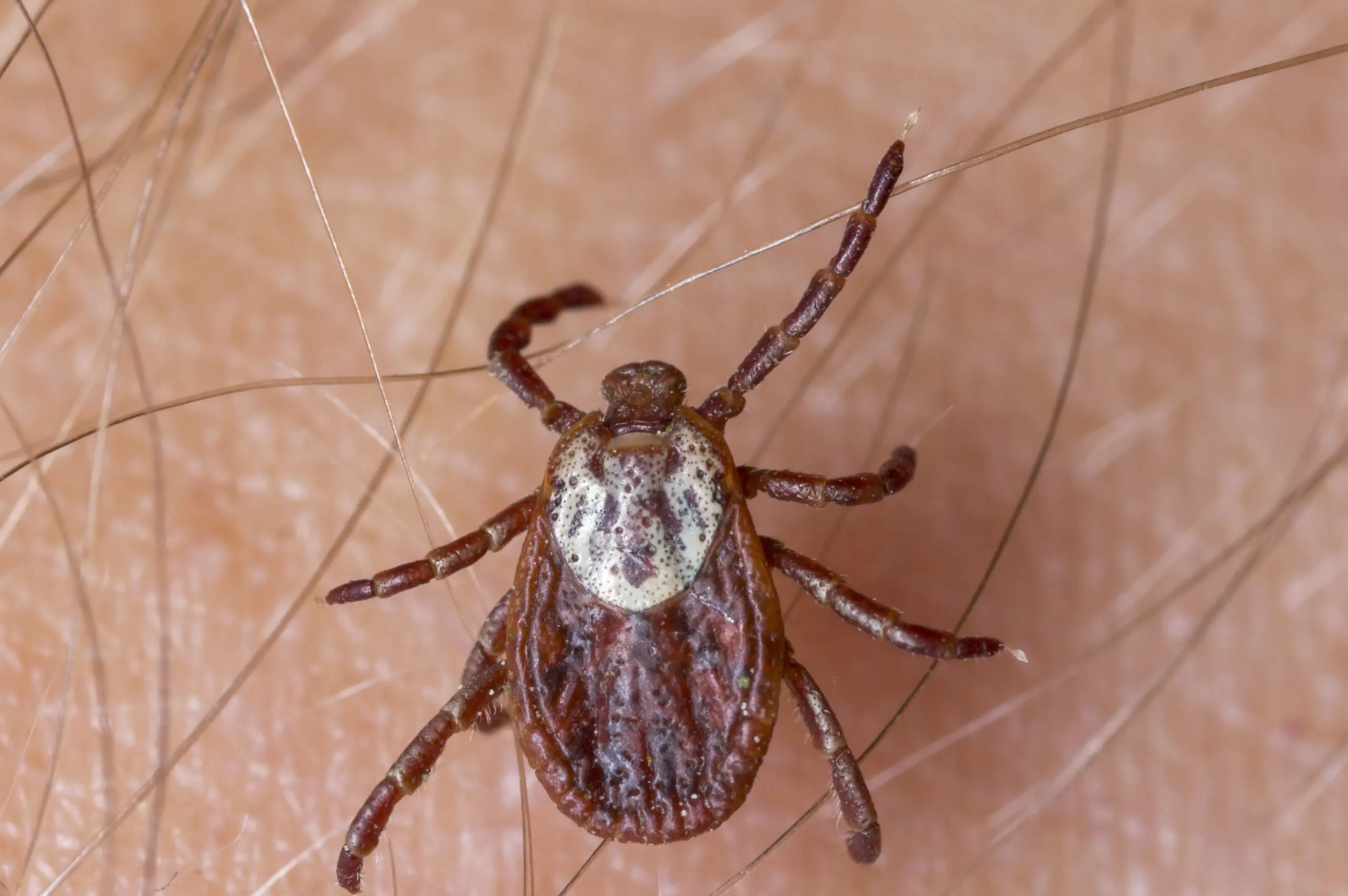
Commonly referred to as the American Dog Tick, this species is widespread across Florida and often found in grassy, shrubby, or wooded areas, as well as along trails and roadsides. While its primary host is dogs, it readily bites humans. The American Dog Tick is a known carrier of Rocky Mountain spotted fever and tularemia. It is larger than the Deer Tick and can be distinguished by its ornate markings.
The Brown Dog Tick (Rhipicephalus sanguineus)
Unique among the common tick species, the Brown Dog Tick prefers to live and feed on dogs, but it can also infest homes and kennels, and may bite humans, especially if its preferred canine hosts are unavailable. While less common in natural outdoor settings compared to the other species, travelers with pets should be aware of this tick, as it can be found in urban and suburban environments, including vacation rentals or even hotels if previous guests had infested pets. It is a vector for Rocky Mountain spotted fever and ehrlichiosis in dogs, and less commonly in humans.
Essential Tick Prevention Strategies for Your Florida Adventure
Prevention is paramount when traveling to areas where ticks are prevalent. By adopting a few simple yet effective strategies, travelers can significantly reduce their risk of tick bites and enjoy Florida’s natural beauty worry-free. These measures are especially critical for anyone planning to hike, camp, fish, or explore wildlife refuges, from the Florida Panhandle down to Key West.

Dressing for Protection in Florida’s Outdoors
When embarking on outdoor excursions, choosing the right attire can make a substantial difference. Opt for light-colored clothing, which makes it easier to spot ticks crawling on you. Long-sleeved shirts and long pants are highly recommended, especially when traversing through tall grass or dense vegetation. Tucking your pants into your socks or boots creates a barrier, preventing ticks from crawling up your legs. While Florida’s heat might make this seem uncomfortable, lightweight, breathable fabrics can help manage the temperature while still offering protection. Consider treating outdoor clothing with permethrin, an insecticide that kills ticks on contact and can remain effective through several washes. Do not apply permethrin directly to skin.
Effective Repellents and Their Application
Insect repellents are a vital tool in your tick prevention arsenal. Products containing DEET, picaridin, IR3535, oil of lemon eucalyptus (OLE), or para-menthane-diol (PMD) are recommended by the CDC (Centers for Disease Control and Prevention). Always follow the product label instructions for safe and effective application. Apply repellent generously to exposed skin and clothing, paying particular attention to ankles, wrists, and the back of your neck. Reapply as directed, especially after swimming or sweating heavily, which is common in Florida’s climate. For children, consult a pediatrician before using repellents and ensure they are applied by an adult, avoiding hands, eyes, and mouth.
Post-Activity Checks: Your First Line of Defense
After spending time outdoors, conducting a thorough tick check is perhaps the most crucial preventative step. Ticks can be tiny, especially in their nymph stage, making them difficult to spot. Examine all parts of your body, paying close attention to areas where ticks often hide: under the arms, in and around the ears, inside the belly button, behind the knees, between the legs, around the waist, and especially in your hair and scalp. A mirror can be helpful for hard-to-see areas. Showering within two hours of coming indoors can also help wash off unattached ticks. Remember to check your gear and pets if they accompanied you on your adventure, as ticks can hitch a ride on them and later transfer to you.
Staying on Trails and Avoiding Dense Vegetation
When exploring Florida’s beautiful parks and natural areas, sticking to designated trails is not only good for conservation but also a smart tick prevention strategy. Ticks are most often found in tall grasses, leaf litter, and dense shrubbery bordering trails, not usually in the middle of well-maintained paths. By staying on cleared paths, you significantly reduce your direct contact with tick habitats. Avoid walking through overgrown areas, brushing against low-hanging branches, or sitting directly on the ground in wooded or grassy spots. If you must venture off-trail, double down on clothing protection and repellent.
What to Do If You Find a Tick While Traveling in Florida
Despite the best preventative measures, finding a tick attached to your skin can happen. The key is to remain calm, remove it safely and promptly, and monitor for any potential symptoms. Speed is of the essence, as the risk of disease transmission generally increases the longer a tick is attached.
Safe Tick Removal Techniques for Travelers
If you discover an attached tick, remove it as soon as possible using fine-tipped tweezers. Grasp the tick as close to the skin’s surface as possible. Pull upward with steady, even pressure. Avoid twisting or jerking the tick, as this can cause the mouthparts to break off and remain in the skin. Do not crush the tick’s body. After removal, clean the bite area and your hands thoroughly with rubbing alcohol or soap and water. Dispose of a live tick by putting it in alcohol, placing it in a sealed bag or container, wrapping it tightly in tape, or flushing it down the toilet. Do not use methods like petroleum jelly, nail polish, or heat to remove a tick, as these can irritate the tick and cause it to regurgitate into the wound, increasing the risk of disease.
Recognizing Symptoms of Tick-Borne Illnesses
Following a tick bite, it’s crucial to monitor your health for several weeks. Be vigilant for any unusual symptoms, especially if you have been bitten by a tick known to carry diseases. Common symptoms of tick-borne illnesses can include fever, chills, headache, muscle aches, and fatigue. Some diseases, like Lyme disease, may also present with a characteristic rash (e.g., a “bull’s-eye” rash). Keep a record of the bite, including the date and the estimated duration the tick was attached. If you develop any symptoms, seek medical attention immediately and inform your healthcare provider about the tick bite and your recent travel to Florida.
Seeking Medical Advice in Florida
Should you experience symptoms or have concerns about a tick bite during your travels, Florida has an extensive network of medical facilities. Urgent care centers are widely available in cities like Tampa, Jacksonville, and Fort Lauderdale, and can provide prompt evaluation. It’s always advisable to carry your travel insurance details and a list of any known allergies or medical conditions. Don’t hesitate to seek professional medical advice; early diagnosis and treatment can prevent more severe complications from tick-borne diseases.
Exploring Florida Safely: Enjoying Nature Responsibly
Florida’s natural landscapes offer unparalleled opportunities for exploration and relaxation, from tranquil hikes in state parks to exhilarating airboat rides through the wetlands. The presence of ticks is simply a part of the natural environment, not a reason to avoid these experiences. By adopting a proactive and informed approach, travelers can significantly mitigate the risks associated with tick encounters.
Beyond Ticks: Other Wildlife Considerations
While ticks are a focus for health and safety, remember that Florida’s wilderness is home to other creatures that warrant respect and caution. Alligators, snakes, mosquitoes, and stinging insects are also part of the ecosystem. Staying on marked trails, observing wildlife from a safe distance, and being aware of your surroundings are general rules for safe outdoor enjoyment in any wild setting. Mosquito repellents, for instance, often also deter ticks, offering dual protection.
Peace of Mind for Your Florida Getaway
Ultimately, being prepared transforms potential worries into manageable considerations. With proper planning—including appropriate clothing, effective repellents, and diligent post-activity checks—you can confidently immerse yourself in the natural beauty and diverse experiences that Florida has to offer. Don’t let the thought of ticks overshadow the wonders of the Sunshine State. Instead, arm yourself with knowledge, practice prevention, and enjoy a safe, memorable, and adventurous trip to Florida’s breathtaking outdoors.
LifeOutOfTheBox is a participant in the Amazon Services LLC Associates Program, an affiliate advertising program designed to provide a means for sites to earn advertising fees by advertising and linking to Amazon.com. Amazon, the Amazon logo, AmazonSupply, and the AmazonSupply logo are trademarks of Amazon.com, Inc. or its affiliates. As an Amazon Associate we earn affiliate commissions from qualifying purchases.