
When considering a move, an extended stay, or even just planning a significant visit to a new locale, understanding the financial landscape is paramount. Taxes, often an overlooked aspect, profoundly shape the quality of life, economic opportunities, and overall lifestyle one can achieve in a particular region. For those eyeing the Sunshine State, a common and critical question arises: “Does Florida pay state taxes?” The answer, as well as its implications, delves deep into the very fabric of the Florida lifestyle, influencing everything from daily budgeting to long-term financial planning for residents, businesses, and tourists alike.
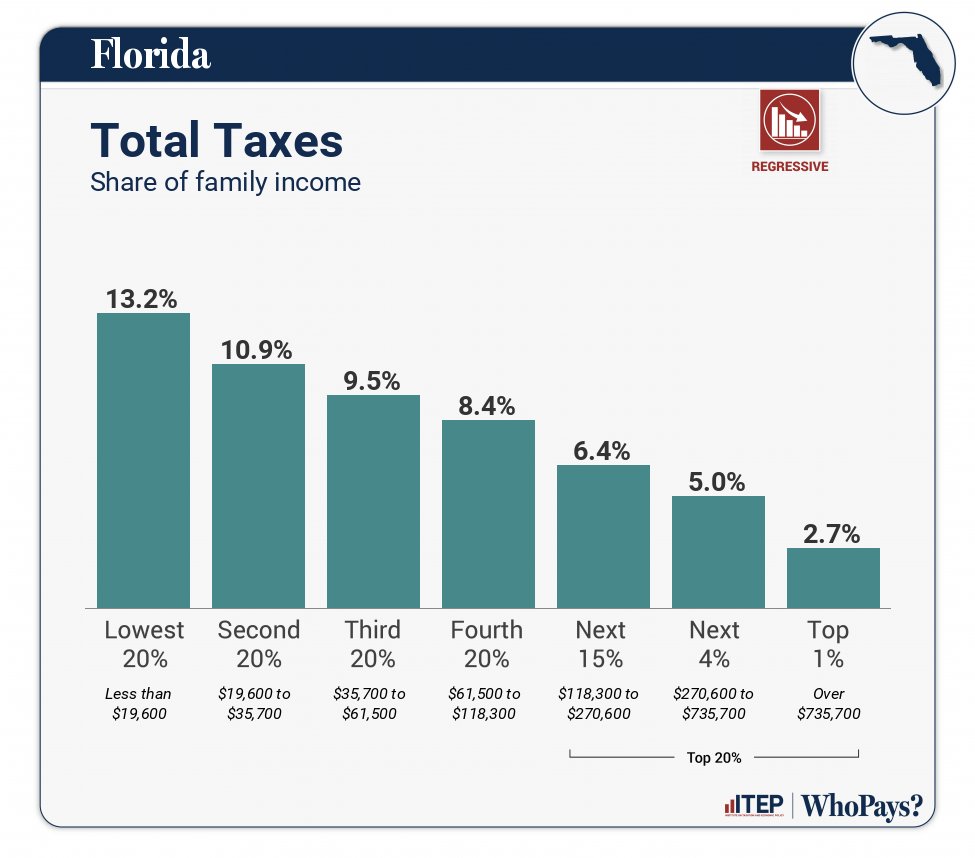
Florida’s unique tax structure is a major draw for many, contributing significantly to its reputation as an attractive destination for retirees, entrepreneurs, and families seeking a specific quality of life. This article will explore the nuances of Florida’s tax environment, demonstrating how its approach to state taxation creates a distinct lifestyle proposition that sets it apart from many other U.S. states.
The Sunshine State’s Tax Landscape: An Overview
At the heart of Florida’s financial appeal lies a fundamental characteristic that often surprises newcomers. Unlike the majority of U.S. states, Florida has forged a path built on alternative revenue generation, significantly impacting the disposable income and economic freedom of its inhabitants.
Dispelling the Myth: No State Income Tax
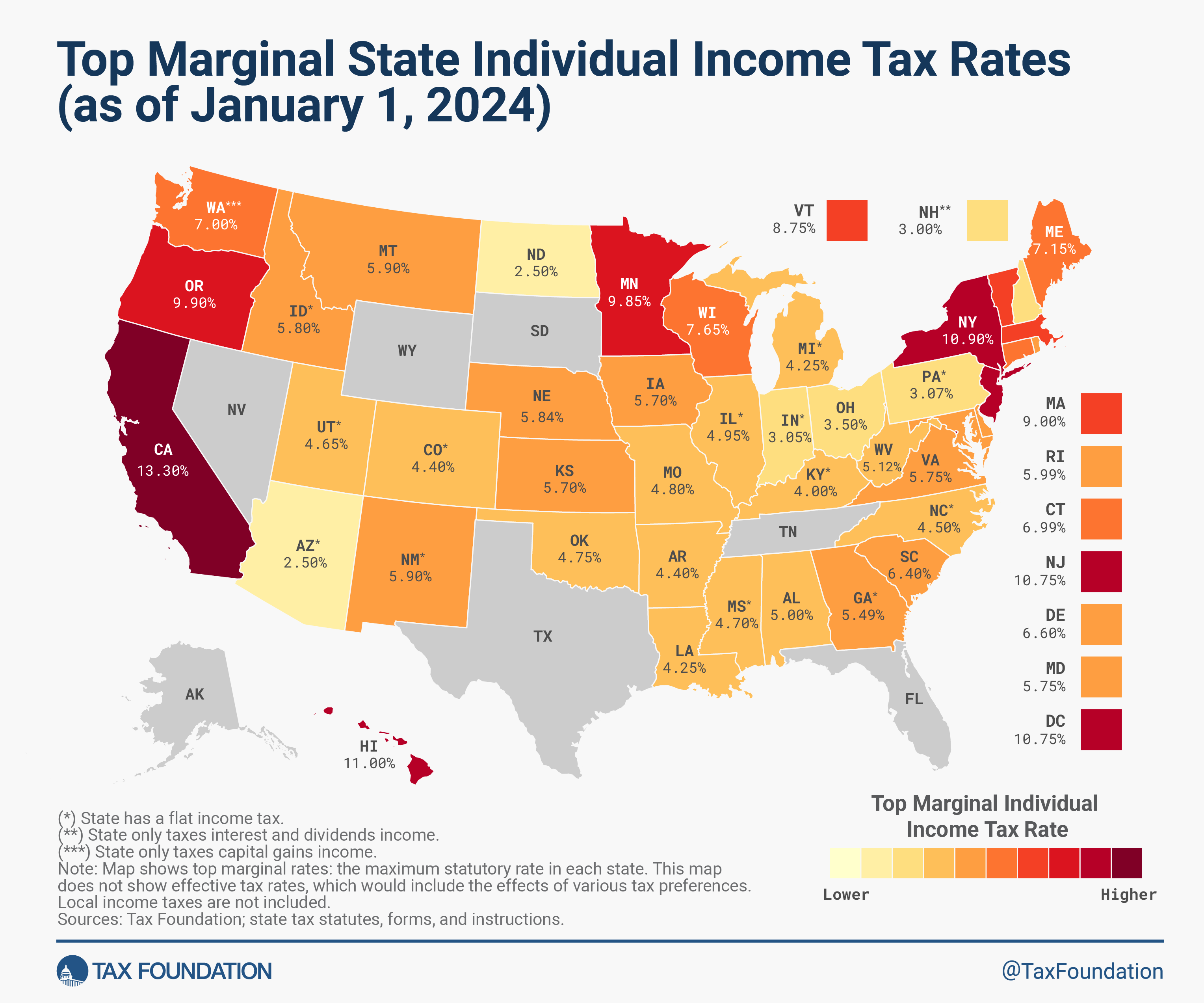
To directly answer the titular question: No, Florida does not have a state income tax. This is perhaps the most significant financial advantage the state offers, and it’s a cornerstone of the Florida lifestyle. For individuals, this means that wages, salaries, and personal investment income are not subject to a separate state-level levy. What you earn, after federal taxes, largely stays in your pocket, providing residents with potentially more disposable income compared to those living in states with a state income tax. This fiscal policy directly translates into a different economic reality, influencing everything from savings rates to discretionary spending, which, in turn, shapes the daily lives and long-term financial health of its population. The absence of this tax fosters an environment where personal wealth accumulation can be more efficient, making it particularly appealing for high-income earners and those focused on building substantial retirement funds.
Understanding Florida’s Other Revenue Streams
While the lack of a state income tax is a huge draw, Florida is far from a tax-free haven. The state must fund its extensive public services, infrastructure, and growing population through other means. Understanding these alternative revenue streams is crucial for anyone seeking to embrace the Florida lifestyle, as they directly impact the cost of living and doing business.
The primary revenue generators include:
- Sales Tax: Florida levies a statewide sales tax of 6% on most goods and services. Local counties can impose additional sales taxes, often bringing the total to 7% or 7.5% in many areas, such as Miami-Dade County or Orange County, home to Orlando. This tax is pervasive, affecting nearly every purchase from groceries (excluding certain staples) to restaurant meals, retail items, and even services. For residents, this means a portion of their spending contributes to state coffers, a trade-off for the lack of income tax. For visitors, it’s an important factor in vacation budgeting.
- Property Tax: Property taxes are a significant source of local government funding in Florida. These taxes are assessed by counties and municipalities based on the appraised value of real estate. While there’s no state property tax, local rates can be substantial, especially in desirable areas. The Homestead Exemption offers some relief for permanent residents on their primary residences, reducing the taxable value of their homes. This tax is a major consideration for homeowners and can significantly impact the long-term cost of living, particularly for those looking to enjoy the beachfront properties of the Florida Keys or the urban luxury of Miami.
- Corporate Income Tax: While individuals escape state income tax, businesses operating in Florida are subject to a corporate income tax. The rate is currently 5.5% on net income, though certain exemptions and credits may apply. This tax influences the operational costs for companies and, consequently, their pricing strategies and the wages they can afford to pay, indirectly affecting the economic lifestyle of employees.
- Tourist Development Tax (Resort Tax): Often referred to as a “bed tax,” this tax is levied on short-term rentals, including hotels, motels, and vacation rentals. It’s collected by counties and is a significant revenue source for tourism promotion and infrastructure development. Rates vary by county, but can range from 2% to 6%. This directly impacts the cost of leisure and business travel, making it a critical budgeting component for tourists exploring destinations like Tampa, Orlando, or Fort Lauderdale.
Lifestyle Implications for Florida Residents
The unique tax framework in Florida profoundly shapes the daily lives, financial prospects, and overall lifestyle of its residents. It’s not just about avoiding a certain tax; it’s about the broader economic environment it cultivates.
Boosted Disposable Income and Cost of Living
Without a state income tax, Florida residents often enjoy a higher net income compared to individuals earning the same gross salary in states with income taxes. This increased disposable income can translate into a better quality of life, allowing for more savings, greater investment opportunities, or increased spending on leisure, recreation, and cultural experiences. This factor is particularly attractive to working professionals and families, as it can ease financial burdens and enhance purchasing power. However, residents must balance this with the sales tax on goods and services, and the property tax burden. The cost of living in Florida varies significantly by region, with major metropolitan areas like Miami, Fort Lauderdale, and Orlando generally having higher housing costs, but the income tax advantage helps offset some of these expenses.
Retirement and Relocation Appeal
Florida’s tax structure is a huge magnet for retirees. For individuals living on fixed incomes, pensions, or investment portfolios, the absence of a state income tax means that these sources of income are not further eroded by state taxation. This can significantly extend the longevity of retirement savings and enhance financial security, enabling a more comfortable and active lifestyle. Furthermore, Florida does not have an inheritance tax or estate tax, which is another draw for those planning their legacies. This combination of factors has made Florida a top destination for retirees seeking sunshine, a vibrant community, and financial peace of mind, contributing to the state’s large and active senior population. Cities like Sarasota, Naples, and The Villages exemplify this lifestyle choice.
Property Ownership and its Tax Realities
For many, the Florida dream involves owning a piece of its paradise. Whether it’s a bustling city apartment in Jacksonville, a family home near Walt Disney World Resort in Kissimmee, or a coastal retreat, property taxes are an inescapable part of the equation. While the Homestead Exemption provides a valuable reduction in taxable value for primary residences, property taxes can still be substantial, particularly in high-demand areas or for luxury properties. The lifestyle of a Florida homeowner thus involves careful budgeting for these annual levies, which are a direct contribution to local services like schools, police, and fire departments. Prospective residents need to research local tax rates and property values to accurately gauge the true cost of homeownership and ensure it aligns with their desired lifestyle and financial capacity.
Navigating Taxes as a Visitor or Tourist

The Florida lifestyle isn’t just for residents; it’s also experienced by millions of tourists each year. While visitors aren’t subject to income or property taxes, the state’s other revenue streams directly impact their vacation budgets and overall travel experience.
Sales Tax: What Travelers Should Know
As mentioned, Florida’s sales tax applies to most goods and services. For tourists, this means that virtually every purchase, from souvenirs at a gift shop in St. Augustine to a meal at a Miami Beach restaurant, will include an additional percentage. While individual transactions might seem small, these taxes can add up over the course of a trip, especially for families or those planning extensive shopping excursions. Budgeting for an extra 6-7.5% on spending is a practical step to avoid unexpected costs and maintain a smooth travel lifestyle.
Tourist Development Taxes and Their Impact
The “bed tax” or tourist development tax is a critical consideration for any traveler. When booking a hotel room in Orlando, a vacation rental in Destin, or a resort stay in Key West, this additional percentage will be added to the nightly rate. These funds are often reinvested into promoting tourism, maintaining attractions, and improving infrastructure, indirectly enhancing the visitor experience. However, for the traveler, it means higher accommodation costs. Being aware of these taxes allows visitors to accurately estimate their lodging expenses and ensures their desired vacation lifestyle remains within budget, whether they’re planning a thrilling visit to Universal Studios Florida or a relaxing retreat in the Everglades National Park area.
Budgeting for Your Florida Getaway
Effective budgeting is key to enjoying the Florida lifestyle as a tourist. Beyond flight and accommodation, visitors should factor in sales tax on shopping, dining, and attractions, as well as tourist development taxes on lodging. Understanding these levies ensures that a trip to Florida’s famed beaches, theme parks, or cultural sites remains enjoyable and free from financial surprises. A well-planned budget, inclusive of these taxes, allows for a more relaxed and fulfilling travel experience, whether one is exploring the historic streets of Pensacola or enjoying the vibrant nightlife of South Beach.
Business and Economic Lifestyle: Fueling Growth
Florida’s tax environment extends its influence beyond individual residents and tourists, significantly shaping the business landscape and the entrepreneurial lifestyle within the state.
Corporate Tax Environment and Entrepreneurship
The absence of a state personal income tax is a huge draw for entrepreneurs and business owners, especially those structured as S corporations, partnerships, or sole proprietorships, where business profits often pass through to the owner’s personal income. This can mean higher take-home pay for business owners, fostering a more attractive environment for starting and growing businesses. While large corporations pay a state corporate income tax, the rate is often seen as competitive, especially when weighed against the overall pro-business climate, including minimal regulatory hurdles and a large consumer base. This makes Florida an appealing state for various industries, from technology startups in Tampa to hospitality ventures in Orlando.
Attracting Talent and Investment
The state’s tax structure, combined with its favorable climate and quality of life, plays a crucial role in attracting both talent and investment. Businesses find it easier to recruit employees when candidates know their take-home pay will be higher. This influx of skilled labor fuels economic growth and diversification, enriching the overall professional lifestyle within the state. Furthermore, the perceived financial benefits of doing business in Florida attract investors and venture capital, supporting innovation and expansion across various sectors. This creates a dynamic economic ecosystem where new opportunities continually emerge, benefiting entrepreneurs, employees, and the broader community.
Is Florida’s Tax Structure Right for Your Lifestyle?
Ultimately, the question of whether Florida’s tax structure is beneficial for you depends on individual circumstances, priorities, and lifestyle goals.
Weighing the Pros and Cons
For those who prioritize maximizing their take-home pay from employment or investment income, the absence of a state income tax is a significant “pro.” Retirees, in particular, often find this aspect highly advantageous. The trade-off, however, comes in the form of sales tax on consumption and, for homeowners, property taxes. Individuals who consume heavily or own expensive properties might find their overall tax burden higher than anticipated, despite the income tax benefit. It’s a balance of income-based savings versus consumption and property-based costs.
A Holistic View of Florida Living
Considering Florida’s tax landscape requires a holistic view that integrates financial considerations with other lifestyle factors. The warm weather, diverse recreational opportunities, vibrant cultural scene, and access to beautiful natural environments like Biscayne National Park or the beaches of the Gulf Coast are powerful draws. For many, the financial advantages provided by the tax structure enable them to better afford and enjoy these lifestyle perks. Whether you’re a young professional, a growing family, an entrepreneur, or a retiree, understanding “Does Florida pay state taxes?” is the first step in assessing how the Sunshine State’s financial environment aligns with the life you aspire to live. It’s a place where economic policy actively contributes to a distinctive and often highly desirable way of life.
LifeOutOfTheBox is a participant in the Amazon Services LLC Associates Program, an affiliate advertising program designed to provide a means for sites to earn advertising fees by advertising and linking to Amazon.com. Amazon, the Amazon logo, AmazonSupply, and the AmazonSupply logo are trademarks of Amazon.com, Inc. or its affiliates. As an Amazon Associate we earn affiliate commissions from qualifying purchases.