
For many envisioning their golden years, the allure of warm weather, pristine beaches, and a vibrant community is strong. Among the top contenders for retirement destinations, Florida consistently ranks high. But beyond the sunshine and oranges, a crucial factor weighs heavily on the minds of prospective retirees: taxation. Understanding the financial landscape of your chosen retirement haven is paramount to ensuring a comfortable and worry-free lifestyle. So, does Florida tax retirement income? The straightforward answer, and one that often draws retirees to the Sunshine State, is a resounding no, at least at the state level.
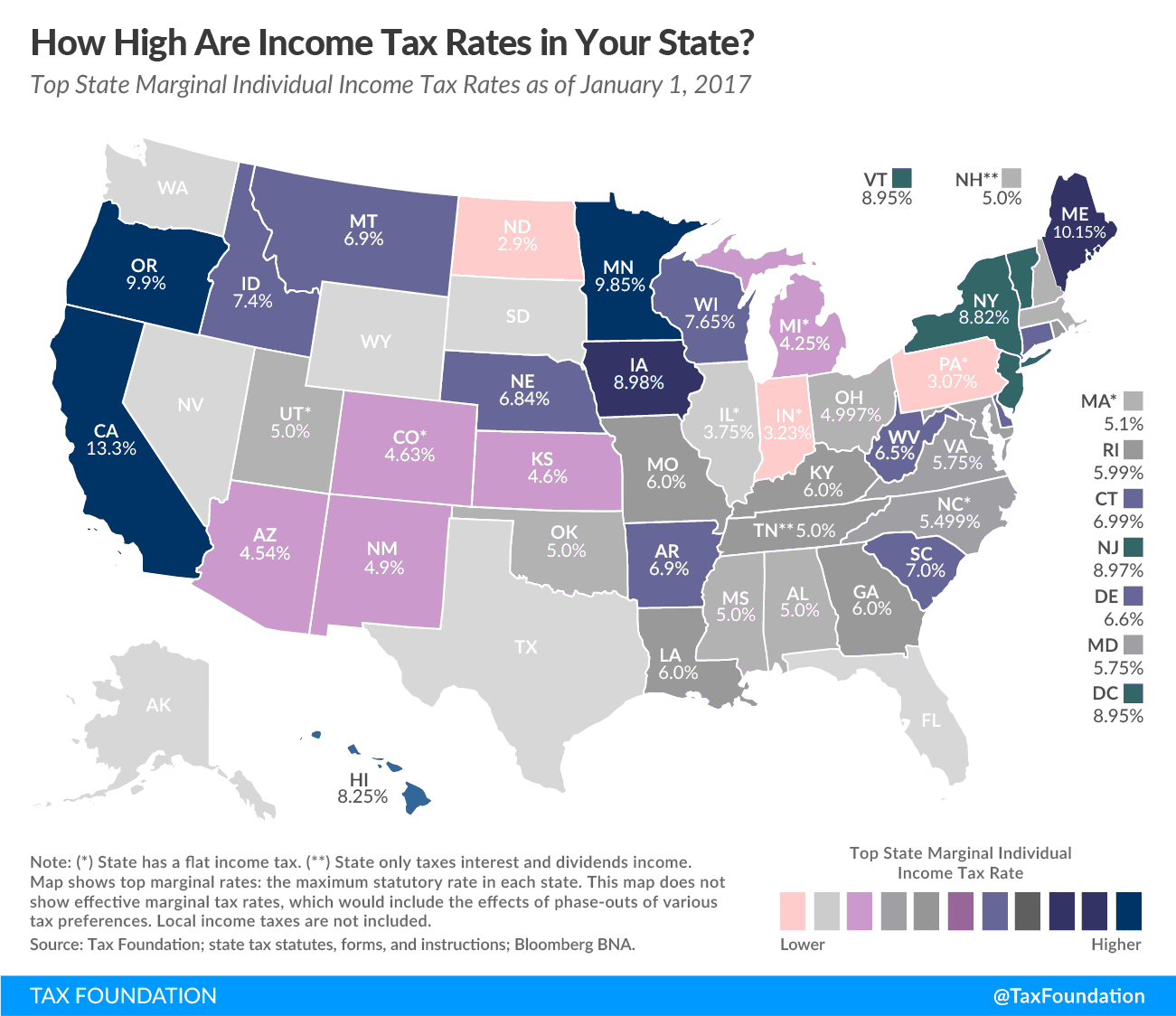
Florida is one of a handful of states that does not impose a state income tax on its residents. This significant distinction extends to all forms of retirement income, including Social Security benefits, pensions, 401(k) and IRA distributions, and other forms of investment income. This tax-friendly environment can profoundly impact a retiree’s financial planning and overall quality of life, freeing up more disposable income to enjoy the state’s myriad attractions and amenities.
The Sunshine State’s Tax Advantage for Retirees
The absence of a state income tax is arguably the cornerstone of Florida’s appeal as a retirement destination. This policy decision directly translates into tangible financial benefits for individuals relying on fixed incomes during their retirement years. For those carefully budgeting their savings, every dollar saved on taxes means more for living expenses, leisure, or unexpected costs.
No State Income Tax on Retirement Income
The most attractive feature for retirees considering Florida is the complete absence of a state income tax. This means that whether your retirement income comes from Social Security, a private pension, a military pension, withdrawals from a 401(k) or IRA, or other investment earnings, Florida will not levy a state tax on it. This is a stark contrast to many other states that tax various forms of retirement income, sometimes significantly reducing a retiree’s net income. For example, a retiree moving from a state that taxes pension income might find their annual take-home pay substantially increased simply by relocating to Florida. This exemption provides a predictable and stable financial environment, allowing retirees to plan their budgets with greater confidence.
Broader State-Level Tax Exemptions
Florida’s tax advantages extend beyond just retirement income. The state also boasts no state inheritance tax and no state estate tax. This provides peace of mind for retirees concerned about passing on their assets to heirs, as their legacies will not be diminished by state-imposed death taxes. While federal estate taxes still apply to very large estates, the absence of state-level taxes further solidifies Florida’s reputation as a fiscally prudent choice for long-term financial and estate planning. This comprehensive approach to tax relief makes Florida an attractive proposition for those looking to maximize their retirement savings and protect their wealth across generations, directly impacting their lifestyle choices by offering greater financial flexibility and security.
Understanding What Florida Does Tax
While the absence of state income tax is a significant draw, it’s crucial for prospective residents to have a complete picture of the state’s tax structure. Florida does generate revenue through other means, and these taxes can significantly impact a retiree’s overall cost of living and lifestyle, particularly housing and everyday expenditures. A comprehensive understanding of these aspects is essential for accurate financial planning.
Property Taxes in Florida
Property taxes are a substantial consideration for anyone owning real estate in Florida, including retirees. These taxes are assessed by local governments (counties, cities, and school districts) and vary significantly depending on the property’s location, assessed value, and local millage rates. Popular retirement locales like Sarasota, Naples, Miami, and Orlando can have different property tax rates and home values.
However, Florida offers a valuable homestead exemption that can reduce the taxable value of a primary residence by up to $50,000 for permanent residents. Additional exemptions are available for seniors, veterans, and individuals with disabilities, which can further lower a property owner’s tax burden. It’s vital for retirees to research property tax rates in their desired areas and factor them into their annual budgets. While the homestead exemption provides relief, property taxes can still be considerable, especially for higher-valued homes in desirable coastal communities. Furthermore, homeowners insurance, including potentially costly flood and hurricane insurance, must also be factored into housing costs, especially in coastal regions.
Sales Tax
Florida levies a state sales tax of 6% on most goods and services. Many counties also add their own discretionary sales surtaxes, which can bring the total sales tax rate up to 7.5% or even 8% in some areas. This tax applies to a wide array of purchases, from groceries (excluding most unprepared food items) and clothing to restaurant meals and entertainment.
While the sales tax is a recurring expense, it primarily impacts discretionary spending. For retirees on a fixed income, careful budgeting of daily expenditures, dining out, and shopping can help manage this cost. Services like healthcare are generally exempt, as are certain necessities. Understanding how sales tax affects your spending habits is crucial for maintaining your desired lifestyle without unexpected financial strain.
Other Local Levies and Fees
Beyond property and sales taxes, retirees should be aware of various other local levies and fees that might impact their lifestyle costs. These can include utility taxes, impact fees on new construction, and potentially specialized assessments for community improvements (e.g., roads, drainage). While typically smaller in scope than property or sales taxes, these charges contribute to the overall cost of living. For instance, specific districts might have their own small taxes to fund local infrastructure projects or public services. These are usually tied to specific geographic areas and can be discovered during the due diligence phase of researching a potential retirement home location.

Beyond Taxes: Lifestyle Benefits of Retiring in Florida
While the tax advantages are a powerful incentive, Florida’s appeal for retirees extends far beyond financial considerations. The state offers an unparalleled lifestyle, rich with opportunities for recreation, community engagement, and personal enrichment, making it a holistic choice for those seeking an active and fulfilling retirement.
Climate and Outdoor Activities
Florida’s subtropical to tropical climate is perhaps its most famous draw. With abundant sunshine and mild winters, retirees can enjoy an active outdoor lifestyle year-round. The state boasts thousands of miles of coastline, offering endless opportunities for swimming, sunbathing, fishing, and boating. Golf enthusiasts will find themselves in paradise, with hundreds of world-class golf courses spread across the state. From the tranquil waters of Everglades National Park to the vibrant coral reefs off Key West, natural beauty and recreational activities abound. This constant access to outdoor pursuits is a significant lifestyle benefit, promoting physical health and mental well-being for retirees.
Healthcare Access and Quality
Access to high-quality healthcare is a critical concern for retirees. Florida is well-equipped in this regard, featuring a vast network of hospitals, specialized medical centers, and healthcare professionals. Major metropolitan areas like Tampa, Jacksonville, and Miami are home to some of the nation’s top-ranked hospitals and research institutions. The presence of numerous physicians and specialists, coupled with a robust senior care infrastructure, provides peace of mind for retirees knowing that comprehensive medical support is readily available.
Vibrant Retirement Communities
Florida is renowned for its diverse and abundant retirement communities, catering to a wide range of preferences and budgets. From active adult communities like The Villages, offering a plethora of social clubs, recreational facilities, and organized events, to more serene, age-restricted neighborhoods, there’s a community for nearly every lifestyle. These communities foster a strong sense of camaraderie and provide ample opportunities for social interaction, combating isolation, and promoting an engaging retirement experience. The convenience of on-site amenities, from golf courses and swimming pools to fitness centers and clubhouses, further enhances the quality of life.
Cultural and Entertainment Options
Beyond its natural beauty, Florida offers a rich tapestry of cultural attractions and entertainment venues. History buffs can explore the nation’s oldest city, St. Augustine, or delve into the space age at the Kennedy Space Center. Art museums, performing arts centers, and live music venues are found in cities throughout the state, from Fort Lauderdale to Tallahassee. For those seeking thrills, world-famous theme parks like Walt Disney World Resort and Universal Orlando Resort offer endless fun for visiting family and personal enjoyment. The culinary scene is equally diverse, ranging from fresh seafood to international cuisine. This wealth of options ensures that retirees in Florida will always find something new and exciting to explore, enriching their daily lives.
Financial Planning for a Florida Retirement
While Florida’s tax advantages are compelling, a successful retirement here still requires careful financial planning. The absence of state income tax should not overshadow the need to account for all other costs that will impact your lifestyle. A holistic approach ensures that your golden years are financially secure and free from unexpected burdens.
Budgeting for Non-Income Taxes and Expenses
The most critical step in planning for a Florida retirement is to thoroughly budget for expenses beyond income tax. Property taxes, as discussed, can be substantial, and these figures should be accurately estimated based on your desired location and property type. Homeowners insurance, particularly hazard insurance covering hurricanes and flood insurance for vulnerable areas, is another significant and often variable cost that must be included. Additionally, account for the state and local sales taxes on your everyday purchases, transportation costs, and utilities (especially air conditioning during the long summer months). Don’t forget the costs associated with enjoying the Florida lifestyle, such as greens fees, boat maintenance, or theme park passes.
Estate Planning Considerations
Florida’s favorable estate tax environment makes it an attractive state for wealth transfer. While there is no state-level estate or inheritance tax, it’s still crucial to engage in comprehensive estate planning. This includes establishing wills, trusts, and advance directives to ensure your wishes are carried out and your assets are distributed efficiently to your beneficiaries. Consulting with an estate planning attorney familiar with Florida law can help you navigate these complexities and take full advantage of the state’s beneficial statutes, aligning your financial legacy with your overall lifestyle goals.
Seeking Professional Advice
Navigating the intricacies of retirement finances, especially when considering a move to a new state, can be complex. It is highly recommended to seek advice from qualified financial planners and tax advisors who specialize in retirement planning and are intimately familiar with Florida’s specific tax laws and economic landscape. These professionals can help you create a personalized financial plan that accounts for all your income sources, expenses, potential tax liabilities, and long-term goals, ensuring a smooth transition and a secure retirement in the Sunshine State. They can provide insights into how your specific retirement income streams (e.g., specific types of pensions, investment portfolios) will be treated and help you optimize your financial strategies.

Conclusion: Is Florida the Right Fit for Your Retirement Lifestyle?
Florida’s non-taxation of retirement income is undoubtedly a powerful magnet for retirees seeking to maximize their financial resources and enjoy a higher quality of life. The absence of state income, inheritance, and estate taxes provides a significant advantage, allowing retirees to retain more of their hard-earned savings.
However, a truly informed decision requires a comprehensive look at the entire financial picture, including property taxes, sales tax, insurance costs, and overall cost of living. Beyond the numbers, Florida offers an exceptional lifestyle characterized by its warm climate, abundant outdoor activities, excellent healthcare, vibrant communities, and rich cultural scene. For those who prioritize an active, engaging, and financially stable retirement in a sunny paradise, Florida presents a compelling argument. By carefully weighing the tax benefits against other expenses and lifestyle preferences, prospective retirees can determine if the Sunshine State is indeed the ideal destination for their golden years.
LifeOutOfTheBox is a participant in the Amazon Services LLC Associates Program, an affiliate advertising program designed to provide a means for sites to earn advertising fees by advertising and linking to Amazon.com. Amazon, the Amazon logo, AmazonSupply, and the AmazonSupply logo are trademarks of Amazon.com, Inc. or its affiliates. As an Amazon Associate we earn affiliate commissions from qualifying purchases.