
Embarking on a teaching career in Florida offers not just a profession, but a vibrant lifestyle choice in the Sunshine State. For many, the appeal extends beyond the classroom, embracing the unique blend of professional growth and unparalleled quality of life that Florida provides. This comprehensive guide will navigate the pathways to becoming a certified teacher in Florida, framing it as an exciting lifestyle transition for new educators and seasoned professionals alike.
The Allure of a Teaching Lifestyle in the Sunshine State
Choosing where to establish your career is a pivotal lifestyle decision. For educators, Florida presents a compelling case, offering a dynamic environment that supports both professional ambitions and personal well-being. The state’s commitment to education, coupled with its enviable climate and cultural diversity, creates an attractive proposition for those looking to make a lasting impact.

Why Florida for Educators?
The draw of teaching in Florida is multifaceted. Professionally, the state boasts a growing student population, leading to consistent demand for qualified teachers across various subjects and grade levels. From the bustling metropolitan areas like Miami and Orlando to the more serene coastal communities and inland towns, diverse educational settings cater to different preferences and teaching styles. This growth also translates into opportunities for professional development, leadership roles, and a collaborative environment among educators.
Beyond the professional sphere, Florida offers a lifestyle that many dream of. The pleasant year-round weather allows for outdoor activities practically every day, contributing to a healthier and more active lifestyle. The rich tapestry of cultures, particularly evident in cities like Miami, enriches the educational experience, exposing both teachers and students to a global perspective. Furthermore, the state is a hub for innovation and community engagement, providing educators with numerous avenues to connect with local initiatives and contribute to their neighborhoods outside of school hours.
Balancing Work and Florida Living
One of the significant lifestyle advantages of teaching in Florida is the ability to strike a fulfilling work-life balance. Imagine spending your weekends exploring the pristine beaches of the Gulf Coast, immersing yourself in the theme park magic of Orlando, or discovering the unique ecosystems of the Everglades. Florida’s strategic location means that world-class attractions, natural wonders, and vibrant cultural scenes are often just a short drive away.
This proximity to leisure activities can significantly enhance an educator’s quality of life. After a demanding week in the classroom, the opportunity to de-stress and recharge in such diverse settings is invaluable. Whether it’s a quiet paddleboarding session in a spring, a visit to a historical site in St. Augustine, or enjoying the culinary delights in Tampa, Florida caters to every interest. This balance supports not only mental and physical well-being but also fosters a sense of contentment that positively impacts an educator’s performance and longevity in the profession. The strong community life in many Florida cities further adds to this appeal, providing a supportive network for new residents and families.
Navigating the Certification Pathways in Florida
The journey to becoming a certified teacher in Florida is well-defined, with several pathways designed to accommodate individuals from various educational backgrounds and career stages. Understanding these routes is crucial for planning your transition into the Florida education system. The Florida Department of Education (FLDOE) oversees the certification process, ensuring that all educators meet rigorous standards.
Traditional Routes: Degree and Educator Preparation Programs
For most aspiring teachers, the traditional pathway involves completing a bachelor’s degree in education from an accredited college or university. These programs are specifically designed to prepare individuals for teaching, covering pedagogical theories, classroom management strategies, and subject-specific content. Many traditional programs also include a student teaching component, providing invaluable hands-on experience in a real classroom setting.
Upon graduation from an approved educator preparation program, candidates typically meet the academic requirements for a Professional Certificate in Florida. It’s important to ensure that the program you choose is recognized by the FLDOE to avoid any complications during the certification application process. This pathway is ideal for high school graduates and college students committed to a direct entry into the teaching profession.
Alternative Certification for Career Changers
Florida recognizes the immense value that professionals from other fields can bring to the classroom. For individuals who hold a bachelor’s degree (or higher) in a subject area but did not complete an educator preparation program, alternative certification routes provide a flexible and efficient path to teaching. These routes are particularly appealing to those making a career change, offering a way to leverage their existing academic and professional experience.
Common alternative pathways include:
- Temporary Certificate: This allows individuals to teach for a limited period (usually three years) while completing the remaining requirements for a Professional Certificate. To qualify, you generally need a bachelor’s degree in the subject you wish to teach, passing scores on the relevant Florida Teacher Certification Examinations (FTCE), and employment in a Florida school district.
- District-Specific Programs: Many Florida school districts offer their own alternative certification programs, often providing coursework, mentorship, and support for new teachers. These programs are tailored to the specific needs of the district and can be an excellent way to gain certification while simultaneously working in a classroom.
- Approved Educator Preparation Institutes (EPIs): These programs offer focused coursework designed to meet the pedagogical requirements for certification. They are often shorter than traditional degree programs and cater specifically to individuals who already possess a bachelor’s degree.
These alternative routes highlight Florida’s commitment to attracting diverse talent, enriching the educational landscape with varied perspectives and experiences.
Out-of-State Educators: Reciprocity and Requirements
If you are already a certified teacher in another state, Florida offers reciprocity, which can streamline your certification process. While not an automatic transfer, Florida’s reciprocity agreement generally allows out-of-state educators to apply for a Florida certificate based on their existing credentials.
The requirements for out-of-state educators typically include:
- Valid Out-of-State Certificate: You must hold a valid, standard teaching certificate from another U.S. state or territory.
- Bachelor’s Degree: A bachelor’s degree from an accredited institution is required.
- Professional Teaching Experience: Often, a certain number of years of teaching experience under your out-of-state certificate can help fulfill Florida’s professional preparation requirements.
- Florida Teacher Certification Examinations (FTCE): You will still likely need to pass the appropriate FTCE tests, including the General Knowledge Test, Professional Education Test, and subject-area examination(s) for the areas you wish to teach in Florida.
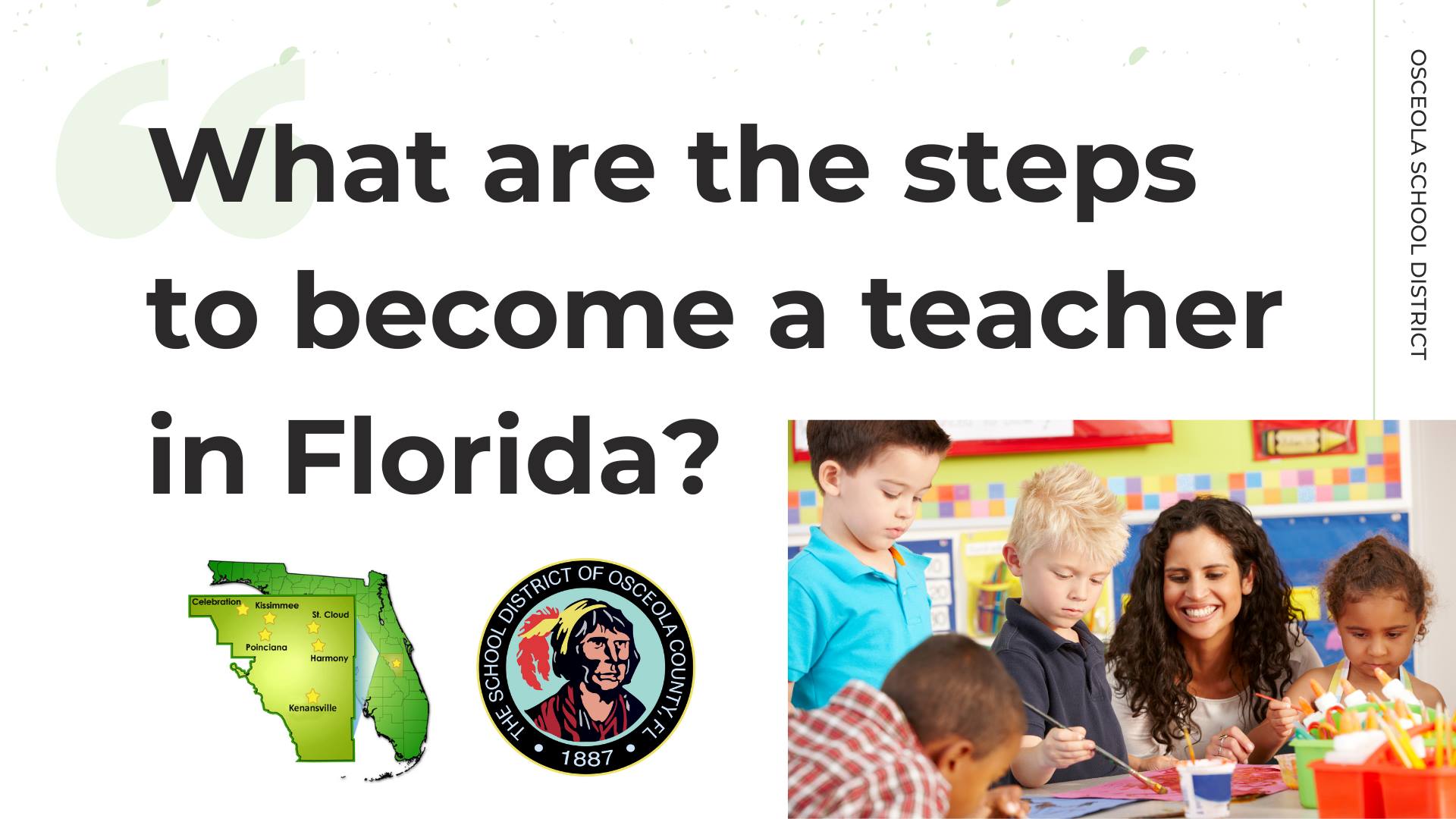
It is always advisable to apply for a Statement of Eligibility from the FLDOE before making any relocation plans. This statement will outline the specific requirements you need to meet based on your individual qualifications, providing a clear roadmap for your move to Florida.
Essential Steps Towards Certification
Regardless of the pathway you choose, several key steps are universal in the process of becoming a certified teacher in Florida. These steps ensure that all educators meet the state’s standards for knowledge, professionalism, and safety.
Understanding Florida Teacher Certification Examinations (FTCE)
The Florida Teacher Certification Examinations (FTCE) are a critical component of the certification process. These exams assess the knowledge and skills required for effective teaching in Florida public schools. There are three main types of FTCE exams:
- General Knowledge (GK) Test: This test evaluates basic skills in English language arts, essay writing, mathematics, and reading. Most aspiring teachers must pass this test.
- Professional Education Test: This exam assesses professional pedagogical knowledge, including instructional design, classroom management, assessment strategies, and ethical conduct.
- Subject Area Examinations (SAE): These tests measure a candidate’s mastery of the content knowledge specific to the subject(s) they intend to teach (e.g., elementary education, biology, English 6-12).
Thorough preparation for these exams is essential. The FLDOE website provides detailed test blueprints, study guides, and practice materials to help candidates succeed.
Background Checks and Fingerprinting
Ensuring the safety and well-being of students is paramount. As such, all individuals seeking certification in Florida must undergo a comprehensive background check, which includes fingerprinting. This process is typically initiated through the school district once employment is secured or as part of the certification application if applying independently. The results are reviewed by the Florida Department of Law Enforcement and the Federal Bureau of Investigation (FBI). Clearances from these checks are a prerequisite for receiving and maintaining a Florida teaching certificate.
Application Process and Documentation
The final step in securing your Florida teaching certificate is submitting a complete application to the FLDOE. This involves gathering all necessary documentation, which typically includes:
- Official transcripts from all colleges and universities attended.
- Verification of passing scores on all required FTCE exams.
- Proof of out-of-state certification and experience, if applicable.
- Completed fingerprinting and background check forms.
- The application fee.
The FLDOE website provides an online application portal and detailed instructions on how to submit your materials. It is crucial to be meticulous in preparing your application, as incomplete submissions can lead to significant delays. Once your application is approved and all requirements are met, you will be issued your Florida Professional Certificate, marking your official entry into the state’s vibrant educational community.
Finding Your First Teaching Position and Thriving
With certification in hand, the next exciting phase is securing your first teaching position. Florida’s diverse school districts offer a wide array of opportunities, and thriving in your new role involves continuous growth and engagement with the broader educator community.
Job Search Strategies and Districts in Florida
Florida has 67 public school districts, ranging from massive urban systems to smaller, more rural ones. Each district has its own hiring procedures and timelines, typically posting vacancies on their official websites. Large districts like Miami-Dade County Public Schools, Orange County Public Schools (serving the Orlando area), and Broward County Public Schools (in Fort Lauderdale) often have continuous hiring needs and offer diverse environments. Other notable districts include Hillsborough County Public Schools in Tampa and Duval County Public Schools in Jacksonville.
Effective job search strategies include:
- Online Job Boards: Regularly check the FLDOE’s official job portal, district websites, and national education job boards.
- Networking: Attend job fairs, connect with professors, mentors, and other educators. Professional organizations like the Florida Education Association can also be valuable resources.
- Tailored Applications: Customize your resume and cover letter for each specific position, highlighting relevant skills and experiences.
- Interviews: Prepare to discuss your teaching philosophy, classroom management strategies, and how you foster a positive learning environment.
Many districts offer incentives for teachers in high-demand subjects (e.g., STEM, special education) or those willing to work in critical needs areas, which can be an attractive aspect of the teaching lifestyle in Florida.
Professional Development and Continued Growth
The journey of an educator is one of continuous learning and growth. Once you secure a position, Florida school districts typically provide extensive professional development opportunities to help teachers refine their skills, stay current with best practices, and integrate new technologies into their instruction. These can range from workshops and conferences to mentorship programs and opportunities for advanced degrees.
Continued professional development is not only beneficial for personal growth but is also often required for maintaining and renewing your Florida Professional Certificate. Embracing these opportunities allows you to evolve as an educator, explore new teaching methodologies, and ultimately make a greater impact on your students’ lives.

Embracing the Florida Educator Community
Becoming a teacher in Florida is more than just obtaining a certificate; it’s joining a supportive and passionate community of educators dedicated to shaping the future of the state. Engaging with colleagues, participating in school-wide initiatives, and joining professional organizations can significantly enhance your teaching experience and overall lifestyle in Florida.
This collaborative spirit extends beyond the school walls, often weaving into the fabric of local communities. Teachers in Florida often find themselves at the heart of their neighborhoods, becoming pillars of support and inspiration. This sense of belonging, combined with the unique advantages of living in the Sunshine State, makes a teaching career in Florida a truly rewarding lifestyle choice. It promises not just a fulfilling career but a vibrant life filled with sunshine, cultural richness, and endless opportunities for personal and professional fulfillment.
LifeOutOfTheBox is a participant in the Amazon Services LLC Associates Program, an affiliate advertising program designed to provide a means for sites to earn advertising fees by advertising and linking to Amazon.com. Amazon, the Amazon logo, AmazonSupply, and the AmazonSupply logo are trademarks of Amazon.com, Inc. or its affiliates. As an Amazon Associate we earn affiliate commissions from qualifying purchases.