
For aspiring entrepreneurs looking to enter the dynamic automotive sales industry, obtaining a dealer license in Florida represents a significant milestone. The Sunshine State, with its robust economy, growing population, and strong tourism sector, offers fertile ground for various business ventures, including car dealerships. This comprehensive guide delves into the intricate process of acquiring a dealer license in Florida, outlining the necessary steps, requirements, and regulatory frameworks. For many, this isn’t just about starting a business; it’s about embracing an entrepreneurial lifestyle, building a valuable asset, and contributing to a thriving market. Navigating the regulatory landscape can seem daunting, but with a clear understanding and meticulous preparation, your dream of becoming a licensed auto dealer in Florida can become a tangible reality.
Understanding the Landscape: The Florida Automotive Industry
Before embarking on the licensing journey, it’s crucial to grasp the nuances of Florida’s automotive industry. The state’s vibrant market presents diverse opportunities, but also requires adherence to specific regulations designed to protect consumers and maintain fair business practices. Understanding the different types of licenses and why Florida is a prime location can help you strategize your entry into this competitive yet rewarding sector.
Types of Dealer Licenses Available
Florida offers several categories of dealer licenses, each tailored to a specific type of vehicle sale. Identifying the correct license for your business model is the foundational step. The primary categories include:
- Motor Vehicle (Franchise) Dealer (VF): This license is for businesses selling new motor vehicles under a franchise agreement with a manufacturer. These are typically the large, brand-name dealerships you see in every major city.
- Independent Motor Vehicle Dealer (VI): This is the most common license for those selling used motor vehicles. If your business will focus on pre-owned cars, trucks, and SUVs, this is likely the license you’ll need. It allows you to buy and sell used vehicles from various sources.
- Wholesale Dealer (VW): A wholesale dealer sells vehicles only to other licensed dealers. They do not sell directly to the public. This license is suitable for those operating in the business-to-business segment of the automotive market.
- Motorcycle Dealer (VM): Specifically for businesses selling new or used motorcycles.
- Recreational Vehicle (RV) Dealer (VR): For those specializing in the sale of new or used recreational vehicles, including motorhomes, travel trailers, and fifth wheels.
- Mobile Home Dealer (MH): Distinct from RVs, this license is for businesses selling mobile homes or manufactured housing.
Each license type has slightly different requirements and regulatory obligations. It’s imperative to choose the one that accurately reflects your intended business operations to avoid compliance issues down the line.
Why Florida for Automotive Businesses?
Florida’s allure for automotive entrepreneurs is multifaceted. The state boasts:
- A Large and Growing Population: With millions of residents and a constant influx of new people, there’s a perpetual demand for vehicles. Major metropolitan areas like Miami, Orlando, and Tampa serve as significant consumer hubs.
- Strong Tourism Sector: Millions of tourists visit Florida annually, many of whom rent cars, creating a robust market for rental fleets and, by extension, wholesale opportunities for dealers.
- Favorable Business Climate: Florida is generally considered business-friendly, with no state income tax for individuals and a supportive environment for small businesses.
- Diverse Vehicle Market: From luxury cars in South Florida to work trucks in agricultural areas and family SUVs across the suburbs, the demand for vehicles is incredibly diverse, allowing dealers to specialize or cater to a broad clientele.
Establishing an automotive dealership in Florida is not just a business decision; it’s a lifestyle choice for those seeking to thrive in a dynamic, opportunity-rich environment.
The Essential Steps to Becoming a Licensed Dealer
The path to obtaining a dealer license in Florida is a structured process that requires careful attention to detail and adherence to state regulations. While specific requirements may vary slightly depending on the license type, the core steps remain consistent. This section breaks down the foundational actions you’ll need to take before even submitting your application.
Prerequisites and Initial Requirements
Before diving into the application itself, several preliminary steps must be completed:
- Business Entity Registration: First, you’ll need to register your business entity (e.g., LLC, Corporation) with the Florida Department of State. This provides legal recognition for your dealership.
- Employer Identification Number (EIN): Obtain an EIN from the IRS, which is essential for tax purposes and hiring employees.
- Local Zoning Approval: Your proposed dealership location must comply with local zoning ordinances. This is a critical step, as many municipalities have specific requirements for automotive businesses regarding space, parking, and signage. You’ll need to secure approval from your city or county planning department.
- Sales Tax Number: You must register with the Florida Department of Revenue to obtain a sales tax number, which is necessary for collecting and remitting sales tax on vehicle purchases.
These initial steps lay the groundwork for your dealership, ensuring you have a legally recognized business entity and a compliant location.
Securing Your Business Location
The physical location of your dealership is more than just an address; it’s a cornerstone of your business and a key regulatory requirement. The Florida Department of Highway Safety and Motor Vehicles (DHSMV), the licensing authority, has strict guidelines for dealership facilities:
- Permanent Structure: Your dealership must operate from a permanent commercial building, not a temporary structure or a residence.
- Minimum Office Space: There must be a minimum of 100 square feet of office space, dedicated solely to the dealership’s operations. This space must be accessible to the public during business hours.
- Display Area: A sufficient display area (e.g., lot, showroom) for vehicles is required. The size and nature of this area depend on the type of vehicles you intend to sell.
- Signage: You must have a permanently affixed sign displaying the dealership’s name and identifying it as a motor vehicle dealership.
- Posted Business Hours: Clearly visible and posted business hours are mandatory.
- Operating Utilities: The location must have working utilities (water, electricity).
The DHSMV will conduct an inspection of your proposed location to verify compliance with these standards. Ensuring your facility meets all criteria before application submission can significantly expedite the process.
The Mandatory Dealer Education Course
A crucial requirement for independent and wholesale dealers in Florida is the completion of a mandatory 16-hour pre-licensing dealer education course. This course is designed to equip prospective dealers with a thorough understanding of state laws, regulations, and ethical business practices.
- Approved Providers: The course must be taken from a DHSMV-approved provider. These courses are widely available both online and in person across Florida.
- Curriculum: Topics covered typically include titling and registration procedures, sales tax obligations, advertising rules, odometer disclosure laws, dealer plate usage, and consumer protection regulations.
- Certification: Upon successful completion, you will receive a certificate, which must be submitted with your license application.
This education is not just a regulatory hurdle; it’s an invaluable investment in your business acumen, providing the knowledge necessary to operate legally and effectively. It shapes the responsible entrepreneurial lifestyle expected of licensed dealers.
Navigating the Application Process with the DHSMV
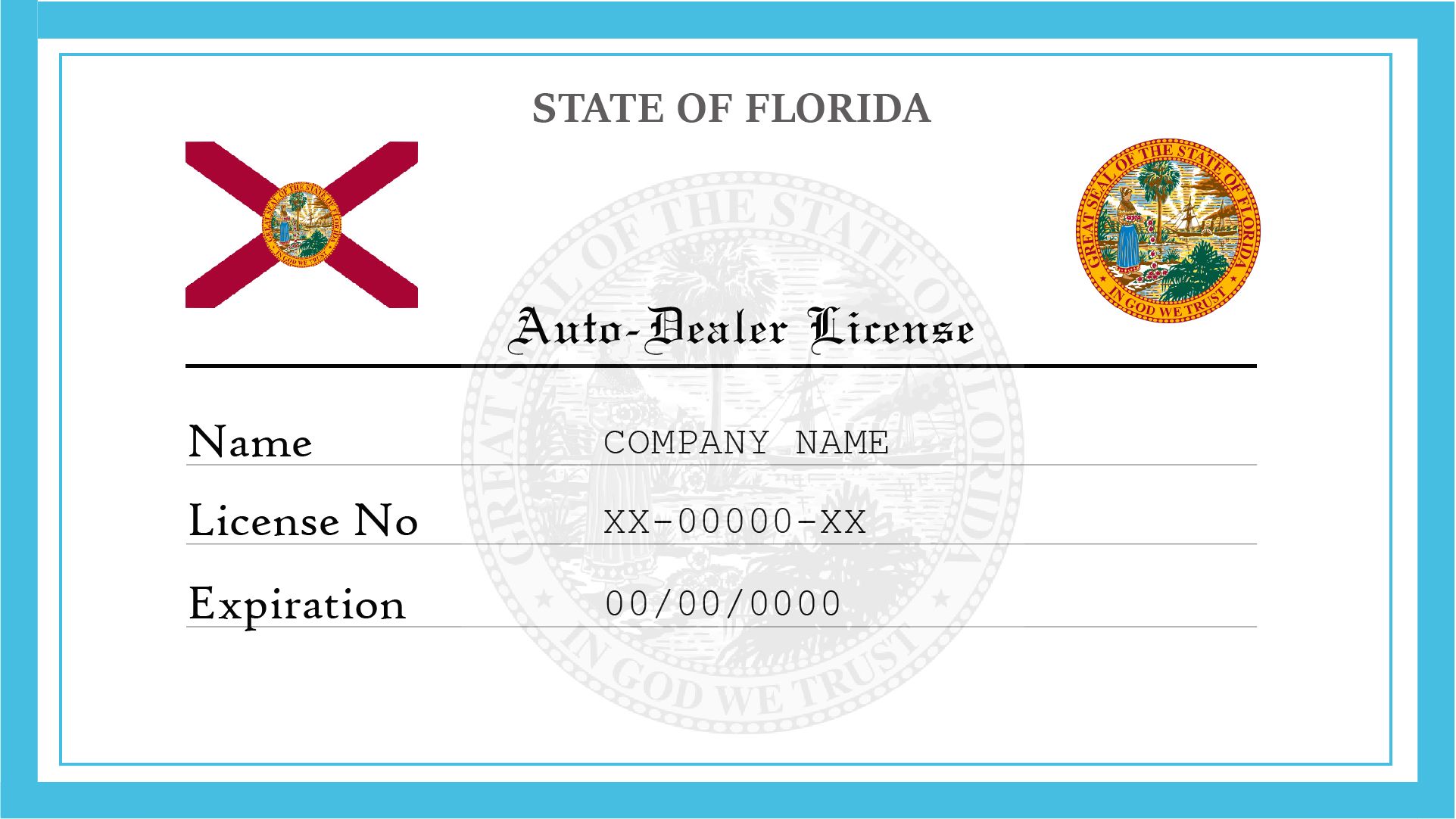
Once you’ve completed the prerequisites, the next phase involves meticulously preparing and submitting your application to the Florida Department of Highway Safety and Motor Vehicles (DHSMV). This stage demands precision and thoroughness to avoid delays.
Required Documentation Checklist
The DHSMV requires a comprehensive set of documents to accompany your application. While the specific forms may vary slightly by license type, a general checklist includes:
- Application Form (Form HSMV 86056): The primary application for a motor vehicle dealer license.
- Proof of Business Registration: A copy of your business entity registration from the Florida Department of State.
- Copy of EIN: Your Employer Identification Number from the IRS.
- Surety Bond: Proof of a surety bond (discussed in detail below).
- Proof of Garage Liability Insurance: This coverage is required for all licensed dealers to protect against damages and injuries that may occur on the dealership premises or during vehicle demonstrations.
- Lease Agreement or Proof of Ownership: Documentation confirming your legal right to occupy the dealership location.
- Zoning Approval Letter: Written confirmation from your local zoning authority.
- Dealer Education Course Certificate: For independent and wholesale dealers.
- Fingerprints and Background Check: All owners, partners, and corporate officers must undergo a criminal background check, typically involving electronic fingerprinting through a DHSMV-approved vendor.
- Proof of Florida Sales Tax Number: From the Florida Department of Revenue.
- Photographs of Dealership: Interior and exterior photos demonstrating compliance with facility requirements.
Carefully review the official DHSMV checklist for your specific license type to ensure no document is overlooked.
Financial Commitments: Surety Bonds and Fees
Beyond the costs associated with setting up your business and taking the education course, there are specific financial obligations tied directly to the licensing process:
- Surety Bond: This is a crucial requirement. A motor vehicle dealer surety bond acts as a financial guarantee that the dealer will comply with all state laws and regulations. If the dealer fails to adhere to these rules and a consumer is harmed, the bond provides a means of financial recourse.
- Independent and Franchise Dealers: Typically require a $25,000 bond.
- Wholesale Dealers: Usually require a $25,000 bond.
- Mobile Home Dealers: Typically require a $50,000 bond.
The cost of the bond itself is a small percentage of the bond amount, determined by your credit score and financial history.
- Application Fees: There are non-refundable fees associated with processing your application, usually around $300 for the initial license.
- Fingerprint Processing Fees: Separate fees apply for the background check and fingerprinting services.
Budgeting for these financial commitments is an integral part of your business plan and demonstrates a professional approach to your entrepreneurial journey.
Submitting Your Application and Awaiting Approval
Once all documentation is gathered and fees are prepared, you will submit your complete application package to the DHSMV.
- Mail or In-Person Submission: Applications can typically be mailed to the DHSMV or, in some cases, submitted in person at regional offices.
- Inspection: After reviewing your paperwork, the DHSMV will schedule an on-site inspection of your dealership location to confirm it meets all physical requirements.
- Processing Time: The processing time can vary, but generally takes several weeks. It’s advisable to submit your application well in advance of your desired opening date.
Patience and responsiveness to any further inquiries from the DHSMV are key during this waiting period. Once approved, you will receive your official Florida dealer license and dealer plates, allowing you to legally commence operations.
Maintaining Compliance and Sustaining Your Dealer Business
Obtaining the license is the first significant hurdle; maintaining it requires ongoing vigilance and commitment to compliance. A successful dealership integrates regulatory adherence into its daily operations, ensuring long-term sustainability and upholding the integrity of the entrepreneurial lifestyle.
Annual Renewals and Continuing Education
Your Florida dealer license is not permanent; it requires annual renewal.
- Renewal Cycle: Licenses typically expire on December 31st of each year, regardless of when they were initially issued. Renewal applications are generally due by this date.
- Renewal Requirements: The renewal process typically involves submitting a renewal application, updating any changed business information, providing proof of a current surety bond and insurance, and paying the annual renewal fee.
- Continuing Education: While not always a yearly requirement for all license types, staying informed about changes in automotive laws and regulations is crucial. The DHSMV or approved education providers often offer continuing education courses that can help dealers stay abreast of industry developments and maintain best practices.
Proactive management of renewals is vital to avoid lapses in your license, which can lead to penalties or even suspension of your ability to sell vehicles.
Adhering to Florida Regulations
Beyond licensing, dealers in Florida must continually adhere to a myriad of state and federal regulations covering everything from advertising and sales practices to record-keeping and privacy.
- Consumer Protection: Florida has stringent consumer protection laws. Dealers must ensure transparent pricing, accurate vehicle descriptions, proper disclosure of vehicle history (e.g., salvage titles, flood damage), and ethical sales tactics.
- Record Keeping: Detailed records of all vehicle purchases, sales, and financial transactions must be maintained for a specified period (typically 3-5 years) and made available for inspection by the DHSMV or other regulatory bodies.
- Odometer Disclosure: Strict federal and state laws govern odometer readings, requiring accurate disclosure at the time of sale.
- Dealer Plates: Dealer plates are for specific business uses (e.g., test drives, transporting vehicles for sale) and must not be misused for personal vehicle registration.
- Environmental Regulations: Dealers must also comply with environmental regulations regarding waste disposal, especially for fluids and parts.
Understanding and internalizing these regulations is not merely about avoiding fines; it’s about building a reputable business and fostering trust with your clientele, a hallmark of a successful professional lifestyle.
The Lifestyle of a Florida Auto Dealer Entrepreneur
Becoming a licensed auto dealer in Florida is more than just securing a piece of paper; it’s stepping into a challenging yet potentially very rewarding entrepreneurial lifestyle. It means embracing leadership, problem-solving, and continuous learning.
- Community Engagement: Successful dealers often become pillars of their local communities, supporting local events, and building strong customer relationships that extend beyond a single transaction.
- Adaptability: The automotive market is constantly evolving, with new technologies, changing consumer preferences, and economic shifts. A dealer’s lifestyle often involves adapting quickly, staying informed, and strategically pivoting when necessary.
- Customer Focus: At its core, the business is about serving people. A customer-centric approach not only drives sales but also builds a loyal customer base, essential for long-term success.
- Growth and Expansion: For many, the initial dealer license is just the beginning. The entrepreneurial lifestyle often involves plans for growth, whether that means expanding inventory, opening new locations in cities like Jacksonville, or diversifying into related services like financing or repairs.
The journey to obtaining and maintaining a dealer license in Florida is comprehensive, demanding meticulous preparation and an ongoing commitment to regulatory compliance. However, for those with a passion for the automotive industry and a drive for entrepreneurship, it paves the way for a fulfilling professional lifestyle in one of the nation’s most dynamic states. By understanding each step, embracing the regulatory requirements, and focusing on customer satisfaction, you can establish a successful and reputable dealership that thrives for years to come.
LifeOutOfTheBox is a participant in the Amazon Services LLC Associates Program, an affiliate advertising program designed to provide a means for sites to earn advertising fees by advertising and linking to Amazon.com. Amazon, the Amazon logo, AmazonSupply, and the AmazonSupply logo are trademarks of Amazon.com, Inc. or its affiliates. As an Amazon Associate we earn affiliate commissions from qualifying purchases.