
Navigating the landscape of social assistance programs can be a complex and often daunting task, especially when you’re facing financial hardship. For residents of Florida in need of food assistance, the Supplemental Nutrition Assistance Program (SNAP), commonly known as food stamps, offers a vital lifeline. This comprehensive guide aims to demystify the process, providing clear, actionable information on how to apply for and receive food stamps in the Sunshine State. Understanding the eligibility criteria, the application process, and how to maximize your benefits is crucial for ensuring food security for yourself and your family.
Understanding Florida’s Food Assistance Program (SNAP)
The Supplemental Nutrition Assistance Program (SNAP) is a federal program that provides food assistance to low-income individuals and families. In Florida, this program is administered by the Florida Department of Children and Families (DCF), striving to ensure that no Floridian goes hungry. It’s more than just a temporary handout; it’s a foundational support system designed to improve nutrition and promote self-sufficiency.
What is SNAP?
SNAP is the largest anti-hunger program in the United States. It works by providing eligible households with electronic benefits that can be used like cash to buy eligible food items at authorized retail food stores. These benefits are loaded onto an Electronic Benefits Transfer (EBT) card, which functions much like a debit card. The program is not intended to cover all of a household’s food expenses but rather to supplement their existing food budget, allowing them to purchase nutritious food they might not otherwise be able to afford. The long-term impact of SNAP extends beyond immediate hunger relief; it contributes to better health outcomes, improved academic performance for children, and greater economic stability for families.
Eligibility Overview
Eligibility for SNAP benefits in Florida is determined by several factors, including household income, assets, household size, and certain residency and work requirements. The program primarily targets households with gross incomes at or below 130% of the federal poverty level. However, there are nuances and exemptions, particularly for households with elderly or disabled members. It’s crucial to understand that eligibility is assessed on a case-by-case basis, taking into account the unique circumstances of each applicant. This personalized approach ensures that the program can adapt to a wide range of needs within the community, providing support where it is most needed.
Key Benefits and Purpose
The primary purpose of SNAP is to combat food insecurity and improve the nutritional well-being of low-income individuals and families. By providing access to healthy food, SNAP helps to reduce the incidence of diet-related diseases and improve overall public health. Beyond direct food purchases, the benefits also inject federal dollars into local economies, supporting grocery stores, farmers’ markets, and other food retailers. This economic stimulus creates a ripple effect, benefiting not just recipients but entire communities. Moreover, SNAP serves as a critical safety net during economic downturns, helping to stabilize families during times of unemployment or other financial crises, thus preventing deeper poverty and its associated social costs.
The Application Process: Step-by-Step Guide
Applying for food stamps in Florida requires careful attention to detail and a clear understanding of each stage. While it may seem complex, breaking it down into manageable steps can make the process much smoother. The Florida Department of Children and Families (DCF) aims to make the application process as accessible as possible, offering multiple avenues for submission.
Gathering Necessary Documentation
Before you even begin your application, it’s vital to collect all necessary documentation. This preparation will significantly expedite the process and prevent delays. Typically, you will need to provide proof of identity for all household members (e.g., driver’s license, state ID, birth certificate), proof of residency (e.g., utility bill, rent agreement), income verification for all sources (e.g., pay stubs, Social Security benefit letters, unemployment statements), and information regarding assets (e.g., bank statements, vehicle titles). Additionally, you’ll need details on shelter costs (rent/mortgage, utilities), medical expenses for elderly or disabled members, and child support payments. Having these documents organized and ready will be invaluable when you complete your application.
Submitting Your Application
There are several convenient ways to submit your SNAP application in Florida:
- Online: The fastest and most recommended method is to apply online through the Florida DCF MyACCESS portal. This secure platform allows you to complete the application, upload documents, and track its status.
- In Person: You can visit a local Florida Department of Children and Families service center or a community partner organization to pick up, complete, and submit a paper application.
- Mail or Fax: Paper applications can also be mailed or faxed to your local DCF office. You can usually download a printable application from the MyACCESS website.
Whichever method you choose, ensure that all fields are accurately filled out and all required supporting documents are attached. Incomplete applications are the leading cause of delays.
The Interview Stage
After submitting your application, most households will be required to complete an interview. This interview can typically be conducted over the phone, though in-person interviews may be scheduled if necessary. During the interview, a DCF caseworker will review your application, ask questions to clarify information, and verify the details you’ve provided. This is an opportunity for you to ask any questions you may have about the program or your application. It’s important to be truthful and provide all requested information promptly. If you miss your scheduled interview, your application may be denied, so be sure to reschedule as soon as possible if an unforeseen circumstance arises.
Awaiting a Decision
Once the interview is complete and all necessary verifications have been made, DCF will determine your eligibility. This process typically takes up to 30 days from the date you submitted your application. If your household has little or no income and needs immediate help (known as “expedited service”), you may receive benefits within seven days. You will receive a written notice informing you of the decision. If approved, the notice will include your monthly benefit amount and information on how to use your EBT card. If denied, the notice will explain the reason for the denial and provide instructions on how to appeal the decision if you believe an error was made.
Meeting Eligibility Requirements in Florida
To qualify for SNAP benefits in Florida, applicants must meet a specific set of criteria that assess their financial situation, work status, and residency. These requirements are in place to ensure that the program targets those most in need of assistance.
Income Limits and Household Size
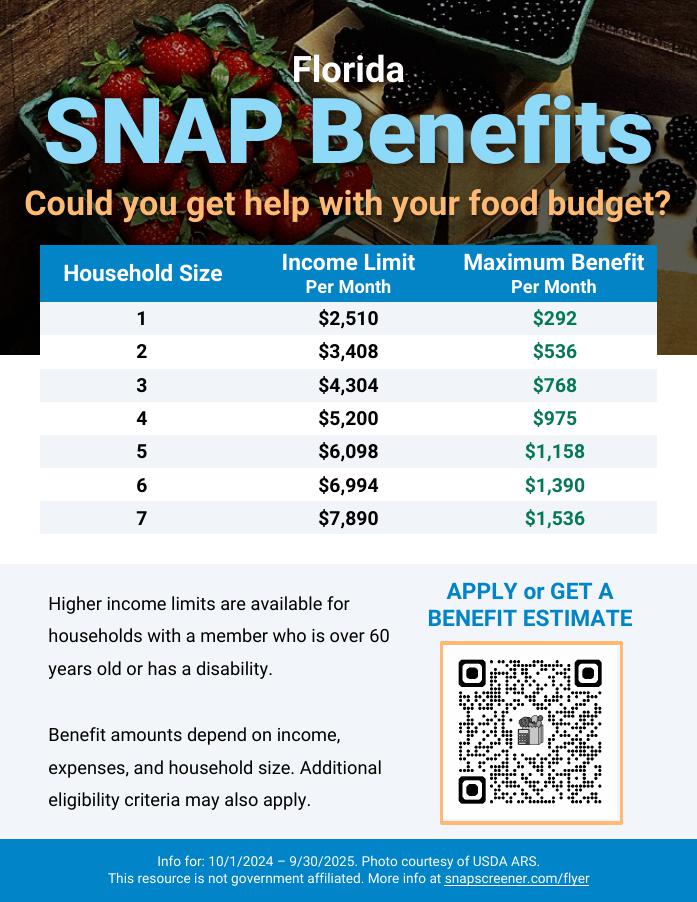
The most significant factor in determining SNAP eligibility is your household’s gross and net income compared to the federal poverty level. Gross income is your total income before any deductions, while net income is your income after certain allowable deductions (such as a standard deduction, earned income deduction, and deductions for dependent care, medical expenses, and shelter costs). Generally, for most households, gross income must be at or below 130% of the federal poverty level, and net income must be at or below 100% of the federal poverty level. These limits vary annually and depend directly on the number of people in your household. For households with an elderly (age 60 or older) or disabled member, only the net income limit applies.
Asset Limits
In addition to income, Florida also considers certain assets when determining SNAP eligibility. Most households must have $2,750 or less in countable assets. However, this limit increases to $4,250 if at least one household member is age 60 or older or has a disability. It’s important to note that certain assets are excluded from this calculation, such as the home you live in, one vehicle per household, and retirement accounts. Understanding what counts as a countable asset versus an excluded asset is crucial for accurately reporting your financial situation.
Work Requirements and Exemptions
Most able-bodied adults without dependents (ABAWDs) between the ages of 18 and 50 are subject to work requirements. This generally means they must be working or participating in a work program for at least 20 hours per week, or be registered for work. Failure to meet these requirements can lead to a time limit on benefits. However, there are various exemptions from these work requirements, including those who are medically unfit for work, pregnant, caring for a child under 6, or participating in a drug or alcohol treatment program. Additionally, Florida occasionally receives waivers for these time limits in certain areas, particularly during times of high unemployment or disaster.
Residency and Citizenship Status
To receive SNAP benefits in Florida, you must be a U.S. citizen or a qualified non-citizen. Qualified non-citizens include legal permanent residents, refugees, asylum seekers, and others with specific immigration statuses. While you must reside in Florida to apply for benefits in the state, there is no minimum period of residency required before you can apply. Each household member must also have a Social Security Number (SSN) or have applied for one. These requirements ensure that the program targets those legally residing within the state and eligible under federal guidelines.
Maximizing Your SNAP Benefits and Support
Once approved for SNAP benefits, understanding how to effectively use your EBT card and connect with additional resources can significantly enhance your household’s food security and overall well-being. The program is designed to be a stepping stone, and leveraging all available support can make a substantial difference.
Understanding Your EBT Card
Your EBT card is the primary tool for accessing your SNAP benefits. It works just like a debit card. Once your benefits are loaded onto the card, you can use it at most grocery stores, supermarkets, and even some farmers’ markets and online retailers that accept SNAP. You’ll enter a Personal Identification Number (PIN) to authorize purchases, similar to a bank card. It’s vital to keep your EBT card and PIN secure. If your card is lost, stolen, or damaged, contact the Florida EBT customer service line immediately to report it and request a replacement. Benefits are typically loaded once a month, on a staggered schedule determined by the last digit of your case number.
Where to Use Your Benefits
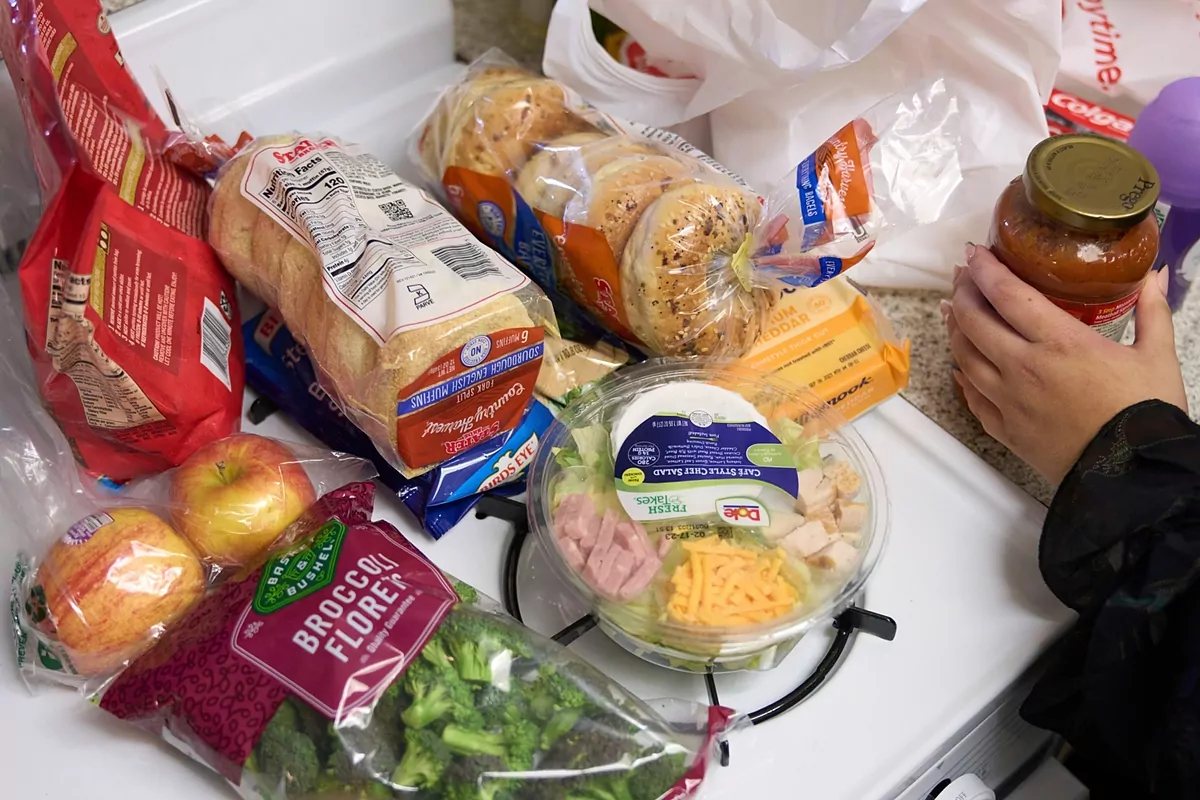
SNAP benefits can be used to buy most food items for your household, including fruits, vegetables, meat, poultry, fish, dairy products, breads, cereals, and snack foods. You can also purchase seeds and plants that produce food for the household to eat. However, there are strict limitations on what cannot be bought with SNAP benefits. These include alcoholic beverages, tobacco products, vitamins or medicines, hot foods prepared for immediate consumption (e.g., fast food, deli hot meals), and non-food items like pet food, cleaning supplies, and paper products. Many farmers’ markets offer incentives, such as “Fresh Access Bucks,” that double the value of SNAP benefits for fresh produce, further stretching your food budget.
Additional Resources and Assistance
Receiving SNAP benefits can open doors to other supportive programs and resources. Many food banks and pantries work in conjunction with SNAP to provide supplemental food assistance. Organizations like Feeding Florida offer directories of local food assistance programs. Additionally, SNAP recipients may automatically qualify for other benefits, such as reduced-cost utility programs, discounted internet services, and waivers for certain fees. Check with the Florida Department of Children and Families or community service agencies to inquire about these “wrap-around” services that can further support your household’s stability. Connecting with these resources can create a more holistic support system.
Reporting Changes
It is a critical responsibility of SNAP recipients to report any changes in their household’s circumstances promptly. This includes changes in income, employment status, household members, residency, or asset levels. Failure to report changes within the required timeframe (usually within 10 days of the change) can result in an overpayment of benefits, which you would then be required to repay, or even an interruption or termination of benefits. Regularly updating your information ensures that your benefits are accurately calculated and that you remain in compliance with program rules, helping to maintain uninterrupted food assistance for your family.
Navigating the path to food security in Florida through the SNAP program is a structured process designed to assist those in need. By understanding the eligibility criteria, meticulously completing the application, and utilizing your benefits wisely, individuals and families can gain access to the nutritious food essential for a healthy lifestyle. Remember that assistance is available, and connecting with the proper resources can make a significant difference in ensuring food on your table.
LifeOutOfTheBox is a participant in the Amazon Services LLC Associates Program, an affiliate advertising program designed to provide a means for sites to earn advertising fees by advertising and linking to Amazon.com. Amazon, the Amazon logo, AmazonSupply, and the AmazonSupply logo are trademarks of Amazon.com, Inc. or its affiliates. As an Amazon Associate we earn affiliate commissions from qualifying purchases.