
Navigating the complexities of divorce is challenging enough, but when the financial future of one or both parties is at stake, the intricacies of alimony become a critical concern. In Florida, the system for determining and awarding spousal support, commonly known as alimony, is unique, comprehensive, and often subject to significant judicial discretion. Unlike some states that employ rigid formulas, Florida’s approach is more nuanced, aiming to achieve fairness based on the specific circumstances of each case. Understanding the mechanisms of alimony in the Sunshine State is essential for anyone facing marital dissolution, offering a clearer picture of potential financial obligations and entitlements.

Understanding the Fundamentals of Alimony in Florida
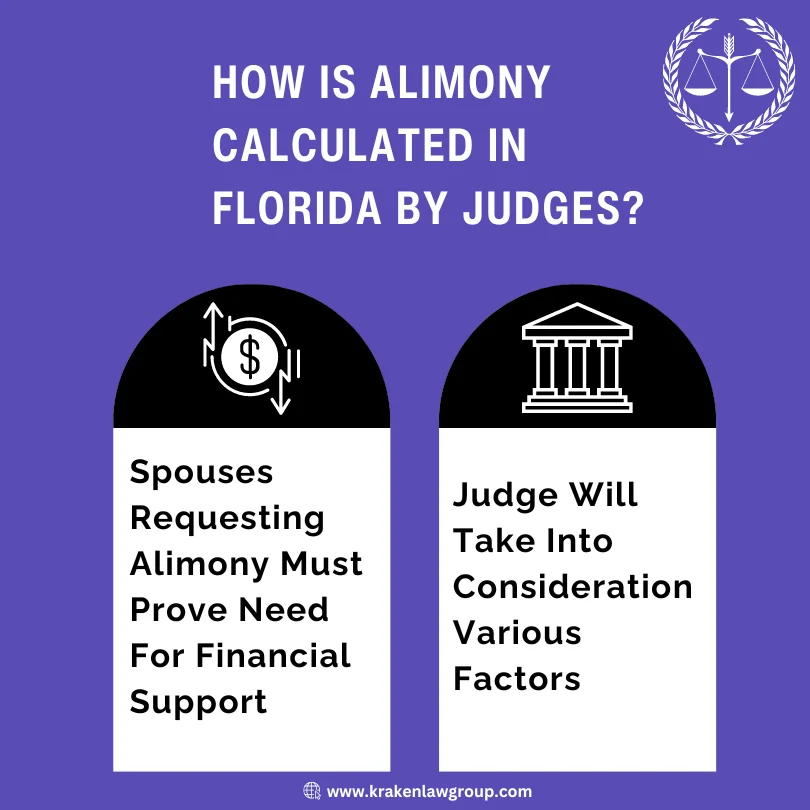
Alimony is a financial provision ordered by a court for one spouse to pay the other after a divorce. Its primary purpose is to provide economic support to a spouse who is in need and unable to adequately support themselves, typically to maintain a lifestyle similar to that enjoyed during the marriage. In Florida, alimony is not automatically awarded; it must be requested by one of the parties.
What is Alimony?
At its core, alimony serves as a bridge, helping a spouse transition to financial independence or maintain a reasonable standard of living post-divorce. It recognizes that marital contributions are not always purely financial and that one spouse may have sacrificed career advancement to raise children, support the other’s career, or manage the household. While often associated with long-term marriages, alimony can be awarded in various forms, depending on the length of the marriage and the specific needs and abilities of the spouses. The determination process in Florida is highly individualized, reflecting the state’s commitment to addressing the unique circumstances of each divorce.
Legal Basis: Florida Statutes
The framework for alimony in Florida is primarily outlined in Florida Statutes § 61.08. This statute empowers the court to award alimony to either spouse, outlining a comprehensive list of factors that judges must consider when deciding whether to award alimony, what type of alimony to award, and the amount and duration of such an award. The statute grants significant discretion to the courts, emphasizing a holistic review of the marital relationship and the parties’ post-divorce needs. This flexibility ensures that while general guidelines exist, each case receives a tailored consideration, preventing a one-size-fits-all outcome that might be inequitable in certain situations. The statute was notably updated in 2023, revising previous guidelines and emphasizing new considerations for judges.
Factors Influencing Alimony Awards
Florida’s courts consider a multitude of factors when determining alimony. These factors guide judicial discretion and ensure a fair and equitable outcome. Key considerations include:
- Standard of Living During the Marriage: The lifestyle established during the marriage is a crucial benchmark.
- Duration of the Marriage: Florida law categorizes marriages into short-term (under 7 years), moderate-term (7 to 17 years), and long-term (17 years or more), which significantly impacts the type and duration of alimony.
- Age and Physical and Emotional Condition of Each Party: Health issues or age can impact a spouse’s ability to work and become self-supporting.
- Financial Resources and Income of Each Party: This includes marital and non-marital assets and any income derived from them.
- Earning Capacities, Educational Levels, Vocational Skills, and Employability: The court assesses each spouse’s potential to generate income.
- Contribution of Each Party to the Marriage: This includes contributions to the care and education of children, as well as career-building of the other party.
- Responsibilities for Minor Children: If one spouse will have primary responsibility for minor children, it may affect their ability to work.
- Any Other Factor Necessary to Do Equity and Justice: This catch-all provision allows judges broad discretion to consider unique circumstances.
These factors ensure that the court’s decision is comprehensive, taking into account both tangible and intangible contributions to the marriage.
Types of Alimony Available in Florida
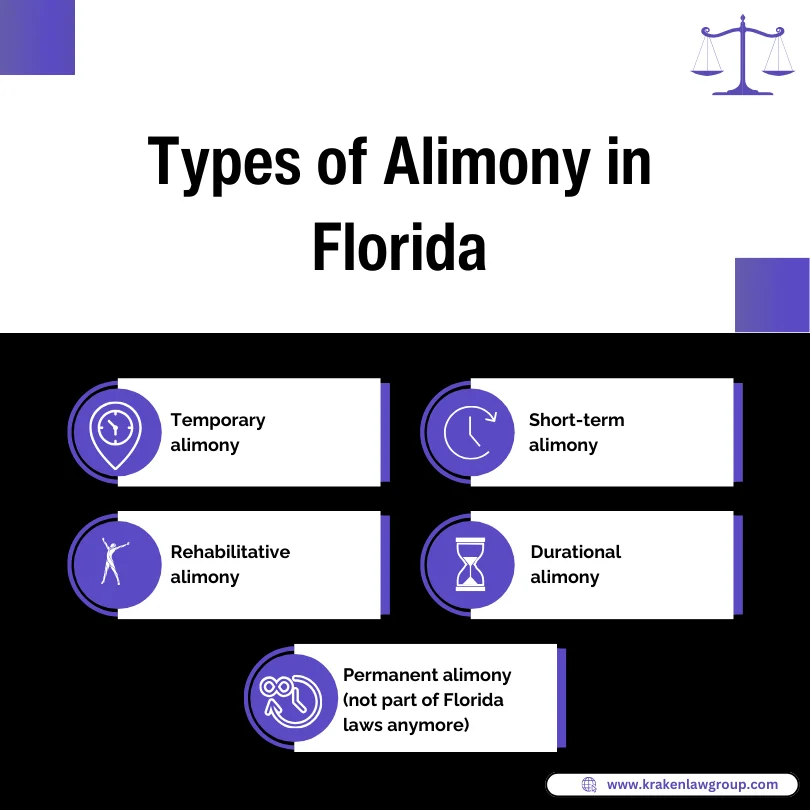
Florida law provides for several distinct types of alimony, each designed to address specific needs and situations arising from a divorce. The court will determine which type, or combination of types, is most appropriate based on the statutory factors.
Temporary Alimony
As its name suggests, temporary alimony is awarded during the pendency of divorce proceedings. Its purpose is to maintain the financial status quo for both parties until a final judgment of dissolution of marriage is entered. This ensures that neither spouse faces undue financial hardship during what can often be a lengthy legal process. Temporary alimony ceases once the divorce is finalized or as ordered by the court.
Bridge-the-Gap Alimony
Bridge-the-gap alimony is a short-term award designed to assist a spouse in making the transition from being married to being single. It is intended to cover identifiable, legitimate short-term needs and is limited in duration. This type of alimony cannot be modified in amount or duration and terminates upon the death of either spouse or the remarriage of the recipient. For example, it might cover expenses while a spouse finds new housing or establishes a new financial routine.
Rehabilitative Alimony
Rehabilitative alimony is awarded to help a disadvantaged spouse become self-supporting. This typically involves providing funds for education, training, or re-establishing a career. The spouse seeking rehabilitative alimony must present a specific plan outlining the steps they will take to gain the necessary skills or education. The court must approve this plan. This type of alimony has a defined term and can be modified if the plan is not being followed or if circumstances change significantly.
Durational Alimony
Introduced as an alternative to permanent alimony for marriages of moderate duration, durational alimony is awarded for a fixed period not exceeding the length of the marriage. It is appropriate when permanent alimony is inappropriate, but there is still a need for economic assistance. The amount of durational alimony can be modified based on a substantial change in circumstances, but its duration cannot be extended beyond the original term, except in exceptional circumstances. The 2023 statutory changes placed a greater emphasis on durational alimony for moderate and long-term marriages.
Permanent Alimony
Permanent alimony is intended to provide for the needs and necessities of a spouse who lacks the financial ability to support themselves after a long-term marriage (typically 17 years or more). It is often awarded when one spouse has limited earning capacity and cannot achieve a standard of living reasonably comparable to that enjoyed during the marriage. Under the 2023 revisions, permanent alimony is largely reserved for long-term marriages where no other form of alimony is appropriate and where one spouse cannot become self-supporting. It terminates upon the death of either party or the remarriage of the recipient and can be modified if there is a substantial, material, and involuntary change in circumstances.
Lump Sum Alimony
Lump sum alimony is a non-modifiable, fixed amount of money paid either as a single payment or in installments. While it functions as a form of alimony, it is often utilized to effectuate an equitable distribution of marital assets rather than ongoing support. It can be awarded to equalize the distribution of property or to provide a specific sum in lieu of other forms of alimony. Once ordered, it is typically not subject to modification.
The Alimony Calculation Process and Judicial Discretion
One of the most distinctive aspects of alimony in Florida is the absence of a rigid mathematical formula for its calculation. Instead, judges employ significant discretion, carefully weighing the statutory factors to arrive at an equitable outcome.
No Formula: Case-by-Case Assessment
Unlike child support, which is calculated using statutory guidelines, Florida courts do not use a fixed formula for alimony. This means that two cases with seemingly similar facts might yield different alimony awards, depending on how a judge interprets the various statutory factors and the specific evidence presented. This approach emphasizes individualized justice, allowing the court to consider the unique nuances of each marriage and the parties’ respective financial situations. For instance, a judge in Miami might weigh certain factors differently than a judge in Orlando, based on local economic conditions or specific judicial philosophy, though both are bound by Florida Statutes.
Key Considerations for the Court
When deciding on alimony, judges will scrutinize a wide range of financial and non-financial details. This includes evaluating each party’s current income, potential earning capacity, assets, debts, and monthly expenses. The standard of living established during the marriage is paramount, as the court aims to ensure, to the extent possible, that both parties can maintain a reasonably similar lifestyle, especially after long-term marriages. The contributions of each spouse, whether financial or domestic (e.g., caring for the home and children), are also carefully weighed. Judges in counties like Broward County or Palm Beach will meticulously review financial affidavits and testimony to determine the true needs and ability to pay.
The Role of Financial Disclosures
Accurate and complete financial disclosures are absolutely critical in any Florida divorce case involving alimony. Both parties are typically required to file a comprehensive financial affidavit, detailing their income, assets, liabilities, and monthly expenses. This document forms the bedrock of the court’s financial analysis. Any inaccuracies or omissions can have severe consequences, potentially leading to sanctions, delays, or even a reversal of judgment on appeal. Transparency in financial matters is key to enabling the court to make an informed and equitable alimony decision.
Modifying and Terminating Alimony Orders
Alimony orders are not always set in stone. Circumstances can change significantly after a divorce, prompting the need for modification or termination of alimony payments.
Grounds for Modification
To modify an existing alimony order in Florida, the party seeking the change must demonstrate a “substantial, material, and involuntary change in circumstances” since the entry of the last order. Examples of such changes might include a significant increase or decrease in either party’s income, a debilitating illness, or the involuntary loss of employment. The burden of proof lies with the party seeking the modification. Courts in cities like Tampa or Fort Lauderdale frequently hear these petitions.
Events Leading to Termination
Certain events automatically trigger the termination of alimony payments. For permanent alimony and often for durational alimony, these include:
- Remarriage of the Recipient: If the spouse receiving alimony remarries, the alimony obligation typically ceases.
- Death of Either Party: The death of either the payor or the recipient spouse generally terminates the alimony obligation.
- Cohabitation: In Florida, if the recipient of permanent alimony enters into a supportive relationship with another person, it may be grounds for modification or termination of alimony. The court will examine factors similar to those of a marriage, such as commingled finances and shared living arrangements, to determine if a “supportive relationship” exists.
Enforcement of Alimony Orders
If a party fails to comply with an alimony order, the recipient spouse has several legal avenues for enforcement. These include filing a motion for contempt of court, which can result in sanctions ranging from fines to incarceration. Other enforcement mechanisms include income withholding orders, where alimony payments are directly deducted from the payor’s paycheck, and judgment liens against property. The Florida Courts take non-compliance seriously to ensure ordered support is provided.
Navigating Alimony: Practical Considerations and Legal Counsel
The complexities of alimony in Florida underscore the importance of careful planning and expert guidance.
The Importance of Legal Representation
Given the absence of a formulaic approach and the significant judicial discretion involved, navigating alimony disputes in Florida is exceedingly complex. Retaining an experienced family law attorney is crucial. A skilled lawyer can help evaluate your case, present compelling arguments based on the statutory factors, negotiate favorable settlements, and represent your interests effectively in court. Whether you are seeking alimony or are likely to be obligated to pay, legal counsel can significantly impact the outcome.
Mediation and Settlement
Many alimony disputes in Florida are resolved through mediation rather than contentious litigation. Mediation is a process where a neutral third party helps divorcing spouses communicate and negotiate a mutually agreeable settlement. This can often lead to more amicable and creative solutions than those imposed by a court, saving time, money, and emotional strain. Settlement agreements reached through mediation are then presented to the court for approval, becoming legally binding orders.
Understanding the Long-Term Impact
Alimony has profound long-term financial and lifestyle implications for both the payor and the recipient. For the recipient, it can be a vital lifeline for rebuilding financial stability and maintaining a reasonable standard of living. For the payor, it represents a significant ongoing financial obligation that can impact retirement planning, new investments, and personal budgeting. Understanding these long-term impacts is crucial for making informed decisions during the divorce process and for financial planning in the years that follow. The shifting landscape of alimony, especially with the 2023 legislative changes in Tallahassee, demands a forward-looking perspective on financial independence and security.
LifeOutOfTheBox is a participant in the Amazon Services LLC Associates Program, an affiliate advertising program designed to provide a means for sites to earn advertising fees by advertising and linking to Amazon.com. Amazon, the Amazon logo, AmazonSupply, and the AmazonSupply logo are trademarks of Amazon.com, Inc. or its affiliates. As an Amazon Associate we earn affiliate commissions from qualifying purchases.