
For anyone contemplating a journey along Florida’s vibrant Atlantic coast, understanding the logistics of travel between key destinations is paramount. One common query for both residents and visitors alike revolves around the distance and travel time separating two of the state’s notable cities: Jacksonville, the sprawling metropolis of North Florida, and Daytona Beach, the iconic “World’s Most Famous Beach.” Whether you’re planning a weekend getaway, a business trip, or simply exploring the beautiful coastal regions, knowing the precise distance and the various modes of transport available is the first step toward a smooth and enjoyable experience. This guide delves into all aspects of traversing the route from Jacksonville to Daytona Beach, offering insights for an optimized journey.

The Straightforward Answer: Distance and Driving Time
Planning any trip begins with a fundamental understanding of the journey’s length and expected duration. The route between Jacksonville and Daytona Beach is a well-traveled corridor, primarily utilizing one of Florida’s major interstate highways.
Unpacking the Miles: Official Distance
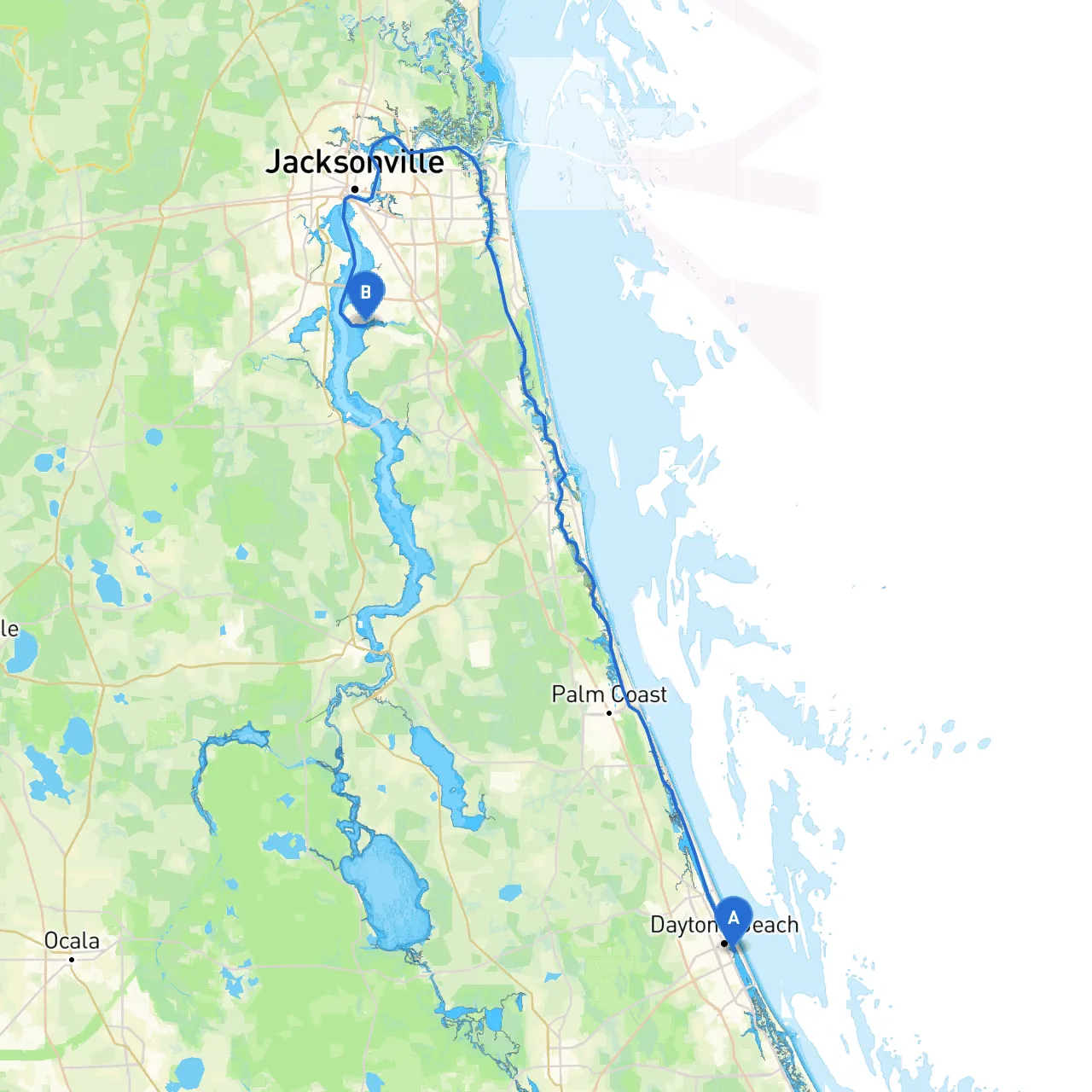
The approximate driving distance from downtown Jacksonville to Daytona Beach is generally 90 to 95 miles (about 145-153 kilometers), depending on your exact starting point in Jacksonville and your specific destination within Daytona Beach. This measurement typically accounts for the most direct and commonly used driving routes. For travelers seeking a scenic detour or a slightly different path, the mileage might vary slightly, but the core distance remains consistent, placing these two cities comfortably within a day trip’s reach of each other.
Navigating the Clock: Estimated Travel Duration
When it comes to travel time, the drive from Jacksonville to Daytona Beach is relatively straightforward and usually takes between 1 hour and 30 minutes to 1 hour and 45 minutes. This estimate assumes favorable driving conditions, adherence to speed limits (which are generally 70 mph on the interstate), and minimal traffic congestion.
However, several factors can influence the actual travel duration:
- Traffic: As with any popular route, rush hour traffic, particularly around Jacksonville or entering/exiting Daytona Beach, can extend travel times significantly. Weekends, especially during peak seasons like spring break or major events at Daytona International Speedway, will also see increased road usage.
- Road Construction: Ongoing maintenance and construction projects on I-95 can introduce delays. It’s always advisable to check local traffic reports before embarking on your journey.
- Weather Conditions: Heavy rain, common in Florida during the summer months, can necessitate slower driving speeds, increasing the overall travel time.
- Rest Stops: Any planned stops for fuel, food, or stretching will, of course, add to the total journey time.
Considering these variables, it’s always prudent to factor in an additional 15-30 minutes beyond the baseline estimate to ensure a relaxed and unhurried arrival.
Choosing Your Path: Major Routes and Scenic Alternatives
The primary artery connecting Jacksonville and Daytona Beach is a direct and efficient interstate, but for those with more time or a desire for a different experience, alternatives exist.
The Primary Interstate Route: I-95 South
The vast majority of travelers undertaking this journey will utilize Interstate 95 South (I-95 South). This highway is the most direct and quickest route, offering multiple lanes for smooth travel, though congestion can occur as noted.
- From Jacksonville: Travelers typically access I-95 South from various points within the city, depending on their starting location. Once on I-95 South, the route is straightforward, heading south through St. Johns and Flagler counties.
- Towards Daytona Beach: I-95 passes directly by Daytona Beach, with multiple exits providing access to different parts of the city. Notable exits include those for International Speedway Boulevard (US-92), which leads directly to the beachside and the Daytona International Speedway, and LPGA Boulevard or SR-40/Granada Boulevard for northern areas.
- Advantages: This route offers the fastest travel time due to higher speed limits and fewer stops. It’s ideal for those prioritizing efficiency and directness. Signage is clear, and the highway is generally well-maintained.
Exploring Coastal or Inland Alternatives
While I-95 is the go-to, some travelers might consider alternative routes for a change of pace, though they will generally take longer.
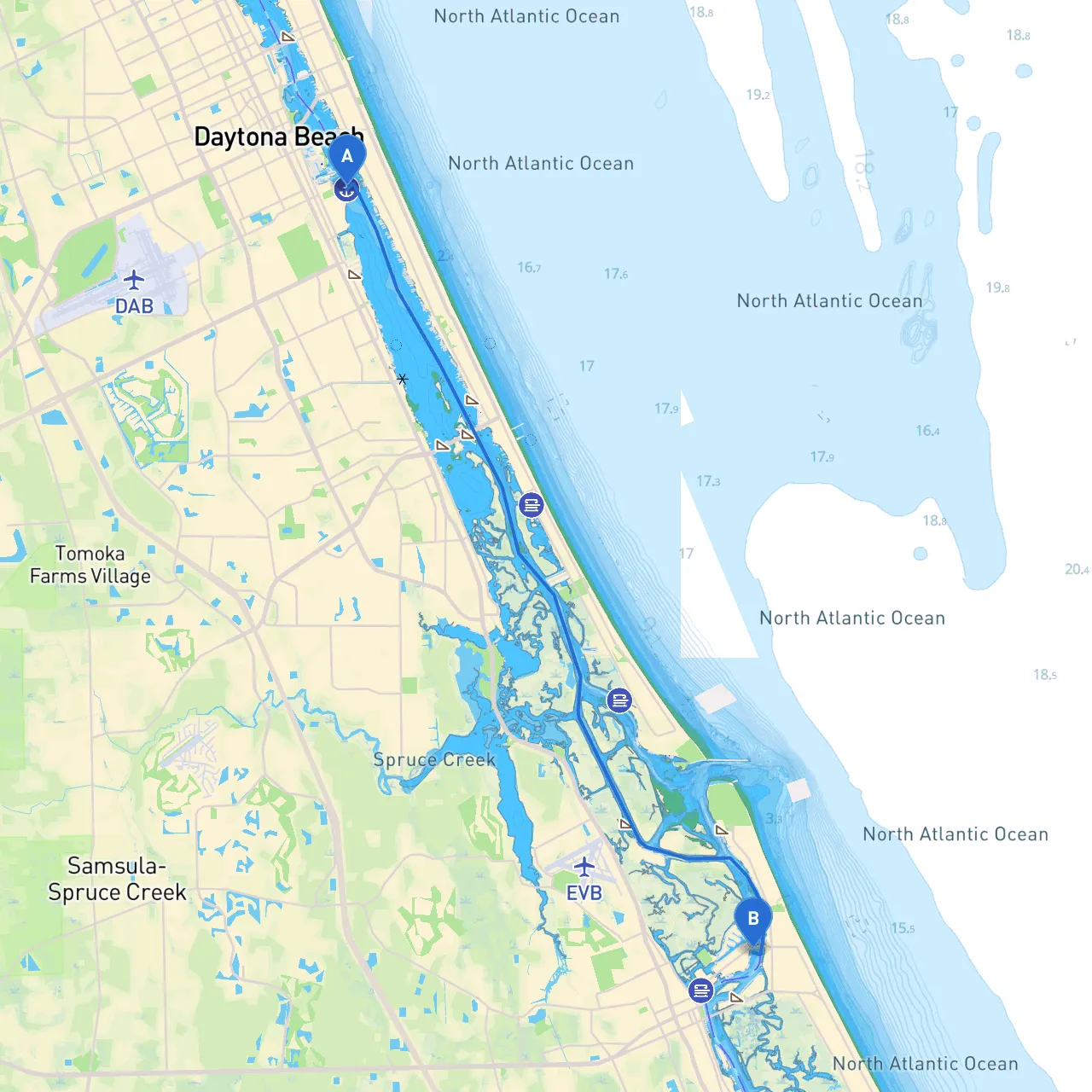
- US Highway 1 (US-1): Running parallel to I-95 but closer to the coast, US-1 offers a more localized experience. This route passes through numerous smaller towns and commercial areas, providing opportunities for local dining and shopping that you’d miss on the interstate. While more scenic in places, particularly as it skirts closer to the Intracoastal Waterway, it is significantly slower due to lower speed limits, traffic lights, and increased local traffic. This option is better suited for those with no time constraints and a desire to explore the smaller communities along Florida’s historic coastal corridor.
- State Road A1A (SR A1A): For the truly adventurous and time-rich traveler, a portion of State Road A1A (or just A1A) offers stunning ocean views as it snakes along the barrier islands. However, reaching Daytona Beach from Jacksonville solely via A1A would involve a very long and circuitous route, often requiring crossing bridges from the mainland to the islands. It’s more practical to take I-95 and then divert onto A1A once closer to Daytona Beach for the scenic last stretch. This option is typically chosen for a leisurely drive to a specific beachside destination rather than as a primary travel route between the two cities.
Beyond the Wheel: Other Transportation Options
While driving is overwhelmingly the most popular and practical method for this route, travelers have other options to consider, each with its own advantages and drawbacks.
Bus Services: A Budget-Friendly Option
For those without personal transportation or preferring not to drive, intercity bus services offer a viable alternative. Greyhound is the primary provider of bus travel in the United States and operates routes connecting Jacksonville and Daytona Beach.
- Travel Time: Bus journeys generally take longer than driving, often ranging from 2 to 3 hours, due to scheduled stops and varying routes.
- Cost: Bus tickets are typically more economical than fuel costs for a single traveler, making them an attractive option for budget-conscious individuals.
- Convenience: While offering a hands-off approach to travel, bus schedules might not always align perfectly with personal itineraries, and luggage restrictions apply. The bus terminals in both cities are usually centrally located or easily accessible via local public transport.
Ride-Sharing and Taxis: Convenience at a Premium
Services like Uber and Lyft provide door-to-door convenience, eliminating the need to navigate or worry about parking. Taxis are also available, though typically at a higher fare.
- Cost: This is usually the most expensive option for a single traveler or small group, as the cost can easily exceed $100-$150, depending on demand, time of day, and specific service level chosen.
- Flexibility: On-demand availability offers unparalleled flexibility, especially for last-minute travel plans.
- Considerations: While convenient, ensuring a driver is willing to undertake such a long trip (and the return journey) might sometimes require waiting, and surge pricing can significantly inflate fares during peak times.
Train and Air Travel: Not Typically Recommended for This Route
For the relatively short distance between Jacksonville and Daytona Beach, both train and air travel are generally impractical and inefficient.
- Train: Amtrak does not offer a direct, convenient route between these two cities that would justify its use over driving or bus travel. The closest Amtrak stations might require transfers and significantly longer travel times, making it a non-viable option for this specific journey.
- Air Travel: While both cities have airports—Jacksonville International Airport (JAX) and Daytona Beach International Airport (DAB)—there are no direct commercial flights between them. The time and cost associated with checking in, security, flying, and then ground transportation at both ends would far outweigh any perceived benefit for a journey of less than 100 miles. Air travel is reserved for much greater distances.
Planning Your Journey: Tips for a Smooth Trip
Regardless of your chosen mode of transport, a well-planned trip enhances the overall experience and helps mitigate unforeseen issues.
Best Time to Travel
Timing your journey can significantly impact your travel experience:
- Avoid Rush Hour: In Jacksonville, peak rush hour generally runs from 7:00 AM to 9:00 AM and 4:00 PM to 6:00 PM on weekdays. Departing outside these windows will help you avoid significant delays when exiting or entering the city.
- Weekend Travel: Weekends, especially Friday afternoons and Sunday evenings, can see increased traffic on I-95 as people travel to and from Florida’s beaches.
- Seasonal Considerations: Daytona Beach is a popular destination for events like Bike Week, Spring Break, and races at Daytona International Speedway. During these periods, roads will be exceptionally busy, and accommodations will be at a premium. Check event calendars before planning your trip.
Essential Road Trip Preparations
If you opt to drive, a few preparations can make a world of difference:
- Vehicle Check: Ensure your vehicle is in good working order, with adequate fuel, tire pressure, and fluid levels.
- Navigation: Use reliable GPS applications like Google Maps or Waze for real-time traffic updates, estimated arrival times, and alternative route suggestions in case of unexpected delays.
- Emergency Kit: Carry a basic emergency kit, including jumper cables, a flashlight, a first-aid kit, and water, especially if traveling during less busy hours.
- Snacks and Hydration: Pack some snacks and drinks to avoid unnecessary stops and maintain energy levels.
Pit Stops and Points of Interest Along the Way
While the drive is relatively short, a well-timed break can refresh you.
- Service Plazas: There are several exits along I-95 with gas stations, fast-food restaurants, and convenience stores, especially around the areas of St. Augustine and Palm Coast. These offer quick and easy access for a break.
- St. Augustine: If you have extra time and are interested in history, the historic city of St. Augustine is approximately halfway between Jacksonville and Daytona Beach. While it’s a detour off the most direct path to Daytona Beach, it makes for an excellent overnight stop or a longer day trip in its own right, boasting historical landmarks and charming streets. However, for a direct journey from Jacksonville to Daytona Beach, adding St. Augustine would significantly extend the travel time beyond the typical 1.5-2 hours.
Why Make the Trip? Connecting Two Florida Gems
Understanding the travel logistics is just one part of the equation; equally important is knowing the allure of these destinations. The relatively short distance makes the journey between Jacksonville and Daytona Beach a popular one, often undertaken to experience the distinct charms of each city.
Attractions in Daytona Beach
Daytona Beach is globally renowned for its wide, sandy beaches, which historically allowed cars to drive directly on the sand.
- The Beach: Naturally, the primary draw is the expansive, hard-packed sandy beach, perfect for sunbathing, swimming, and various beach activities.
- Motorsports Heritage: Home to the iconic Daytona International Speedway, the city is a mecca for racing enthusiasts, hosting the Daytona 500 and other major events.
- Daytona Beach Pier: Offering classic boardwalk attractions, fishing, and dining, the pier is a lively hub of activity.
Highlights of Jacksonville
As Florida’s most populous city by land area, Jacksonville offers a diverse urban experience.
- Riverfront Activities: The St. Johns River flows through the heart of the city, providing opportunities for boating, dining with a view, and enjoying the scenic Riverwalk.
- Cultural Hub: Jacksonville boasts a vibrant arts and culture scene, with museums, galleries, and live music venues.
- Diverse Neighborhoods: From the historic charm of San Marco to the trendy spots in Riverside and Five Points, the city offers a range of experiences.
The Appeal of the North Florida Coastline
The journey itself connects two distinct facets of Florida’s Atlantic coast. From Jacksonville’s metropolitan beaches and burgeoning urban core to Daytona Beach’s famed shores and motorsports legacy, the drive showcases the diverse appeal of the region. This proximity allows travelers to seamlessly transition from city exploration to beach relaxation, making the Jacksonville to Daytona Beach route an integral part of any North Florida travel itinerary.
LifeOutOfTheBox is a participant in the Amazon Services LLC Associates Program, an affiliate advertising program designed to provide a means for sites to earn advertising fees by advertising and linking to Amazon.com. Amazon, the Amazon logo, AmazonSupply, and the AmazonSupply logo are trademarks of Amazon.com, Inc. or its affiliates. As an Amazon Associate we earn affiliate commissions from qualifying purchases.