
Planning a trip along Florida’s scenic Atlantic coast often involves considering the practicalities of travel, especially the distance between key destinations. For many travelers starting their journey in North Florida, a common question arises: “How far is Daytona Beach from Jacksonville, Florida?” This question, while seemingly simple, opens the door to a wealth of travel insights, from optimal routes and alternative transportation methods to captivating stops along the way. Daytona Beach, renowned for its expansive sandy shores and vibrant motorsport heritage, serves as a magnetic draw for tourists seeking sun, surf, and excitement. Meanwhile, Jacksonville, as the state’s most populous city, acts as a significant northern gateway, boasting its own unique blend of urban attractions and natural beauty. Understanding the logistics of this journey is crucial for crafting an enjoyable and efficient travel experience, whether you’re embarking on a spontaneous weekend getaway or a meticulously planned family vacation. This comprehensive guide will navigate you through the distance, travel times, route options, and enriching experiences that await you on the path from Jacksonville to Daytona Beach, ensuring your journey is as memorable as the destination itself.
Understanding the Distance and Drive Time
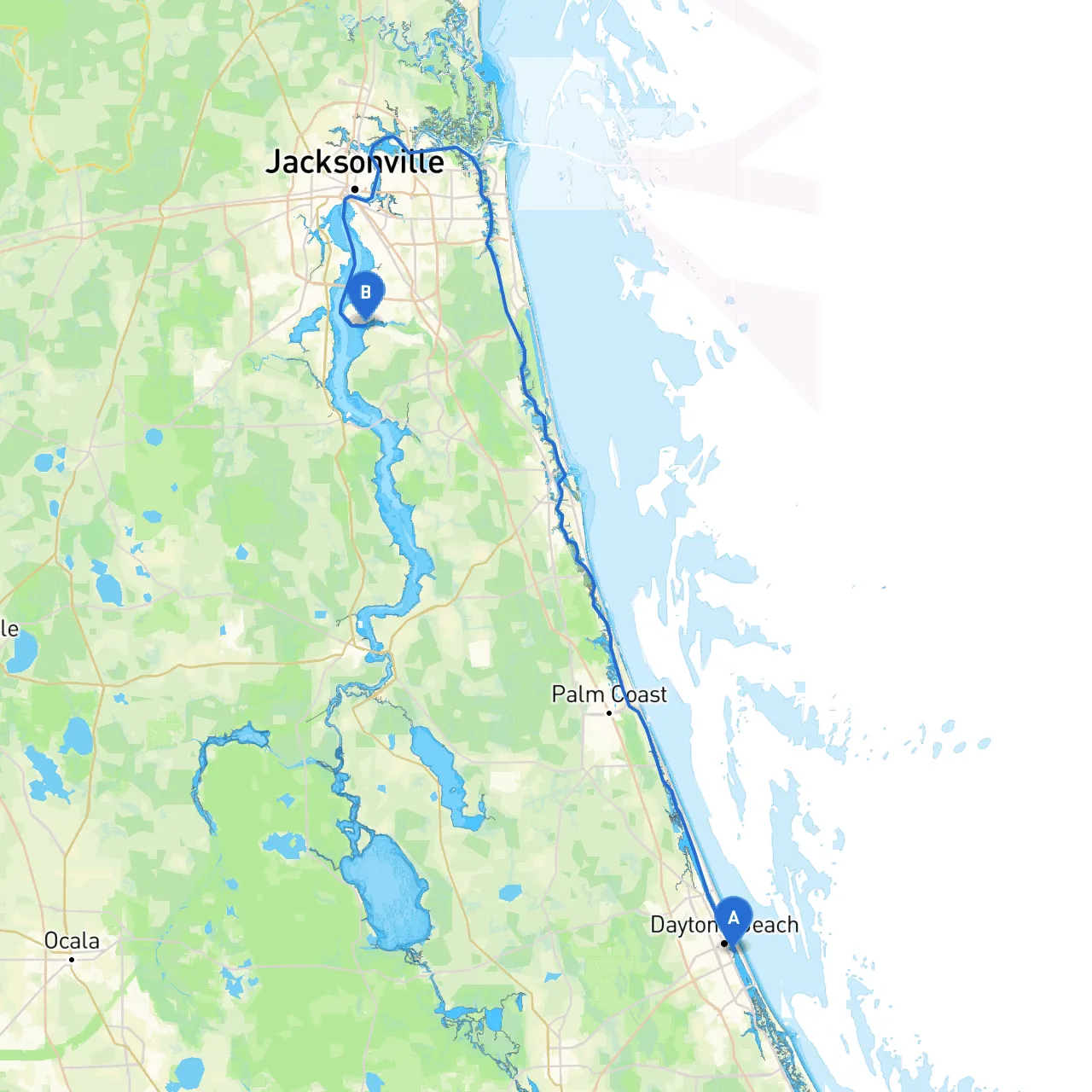
The stretch between Jacksonville, Florida and Daytona Beach is a well-traveled route, primarily along the state’s eastern seaboard. For most visitors, driving is the preferred method, offering flexibility and the opportunity to explore at one’s own pace. The geographical proximity makes this an ideal route for a day trip or a multi-day exploration of Florida’s diverse coastal offerings.
The Direct Route: I-95
The most direct and commonly used route connecting Jacksonville to Daytona Beach is via Interstate 95 (I-95). This major north-south artery runs parallel to the Atlantic coast, providing a straightforward journey with minimal turns. The distance along I-95 is approximately 90 to 95 miles (145 to 153 kilometers), depending on your exact starting point in Jacksonville and your final destination within Daytona Beach.
Under typical driving conditions, without significant traffic congestion or extended stops, the drive time averages between 1 hour and 30 minutes to 1 hour and 45 minutes. This makes the journey very manageable, allowing for ample time to enjoy either city’s attractions within a single day. Drivers will find the highway well-maintained and clearly signposted, easing navigation, especially for those unfamiliar with the area. The route takes you through a mix of coastal landscapes and suburban areas, offering glimpses of Florida’s characteristic scenery.
Factors Influencing Travel Time
While the direct route offers a reliable estimate, several factors can influence the actual travel time from Jacksonville to Daytona Beach. Understanding these can help you plan your departure and arrival more effectively.
Traffic: As with any major interstate, traffic can be a significant factor. Peak travel times, such as weekday rush hours (generally 7:00 AM to 9:00 AM and 4:00 PM to 6:00 PM) around both Jacksonville and Daytona Beach, can extend travel times. Additionally, weekends, especially during major events in Daytona Beach (like NASCAR races at the Daytona International Speedway or Bike Week), can see increased congestion, potentially adding 30 minutes or more to the journey.
Road Construction: Construction projects on I-95 are common and can lead to lane closures or detours, impacting travel speed. It’s advisable to check real-time traffic updates through GPS applications or local traffic reports before embarking on your trip.
Weather Conditions: Florida’s weather can be unpredictable, particularly during the summer hurricane season. Heavy rain, thunderstorms, or fog can reduce visibility and necessitate slower driving speeds, thereby increasing travel time.
Rest Stops and Detours: While not strictly part of the “travel time,” planned or unplanned stops for fuel, food, or restroom breaks will naturally add to the overall duration of your journey. Accounting for these can prevent rushed travel and enhance the road trip experience.
Exploring Your Travel Options
While driving remains the most popular choice, several other transportation methods connect Jacksonville, Florida and Daytona Beach, catering to different preferences and budgets. Exploring these options can provide flexibility and convenience, depending on your travel style.
Driving: The Most Popular Choice
As highlighted, driving offers unparalleled freedom and directness. Renting a car in Jacksonville is a straightforward process, with numerous rental agencies available at Jacksonville International Airport and throughout the city. The cost of gasoline and potential tolls (though the main I-95 route is generally toll-free in this section) are the primary expenses. This option is ideal for those planning to explore beyond Daytona Beach’s immediate vicinity, visit surrounding attractions, or simply prefer the privacy and comfort of their own vehicle.
Bus Services: An Economical Alternative
For budget-conscious travelers or those who prefer not to drive, intercity bus services provide a viable option. Greyhound operates routes connecting Jacksonville to Daytona Beach with daily departures. The journey duration by bus is typically longer than driving, often ranging from 2 to 3 hours, as it includes scheduled stops along the way. While less flexible than driving, bus travel offers a cost-effective solution, allowing passengers to relax and enjoy the scenery without the stress of navigation or parking.
Air Travel: A Less Direct Option
While both cities have airports, flying directly from Jacksonville International Airport (JAX) to Daytona Beach International Airport (DAB) is generally not practical due to the short distance. There are no direct commercial flights between the two, and connecting flights would involve significant layovers, making the total travel time far exceeding that of driving or even bus travel. Air travel might only be considered for private charters or if connecting to a broader travel itinerary involving other distant destinations.
Train Travel: Limited Directness
Amtrak offers train services through Florida, but direct service connecting Jacksonville to Daytona Beach is not available. The closest Amtrak station to Daytona Beach is in DeLand, requiring an additional bus or taxi transfer of about 30-45 minutes. Therefore, while train travel offers a unique experience, it is not the most efficient or direct option for this specific route.
What to See Along the Way: Coastal Florida’s Charms
The journey from Jacksonville to Daytona Beach along I-95 is more than just a transit; it’s an opportunity to discover some of Florida’s most captivating coastal towns and historic sites. Planning a few strategic stops can enrich your travel experience and turn a simple drive into a memorable road trip adventure.

St. Augustine: A Historic Gem
Approximately 40 miles south of Jacksonville lies St. Augustine, the nation’s oldest continuously inhabited European-established settlement. A detour into this charming city is highly recommended for history buffs and anyone interested in colonial architecture and rich cultural heritage. Allow at least a few hours, or even a full day, to explore its iconic attractions.
Walk along the cobbled streets, visit the imposing Castillo de San Marcos, explore the historic St. George Street with its unique shops and eateries, or ascend the St. Augustine Lighthouse & Maritime Museum for panoramic views. St. Augustine offers a distinct contrast to the modern vibrancy of Daytona Beach, providing a fascinating glimpse into Florida’s past.
Palm Coast: Nature’s Retreat
Further south, between St. Augustine and Daytona Beach, you’ll encounter Palm Coast. This area is renowned for its pristine natural beauty, extensive network of biking and walking trails, and serene waterways. If you’re looking for a quieter, nature-focused stop, Palm Coast provides ample opportunities for outdoor recreation.
Explore the lush landscapes of Washington Oaks Gardens State Park, known for its majestic live oaks and coquina rock formations on the beach. Or, enjoy kayaking and paddleboarding along the Intracoastal Waterway. Palm Coast offers a refreshing break from the highway and a chance to immerse yourself in Florida’s diverse ecosystems.
Ormond Beach: A Quieter Beach Town
Just north of Daytona Beach lies Ormond Beach, often referred to as “The Birthplace of Speed” due to its early role in automobile racing. While sharing the same magnificent coastline, Ormond Beach generally offers a more relaxed and less crowded atmosphere than its bustling southern neighbor.
It’s an excellent place for a quick stop to enjoy the quieter stretches of beach, visit the Ormond Memorial Art Museum & Gardens, or explore the historic home of millionaire industrialist John D. Rockefeller at The Casements. Ormond Beach provides a perfect transition into the lively atmosphere of Daytona Beach, allowing you to experience both tranquility and excitement on your journey.
Preparing for Your Trip: Essential Tips
A well-prepared traveler ensures a smooth and enjoyable journey. Whether you’re making a quick dash or planning to linger, a few essential tips can enhance your experience from Jacksonville to Daytona Beach.
Best Time to Travel
The ideal time to travel along Florida’s coast largely depends on your preferences. For pleasant weather and fewer crowds, the fall (September to November) and spring (March to May) months are generally best. Temperatures are moderate, and the humidity is lower. Summer can be hot and humid with frequent afternoon thunderstorms, while winter offers cooler temperatures, attracting “snowbirds” from colder climates. Be mindful of major events in Daytona Beach (e.g., Daytona 500, Bike Week) as they significantly increase traffic, hotel prices, and crowd levels.
Packing Essentials
For any trip to Florida’s coast, regardless of the season, essential items include:
- Sun Protection: Sunscreen, hats, and sunglasses are non-negotiable.
- Light Clothing: Breathable fabrics are key in Florida’s climate.
- Swimwear: You’re heading to the beach, after all!
- Comfortable Walking Shoes: Especially if you plan to explore historic sites or state parks.
- Rain Gear: A light rain jacket or umbrella can be useful for sudden showers.
- Chargers and Power Banks: For your devices, particularly if using GPS.
Road Trip Planning Resources
Leverage modern technology to streamline your journey. Use GPS apps like Google Maps or Waze for real-time traffic updates, estimated arrival times, and alternative routes. Check local weather forecasts for both Jacksonville and Daytona Beach and any planned stops. If you’re interested in roadside attractions, consider apps or websites dedicated to road trip planning that highlight unique points of interest. Booking accommodations in advance, especially during peak seasons or events, is always a wise decision.
Discovering Daytona Beach: Beyond the Miles
Upon arriving in Daytona Beach, you’ll quickly realize that the journey, while engaging, was merely the prelude to a vibrant and exciting destination. Known globally as “The World’s Most Famous Beach,” Daytona Beach offers a diverse array of attractions and activities that cater to every interest, from adrenaline junkies to those seeking tranquil relaxation.
Iconic Attractions
The city’s most famous landmark is undoubtedly the Daytona International Speedway, a mecca for motorsport enthusiasts. Taking a tour of this legendary track, or even catching a race, is an unforgettable experience. Beyond the speedway, the Daytona Beach Pier stretches out into the Atlantic, offering fishing opportunities, dining, and stunning ocean views. For a touch of history and breathtaking panoramas, visit the Ponce de Leon Inlet Lighthouse & Museum, Florida’s tallest lighthouse.
Outdoor Activities
The main draw, of course, is the beach itself. Daytona Beach boasts 23 miles of pristine coastline, with hard-packed sand that famously allows cars to drive on certain sections. Beyond sunbathing and swimming, visitors can enjoy surfing, paddleboarding, and jet-skiing. For nature lovers, the Marine Science Center offers insight into local marine life and bird rehabilitation. Numerous parks and nature trails also provide opportunities for hiking, biking, and birdwatching, allowing you to connect with Florida’s natural beauty.
Dining and Entertainment
Daytona Beach’s dining scene is as varied as its attractions, offering everything from fresh seafood shacks to upscale restaurants. Enjoy oceanfront dining with spectacular views or explore local eateries for a taste of authentic Florida flavors. For evening entertainment, the city comes alive with live music venues, bars, and family-friendly attractions like Daytona Lagoon Waterpark, ensuring there’s always something to do after the sun sets. The boardwalk area itself is a hub of activity, with arcades, rides, and street performers adding to the lively atmosphere.
In conclusion, the journey from Jacksonville, Florida to Daytona Beach is a relatively short and straightforward one, spanning approximately 90-95 miles via I-95 and taking about 1.5 to 1.75 hours by car. However, the true value of this route lies not just in the destination, but in the myriad of experiences available along the way and upon arrival. From historic St. Augustine to the natural havens of Palm Coast and the iconic attractions of Daytona Beach, this coastal stretch of Florida promises a journey filled with discovery, excitement, and lasting memories.
LifeOutOfTheBox is a participant in the Amazon Services LLC Associates Program, an affiliate advertising program designed to provide a means for sites to earn advertising fees by advertising and linking to Amazon.com. Amazon, the Amazon logo, AmazonSupply, and the AmazonSupply logo are trademarks of Amazon.com, Inc. or its affiliates. As an Amazon Associate we earn affiliate commissions from qualifying purchases.