
For anyone planning a trip within the Sunshine State, understanding the distances between key cities is fundamental to seamless travel. The question of “How far is Gainesville from Jacksonville, Florida?” is a common one for students, families, business travelers, and adventurers looking to explore the diverse landscapes of North Central Florida and Northeast Florida. This guide delves into the specifics of this journey, offering insights into distance, travel times, transportation options, and what to consider for a smooth and efficient trip between these two prominent Florida cities. Whether you’re commuting for work, visiting loved ones, attending a game, or simply exploring, knowing the ins and outs of this route will empower you to make informed travel decisions.
The Straightforward Journey: Distance and Drive Time
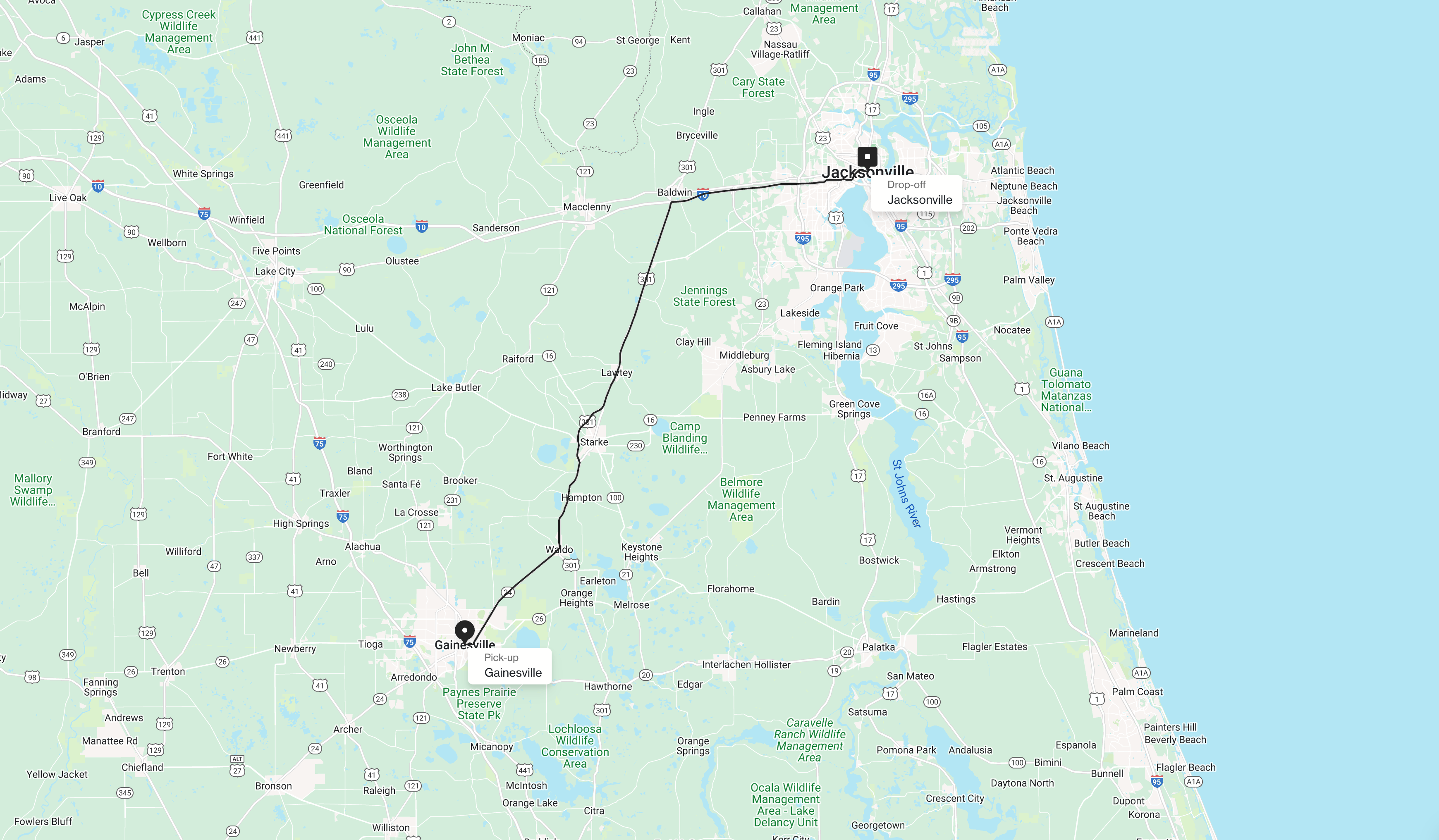
The distance between Gainesville and Jacksonville is relatively manageable, making it a popular route for day trips, weekend getaways, and regular commutes. Understanding the exact mileage and the typical time it takes to traverse this stretch of Florida highway is the first step in planning any successful journey.
Unpacking the Miles: The Direct Route
The most common and direct route connecting Gainesville to Jacksonville typically involves a combination of major interstate highways. Travelers can expect to cover an average distance of approximately 70 to 75 miles (113 to 121 kilometers), depending on the specific starting and ending points within each city. This relatively short distance makes the journey appealing for those seeking convenience without committing to extended periods of travel.
The primary artery for this trip is often a segment of Interstate 10 (I-10) or U.S. Route 301 (US-301), connecting to various state roads. From Gainesville, drivers typically head northeast on U.S. Route 301 or connect to Interstate 75 (I-75) before transitioning to Interstate 10 eastbound towards Jacksonville. The route is generally well-maintained and clearly signposted, ensuring a straightforward drive for most travelers.
Factors Influencing Travel Duration
While the mileage provides a baseline, the actual time spent on the road can fluctuate based on several variables. On average, a direct drive from Gainesville to Jacksonville typically takes between 1 hour and 15 minutes to 1 hour and 45 minutes. However, this estimate is contingent on a few key factors:
- Traffic Conditions: As with any urban and inter-city travel, traffic can significantly impact travel times. Peak commuting hours (morning and late afternoon/early evening) around both Gainesville and Jacksonville, especially on major arteries like Interstate 10 and Interstate 95 (I-95) in Jacksonville, can extend the journey. Weekend traffic, particularly during popular event times, can also lead to delays.
- Time of Day: Traveling during off-peak hours can often shave valuable minutes off your total travel time. Early mornings, late evenings, or mid-day travel typically offer less congested roads.
- Day of the Week: Weekdays during business hours tend to be busier than weekends, though special events in either city can alter this pattern.
- Road Construction: Florida is continuously developing, and road construction projects can occur at any time, potentially causing detours or slowdowns. It’s always wise to check for real-time traffic updates before departing.
- Weather Conditions: While Florida is known for its sunshine, sudden heavy rainfall, especially during the summer thunderstorm season, can reduce visibility and necessitate slower driving speeds, thereby increasing travel time.
By accounting for these variables, travelers can better anticipate their arrival time and plan their journey accordingly, ensuring a less stressful experience on the road.
Navigating Your Options: Modes of Transportation
While driving is undoubtedly the most popular way to travel between Gainesville and Jacksonville, it’s not the only option. Depending on your preferences for cost, convenience, and travel experience, several transportation methods are available.
Driving: The Most Popular Choice
For the vast majority of travelers, driving personal vehicles or renting a car is the preferred method for this route. The main advantages include:
- Flexibility: Drivers have complete control over their schedule, departure times, and any stops they wish to make along the way.
- Convenience: Having a car offers unparalleled convenience for exploring both Gainesville and Jacksonville upon arrival, as public transport options within these cities may not cover all desired destinations comprehensively.
- Cost-Effectiveness (for groups): For families or groups traveling together, sharing fuel costs can make driving more economical than purchasing multiple bus tickets.
The primary route usually involves heading north from Gainesville on U.S. Route 301 until you reach Interstate 10 (I-10) eastbound, which will take you directly into Jacksonville. Alternatively, some may opt for Interstate 75 north to Interstate 10 east. Both routes offer well-maintained highways, though U.S. Route 301 can have more local traffic and speed traps, while the interstates generally allow for higher average speeds.
Bus Services: An Economical Alternative
For those without a car, or preferring not to drive, inter-city bus services provide a viable and often more economical option. Companies like Greyhound operate routes connecting Gainesville and Jacksonville.
- Cost: Bus tickets are typically more affordable than fuel costs for solo travelers or small groups, especially when booked in advance.
- Relaxation: Passengers can relax, work, or enjoy the scenery without the stress of driving.
- Environmental Impact: Bus travel generally has a lower carbon footprint per passenger compared to individual car travel.
Bus journeys between the two cities usually take slightly longer than driving, often ranging from 1 hour and 45 minutes to 2 hours and 30 minutes, depending on the specific route, stops, and schedule. It’s important to check current schedules and fare information directly with the bus operators.
Exploring Other Transit Possibilities
While driving and bus services are the primary modes, other options exist, albeit with less frequency or directness for this particular route:
- Ride-Sharing Services: Services like Uber or Lyft can connect Gainesville and Jacksonville. While convenient, the cost for such a distance would likely be significantly higher than a bus ticket or fuel for a personal vehicle. This option is generally more suited for emergency travel or if other options are unavailable.
- Train Services: There is no direct passenger rail service that conveniently connects downtown Gainesville to downtown Jacksonville for this relatively short distance. While Amtrak operates in Florida, the routes do not offer a practical or efficient connection for this specific city pair.
- Air Travel: Given the short distance, flying between Gainesville Regional Airport (GNV) and Jacksonville International Airport (JAX) is not a practical or cost-effective solution. The time spent on airport security, check-in, and transfer would far exceed the time saved in the air, not to mention the significantly higher cost.
For most travelers, the choice will come down to the flexibility and autonomy of driving versus the cost-effectiveness and relaxation of bus travel.
Planning Your Trip: What to Consider
A well-planned trip enhances the travel experience, regardless of distance. When journeying between Gainesville and Jacksonville, a few considerations can make your commute or adventure much smoother.
Best Times to Travel
Timing your travel strategically can significantly improve your experience.
- Avoid Peak Commuting Hours: In Jacksonville, especially around the downtown area and on Interstate 95 and Interstate 10 during rush hour (typically 7-9 AM and 4-6 PM on weekdays), traffic can be heavy. Similarly, traffic in and around Gainesville can pick up during university class change times. Aiming to travel mid-morning (after 9 AM) or mid-afternoon (before 4 PM) on weekdays can help bypass the worst congestion.
- Consider Weekends and Events: While weekday travel might be impacted by work commutes, weekends can see increased leisure travel. Additionally, major events at the University of Florida in Gainesville (e.g., Gators football games) or large concerts/festivals in Jacksonville can cause significant traffic spikes on the connecting routes. Check local event calendars before planning your departure.
- Weather Forecast: Florida’s weather can be unpredictable, especially during the summer rainy season. Check the forecast for both cities to anticipate potential thunderstorms or heavy rain, which can lead to reduced visibility and slower travel speeds.
Essential Stops and Scenic Detours
While the direct drive is relatively short, there are a few options for breaking up the journey if you’re not in a hurry or if you prefer to experience more of Florida’s charm.
- Rest Stops: Along Interstate 10 and U.S. Route 301, travelers will find various service stations, fast-food restaurants, and convenience stores for quick breaks.
- Local Towns: Small towns like Starke, Baldwin, or Macclenny, situated along U.S. Route 301 or near Interstate 10, offer a glimpse into rural Florida life. While not major tourist hubs, they provide opportunities for a coffee break or a stretch of the legs away from the highway.
- Natural Beauty: The region between Gainesville and Jacksonville features numerous natural springs and state parks, though most would require a slight detour from the most direct route. If you have extra time, consider looking into specific parks like Ichetucknee Springs State Park or Paynes Prairie Preserve State Park (near Gainesville) for a refreshing stop.
Preparing for the Drive: Vehicle Maintenance and Road Safety
For those driving, a few pre-trip checks can prevent unexpected issues.
- Vehicle Check: Ensure your car’s tires are properly inflated, fluids are topped off (oil, coolant, windshield wiper fluid), and lights are functioning correctly.
- Navigation: Use a reliable GPS system or app (Google Maps, Waze) for real-time traffic updates and directions. This is particularly useful for navigating within Jacksonville, which has a more complex road network.
- Emergency Kit: It’s always a good idea to have a basic emergency kit in your vehicle, including jumper cables, a first-aid kit, a flashlight, and water.
- Stay Alert: Even on a relatively short drive, fatigue can set in. Take breaks if needed, and avoid distracted driving to ensure a safe journey for everyone on the road.
A Tale of Two Cities: Why Make the Journey?
The reasons for traveling between Gainesville and Jacksonville are as varied as the travelers themselves. Each city offers unique attractions and opportunities that draw people to make this particular Florida journey.
Jacksonville: Florida’s Northeastern Hub
As Florida’s largest city by land area, Jacksonville serves as a significant economic and cultural hub in the Northeast Florida region. Travelers head to Jacksonville for various reasons:
- Business and Commerce: Jacksonville boasts a robust economy with major industries ranging from finance and healthcare to logistics and advanced manufacturing. Many travel here for business meetings, conferences, or professional development.
- Coastal Access: With its extensive coastline along the Atlantic Ocean, Jacksonville is a gateway to beautiful beaches like Jacksonville Beach, Neptune Beach, and Atlantic Beach. It’s a popular destination for beachgoers, surfers, and those looking for coastal leisure.
- Sports and Entertainment: Jacksonville is home to the NFL’s Jacksonville Jaguars, drawing fans for games and events at TIAA Bank Field. The city also features numerous concert venues, theaters, and a vibrant dining scene.
- Port Activity: The Port of Jacksonville is a busy seaport, attracting those involved in shipping, logistics, and cruises.
Gainesville: Home of the Gators and Natural Beauty
Gainesville, nestled in North Central Florida, offers a different appeal, characterized by its vibrant university town atmosphere and proximity to natural wonders. Reasons for travel to Gainesville often include:
- Education: As the home of the University of Florida, one of the nation’s largest and most prestigious universities, Gainesville attracts students, faculty, and visitors for academic pursuits, campus tours, and graduation ceremonies.
- Collegiate Sports: The University of Florida Gators are a powerhouse in collegiate athletics, drawing thousands of fans for football, basketball, and other sports events, especially on game days at Ben Hill Griffin Stadium.
- Nature and Outdoors: Gainesville is surrounded by lush natural landscapes, including numerous springs, preserves, and state parks. It’s a popular starting point for exploring Florida’s unique ecosystems, offering opportunities for hiking, birdwatching, and enjoying freshwater springs.
- Cultural Scene: Despite its smaller size compared to Jacksonville, Gainesville boasts a lively arts and music scene, supported by the university community, with local galleries, live music venues, and diverse culinary offerings.

Connecting Communities: Business, Education, and Leisure
The proximity of Gainesville and Jacksonville facilitates a strong connection between their communities. Many individuals commute between the two cities for employment, especially in sectors like healthcare, education, and technology, leveraging the opportunities each city presents. Families often travel to visit relatives or friends residing in either locale. Furthermore, the route is frequently used by college students from Jacksonville attending the University of Florida or vice-versa, utilizing the close distance for weekend visits home. This constant flow of travel underscores the integral relationship between these two significant Florida destinations.
In conclusion, the journey from Gainesville to Jacksonville is a relatively short and straightforward one, typically covering about 70-75 miles with a drive time of 1.5 to 2 hours. While driving offers the most flexibility, bus services provide an economical alternative. Understanding the distance, considering traffic patterns, and choosing the right mode of transportation are key to a smooth and enjoyable travel experience between these two vibrant Florida cities.
LifeOutOfTheBox is a participant in the Amazon Services LLC Associates Program, an affiliate advertising program designed to provide a means for sites to earn advertising fees by advertising and linking to Amazon.com. Amazon, the Amazon logo, AmazonSupply, and the AmazonSupply logo are trademarks of Amazon.com, Inc. or its affiliates. As an Amazon Associate we earn affiliate commissions from qualifying purchases.