
For anyone planning a journey across the Sunshine State, one of the first questions that often arises is about the distance and travel time between key cities. Understanding the logistical parameters between two significant Florida hubs like Jacksonville and Tallahassee is fundamental for effective trip planning, whether for business, leisure, or simply traversing the state. This comprehensive guide will delineate the various aspects of traveling between Florida’s largest city and its capital, providing insights into distances, routes, transportation options, and considerations to enhance your travel experience.
Unveiling the Distance and Driving Time Between Florida’s Capitals
At its core, the journey from Jacksonville to Tallahassee is a manageable one, typically covered within a few hours. However, the exact figures and the nuances that influence them are crucial for travelers.
The Straightforward Answer: Miles and Kilometers
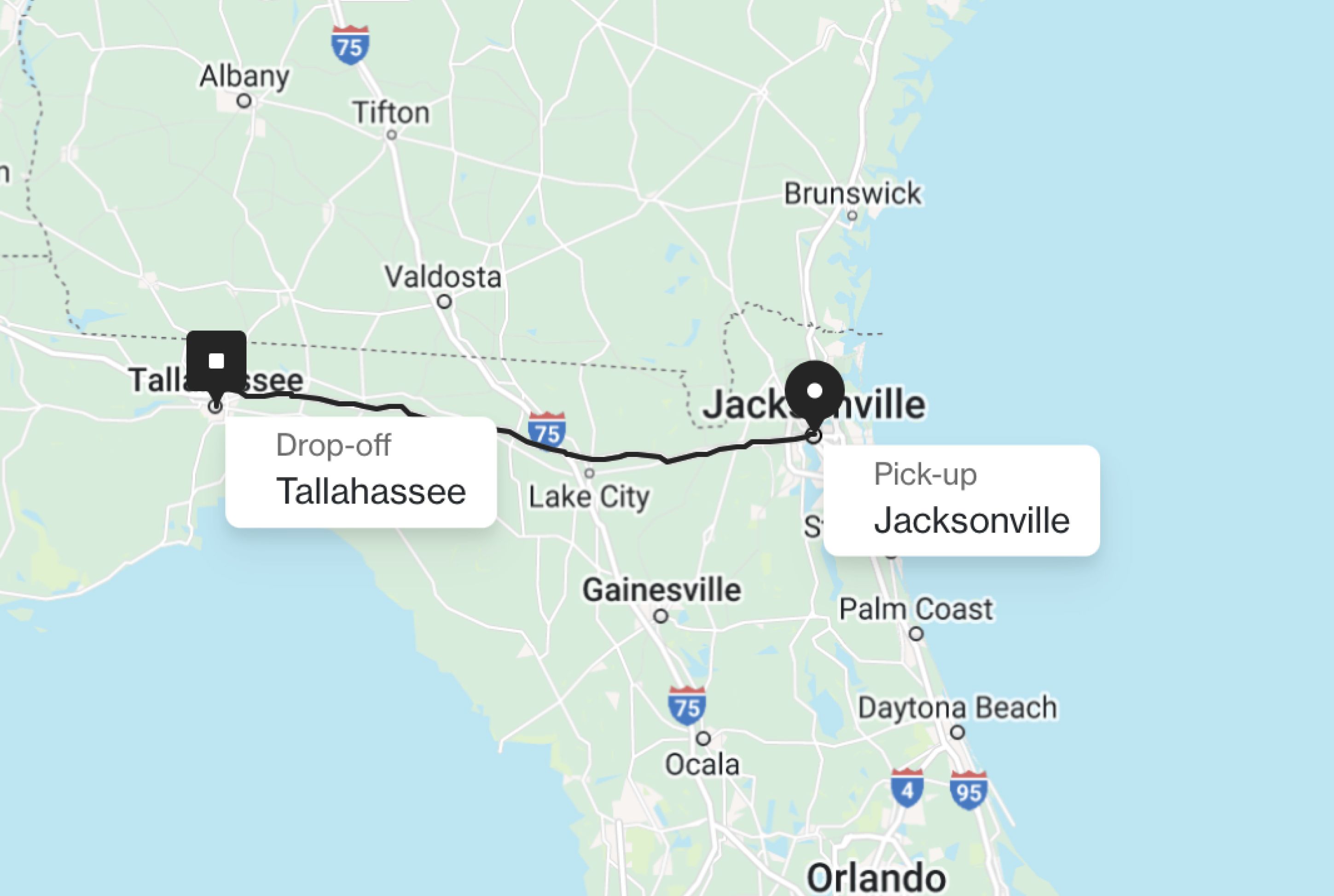
The approximate driving distance between Jacksonville on Florida’s northeast coast and Tallahassee in the panhandle is approximately 160 to 165 miles (about 257 to 265 kilometers), depending on the specific starting and ending points within each city and the chosen route. This distance makes the journey well within the scope of a day trip or a convenient segment of a longer Florida exploration.
Estimating Your Journey: Factors Influencing Driving Time
While the distance is relatively fixed, the time it takes to cover that distance can fluctuate significantly. On average, a direct drive under normal conditions typically takes around 2.5 to 3 hours. This estimate, however, is subject to several variables:
- Traffic Conditions: As with any major route, rush hour traffic in or around Jacksonville and Tallahassee can extend travel times. Likewise, unexpected road incidents or construction can cause delays.
- Time of Day/Week: Weekday mornings and late afternoons generally see heavier traffic, particularly on the segments of Interstate 10 near urban centers. Weekends and off-peak hours usually offer a smoother, quicker drive.
- Speed Limits: The majority of the route consists of interstate highway driving with typical speed limits of 70 mph (approximately 113 km/h), allowing for efficient travel. Adhering to these limits is essential for safety and avoiding citations.
- Rest Stops: Personal preference for breaks, meals, or refueling will naturally add to the overall travel duration. The route offers numerous convenient rest areas and service stations.
Navigating the Primary Driving Routes
For most travelers, the path between Jacksonville and Tallahassee is straightforward, primarily involving one major interstate.
The Most Direct Path: Interstate 10 (I-10)
The vast majority of drivers traveling between these two cities will utilize Interstate 10. This major east-west artery provides the most efficient and direct connection.
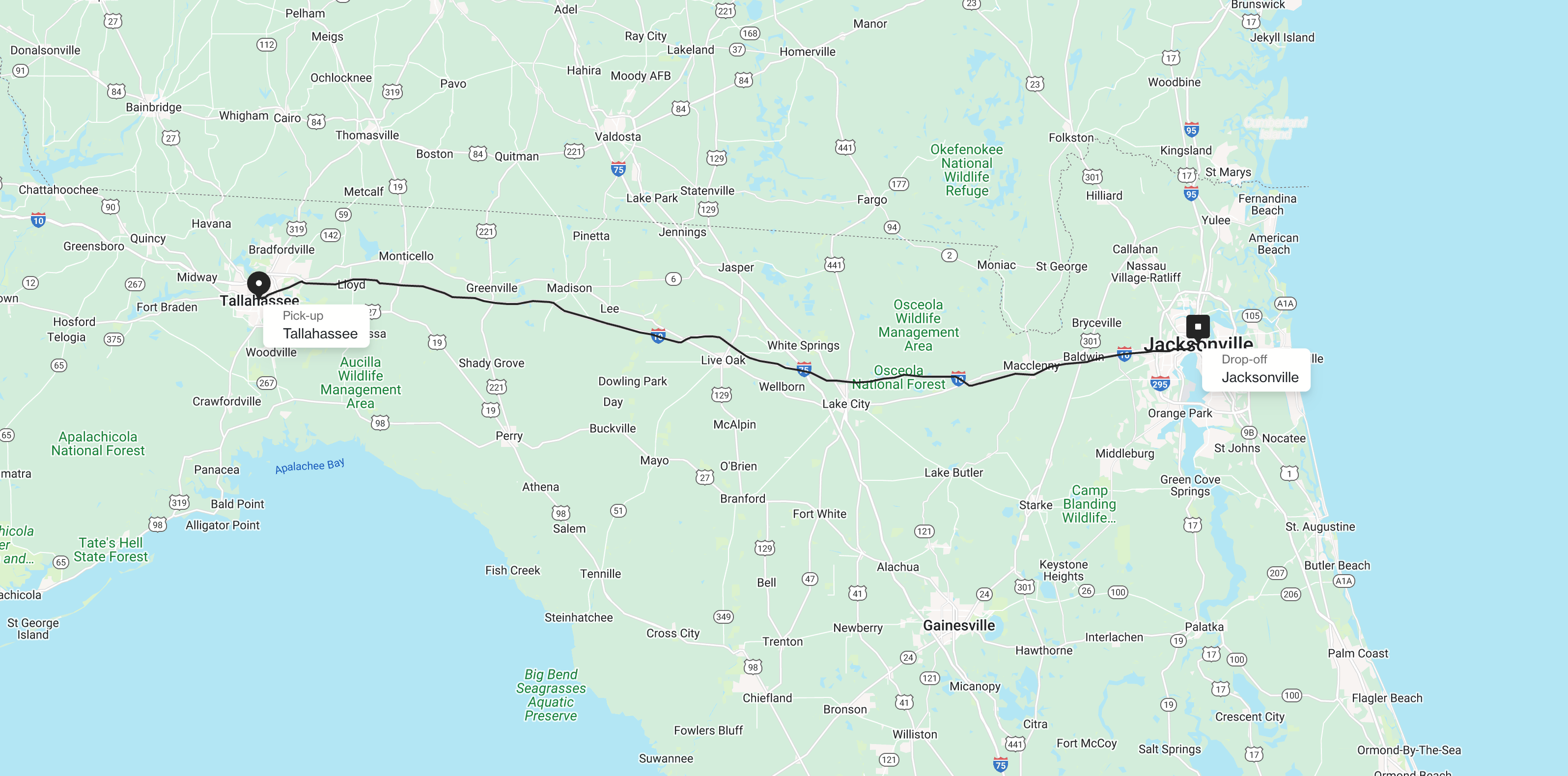
- Route Description: From Jacksonville, you’ll head west on I-10 and follow it almost directly into Tallahassee. The highway is well-maintained, typically multi-lane, and designed for high-speed travel.
- What to Expect: The drive is largely rural once you leave the immediate Jacksonville metropolitan area, passing through flat, often forested landscapes typical of inland Florida. You’ll encounter several smaller towns and exits along the way, providing opportunities for fuel, food, and rest. Notable points include the exit for Lake City, a mid-sized city roughly halfway between the two destinations, which serves as a common stopover point.
- Road Quality and Services: I-10 in Florida is generally in good condition, making for a comfortable drive. Services like gas stations, fast-food restaurants, and convenience stores are readily available at most major exits.
Scenic Alternatives: A Slower, More Intimate Journey
While I-10 is the choice for speed and efficiency, some travelers might seek a more leisurely and scenic experience, opting for state and U.S. highways.
- US-90: This historic route runs roughly parallel to I-10, cutting through the heart of many small Florida towns. While significantly slower due to lower speed limits, more frequent stops, and potentially more traffic lights, US-90 offers a glimpse into local life.
- What You Gain: Choosing US-90 allows for spontaneous stops at roadside antique shops, local diners, or historical markers often missed from the interstate. It’s an opportunity to experience a different side of Florida’s interior, albeit at the cost of added travel time.
Beyond the Wheel: Exploring Other Transportation Options
While driving is overwhelmingly the most popular method for this route, other transportation options exist for those who prefer not to drive or are seeking alternatives.
Bus Services: Affordability and Convenience
Bus travel is a viable and often budget-friendly option, particularly for individuals traveling alone or those who prefer to relax and let someone else handle the navigation.
- Major Bus Lines: Companies like Greyhound and FlixBus operate routes connecting Jacksonville and Tallahassee.
- Travel Time and Cost: Bus journeys typically take longer than driving, often ranging from 3.5 to 5 hours, factoring in scheduled stops. Ticket prices vary depending on booking in advance, time of year, and promotions, but generally offer a cost-effective solution.
- Stations: Both cities have well-established bus terminals, usually located conveniently within or near downtown areas, providing easy access to local transportation.
Rail Travel: A Scenic but Indirect Choice
For this specific east-west route in Florida, rail travel is generally not the most practical or direct option.
- Limited Direct Routes: Amtrak in Florida primarily services north-south corridors. A direct east-west route between Jacksonville and Tallahassee is not available. Travelers opting for Amtrak would likely face significant detours, transfers, and extended travel times, making it an impractical choice for efficiency.
- When It Might Be Considered: If you are part of a much longer, multi-leg rail journey through Florida and happen to connect through these cities, it might be an incidental part of your itinerary. However, for a dedicated trip between Jacksonville and Tallahassee, other modes are far more suitable.
Flying: The Fastest, But Often Least Practical for Short Distances
While flying is inherently the fastest way to cover distances, it is rarely the most practical or efficient choice for the Jacksonville-Tallahassee route due to the relatively short ground distance.
- Airports: Jacksonville International Airport (JAX) and Tallahassee International Airport (TLH) serve their respective regions.
- Lack of Direct Flights: Given the proximity, direct commercial flights between these two cities are uncommon. Any flight would likely involve a layover in a larger hub airport, such as Atlanta or Orlando, significantly extending the actual travel time.
- Total Travel Time vs. Cost: When accounting for travel to and from airports, check-in, security, flight time, and potential layovers, a flight often takes longer and is considerably more expensive than driving or taking a bus. Flying is generally only considered for this route if it’s a small segment of a much longer air journey, or for private aviation.
Enhancing Your Journey: Stopovers and Attractions Along the Way
While the drive itself is relatively short, transforming it into a mini-adventure can add richness to your Florida experience. The route along I-10 and nearby areas offers various opportunities for interesting detours.
Natural Wonders and Outdoor Escapes
Florida’s natural beauty extends inland, with several parks and forests accessible from the main route.
- Osceola National Forest: Located just south of I-10 near Lake City, this vast forest offers opportunities for hiking, camping, fishing, and wildlife viewing. It’s a perfect spot to stretch your legs and immerse yourself in unspoiled nature.
- Stephen Foster Folk Culture Center State Park: Situated on the banks of the historic Suwannee River in White Springs, this park celebrates Florida’s folk heritage and the legacy of composer Stephen Foster. It features a carillon tower, craft shops, and a museum, offering a unique cultural stop.
Charming Small Towns and Local Flavors
Stepping off the interstate allows you to discover the character of Florida’s smaller communities.
- Lake City: As mentioned, Lake City provides all the necessary amenities for a quick stop, but also boasts several historic buildings and local parks if you have more time to explore.
- Live Oak and Madison: These small towns, accessible directly from I-10 or via US-90, offer a taste of rural Florida. They often feature quaint downtown areas, local eateries serving Southern comfort food, and community events that provide an authentic local experience.
Cultural and Historical Detours
The region also holds pockets of history and culture that can enrich your travel narrative.
- Olustee Battlefield Historic State Park: East of Lake City, this park preserves the site of Florida’s largest Civil War battle. It offers a museum, walking trails, and interpretive signs that delve into this significant historical event.
Planning Your Trip: Essential Travel Considerations
Successful travel hinges on good preparation. Keep these points in mind for a smooth journey between Jacksonville and Tallahassee.
Best Time to Travel
- Weather: Florida experiences hot, humid summers (May to September) and mild, pleasant winters (November to April). The hurricane season runs from June to November, which can bring heavy rains and potential travel disruptions. Spring and fall offer the most comfortable weather for driving.
- Traffic: As previously noted, avoiding peak commuter times around Jacksonville and Tallahassee will make for a quicker trip. Weekends, particularly Sunday afternoons, can also see increased traffic volume as people return from weekend trips.
Road Trip Essentials
For those driving, a well-prepared vehicle and a stocked car can make all the difference.
- Vehicle Maintenance: Ensure your vehicle is in good working order, with tires properly inflated and fluids checked, especially before longer drives.
- Emergency Kit: A basic emergency kit with jumper cables, a first-aid kit, a flashlight, and tools can be invaluable.
- Snacks and Hydration: Keep water and snacks on hand, especially for stretches between major exits.
- Entertainment: Audiobooks, podcasts, or music can help pass the time on the road.
Accommodation and Dining
Both Jacksonville and Tallahassee are sizable cities with a wide array of accommodation options, from luxury hotels to budget-friendly motels and vacation rentals. They also boast diverse culinary scenes. It’s always advisable to book accommodations in advance, especially during peak seasons or major events. For dining, explore local reviews to discover the best of Florida’s cuisine, from fresh seafood in Jacksonville to Southern comfort food in Tallahassee.

Safety and Preparedness
Driving in Florida is generally safe, but common sense precautions apply.
- Driving Safely: Always adhere to speed limits, avoid distracted driving, and maintain a safe following distance.
- Roadside Assistance: Consider having a roadside assistance plan (like AAA) for peace of mind in case of a breakdown.
- Weather Awareness: Be aware of sudden Florida thunderstorms, which can significantly reduce visibility and make roads slick.
In conclusion, the journey from Jacksonville to Tallahassee is a straightforward and accessible route, predominantly via I-10. While a direct drive offers efficiency, the option to explore scenic detours and local attractions presents an opportunity to enrich your travel experience across the beautiful state of Florida. With proper planning, your trip can be as smooth and enjoyable as the destinations themselves.
LifeOutOfTheBox is a participant in the Amazon Services LLC Associates Program, an affiliate advertising program designed to provide a means for sites to earn advertising fees by advertising and linking to Amazon.com. Amazon, the Amazon logo, AmazonSupply, and the AmazonSupply logo are trademarks of Amazon.com, Inc. or its affiliates. As an Amazon Associate we earn affiliate commissions from qualifying purchases.