
For anyone contemplating a journey along the vibrant southeastern coast of Florida, understanding the geographical relationship between its prominent cities is key to efficient planning and an enjoyable experience. Among the most frequently traveled routes in South Florida is the stretch connecting the bustling metropolis of Miami with the sophisticated charm of West Palm Beach. Whether for business, leisure, or simply exploring the diverse landscapes and cultures of the region, knowing the distance, travel time, and available transportation options is fundamental for any traveler.
This article delves into the specifics of traversing this popular corridor, offering insights into various modes of transport, estimated durations, and valuable tips to enhance your journey. From the sun-drenched beaches to the vibrant urban centers, the route between Miami and West Palm Beach offers a unique glimpse into the heart of the Sunshine State.
The Straightforward Answer: Distance and Drive Time
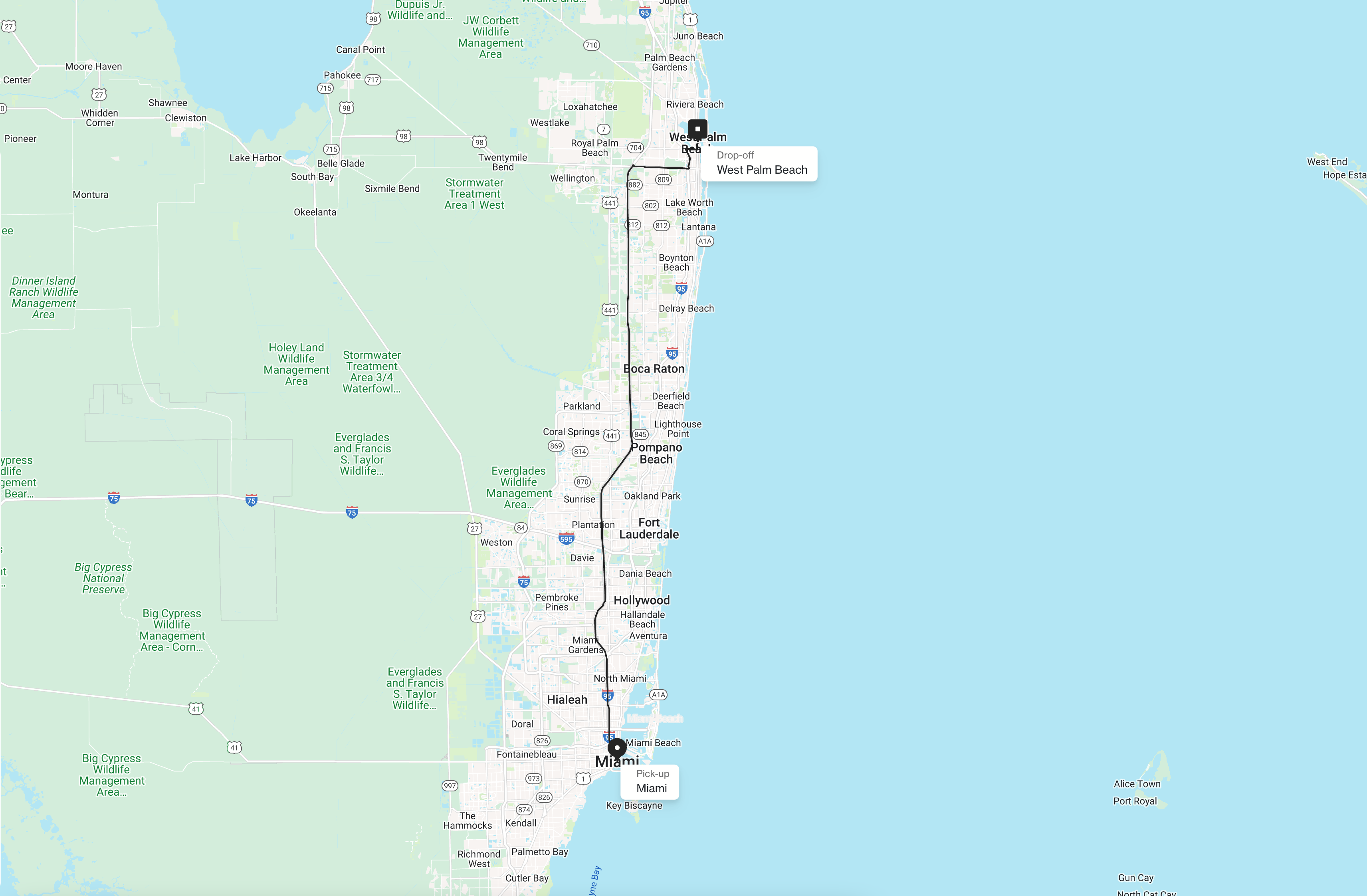
The distance between Miami and West Palm Beach is relatively short, making it a manageable journey for day trips, weekend getaways, or connecting travel plans. Understanding this core information is the first step in planning your travel itinerary.
Geographical Proximity and Key Highways
Geographically, West Palm Beach lies directly north of Miami along the Atlantic coast. The two cities are primarily linked by two major north-south arteries: Interstate 95 (I-95) and Florida’s Turnpike.
- Interstate 95 (I-95): This is the most direct and frequently used route, hugging closer to the coastline and passing through various cities and towns like Fort Lauderdale and Boca Raton. The distance via I-95 is approximately 65 to 70 miles (105 to 113 kilometers), depending on your specific starting point in Miami and destination in West Palm Beach.
- Florida’s Turnpike: A toll road that runs slightly inland, offering a generally smoother and less congested experience, particularly during peak hours. The distance via Florida’s Turnpike is similar, usually around 70 to 75 miles (113 to 121 kilometers). While slightly longer in mileage, the higher speed limits and fewer exits can sometimes result in comparable or even shorter travel times, though tolls will apply.
Estimating Travel Duration by Car
For most travelers, driving is the preferred method, offering flexibility and convenience. The estimated travel time by car typically ranges from 1 hour to 1 hour and 45 minutes.
- Optimal Conditions: Under ideal conditions, with light traffic and adherence to speed limits, you can expect the drive to take around 1 hour to 1 hour and 15 minutes.
- Peak Hours/Congestion: During rush hour (typically 7-9 AM and 4-6 PM on weekdays) or due to unexpected roadwork or accidents, the travel time can easily extend to 1 hour and 30 minutes to 2 hours or more. Weekends can also see increased traffic, especially around popular beach areas or during special events.
Factors Affecting Your Drive Time
Several variables can influence the actual time it takes to travel between these two Florida cities:
- Time of Day: As mentioned, avoiding peak traffic times is crucial for a quicker journey.
- Day of the Week: Weekday commutes differ significantly from weekend leisure travel patterns.
- Roadwork and Accidents: Unexpected events can cause significant delays. Utilizing real-time navigation apps (e.g., Google Maps, Waze) is highly recommended.
- Specific Endpoints: Traveling from downtown Miami to downtown West Palm Beach will have a different duration than, say, from Miami International Airport (MIA) to a northern suburb of West Palm Beach.
Navigating the Journey: Your Transportation Options
While driving is the most common approach, travelers have several reliable options for getting between Miami and West Palm Beach, each with its own advantages.
Driving: The Most Popular Choice
Driving offers unparalleled flexibility to explore at your own pace, make impromptu stops, and transport luggage easily. Most rental car agencies are readily available at Miami International Airport (MIA), Fort Lauderdale-Hollywood International Airport (FLL), and Palm Beach International Airport (PBI), as well as throughout the cities. Be prepared for potential tolls, especially if opting for Florida’s Turnpike.
Public Transportation: Brightline and Other Rail Services
For those preferring to avoid driving, traffic, and parking hassles, rail services present an excellent alternative.
- Brightline: This inter-city passenger rail service offers a premium, high-speed connection between Miami, Fort Lauderdale, Boca Raton, and West Palm Beach, with future expansion planned. Brightline trains are modern, comfortable, and equipped with amenities like Wi-Fi and food/beverage service. The journey between MiamiCentral station and West Palm Beach station typically takes around 1 hour and 10 minutes to 1 hour and 20 minutes, making it competitive with driving times, especially during peak traffic. It’s a great option for business travelers or those seeking a more relaxed travel experience.
- Tri-Rail: This commuter rail system serves the three major South Florida counties: Miami-Dade, Broward, and Palm Beach. While slower than Brightline (with more stops), Tri-Rail is a highly economical option, particularly popular with commuters. A full journey from the Miami Airport station to the Mangonia Park station in West Palm Beach can take approximately 1 hour and 45 minutes to 2 hours or more, including transfers to downtown areas.
Bus Services: An Economical Alternative
Various bus companies, such as Greyhound, offer routes between Miami and West Palm Beach. While generally the most budget-friendly option, bus travel is often the slowest, with journey times potentially exceeding 2 to 3 hours, depending on the number of stops and traffic conditions.
Ride-Sharing and Taxis: Convenience at a Price
Services like Uber and Lyft, as well as traditional taxi services, are readily available. These offer door-to-door convenience but are typically the most expensive option for this distance. Fares can vary significantly based on demand, time of day, and surge pricing, often ranging from $100 to $200 or more.

What to Expect: A Glimpse of the Route and Beyond
The journey between Miami and West Palm Beach is more than just a transition from one point to another; it’s an opportunity to observe the unique character of South Florida.
The Diverse Urban and Coastal Landscape
The drive along I-95 offers glimpses of Florida’s diverse landscape. You’ll pass through the urban sprawl of Miami-Dade County, the vibrant communities of Broward County (including Fort Lauderdale with its extensive canal system), and into the affluent Palm Beach County. The scenery transitions from high-rise skylines to more suburban environments, punctuated by palm trees, lush vegetation, and occasional views of the intercoastal waterway or distant ocean. Florida’s Turnpike, running further inland, often provides a less obstructed, albeit less scenic, experience, characterized by long stretches of highway flanked by natural preserves and agricultural areas.
Key Points of Interest En Route
While the focus is on getting from point A to point B, travelers with extra time might consider stops in some of the intermediate cities:
- Fort Lauderdale: Known as the “Venice of America” for its extensive canal system, Fort Lauderdale offers beautiful beaches, a lively Las Olas Boulevard, and the historic Stranahan House Museum.
- Boca Raton: A city synonymous with luxury and beauty, Boca Raton boasts Spanish-Mediterranean architecture, upscale shopping, and pristine parks like Mizner Park.
Connecting Florida’s Vibrant East Coast
This route effectively bridges two distinct yet complementary facets of Florida’s appeal. On one end, Miami represents a dynamic international hub, famed for its Art Deco Historic District, South Beach’s nightlife, and cultural institutions like the Vizcaya Museum & Gardens. On the other, West Palm Beach and its affluent neighbor Palm Beach offer a more refined atmosphere, with world-class golf courses, luxurious shopping on Worth Avenue, and cultural attractions such as the Henry Morrison Flagler Museum and the Norton Museum of Art. The journey between them allows travelers to experience both the exhilarating energy and the serene elegance that define South Florida.
Why Make the Trip? Unveiling the Appeal of Both Cities
Understanding the distance and travel options is one thing, but knowing why so many people make this journey sheds light on the region’s enduring appeal.
Miami’s Dynamic Allure
Miami is a global city, a melting pot of cultures, and a vibrant hub for finance, culture, arts, and international trade. Tourists flock to its pristine beaches, experience its electrifying nightlife, explore its diverse culinary scene, and engage with its rich Latin American influence. From the historic architecture of Ocean Drive to the artistic murals of Wynwood Walls, Miami offers a kaleidoscope of experiences that draw millions annually. It also serves as a major port for cruise lines and a significant international airport, making it a gateway to the Caribbean and beyond.
West Palm Beach’s Sophisticated Charm
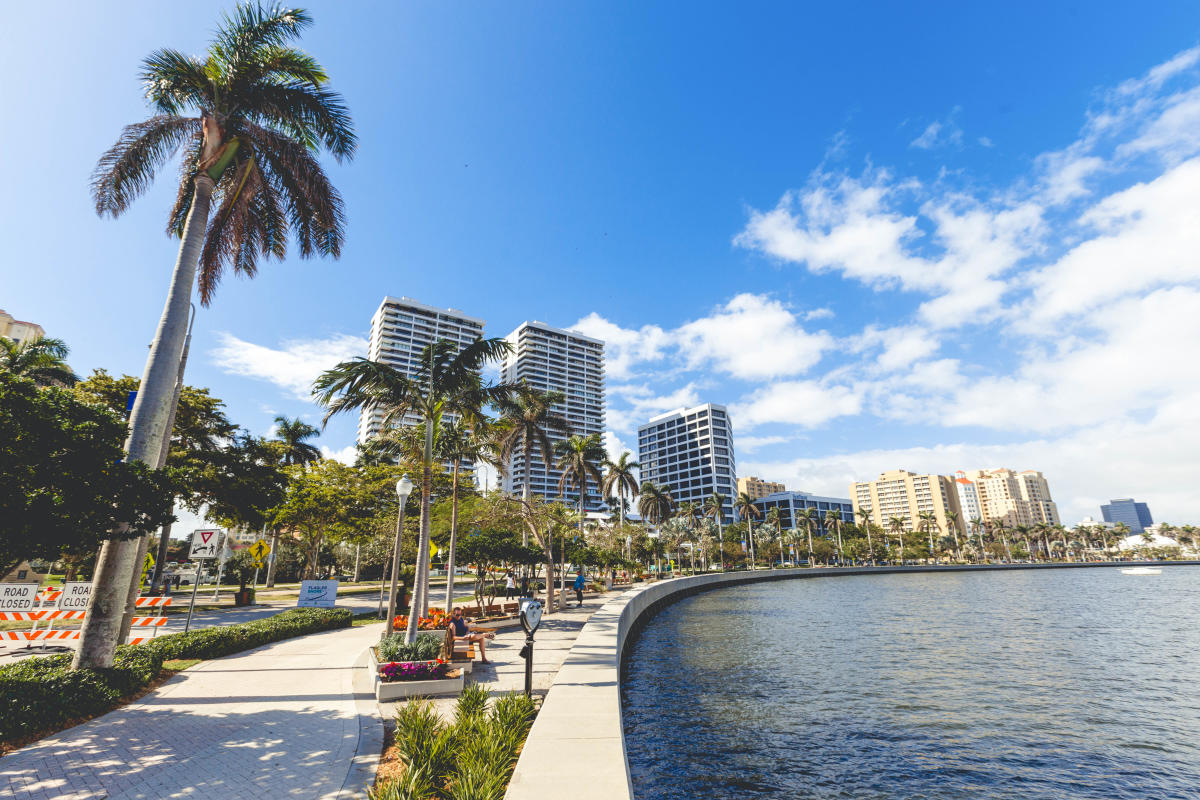
In contrast, West Palm Beach offers a more relaxed yet equally refined experience. Known for its beautiful waterfront along the Lake Worth Lagoon, its vibrant downtown Clematis Street, and the upscale shopping and dining found in the neighboring town of Palm Beach, it attracts those seeking a blend of cultural activities, outdoor pursuits, and sophisticated leisure. Attractions like the Palm Beach Zoo & Conservation Society, Lion Country Safari, and numerous golf courses highlight its family-friendly and recreational offerings. It’s a popular destination for seasonal residents, snowbirds, and those looking for a luxurious escape.
Bridging Business and Leisure
Many individuals travel between Miami and West Palm Beach for both business and leisure. Miami’s extensive business districts and convention centers often require visits from professionals based further north. Conversely, West Palm Beach’s thriving legal, financial, and healthcare sectors attract clients and experts from Miami. On the leisure front, residents of one city frequently visit the other for special events, unique dining experiences, or to access different airports or cruise terminals. The well-connected infrastructure facilitates these diverse travel needs, underscoring the importance of understanding this key Florida corridor.
Essential Tips for a Seamless Journey
To ensure your travel between Miami and West Palm Beach is as smooth as possible, consider these practical tips.
Best Time to Travel
- Avoid Rush Hours: If driving, aim to travel mid-morning (after 9 AM) or mid-afternoon (before 4 PM) on weekdays.
- Weekends: While generally less impacted by commuter traffic, weekend beach traffic, especially on sunny days, can still cause delays on I-95. Early mornings or late evenings are often best.
- Off-Season: Traveling during Florida’s off-peak tourist season (roughly May to November, excluding holidays) can mean lighter traffic overall.
Traffic Considerations
- Real-time Navigation: Always use GPS apps with live traffic updates (e.g., Google Maps, Waze) to anticipate delays and find alternative routes.
- Tolls: If taking Florida’s Turnpike, ensure you have a SunPass transponder or are prepared for “Toll-by-Plate” options, as many toll plazas are cashless. Rental cars typically offer toll transponders, though often for an additional fee.
- Roadside Assistance: Given the highway driving, it’s wise to have a plan for roadside assistance in case of vehicle trouble.
Preparing for Your Trip
- Flight Connections: If you are connecting between Miami International Airport (MIA) or Fort Lauderdale-Hollywood International Airport (FLL) and Palm Beach International Airport (PBI), allow ample buffer time for travel and potential delays, especially if relying on public transport or during peak hours.
- Booking in Advance: For Brightline tickets, booking in advance, particularly for popular times, can secure better fares and guarantee a seat.
- Stay Hydrated: Florida’s climate can be warm and humid. If driving, ensure you have water, and take breaks if needed.
In conclusion, the journey between Miami and West Palm Beach is an easily navigable and essential route for exploring the diverse experiences South Florida has to offer. With various transportation methods and a clear understanding of the distance and potential travel times, travelers can confidently plan their trips and immerse themselves in the unique charms of both destinations.
LifeOutOfTheBox is a participant in the Amazon Services LLC Associates Program, an affiliate advertising program designed to provide a means for sites to earn advertising fees by advertising and linking to Amazon.com. Amazon, the Amazon logo, AmazonSupply, and the AmazonSupply logo are trademarks of Amazon.com, Inc. or its affiliates. As an Amazon Associate we earn affiliate commissions from qualifying purchases.