
Embarking on a cross-country journey from the heart of the Midwest to the sun-drenched shores of the Sunshine State is more than just a drive; it’s an adventure waiting to unfold. The question “How far is Missouri from Florida?” is often the first step in planning an epic road trip or simply understanding the vastness of the American landscape. While a direct, straight-line distance might offer a numerical answer, the reality of travel—the roads taken, the stops made, and the experiences gathered—paints a much richer picture. This comprehensive guide will navigate you through the practicalities of this substantial journey, offering insights into distances, routes, and essential travel considerations to transform a long drive into an unforgettable exploration.
Unpacking the Distance: Miles, Hours, and Routes
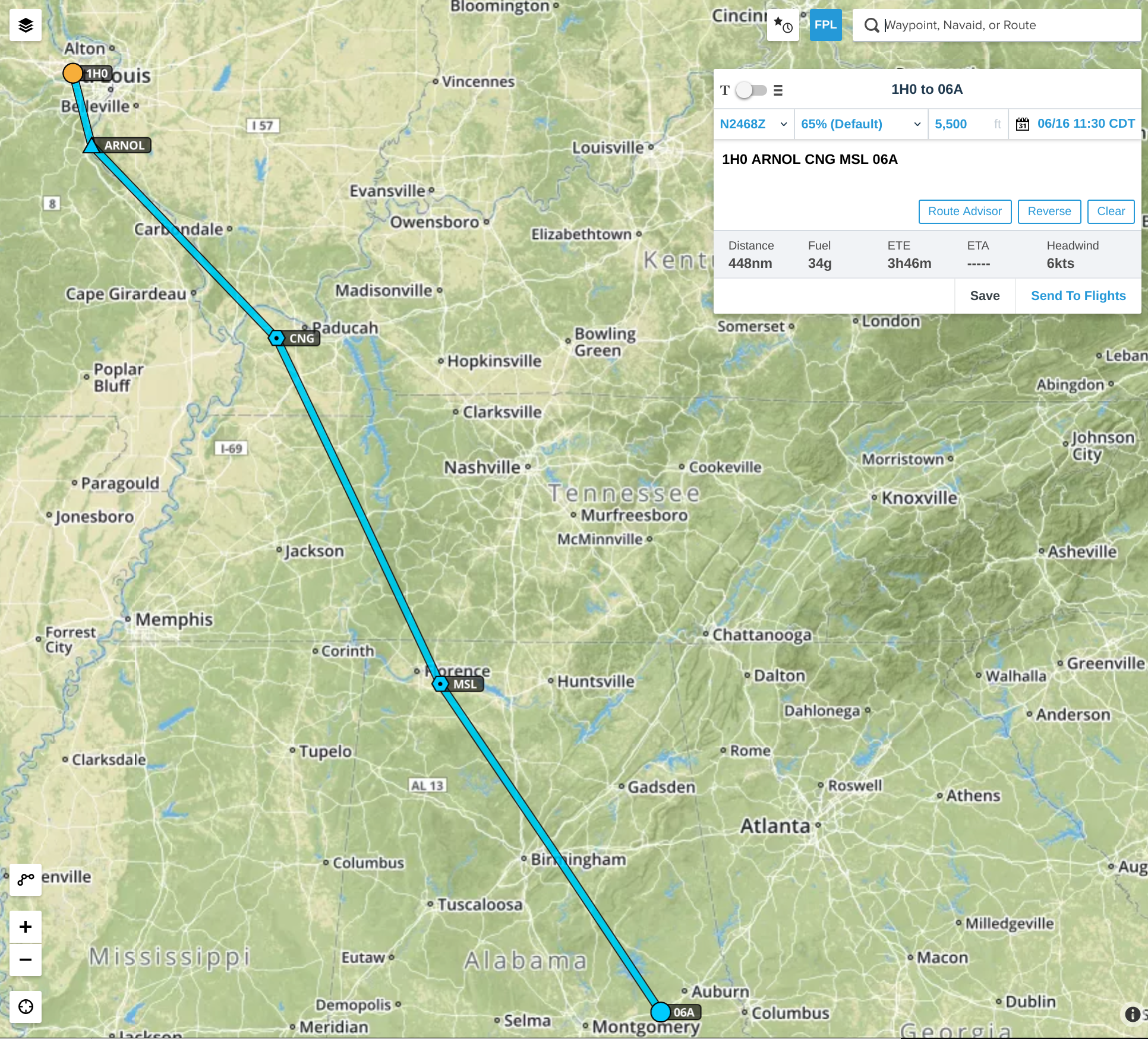
Understanding the true distance between Missouri and Florida involves more than just pulling up a map. It requires considering the practicalities of road travel, which dictate the actual mileage and the time spent behind the wheel. The journey varies significantly depending on your specific starting point in Missouri and your chosen destination in Florida, two states that themselves span considerable distances.
The Straight Line vs. Driving Reality
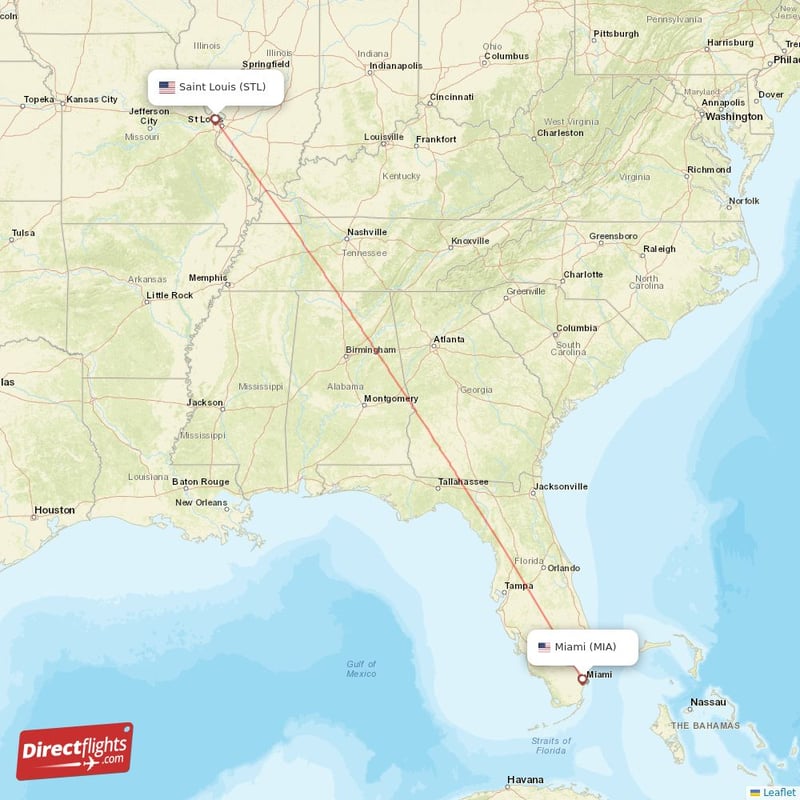
While the great-circle distance (as the crow flies) between, say, St. Louis, Missouri, and Orlando, Florida, might be around 850-900 miles, the actual driving distance is considerably longer. Roads are not straight lines; they weave through cities, around natural barriers, and follow designated interstates and highways. Typically, a drive from central Missouri to central Florida will cover approximately 950 to 1,200 miles. For instance, a route from Kansas City, Missouri, to Miami, Florida, could easily extend beyond 1,400 miles, whereas a trip from St. Louis to Pensacola in the Florida Panhandle might be closer to 800 miles. These variations highlight the importance of pinpointing your exact origin and destination.
Driving Time Estimations
Given the substantial mileage, this journey is not a single-day endeavor for most travelers. The average driving speed, factoring in necessary stops for fuel, food, and rest, usually hovers around 60-65 mph.
Therefore, a 950-mile trip would translate to roughly 14-16 hours of pure driving time, while a 1,200-mile journey could take 18-20 hours. When planning, it’s crucial to acknowledge that these are optimistic driving times. Factors such as traffic congestion (especially around major cities like Atlanta or upon entering Florida), unexpected road construction, adverse weather conditions, and the need for more frequent breaks can easily extend these estimates. Most travelers wisely plan this trip as a two-day excursion, incorporating an overnight stay to break up the drive and ensure safety and enjoyment.
Key Interstate Highways
The journey predominantly involves a network of well-maintained interstate highways. From Missouri, you’ll likely start on I-70 or I-44, connecting to I-57 South through Illinois. From there, common routes include merging onto I-24 East through Kentucky and Tennessee towards Nashville, then picking up I-65 South through Alabama. Alternatively, from Nashville, many choose I-75 South, which will take you directly into Florida and down towards destinations like Orlando, Tampa, and South Florida. For those heading to the Florida Panhandle, routes might involve staying on I-65 South to Montgomery, Alabama, then connecting to US-231 South or I-10 East.
Major Routes and Scenic Detours
The journey from Missouri to Florida offers several route options, each with its own advantages, whether you prioritize speed, specific stops, or a more scenic experience. Choosing your path wisely can significantly impact your overall travel time and the memories you create along the way.
The Most Direct Path
For travelers aiming for efficiency, the most common and direct route typically involves heading south-southeast. Starting from a major Missouri city like St. Louis, you would take I-57 South through southern Illinois, crossing into Kentucky. Then, connect to I-24 East, which leads to Nashville, Tennessee. From Nashville, the most straightforward path for most Florida destinations is I-75 South. This interstate serves as a major artery, cutting through Georgia and delivering you directly into Florida’s central and southern regions, passing through cities like Macon, Valdosta, and on to Gainesville, Orlando, and beyond. This route minimizes transfers and utilizes well-maintained, multi-lane highways, making for a relatively smooth and predictable drive.
Southern Charm and Gulf Coast Options
If your Florida destination is primarily the Panhandle (e.g., Pensacola, Destin) or you simply prefer a route that meanders through more of the Deep South before hitting Florida, an alternative emerges. Instead of I-75 from Nashville, you can opt for I-65 South. This route takes you through Birmingham and Montgomery, Alabama. From Montgomery, you can connect to US-231 South or I-10 East, which runs along the northern edge of the Florida Panhandle, providing access to its pristine beaches and charming coastal towns. This option might add a bit of time compared to a direct I-75 route for destinations like Orlando or Miami, but it offers a different perspective and allows for stopovers in iconic southern cities.
Beyond the Wheel: Flying and Other Transport Options
While the “how far” question often implies a road trip, it’s worth noting other modes of transport. Air travel offers the quickest way to cover the distance, with direct flights available from Missouri airports like St. Louis Lambert International Airport (STL) or Kansas City International Airport (MCI) to major Florida hubs such as Orlando International Airport (MCO), Miami International Airport (MIA), or Tampa International Airport (TPA). A flight typically takes 2-3 hours, not including airport transit and security. For those averse to driving long distances, Amtrak also offers limited train services, though these are significantly longer and often involve multiple transfers, making them a less popular choice for this particular route. Bus services, while budget-friendly, also entail extended travel times and numerous stops. For most adventurers seeking flexibility and the ability to explore, a road trip remains the preferred choice.
Planning Your Journey: Essential Travel Considerations
A journey of this magnitude requires careful planning to ensure it’s not only enjoyable but also safe and within budget. From the time of year you travel to what you pack, every detail contributes to a smoother experience.
Best Time to Travel
The timing of your trip can dramatically impact the driving experience. Spring (April-May) and Fall (September-October) are generally considered the best seasons. During these months, temperatures are milder, making for more comfortable driving, and hurricane season in Florida is less active or entirely over. Summer months, while popular for vacations, bring intense heat, higher humidity, and the peak of hurricane season, especially from August to November. Winter travel, particularly around the holidays, can lead to increased traffic, higher prices for accommodations, and potential for severe winter weather in the northern sections of your route (e.g., Missouri, Illinois, Kentucky). Always check weather forecasts for your entire route a few days before departure.
Packing Essentials for a Long Drive
Beyond your personal luggage, a successful long-distance road trip requires a specific set of essentials for your vehicle and comfort:
- Vehicle Maintenance: Before you leave, ensure your car is in top condition. Check tires (including the spare), oil, fluids, brakes, and lights.
- Navigation: While smartphones are excellent, a dedicated GPS or printed maps can be a lifesaver in areas with poor signal.
- Emergency Kit: Jumper cables, a first-aid kit, flashlight, basic tools, a blanket, and bottled water are crucial.
- Snacks and Drinks: Pack a cooler with your favorite refreshments to save money and avoid relying on gas station convenience stores for every stop.
- Entertainment: Audiobooks, podcasts, curated music playlists, and car games (for passengers) can make the hours fly by.
- Comfort Items: A neck pillow, comfortable shoes, and sunglasses are highly recommended.
- Documents: Keep your driver’s license, vehicle registration, and insurance information easily accessible.
Budgeting for the Trip
A road trip from Missouri to Florida involves several key expenses:
- Fuel: This will likely be your largest variable cost. Use online fuel calculators to estimate based on your vehicle’s MPG and current gas prices. Factor in price differences across states.
- Accommodation: If you plan an overnight stop, budget for a hotel. Research options in advance, especially if traveling during peak season.
- Food: Account for meals, snacks, and drinks. Packing some of your own food can significantly reduce this expense.
- Tolls: While many interstates are toll-free, some sections, particularly in Florida (e.g., Florida’s Turnpike), have tolls. Consider investing in a transponder like E-Pass or SunPass if you plan to frequent toll roads in Florida or use cash/card for infrequent tolls.
- Contingency Fund: Always set aside extra money for unexpected expenses, such as minor car repairs or unforeseen delays.
Exploring Along the Way: Mid-Journey Stops
Breaking up the long drive with strategic overnight stays or interesting day-time stops not only enhances safety but also enriches the travel experience. The route from Missouri to Florida passes through a diverse array of states, each offering unique attractions.
Charming Cities and Natural Wonders
Depending on your chosen route, several cities make excellent stopover points. If you’re coming from St. Louis, you might want to spend a little extra time exploring the Gateway Arch before heading south.
- Nashville, Tennessee: Known as “Music City,” Nashville is a vibrant hub perfect for an overnight stay. Enjoy live music on Broadway, visit the Country Music Hall of Fame and Museum, or catch a show at the Grand Ole Opry.
- Atlanta, Georgia: A major metropolitan center, Atlanta offers a plethora of attractions, from the World of Coca-Cola and the Georgia Aquarium to historical sites like the Martin Luther King Jr. National Historic Site. It’s an ideal stop if you’re taking the I-75 route.
- Birmingham, Alabama: If you opt for the I-65 South route, Birmingham is a significant city with a rich history, particularly in the Civil Rights Movement. The Birmingham Civil Rights Institute is a powerful and educational stop.
- Chattanooga, Tennessee: Situated on the Tennessee River, Chattanooga boasts natural beauty and family-friendly attractions like the Tennessee Aquarium and Lookout Mountain. It’s a convenient stop on the I-24 leg of the journey.
Making the Most of Pit Stops
To truly make the most of your road trip, think of pit stops as mini-adventures rather than just necessities. Instead of grabbing fast food at a highway rest stop, seek out a local diner or cafe in a nearby town for a taste of regional cuisine. Stretch your legs at a state park or a scenic overlook. Even an hour spent exploring a small town square can provide a refreshing break and a unique memory. Utilize apps like Google Maps or Roadtrippers to discover points of interest, unique restaurants, or even quirky roadside attractions along your chosen route. These spontaneous discoveries often become the most cherished parts of any road trip.
Arriving in Florida: Gateway to the Sunshine State
After hundreds of miles and perhaps an overnight stay, the sight of “Welcome to Florida” signs is a welcome relief. The Sunshine State is a vast and varied destination, offering something for every traveler.
Diverse Florida Destinations
Your final destination within Florida will dictate the final leg of your journey.
- Central Florida: Home to Orlando, the theme park capital of the world, featuring Walt Disney World Resort and Universal Orlando Resort. This is a popular destination for families and requires a good portion of the I-75 drive.
- South Florida: Encompassing Miami, Fort Lauderdale, and the Florida Keys, this region offers vibrant nightlife, stunning beaches, and a rich cultural tapestry. This is typically the longest stretch of the drive from Missouri.
- Florida Panhandle: Known for its sugar-white sands and emerald waters in cities like Pensacola, Destin, and Panama City Beach. This region is often the closest geographically for Missouri travelers taking the I-65 route.
- Gulf Coast: Cities like Tampa, St. Petersburg, and Sarasota offer beautiful beaches, cultural attractions, and delicious seafood. Easily accessible via I-75.
- Northeast Florida: Jacksonville and St. Augustine provide a blend of history, surfing, and natural beauty. St. Augustine holds the distinction of being the oldest continuously inhabited European-established settlement in the United States.
The Reward of the Journey
Reaching your Florida destination marks the culmination of your journey. Whether you’re unwinding on a beach, exploring theme parks, or immersing yourself in local culture, the sense of accomplishment from having driven hundreds or even over a thousand miles is incomparable. The road trip from Missouri to Florida is more than just covering distance; it’s about the ever-changing landscapes, the small towns discovered, the memories made with travel companions, and the freedom of the open road. It’s a testament to the diverse beauty and expansive geography of the United States.
In conclusion, the distance from Missouri to Florida is significant, typically ranging from 950 to 1,400 miles, translating to a 15 to 22-hour drive best split over two days. With careful planning, strategic stops, and a sense of adventure, this journey transforms from a mere calculation of miles into a vibrant travel narrative, connecting the heartland to the coast and offering a rich tapestry of American experiences.
LifeOutOfTheBox is a participant in the Amazon Services LLC Associates Program, an affiliate advertising program designed to provide a means for sites to earn advertising fees by advertising and linking to Amazon.com. Amazon, the Amazon logo, AmazonSupply, and the AmazonSupply logo are trademarks of Amazon.com, Inc. or its affiliates. As an Amazon Associate we earn affiliate commissions from qualifying purchases.