
The question “How Far Is Pennsylvania From Florida?” is more than a simple query about mileage; it’s the gateway to planning a significant journey, whether for a sun-drenched escape, a family relocation, or a business venture. These two states, representing distinct regions of the United States East Coast, offer a fascinating study in geographical and cultural contrast. Pennsylvania, with its rich history, rolling hills, and vibrant cities like Philadelphia and Pittsburgh, sits firmly in the Mid-Atlantic and Northeastern regions. Florida, on the other hand, is the quintessential Southeastern peninsula, famous for its tropical climate, pristine beaches, and world-renowned attractions in cities such as Orlando and Miami.

Understanding the distance between these two popular destinations is the first step in formulating an effective travel strategy. This article will delve into the various dimensions of this journey, from the precise mileage and estimated travel times to the different modes of transportation available, offering insights and practical advice for a seamless transition from the Keystone State to the Sunshine State.
Unpacking the Distance: A Geographical Perspective
At first glance, the distance between Pennsylvania and Florida might seem straightforward, but it’s a dynamic figure influenced by specific starting and ending points, as well as the chosen travel method. Geographically, these two states are separated by several other states along the Atlantic Seaboard, including Maryland, Delaware, Virginia, North Carolina, South Carolina, and Georgia.
The Straight-Line vs. Driving Reality
When considering distance, it’s crucial to differentiate between “as the crow flies” (air distance) and actual driving distance. The straight-line distance, which is the shortest possible path, offers a theoretical minimum but isn’t practical for ground travel. For example, the approximate air distance from Philadelphia, Pennsylvania, to Orlando, Florida, is around 850-900 miles.
However, the reality of road travel is far more complex. Driving distances typically range from 1,000 to 1,300 miles, depending on your specific origin in Pennsylvania and your destination in Florida. A journey from Pittsburgh, Pennsylvania, to Miami, Florida, for instance, will be considerably longer than a trip from Harrisburg, Pennsylvania, to Jacksonville, Florida. These variations mean that a drive can take anywhere from 16 to 22 hours of pure driving time, necessitating at least one, and often two, overnight stops for safety and comfort.
Key Entry and Exit Points
The specific cities you depart from and arrive at significantly influence the overall distance and travel time.
In Pennsylvania, major departure points often include:
- Philadelphia: Located in southeastern Pennsylvania, it’s a primary hub for travel down the East Coast.
- Pittsburgh: Situated in western Pennsylvania, trips from here typically involve traversing inland routes before connecting to major north-south corridors.
- Harrisburg: The state capital, offering a central starting point with good connectivity.
In Florida, common destinations span the entire peninsula:
- Jacksonville: The first major Florida city for travelers coming down Interstate 95.
- Orlando: Home to major theme parks, it’s a popular central Florida destination.
- Tampa/St. Petersburg: Major cities on Florida’s Gulf Coast.
- Fort Lauderdale/Miami: Principal cities in South Florida, representing the furthest points on the peninsula.
Journey By Road: Mapping Your Route South
For many, the road trip is the quintessential American travel experience, offering freedom, flexibility, and the chance to discover hidden gems along the way. Driving from Pennsylvania to Florida is a significant undertaking that requires careful planning but rewards travelers with diverse landscapes and cultural experiences.
The I-95 Corridor: America’s East Coast Lifeline
The primary and most direct route connecting Pennsylvania to Florida is Interstate 95 (I-95). This major north-south artery hugs the East Coast, passing through numerous states and major metropolitan areas.
- From Eastern Pennsylvania (e.g., Philadelphia): Travelers can directly access I-95 South, which will take them through Delaware, Maryland (often bypassing Baltimore and Washington D.C. via connector routes), Virginia, North Carolina, South Carolina, and Georgia before entering Florida.
- From Western Pennsylvania (e.g., Pittsburgh): The journey typically begins by heading east on routes like Interstate 76 (the Pennsylvania Turnpike) or south on Interstate 79 to connect with I-95 further south.
While I-95 is efficient, it’s also prone to heavy traffic, especially around major cities and during peak travel seasons. This necessitates factoring in potential delays when estimating arrival times.
Alternative Scenic Routes and Their Charms
For those with more time and a desire for a different experience, alternative routes offer a divergence from the bustling I-95 corridor.
- Appalachian Trail Parallel Routes: Heading southwest through the Appalachian Mountains via routes like Interstate 81 can offer breathtaking mountain views, particularly through Virginia and North Carolina. This route might add mileage but significantly enhances the scenic value of the journey. Travelers could then connect to Interstate 77 or Interstate 85 to reach Atlanta, Georgia, and then take Interstate 75 down into central Florida.
- Coastal Byways: While not a direct substitute for I-95 for the entire length, sections of coastal highways offer charming towns and ocean views, particularly in North Carolina, South Carolina, and Georgia (e.g., stopping in Savannah). These detours are excellent for those looking to explore.
Essential Road Trip Considerations (Fuel, Stops, Duration)
A drive of 1,000+ miles demands careful planning beyond just the route.
- Fuel and Budget: Estimate fuel costs by considering your vehicle’s MPG and current gas prices along your route. Factor in potential tolls, especially on the Pennsylvania Turnpike and parts of I-95 in other states.
- Rest Stops and Meals: Plan for regular breaks every 2-3 hours to combat fatigue. Major rest areas are available along I-95, and numerous towns offer dining options. Consider packing snacks and drinks to save time and money.
- Overnight Stays: As mentioned, a single driver cannot safely complete this journey in one go. Plan for at least one overnight stop. Popular intermediate cities include Richmond, Virginia, Fayetteville, North Carolina, or Florence, South Carolina, for those starting from Pennsylvania. For those doing a two-day drive, Jacksonville, Florida, is a good option for the first leg before continuing further south.
Taking to the Skies: Air Travel Between States
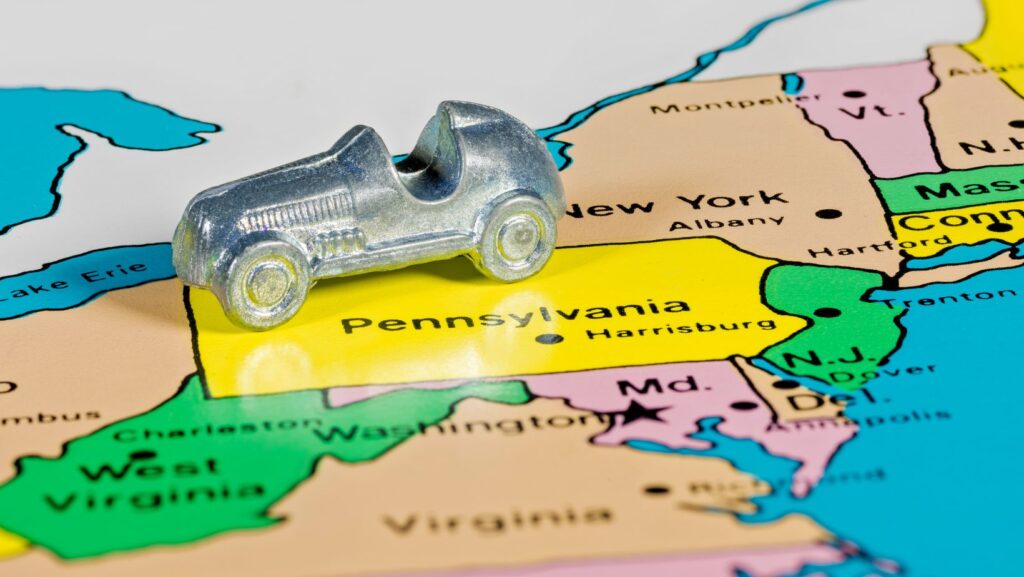
For travelers prioritizing speed and convenience, flying is the most efficient way to cover the vast distance between Pennsylvania and Florida. This mode of travel significantly reduces transit time, making it ideal for short trips, business travel, or those simply wishing to avoid a multi-day drive.
Major Airports in Pennsylvania and Florida
Both states boast a network of international and regional airports, offering ample choices for departure and arrival.
- Pennsylvania Airports:
- Philadelphia International Airport (PHL): The largest airport in Pennsylvania, offering numerous direct flights to Florida destinations.
- Pittsburgh International Airport (PIT): Serves western Pennsylvania with good connectivity to Florida.
- Harrisburg International Airport (MDT) and Lehigh Valley International Airport (ABE): Smaller airports that may offer limited direct flights or require connections.
- Florida Airports:
- Orlando International Airport (MCO): A major hub due to its proximity to theme parks, offering extensive flight options.
- Miami International Airport (MIA) and Fort Lauderdale-Hollywood International Airport (FLL): Key gateways for South Florida.
- Tampa International Airport (TPA): Serves the Gulf Coast with many direct flights.
- Jacksonville International Airport (JAX): Convenient for destinations in northern Florida.
- Southwest Florida International Airport (RSW) in Fort Myers and Sarasota-Bradenton International Airport (SRQ): Offer additional options for accessing the southwestern and central Gulf coasts.
Flight Durations and Direct vs. Connecting Flights
Direct flights between major airports typically range from 2 to 3 hours. For example, a non-stop flight from Philadelphia to Orlando is usually around 2.5 hours. However, connecting flights will extend this travel time considerably, often adding 3-6 hours or more depending on the layover duration and location. While direct flights are generally preferred for convenience, connecting flights can sometimes be more economical.
Air Travel Tips and Booking Strategies
- Book in Advance: Especially for popular Florida destinations during peak seasons (winter, spring break, summer holidays), booking flights several months in advance can yield better prices.
- Consider Budget Airlines: Carriers like Southwest Airlines, Spirit Airlines, and Frontier Airlines often offer competitive fares, though be mindful of baggage fees and other add-ons.
- Flexibility with Dates: If your travel dates are flexible, use flight comparison websites to identify the cheapest days to fly. Mid-week flights are often less expensive than weekend travel.
- Airport Proximity: Factor in the time and cost of getting to and from the airports at both ends of your journey. Sometimes, a slightly more expensive flight to a closer airport might save you overall time and money.
Beyond Driving and Flying: Other Travel Options
While driving and flying are the most common methods, other modes of transportation offer unique experiences and cater to different preferences and budgets.
Bus Services: An Economical Choice
Bus travel, primarily offered by companies like Greyhound and FlixBus, provides an economical option for traveling between Pennsylvania and Florida. The journey is considerably longer than driving, often taking 24-30+ hours with multiple stops and transfers. While it’s generally the cheapest alternative, comfort levels are lower, and the extended travel time requires patience. This option is best suited for budget-conscious travelers with flexible schedules.
Rail Travel: A Journey of Comfort and Scenery
Amtrak offers train services that connect Pennsylvania to Florida, primarily via the Silver Service and Auto Train routes.
- Silver Service (Silver Star and Silver Meteor): These trains run from New York City down to Miami, with stops in major cities along the East Coast, including Philadelphia. The total journey time can range from 20-28 hours, depending on your specific origin and destination. It’s a comfortable option, offering more space than a bus and the ability to move around, with dining cars and sleeper car options.
- Auto Train: A unique Amtrak service that allows you to bring your car with you. It runs daily from Lorton, Virginia (south of Washington D.C.), to Sanford, Florida (near Orlando). While it requires driving to Lorton, it eliminates the long drive down I-95, offering an overnight journey in comfort. The train journey itself is approximately 17 hours, plus the drive to and from the Auto Train stations. This is an excellent option for those who want their vehicle in Florida but prefer not to drive the entire distance.
Planning Your Trip: What to Consider
Regardless of how you choose to travel, effective planning is crucial for a smooth and enjoyable experience when journeying from Pennsylvania to Florida.
Best Time to Travel
- Avoid Peak Seasons: Florida’s peak tourist seasons are generally winter (November to April, especially around holidays) and spring break. Traveling during these times means higher prices for flights and accommodation, and more crowded attractions. Pennsylvania also sees increased travel during summer and fall foliage season.
- Shoulder Seasons: Late spring (April-May) and early fall (September-October) often offer the best balance of pleasant weather, fewer crowds, and more reasonable prices for both states. If driving, these times avoid the extreme heat of summer and the potential for winter weather further north.
Packing Essentials for a North-South Journey
The climate difference between Pennsylvania and Florida can be substantial, especially during cooler months.
- Layered Clothing: Essential for adapting to varying temperatures. You might start in crisp Pennsylvania weather and arrive in warm, humid Florida conditions.
- Sun Protection: Regardless of the time of year, Florida’s sun is strong. Pack sunscreen, hats, and sunglasses.
- Entertainment: For long drives or flights, ensure you have books, podcasts, music, or movies downloaded.

Breaking Up the Drive: Popular Stopover Cities
If you opt for a road trip, planning strategic stopovers can transform the journey from a marathon into an enjoyable part of the adventure.
- Mid-Atlantic: Richmond, Virginia, and Charlotte, North Carolina, are excellent choices offering diverse attractions and ample accommodation.
- The Carolinas: Charleston, South Carolina, and Savannah, Georgia, are renowned for their historic charm, delicious cuisine, and Southern hospitality. They make for memorable overnight stops, though they may require a slight detour from I-95.
- Northern Florida: Jacksonville is a convenient first stop once you enter Florida, especially if your final destination is in central or South Florida.
Ultimately, the distance between Pennsylvania and Florida is significant, demanding respect and thoughtful preparation. Whether you choose the open road, the efficiency of air travel, or the relaxed pace of a train, understanding the logistics and planning ahead will ensure your journey is as smooth and enjoyable as the destination itself.
LifeOutOfTheBox is a participant in the Amazon Services LLC Associates Program, an affiliate advertising program designed to provide a means for sites to earn advertising fees by advertising and linking to Amazon.com. Amazon, the Amazon logo, AmazonSupply, and the AmazonSupply logo are trademarks of Amazon.com, Inc. or its affiliates. As an Amazon Associate we earn affiliate commissions from qualifying purchases.