
For anyone planning a trip to South Florida, understanding the logistics of getting between its vibrant cities is paramount. Two prominent destinations that frequently spark questions about proximity and ease of travel are West Palm Beach and Fort Lauderdale. Both offer unique attractions, from sun-drenched beaches to bustling urban centers, making them popular choices for tourists and business travelers alike. This article delves into the exact distance, estimated travel times, and a comprehensive breakdown of the various transportation options available to navigate the journey between these two alluring Florida cities. Whether you’re considering a day trip, planning a multi-city itinerary, or simply curious about the regional geography, mastering the route between West Palm Beach and Fort Lauderdale is key to a seamless South Florida experience.
The Straightforward Answer: Distance and Travel Time
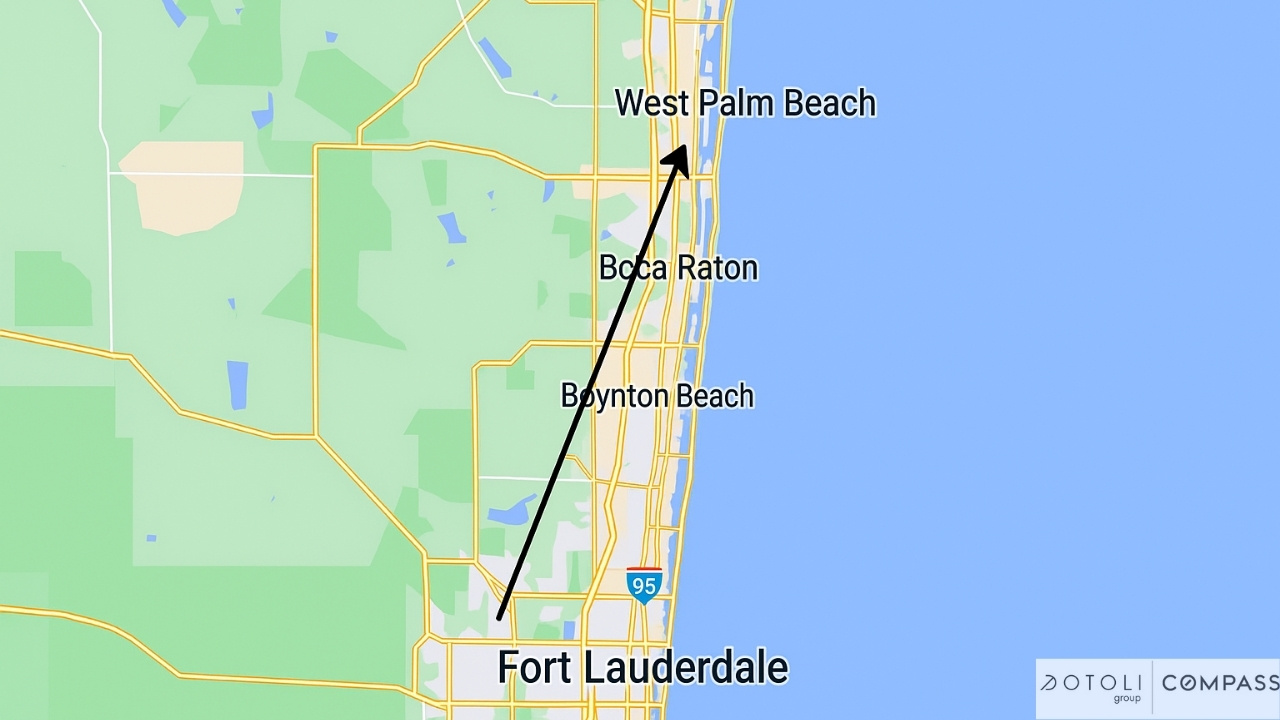
At the heart of any travel planning is the fundamental question of distance. When it comes to West Palm Beach and Fort Lauderdale, travelers will find that these two metropolitan areas are quite conveniently located relative to each other, making inter-city travel a relatively straightforward affair.
The Core Geographical Proximity
The approximate driving distance between downtown West Palm Beach and downtown Fort Lauderdale is around 45 to 50 miles (72 to 80 kilometers). This figure can vary slightly depending on the exact starting and ending points within each city, as well as the specific route taken. In terms of travel time, under ideal driving conditions with light traffic, the journey typically takes about 45 to 60 minutes by car. This relatively short distance and travel duration make it entirely feasible to visit both cities within a single day or to base yourself in one and explore the other through multiple excursions.
Factors Influencing Travel Time
While the core distance remains constant, the actual time it takes to travel between West Palm Beach and Fort Lauderdale can fluctuate significantly due to several critical factors. The most impactful of these is undoubtedly traffic congestion. South Florida is known for its heavy traffic, particularly during peak commuting hours (typically 7:00 AM to 9:00 AM and 4:00 PM to 6:00 PM on weekdays). During these times, the travel time can easily extend to 90 minutes or even more, transforming a quick hop into a more substantial journey.
Another factor is time of day and day of the week. Weekend traffic can also be unpredictable, especially if there are major events, beach days, or holiday periods. Construction on Interstate 95 (I-95), the primary north-south artery connecting the two cities, can also cause delays, as can unexpected accidents or road closures. It’s always advisable for travelers to consult real-time navigation apps like Google Maps or Waze before embarking on their journey to get the most accurate estimate of travel time and potential disruptions. Weather conditions, though less frequent, can also play a role, with heavy rain potentially slowing down traffic on Florida highways.
Navigating the Journey: Transportation Options
Travelers have a variety of choices when commuting between West Palm Beach and Fort Lauderdale, each offering distinct advantages in terms of cost, convenience, and speed. Understanding these options is key to selecting the best fit for your itinerary and budget.
Driving: The Most Common Choice
For many, driving remains the preferred method of transport due to its unparalleled flexibility and convenience. The vast majority of the journey between West Palm Beach and Fort Lauderdale is along Interstate 95, a multi-lane highway that offers a direct and relatively fast route.
- Convenience and Flexibility: Having your own vehicle or a rental car allows you to travel on your own schedule, make spontaneous stops, and reach destinations that might not be easily accessible by public transport. This is particularly beneficial if you plan to explore attractions outside the immediate downtown areas of each city.
- Major Routes: The primary route is I-95 South from West Palm Beach to Fort Lauderdale, or I-95 North in the opposite direction. There are no significant tolls directly on I-95 for this stretch, though some express lanes or specific exits might incur tolls. Drivers should be aware of the heavy traffic, especially during rush hour, and plan their departure times accordingly.
- Car Rental: Florida is well-equipped with numerous car rental agencies at major airports like Palm Beach International Airport (PBI) and Fort Lauderdale-Hollywood International Airport (FLL), as well as downtown locations. Booking in advance, especially during peak season, is highly recommended to secure better rates and vehicle availability.
Public Transportation Alternatives
For those preferring not to drive, or seeking a more environmentally friendly option, public transportation offers viable alternatives.
- Brightline: High-Speed Rail: Brightline is a modern, high-speed inter-city passenger rail service that connects major South Florida cities, including West Palm Beach and Fort Lauderdale.
- Journey Time and Comfort: The train ride is notably swift, often taking as little as 30-35 minutes between the West Palm Beach Station and the Fort Lauderdale Station. Passengers enjoy comfortable seating, Wi-Fi, and onboard food and beverage service, making it a pleasant and productive way to travel.
- Stations and Connections: Both Brightline stations are centrally located, providing easy access to downtown areas. From the stations, travelers can utilize local public transit (buses, trolleys), rideshares, or taxis to reach their final destination within each city.
- Cost: While more expensive than a bus, Brightline fares are competitive with rideshares for solo travelers and offer a significant time-saving advantage over driving in traffic. Booking tickets in advance online is recommended.
- Buses (e.g., Greyhound, FlixBus): Budget-conscious travelers can opt for inter-city bus services.
- Affordability: Buses are typically the most economical option.
- Longer Travel Times: However, they usually involve longer travel times, ranging from 1 hour to 1.5 hours or more, depending on stops and traffic.
- Station Locations: Bus stations are often located slightly outside the most central areas, requiring additional local transport to reach your final destination. It’s important to check specific schedules and station addresses when planning.
Rideshares and Taxis: Convenience vs. Cost

For door-to-door service without the hassle of driving or navigating public transit, rideshare services like Uber and Lyft, along with traditional taxis, are readily available.
- Convenience: These services offer the ultimate convenience, picking you up and dropping you off directly at your desired locations. This is particularly useful for travelers with luggage or those unfamiliar with the area.
- Cost Implications: For the distance between West Palm Beach and Fort Lauderdale, rideshare and taxi fares can be substantial, often ranging from $60 to $100 or more, depending on demand (surge pricing), time of day, and the specific service level chosen. While convenient, it’s generally the most expensive option for solo travelers, though it can be cost-effective for groups splitting the fare.
Exploring Beyond the Distance: What to Expect in Each City
While the focus of this article is on the travel logistics between West Palm Beach and Fort Lauderdale, it’s worth briefly touching upon the unique allure of each destination to help travelers understand why this journey is so popular. The ease of access between them means visitors can effortlessly experience the distinct flavors of both cities.
Discovering Fort Lauderdale
Often dubbed the “Venice of America” due to its extensive canal system, Fort Lauderdale offers a sophisticated yet laid-back South Florida experience. It boasts miles of pristine beaches, a vibrant arts and culture scene, and an impressive array of dining and shopping opportunities. The iconic Las Olas Boulevard is a major draw, lined with upscale boutiques, art galleries, and acclaimed restaurants, leading directly to the beachfront. Beyond the glamour, Fort Lauderdale serves as a major yachting hub and a popular port for cruise ships, adding to its dynamic character. The city perfectly blends urban excitement with waterfront tranquility, making it a compelling destination for a diverse range of travelers.
The Charms of West Palm Beach
Just to the north, West Palm Beach presents its own unique charm, characterized by a lively downtown, historic neighborhoods, and proximity to the exclusive Palm Beach Island. The city’s downtown core, particularly along Clematis Street and at the Square (formerly CityPlace), pulses with energy, offering a variety of shops, restaurants, bars, and entertainment venues. Culture thrives here with institutions like the Norton Museum of Art and the Kravis Center for the Performing Arts. West Palm Beach serves as a gateway to the opulence of Palm Beach Island, renowned for its luxurious estates, designer boutiques on Worth Avenue, and pristine beaches. The city offers a blend of metropolitan sophistication and relaxed coastal living, appealing to those seeking both upscale experiences and a vibrant urban atmosphere.
Making the Most of Your South Florida Itinerary
The relatively short distance and diverse transport options between West Palm Beach and Fort Lauderdale unlock a wealth of itinerary possibilities for travelers exploring South Florida. Strategic planning can significantly enhance your travel experience and allow you to maximize your time in this captivating region.
Day Trips vs. Multi-Day Stays
Given the quick travel time, a day trip from one city to the other is entirely feasible. For instance, if you’re staying in Fort Lauderdale, a morning Brightline ride can have you exploring West Palm Beach’s Clematis Street and the Square by lunch. Conversely, a West Palm Beach base allows for an afternoon enjoying the beaches and Las Olas Boulevard in Fort Lauderdale. However, to truly immerse yourself in the unique character and attractions of each city, considering a multi-day stay in both is often recommended. This allows for a more relaxed pace, deeper exploration, and the opportunity to experience the nightlife and culinary scenes without the pressure of commuting back the same evening. Factors like accommodation costs and the depth of your desired exploration should guide this decision.
Planning for Peak Seasons
South Florida experiences distinct peak seasons, primarily during the winter months (November to April) when snowbirds flock south, and during spring break. During these times, travel times, especially by car on Interstate 95, can be significantly longer due to increased traffic volume. Similarly, prices for Brightline tickets, rideshares, and car rentals tend to be higher, and availability might be limited. It is crucial to book transportation and accommodations well in advance if you plan to travel during these popular periods. Off-peak seasons, while hotter and more humid, often offer more affordable rates and less crowded conditions, making travel between cities generally smoother and faster.
Combining Destinations
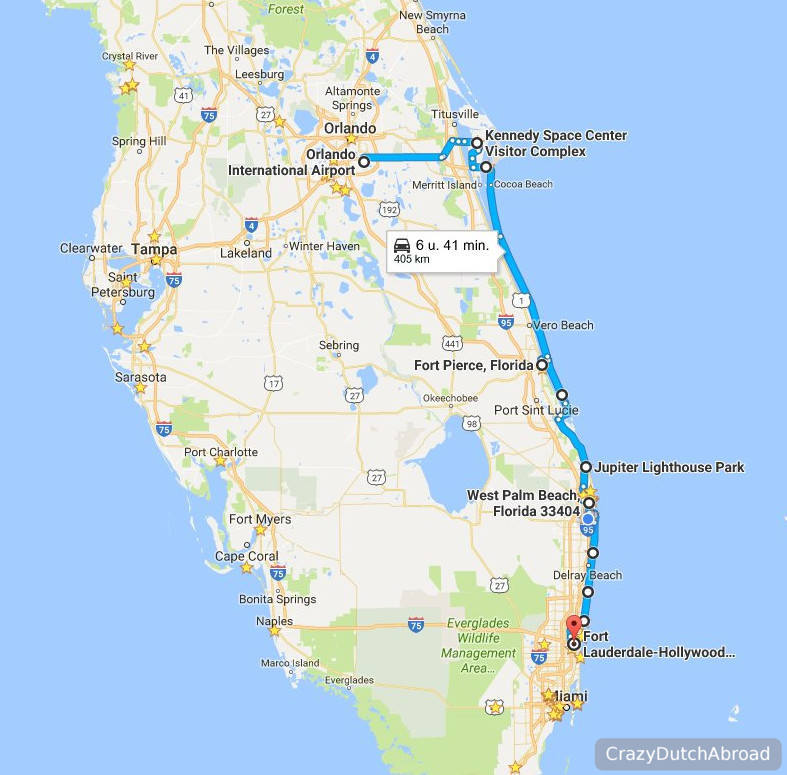
The close proximity of West Palm Beach and [Fort Lauderdale](https://lifeoutofthebox.com/fort-lauderdale] makes them ideal candidates for a combined South Florida itinerary. Travelers can fly into Palm Beach International Airport (PBI) or Fort Lauderdale-Hollywood International Airport (FLL), explore the local city for a few days, and then easily transition to the other. For those extending their journey, Miami is just a short trip further south via I-95 or Brightline, allowing for an extensive multi-city exploration of Florida’s southeastern coast. This strategic location enables visitors to customize their trip to include a mix of relaxation, culture, adventure, and urban exploration, truly getting the most out of their Florida vacation.
Conclusion
The journey between West Palm Beach and Fort Lauderdale is a relatively short and manageable one, spanning approximately 45-50 miles. While driving is a popular and flexible option, travelers have excellent alternatives such as the efficient Brightline high-speed rail, budget-friendly bus services, and convenient rideshare options. Each mode of transport offers a unique balance of speed, cost, and comfort, ensuring that there’s a suitable choice for every traveler’s needs.
The ease of travel between these two distinct Florida cities means that visitors are not limited to experiencing just one. Whether you envision a quick day trip to sample the highlights or a multi-stop itinerary to delve deeper into South Florida’s diverse offerings, the proximity of West Palm Beach and Fort Lauderdale makes it all possible. By understanding the distances, factoring in potential traffic, and selecting the best transportation method, you can seamlessly navigate this vibrant region and unlock a richer, more comprehensive travel experience in the Sunshine State.
LifeOutOfTheBox is a participant in the Amazon Services LLC Associates Program, an affiliate advertising program designed to provide a means for sites to earn advertising fees by advertising and linking to Amazon.com. Amazon, the Amazon logo, AmazonSupply, and the AmazonSupply logo are trademarks of Amazon.com, Inc. or its affiliates. As an Amazon Associate we earn affiliate commissions from qualifying purchases.